Public service or nuisance? Atlanta attorney’s videos cause stir
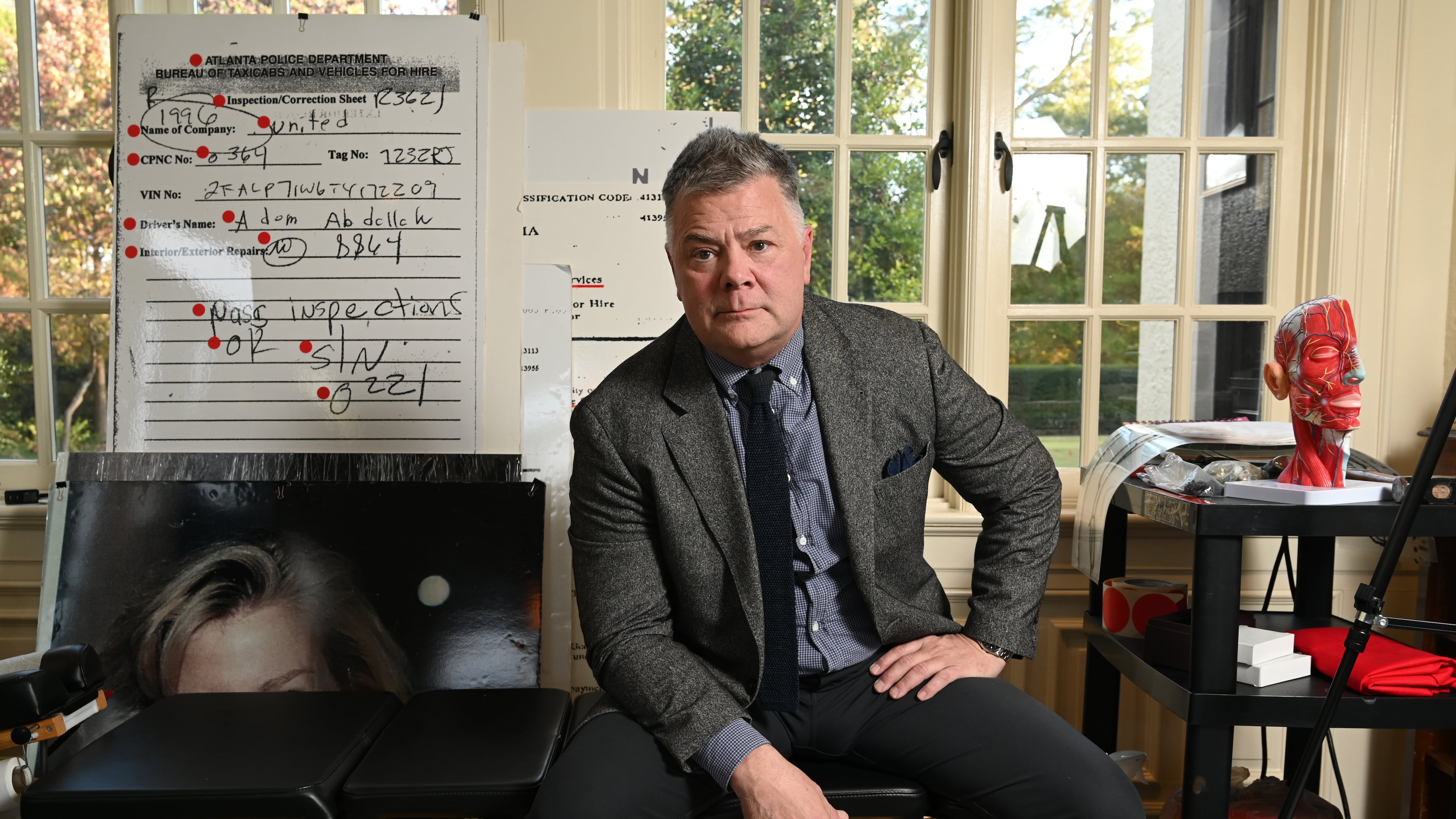
James Hugh Potts II is fired up over what he says is an attempt to hide medical malpractice. But some of those sued by the Atlanta personal injury lawyer’s clients have a different take on his social media videos.
Since February, Potts has been publishing on YouTube and TikTok videotaped depositions of defendants and their experts in his cases. Though depositions filed in court are generally presumed to be public, it’s an uncommon practice that has recently gotten him in a spot of trouble.
At the end of October, a Cobb County judge ordered Potts to unpublish the almost 4-hour deposition of a nurse he blames in part for the death of Allene Maxcy, a 48-year-old mother and wife who bled to death internally over three days while in hospital after a routine hernia repair.
The nurse, Rachel Wiggins, argued the publication of the video of her answering Potts’ questions under oath was an effort to harass her and taint the jury pool ahead of an upcoming trial.
Cobb County State Court Judge Jane Manning agreed, noting the video had been viewed about 1,700 times since its publication in July. Manning barred Potts from publishing anything about the case on social media, warning he’d be sanctioned if he didn’t comply.
Potts is appealing the “gag order” and told The Atlanta Journal-Constitution he’s prepared to take the fight to the Georgia Supreme Court. He said Wiggins is just embarrassed and she should be.
“The autopsy found three liters of blood pooled in her abdomen at the surgical site, yet she remained in her hospital bed, untreated, as her blood pressure dropped, her heart rate spiked and every warning sign of a catastrophic internal bleed was ignored,” Potts said of Maxcy, who died in 2021. “People have a right to know about this stuff.”
Wiggins’ lawyer, Anna Fretwell, said the judge’s order reflects the importance of a fair trial before impartial jurors.
“We respect the First Amendment rights of individuals and the press,” Fretwell told the AJC. “We also are intent on ensuring that this case is tried in a courtroom, with a full presentation of all of the evidence, rather than in the media.”
Potts said his publication via social media of depositions that were already publicly filed in court is “the right thing to do and certainly within the bounds of the law.” He said the defendants in his cases who have sought to suppress that content did so because it’s damning.
“What they’ve done has nothing to do with a fair trial,” he said. “It has everything to do with perpetuating a cover-up.”
Wellstar Health System is one of those defendants.
On Oct. 28, Wellstar asked a Fulton County judge to order Potts to unpublish seven deposition videos from YouTube and another from TikTok, as they relate to an ongoing medical malpractice case over the death of a heart surgery patient.
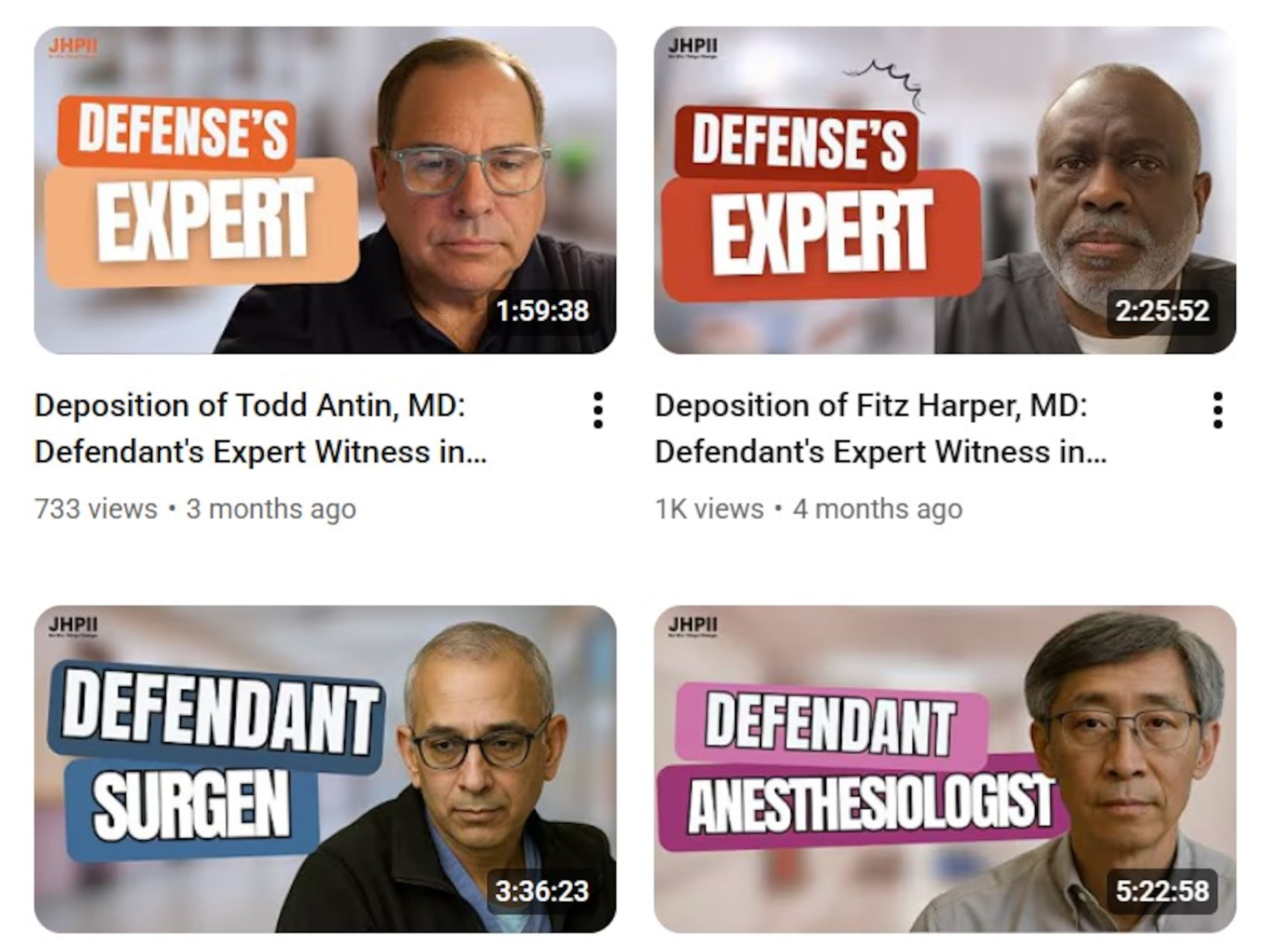
Wellstar said Potts had published comments alongside the videos that “misrepresent the allegations, defenses and care at issue in this lawsuit.” It also raised concerns about harassment and a tainted jury pool.
Fulton County State Court Judge Eric Richardson has yet to decide Wellstar’s request.
The Cobb County-based health care provider told the AJC there are laws protecting the privacy of people involved in legal disputes and the integrity of the court process.
“When an attorney broadly shares information about a case with the general public before or during a trial, such as through social media, they can taint the objectivity of jurors and undermine the integrity of our legal process,” Wellstar said. “We applaud the judges who uphold the laws that protect everyone’s right to a fair trial.”
Juggling valid competing interests
There are legitimate concerns on both sides of the debate, Atlanta attorneys Matt Stoddard and Sarah Brewerton-Palmer said.
Stoddard is a personal injury lawyer who used to represent defendants, including health care providers accused of medical malpractice. He told the AJC it wouldn’t be appropriate for every deposition to be published in full on social media, as there are sometimes interests that need protecting.
On the other hand, requests by defendants to keep evidence under wraps are often unjustified, Stoddard said.
“Most of the stuff that they don’t want produced should not be confidential,” he said. “The true purpose is they don’t want anyone else to know what they did.”
Brewerton-Palmer is a litigator and president of the Georgia First Amendment Foundation. She said she supports lawyers’ attempts to educate the public through social media, as long as it doesn’t cross the line.
Attorneys must adhere to any protective court orders as well as professional conduct rules that generally prohibit them from saying or doing anything that could unduly influence a decision in a case.
“Most lawyers draw a pretty big circle around that,” Brewerton-Palmer told the AJC. “I think most lawyers really shy away from sharing publicly any information that they’ve gathered in a case or talking freely about a case until after they’ve shown it to a jury, at the very least.”
Lawyers who publish case content on social media could be attempting to market themselves or induce a settlement, Stoddard noted.
“My guess is that the stated reasons for the fight and the actual reasons for the fight on both sides of the V are very different,” he said.
A question of constitutional rights
Potts insists his only motivation is to share public information that everyone is entitled to. He said the constitutional right to free speech is at stake.
Medical malpractice cases and other catastrophic injury lawsuits are often won and lost with depositions, said Potts, who has been representing plaintiffs for about three decades. Many of the videotaped depositions he has published on social media are from old cases resolved years ago.
Depositions, where witnesses provide sworn testimony as part of the discovery phase in a lawsuit, are one of the least understood aspects of litigation, Brewerton-Palmer said.
“Generally, I think it’s great to try to get the public more interested in the legal process and make it more transparent and understandable, because it’s oftentimes very arcane,” she said.
Potts was first ordered to unpublish deposition videos in August, in a pending medical malpractice case against Piedmont Athens Regional Medical Center and an obstetrician-gynecologist. Cobb County State Court Judge Maria Golick also barred Potts from making any social media posts about that case.
Potts has asked Golick to reconsider her decision.
In response, Piedmont doubled down on its claim that Potts is attempting to “poison the jury pool and harass defendants by orchestrating a smear campaign against defendants on YouTube and TikTok.”
Potts said his clients want others to know about what happened to their loved ones. He said he wants to bring about change by shedding light on misconduct against vulnerable people by those they trust.
“We will continue to stand for transparency, accountability and the public’s right to know what happens in Georgia hospitals,” he said.
About the Author

Journalist Rosie Manins is a legal affairs reporter for The Atlanta Journal-Constitution.


