Your favorite restaurant might temporarily shut down. That’s a good thing.

Closing down a restaurant for any period of time is expensive.
Restaurant owners must pay for their space, utility bills, permits and many other unseen costs, whether or not customers are coming in. Every moment a restaurant is not open, the balance sheet tilts a little more toward the red.
Yet some restaurants in Atlanta have voluntarily shut down for a week or more in recent months. On Oct. 5, Gula Indonesian Cafe announced it would close for more than two weeks, reopening Oct. 23. The Buford Highway cafe that specializes in elaborate desserts just celebrated its first year in business, and the post said this “little break” would give its team time “to recharge, spend some much-needed time with family and get ready for what’s next.”
Reducing restaurant burnout
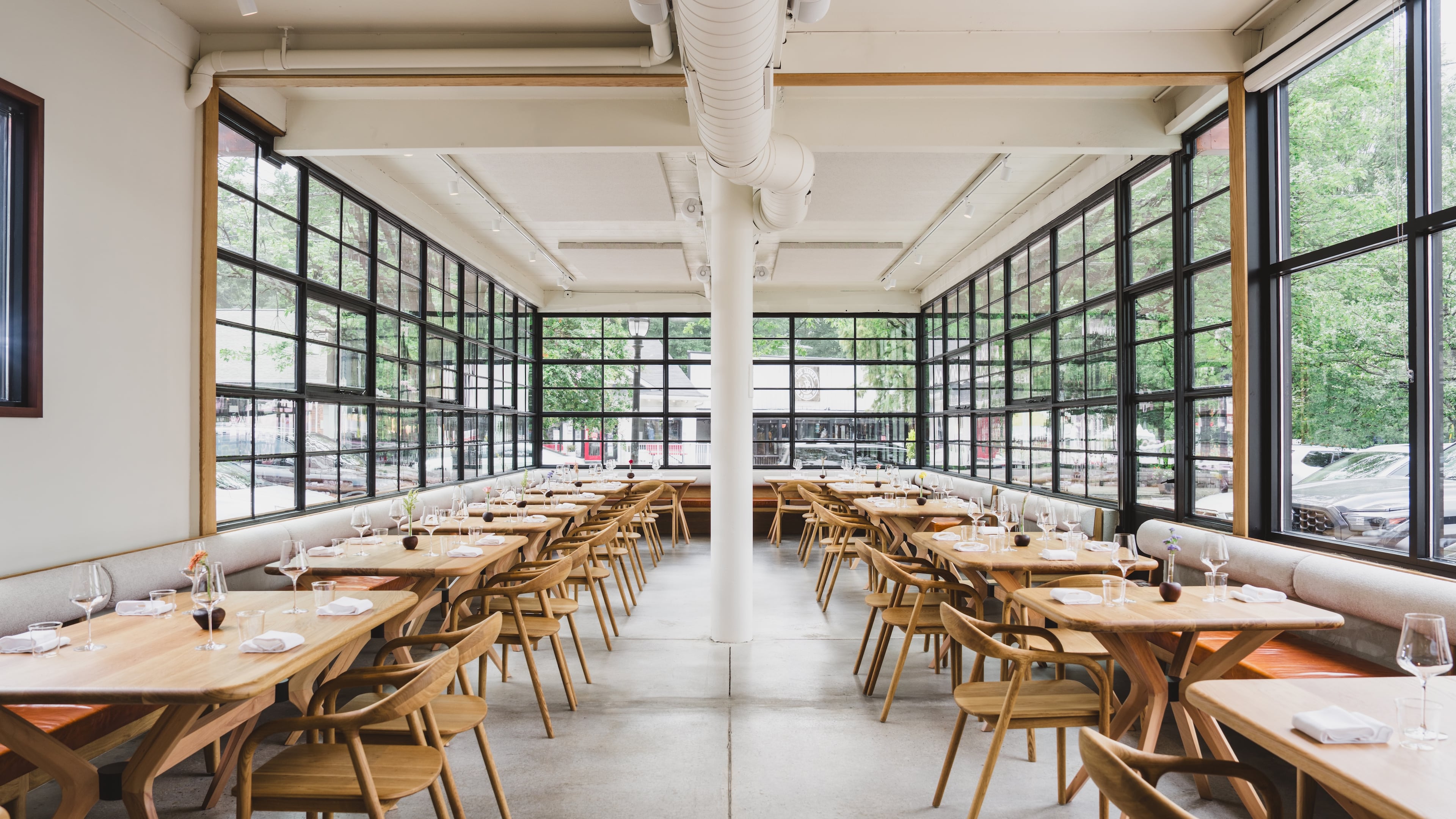
So. Fox, the white-hot new sister restaurant to Kinship Butcher & Sundry in the Virginia-Highland neighborhood, took a weeklong break in September, just two months after they opened. Since then, they earned a glowing 4-star review from The Atlanta Journal-Constitution and were named one of the 50 best restaurants in the country by The New York Times. Executive chef Myles Moody and sommelier Rachael Pack, the couple that owns So. Fox, spoke to the AJC about their decision to pause while their popularity soared and positive press rolled in.
Moody described the week off at the beginning of September as non-negotiable; the cost was built into their business plan from the beginning, because “opening restaurants is really hard,” he said.
“Restaurant burnout is a very real and prevalent thing in our industry,” Moody told the AJC. “You see it in the cycles of people working really intensely at a restaurant for a year or two, then there’s a mass exodus from a restaurant because they want time off or downtime.”
Moody’s example is backed up by data: According to a study this year by financial technology company Instant Financial, 63% of hourly restaurant workers say they’re constantly or frequently stressed.

Breaks benefit restaurant creativity and service
The high stress and intense demands of the restaurant industry can leave both front- and back-of-house employees depleted.
“We want to take care of people because it’s also the environment we work in, because we’re here every single day,” Pack said.
“When you’re an exceptional host or hostess or server, you pour your personality and a large portion of yourself into your service,” Moody explained. “And when there’s not a lot of yourself left to give at the table, people feel it.”
Pack said she and Moody traveled to New Orleans and New York during their week off, where they visited an impressive list of restaurants and found inspiration in both the culinary and service realms. In New Orleans alone, they visited Dakar NOLA, Acamaya and Emeril’s, the only restaurant with two Michelin stars in the annual guide’s American South region.
Pack said those meals allowed them to take a step back and think about their future.
“I think it’s really important to enjoy yourself and also just take time to be a consumer on the other side,” she said. “Just soak it all in and really understand the impact of what we do here day to day.”
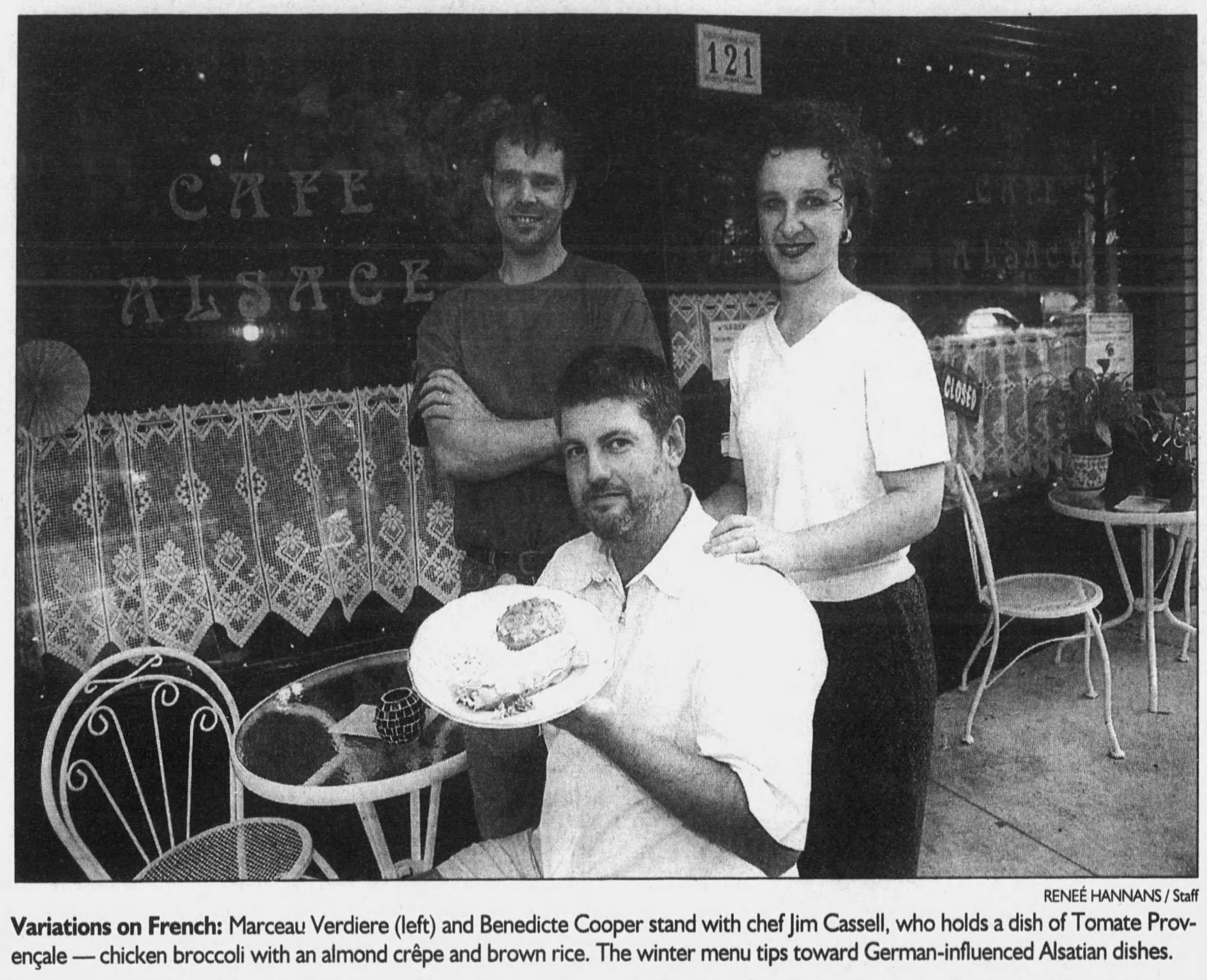
Benedicte Cooper, owner of Cafe Alsace in Decatur, has long followed the European tradition of closing up shop for vacation. She usually returns to France, where she visits family and friends. Cooper catalogs her trips with charming Facebook posts that reveal her deep connection to Alsace, the region of northeast France that borders Germany and Switzerland.
She said she always returns with books — “French books, and ideas.”
Temporary closures and restaurant longevity
Staving off burnout is one of the keys to finding longevity in the restaurant business. A temporary closure that feels like a financial sacrifice in the short-term can pay dividends in the long run, according to Cooper.
Cafe Alsace has built a loyal following over the course of nearly 30 years in Decatur. For most of that time, Cooper has been the sole owner and manager; if the restaurant is open, it always occupies part of her attention, she said. The only way for her to truly disconnect is for the restaurant to be closed.
“My business plan is not to maximize every day of the restaurant and turn it into money,” she told the AJC. “Otherwise, I would have hired a manager. I would be open all day, every day.”
Growing up in France, Cooper said the idea of businesses temporarily closing was natural. The idea of relentlessly optimizing her restaurant for profit did not square with her dream of ownership.
“(It) depends on how you calculate optimization. I think, in the long run, I’m optimizing,” Cooper said. “I mean, who else has a restaurant for 29 years? It is very rare because everybody is burned out.”
Cooper credits her longevity to other factors, as well. She spends time working in both the dining room and kitchen, which keeps her from getting bored. And she has built deep relationships with her regular customers.
“I just want to thank the customers because they always let me go,” Cooper said about the regular breaks at Cafe Alsace. “They’re always happy to let me go because they know I need it, and when I come back, they are here for me.”
Short-term closures are often a sign of strength
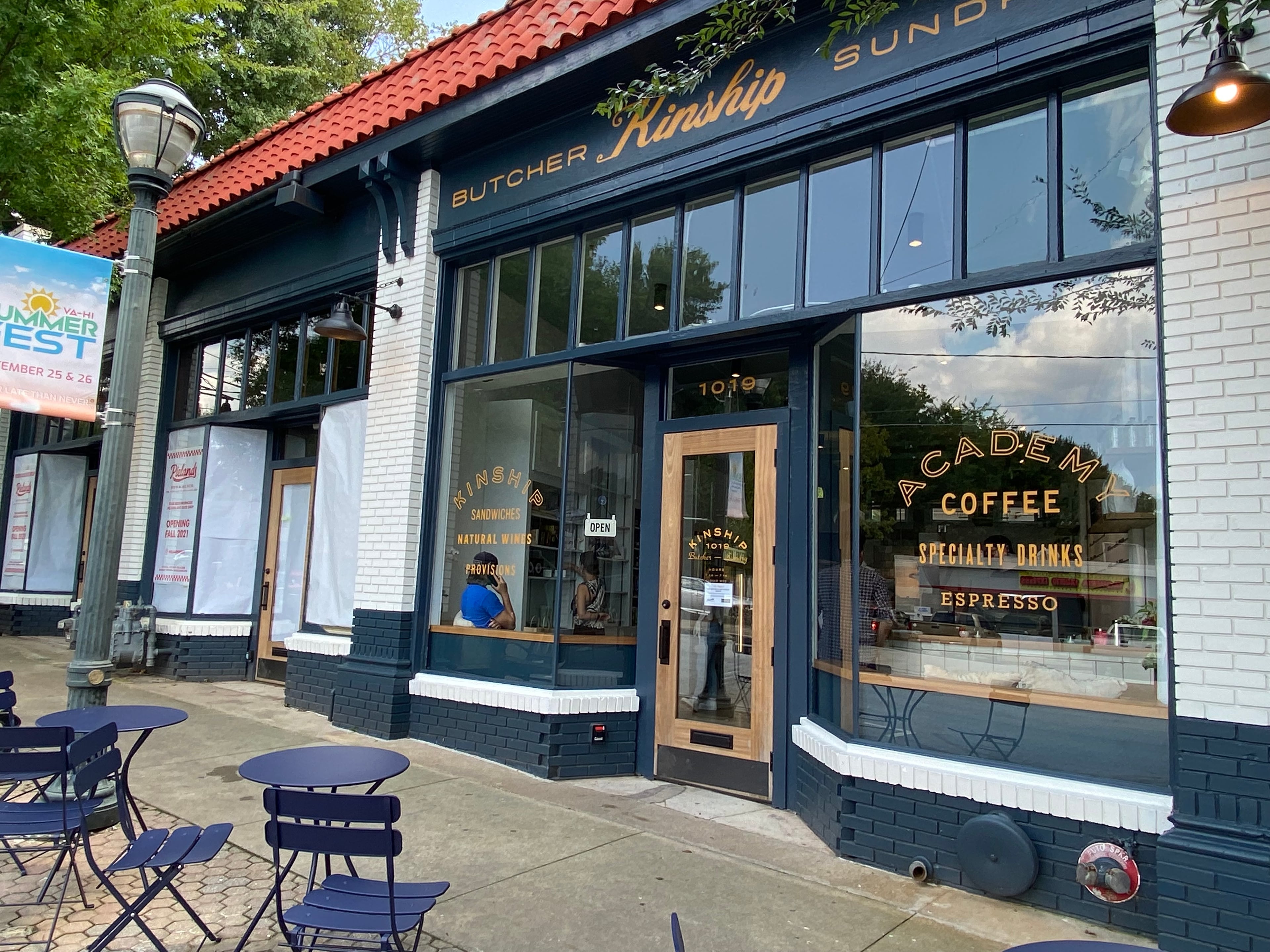
As owners of So. Fox and Kinship, Moody and Pack included paid vacation and staff health insurance in the business plans of both restaurants — benefits that are still a rarity in the industry.
At So. Fox, there was no cost-benefit analysis when it came time for their first fall closure. Moody said the payoff of taking a break was immediate.
“I think that week just really reset everyone to be able to look at the restaurant from a fresh perspective,” he said.
The positive attention on So. Fox has been motivating for everyone at the restaurant, but it also magnifies the pressure and intensity. It can be hard for individuals to step away from a high-performing team without feeling guilty or stressed.
“If you’re missing a team member, the work still has to be done,” Pack said. “Having everyone able to take their time off together, there’s a collective, ‘Oh, the restaurant’s closed. I don’t have to worry about it.’”
When the management, staff and customers are in alignment, the temporary closure of a restaurant can be a sign of balanced, pragmatic leadership. It’s a practice used by other widely acclaimed restaurants in Atlanta, like Lazy Betty and Little Bear, and it’s contributed to the longevity of classics like Cafe Alsace. The service industry is built on caring for others — but that’s easier to do for restaurants when they first care for their own.