Crispy rice is a delicacy, no matter the cuisine
There are more than a dozen names across different cultures for the crispy, scorched or sizzling rice that might be wrongly dismissed as an inexperienced home cook’s mistake: faan ziu in Cantonese, tahdig in Farsi, socarrat in Spanish or nurungji in Korean, among many others.
Scrappy home cooks found creative ways to use what was seen as a cooking byproduct and turn it into something delicious. Sometimes a bit of oil was all that was needed to lift the thin, caramelized layer of rice from the bottom of the pot. And just like a warm, crispy bread heel or a juicy chicken oyster from the underside of a roast chicken, it was a treat to be savored by the cook before dinner.
Eventually, these beloved scorched rice variations made their way into restaurants, becoming prized delicacies across different cultures. Each version of the golden, caramelized crispy rice is executed with different techniques, seasonings and toppings. And more often than not, made to be enjoyed with others.
Love and paella on the Atlanta Beltline at Buena Vida Tapas
“Paella is a form of giving love, sharing with family and friends,” said chef Edu Torres.
In June, the Spanish Embassy hosted a paella demonstration at Old Fourth Ward restaurant Buena Vida Tapas. The purpose was to share Spanish culture via culinary experts during Atlanta’s World Cup festivities. Spanish chefs Luis Valls, Edu Torres and Ismael Fernández each made their own paella and discussed their cooking processes.
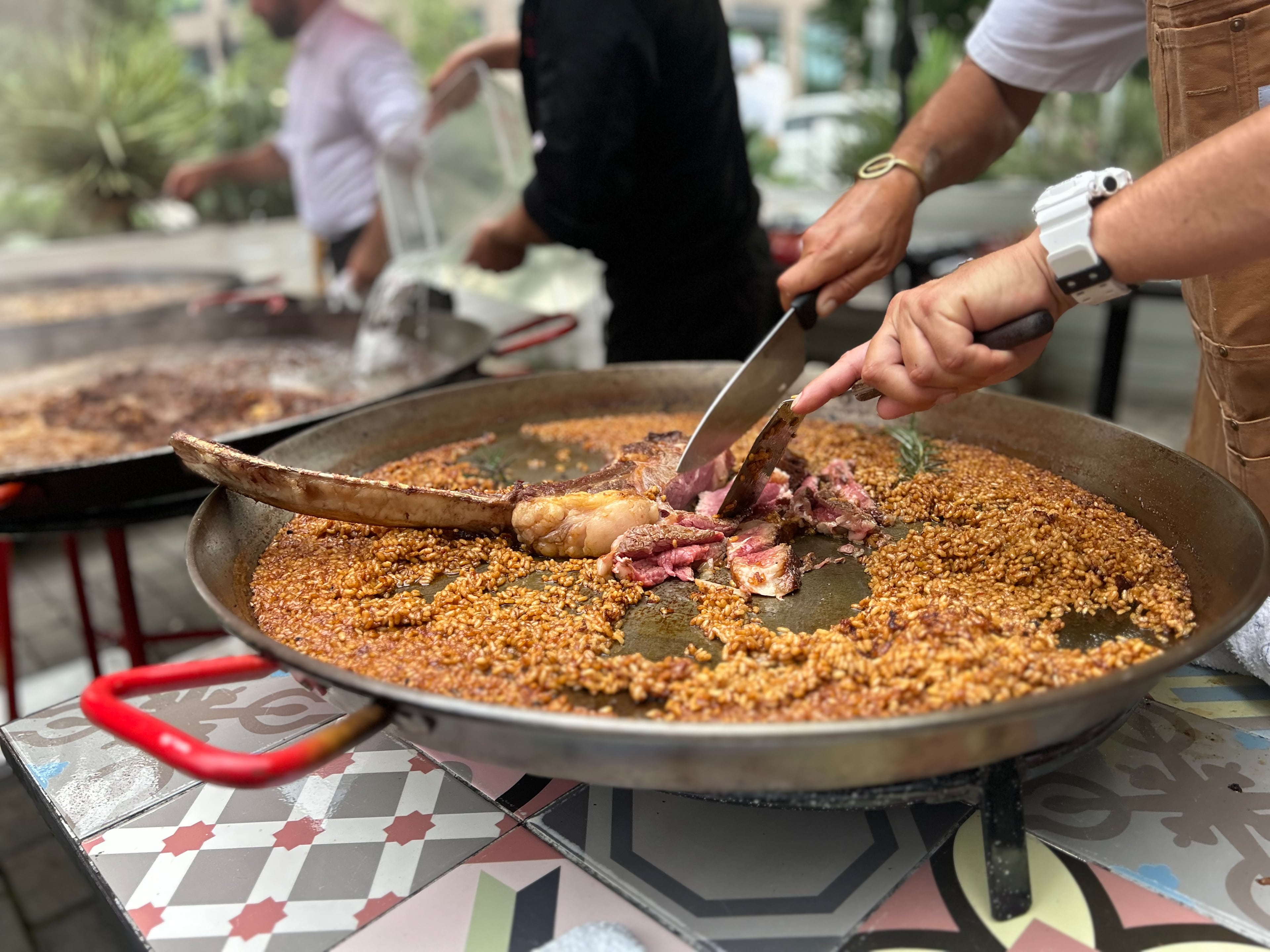
During the demonstration, Torres said through a translator, “A paella doesn’t necessarily need a crispy bottom, or socarrat, but it is prized and people enjoy it.”
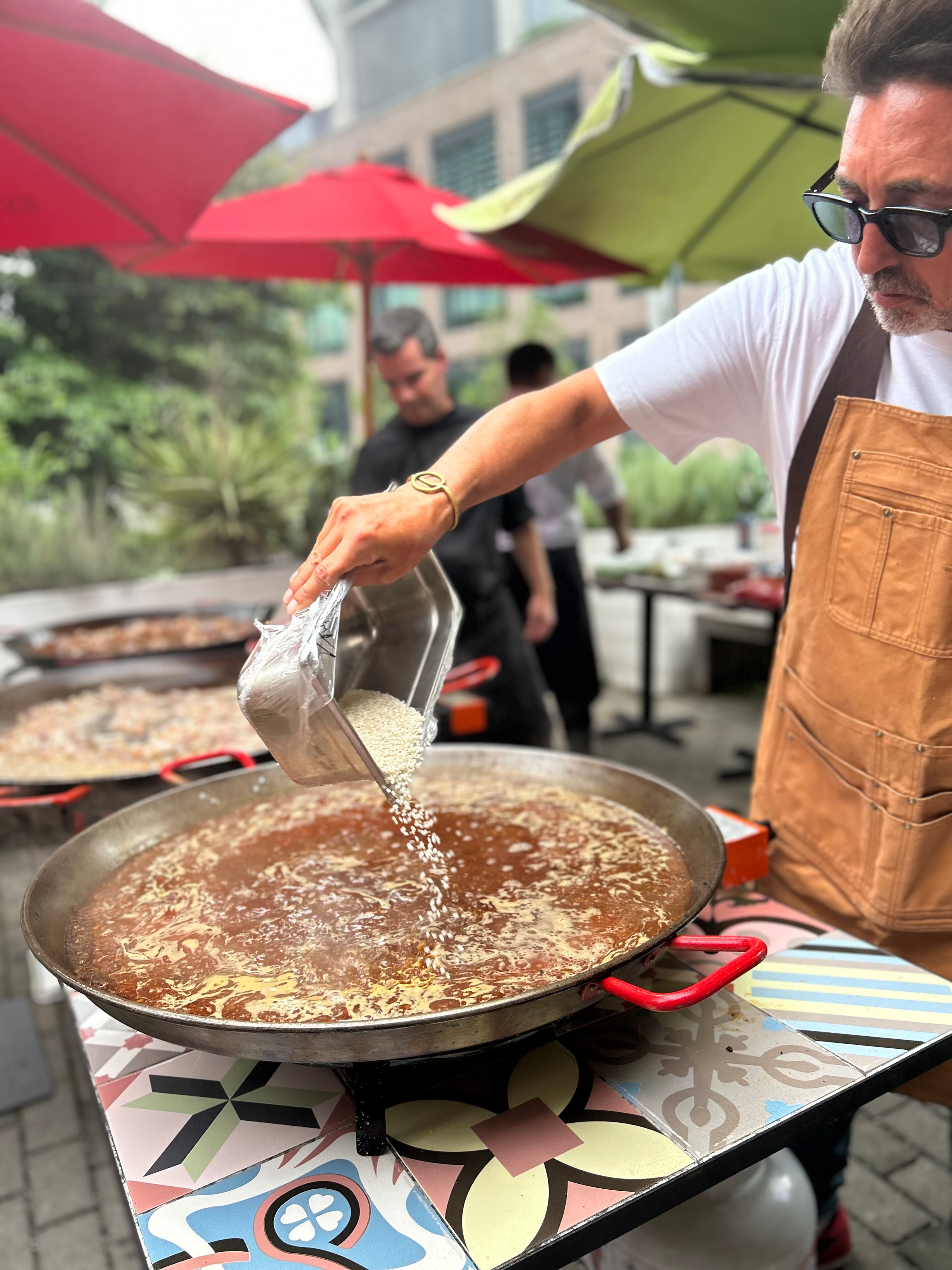
Torres first built a flavorful base (called a sofrito) by searing a tomahawk steak in oil, then removed it before adding aromatics and broth. The rice was sprinkled in an even layer among the meat juices and oil, and remained undisturbed until thoroughly cooked, forming a crispy socarrat underneath. The tomahawk was added back on top at the tail end of the cooking process.
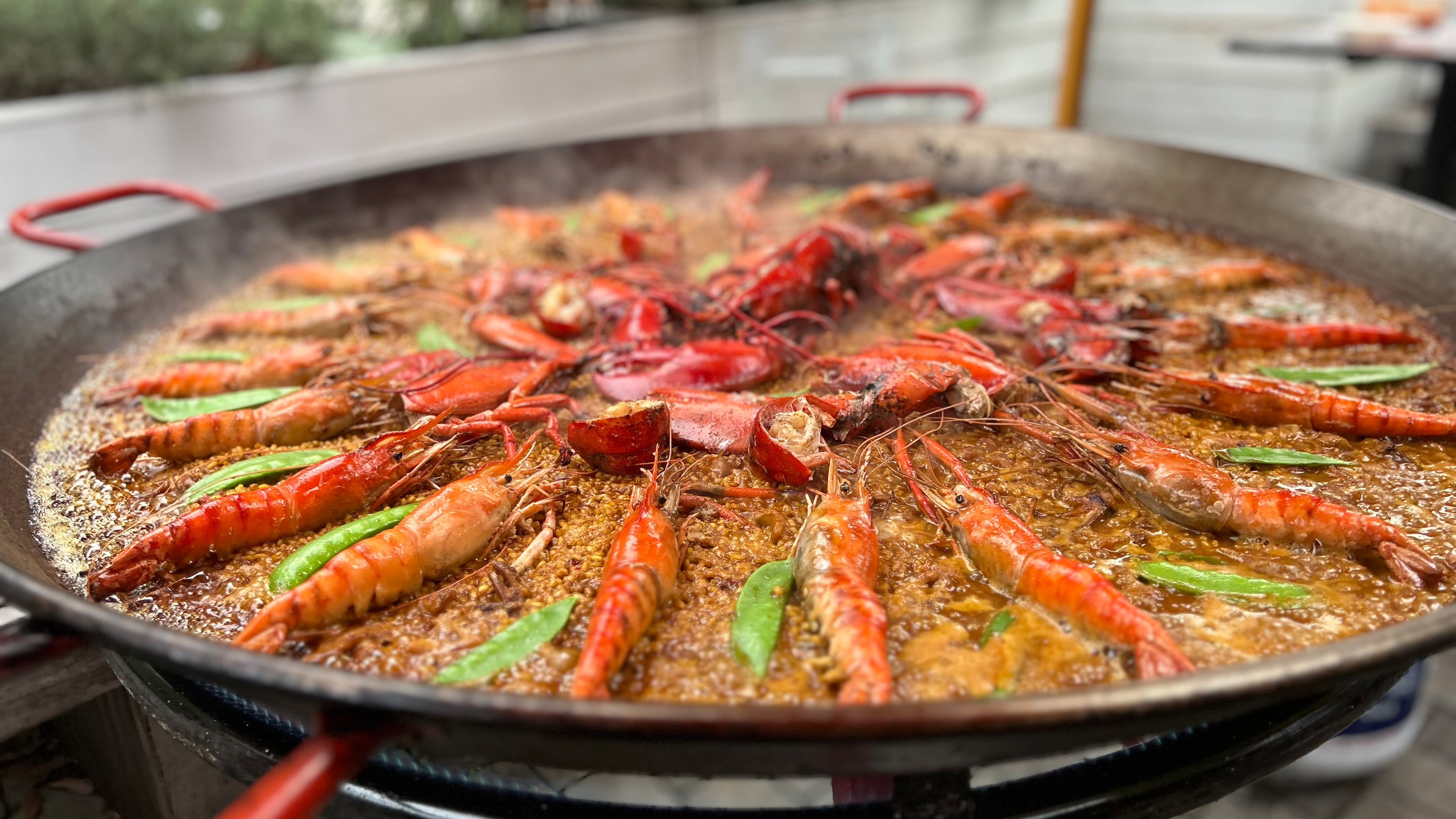
Unlike rice pots, paella pans are wide and shallow, enabling an equal balance of seasoned rice, toppings consisting of various proteins, and, of course, more surface area for the socarrat. The striking presentation is not just for show — in seafood paella, whole prawns and chunks of lobster require different cook times, so they are arranged aesthetically on top of the rice after every individual component is perfectly cooked.
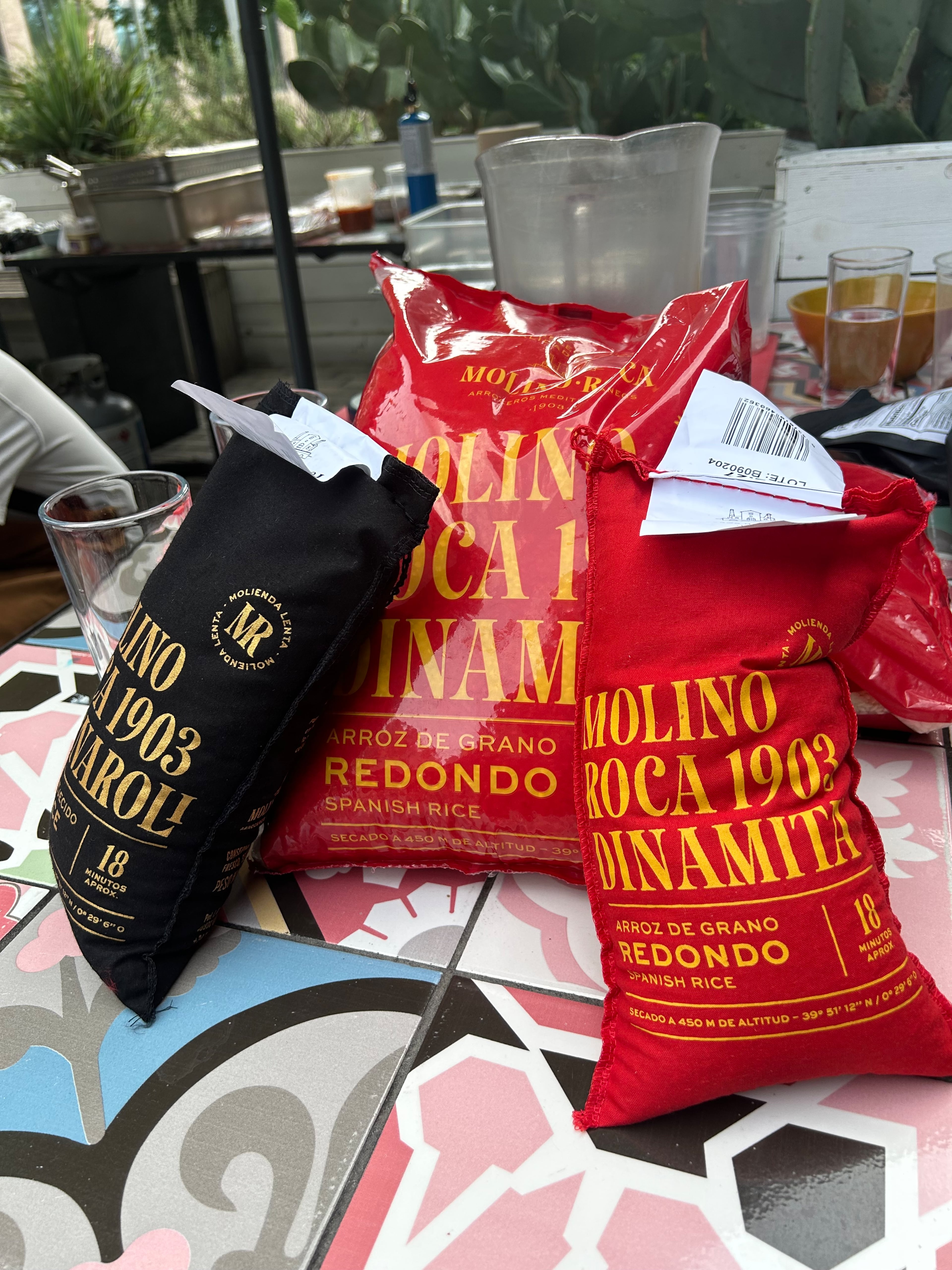
While the 2026 FIFA World Cup festivities have ended, you can still find paella with a nice, crispy socarrat at Buena Vida Tapas Bar. They offer variations featuring seafood, chicken, chorizo or vegetables, all using bomba rice imported from Spain. Bomba is a type of short-grain rice with a high broth absorption rate, making it a great choice for this type of dish.
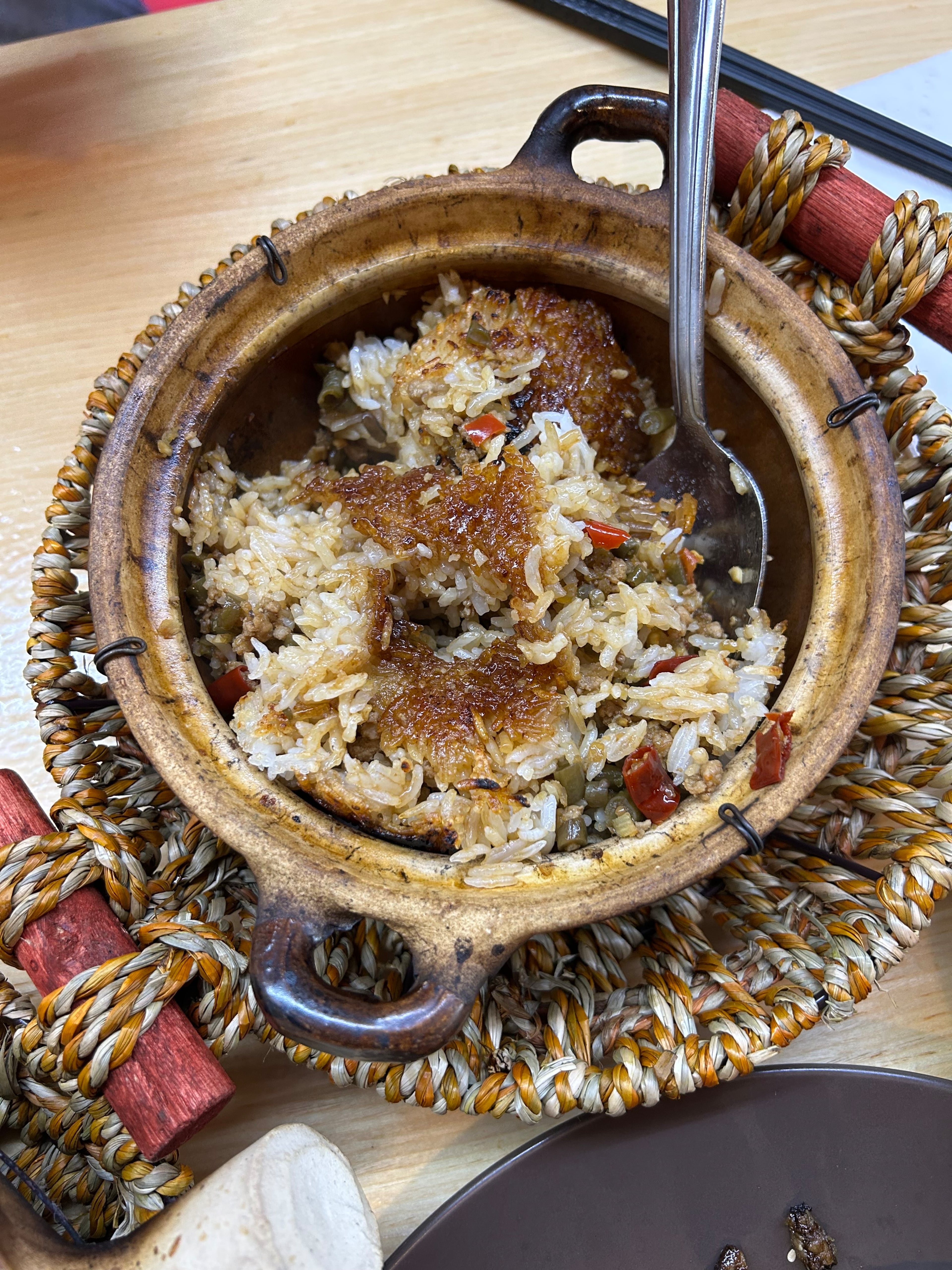
Chinese claypot rice can hold its own at Irritable Claypot
Scorched rice can be a pain for the designated dishwasher after a home-cooked Chinese meal. But with a bit of oil and extra heat from the stove, the “mistake” can become a nutty, crispy and caramelized rice cracker. Unlike paella, which uses considerably more oil, claypot rice uses less to achieve both crispy and fluffy rice. This classic dish is difficult to execute, and because of the old-school method of relying on skill along with as little oil as possible, not many Atlanta restaurants consistently offer claypot rice on their menus. A new restaurant in Chamblee called Irritable Claypot does, putting their twist on the Chinese classic.
“I had claypot rice from my childhood, but also at the same time I wanted to help open a restaurant where the flavors were distinct from each other,” Ethan Natawidjaja, manager of Irritable Claypot, said.
Irritable Claypot’s menu isn’t limited to a specific Chinese region — rather, it’s based on personal taste and feedback from their customers. For example, numbing peppercorns and chile peppers can intertwine with the more subtle flavors of homey Cantonese cuisine. Claypot rice is a mainstay on their unique rotating menu, offered as a side item to the entrees. Right now, you can find claypot rice with toppings such as wok-charred eggplant or spicy chili bean and pork, among others.

Get the real Laotian ‘crispy rice salad’ at So So Fed
Special mention should be given to a popular Laotian dish called nam khao, which was originally made as a practical way to use up leftover rice. This beloved menu item is popular at many Laotian restaurants.
“What makes nam khao so special is the different textures and explosion of flavors,” chef Molli Voraotsady of So So Fed said.
More recently, the dish exploded in popularity on social media, albeit rebranded as ‘crispy rice salad,’ with little to no acknowledgment of its Laotian roots. If you’re looking for the real thing, So So Fed offers one.
“Rice is seasoned with red curry paste and grated coconut, then fried til crispy. Cured pork and lime juice give it a zing. Tons of herbs get tossed in, and it’s eaten like a lettuce wrap,” Voraotsady explained.
You can sometimes find nam khao on So So Fed’s rotating menu, or offered at her pop-up residency at OK Yaki on Sundays and Mondays.

Tahdig adds dramatic flair to any Persian meal
Persian scorched rice, called tahdig, differs from other variations in that they incorporate butter rather than just oil to crisp it up. Bloomed saffron water is added to par-cooked rice, which gives it a bright and vibrant yellow crust.
At Persian restaurant Delbar, everyone gets tahdig (which literally translates as “bottom of the pot”) with their rice dish. Variations include the addition of sliced potatoes, as in this recipe. Tahdig also has one of the more striking presentations — the rice pot is inverted onto a plate, showing off the crispy, golden crust in its cake-shaped entirety.
Nurungji in three different Korean dishes
There are two variations of Korean bibimbap, but only the version cooked in a dolsot (stone bowl) creates the nurungji, or crispy rice on the bottom. At Tofu Village in Marietta, the stone pot is brushed with a thin layer of sesame oil before the rice is added, giving it a nutty flavor. Meat and veggies are then piled on top, and the rice comes out sizzling with theatrics similar to a Chili’s fajita platter. A raw egg topper cooks from the residual heat as the customer stirs it in, tying the ingredients together.
Although dolsot bibimbap may be more well-known, two other variations of nurungji can be enjoyed in metro Atlanta. Kuquio in Duluth offers Korean rotisserie chicken atop a sizzling platter of crispy garlic rice, ordered as a shared platter. The sotbap (sizzling rice) at Suwanee’s Bally Budaejjigae brings the crispy rice full circle. A kettle of water is poured into metal bowls of uneaten crispy rice at the end of the meal, which is heated on a burner at the table, turning into a comforting rice porridge. While it seems counterintuitive to wet the dried rice, sotbap is a perfect way to balance a heavy meal.