When it comes to dumplings, don’t be a hack

Has your social media feed been taken over by so-called viral dumpling cooking hacks?
Dumplings have become the victim of the latest round of cooking shortcuts that claim to be easier and faster than the original technique. Deconstructed dumpling lasagnas and no-fold skillet wontons are taking the place of slow-cooker barbecue and single-pan “dump” meals.
At their worst, these cooking hacks produce an inferior result without being much easier than the original method. And, even at their best, most shortcuts strip the original dish of its integrity.
For home cooks who want to replicate the flavors of their favorite dumplings, it’s daunting to attempt the real thing. Videos of deft hands expertly folding delicate xiao long baos with an equal and uniform number of pleats intimidate even the most experienced chefs.
The best way to confront that fear is exposure therapy — in this case, eating your way through Atlanta’s diverse and abundant dumpling scene. At some of the metro area’s top spots for dumplings, diners can watch cooks make them in real time or chat directly with the chefs about their methods.
Tasting dumplings from a variety of different cultures will give you an idea about which styles to try at home, while seeing all the different techniques will make handmade dumplings feel more attainable.
As the chef of Soupbelly, I make an average of 2,000 dumplings per month and have taught dozens of dumpling classes. Here are some lessons I’ve learned along the way, as well as restaurants and chefs offering scratch-made dumplings that bring those lessons to life.
Lesson 1: Handmade dumplings require time and patience
Usually, there is an expectation that fast-casual restaurants will offer quicker service than a sit-down restaurant, but at Handmade Dumplings and Noodles in Marietta, the cashier will explain that there is usually a 15-minute wait since each dumpling is made to order. As the restaurant’s website says, “Every dumpling is meticulously crafted by hand.”
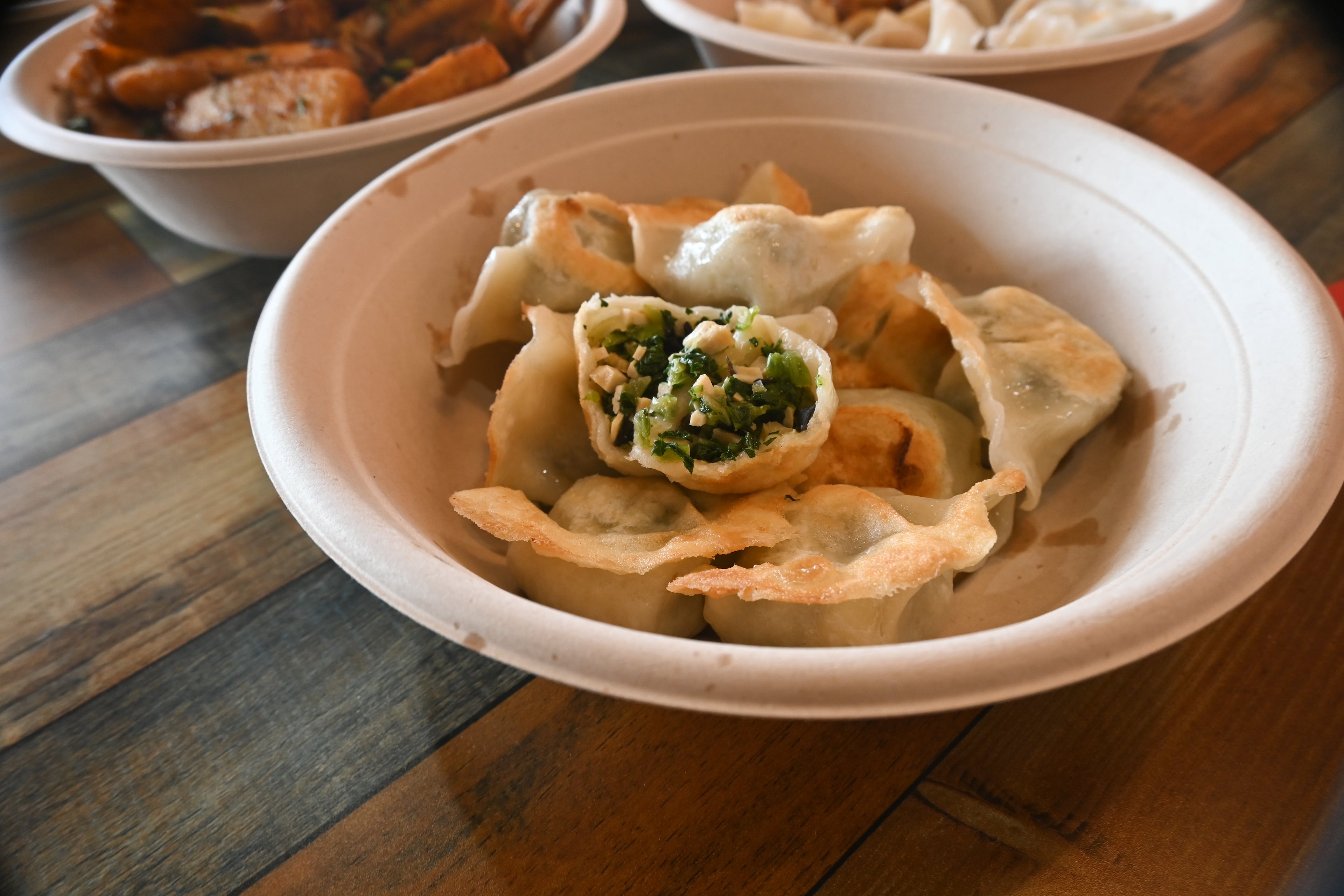
The same goes for Bao Gogo, a sit-down restaurant in Buckhead, where xiao long baos are made to order. Servers here usually advise diners about a 15- to 20-minute wait after ordering one of the many varieties of xiao long baos.
The wait time isn’t that long in comparison to most restaurants, but the warnings lessen misunderstandings in Asian places where many wok-fried dishes can be served relatively fast.
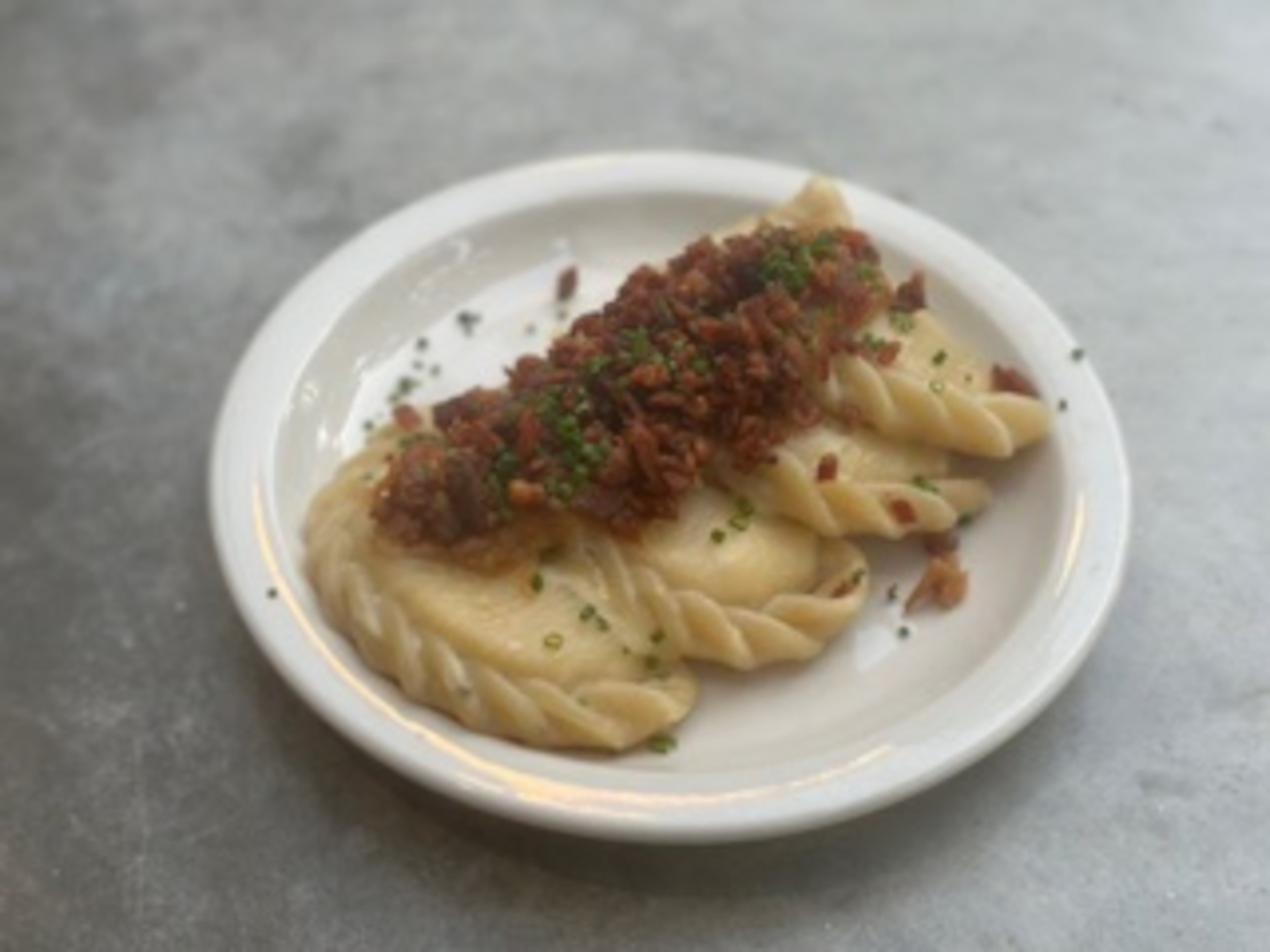
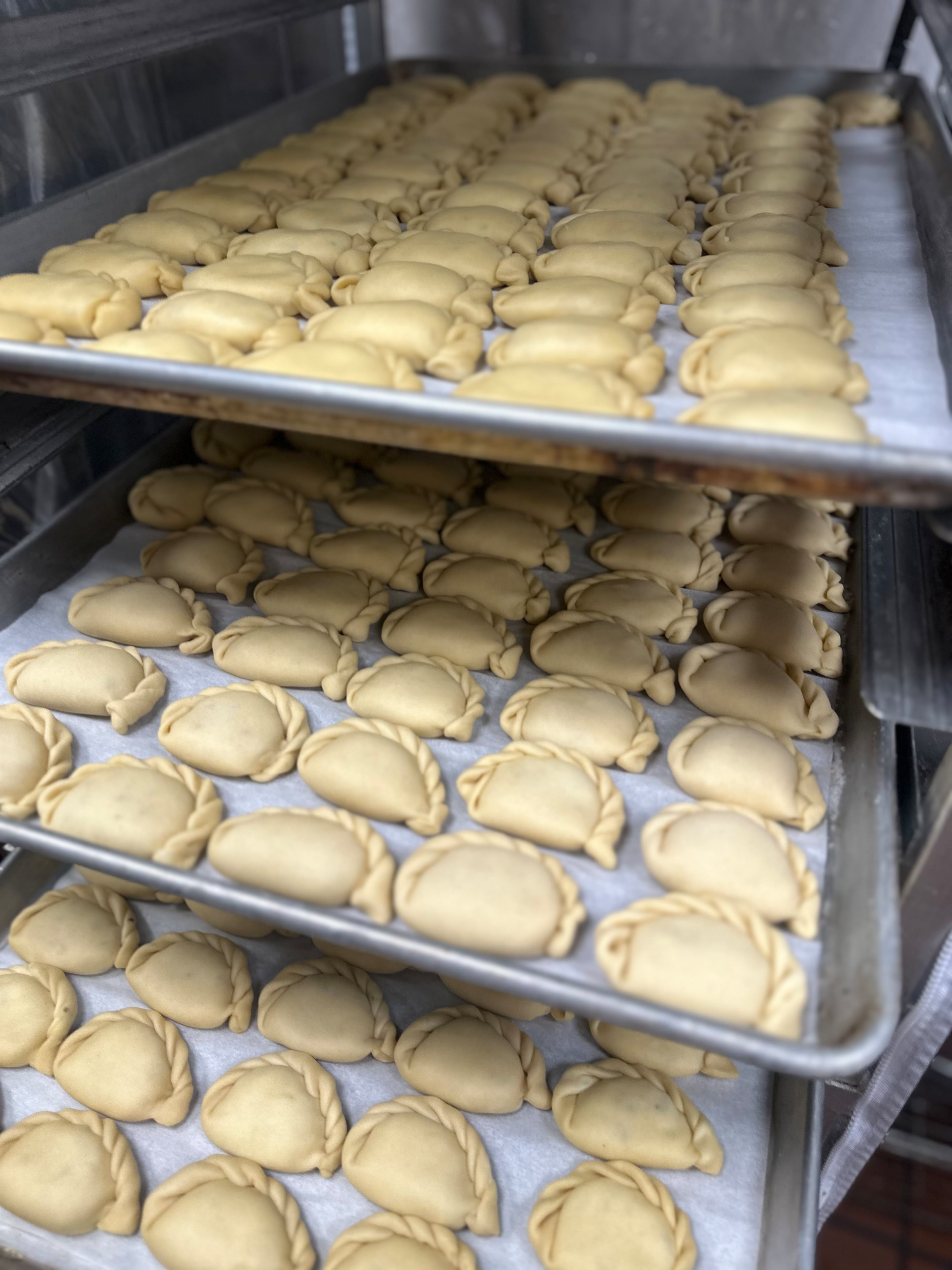
The process of making certain dumplings is measured not in minutes, but days. Chef Basia Piechoczek, owner of Polish pop-up Beksa Lala, lovingly makes an average of about 300 pierogi per batch over a three-day process.
“It is a very traditional recipe, and I’m doing it the way it should be done. We make the dough and filling on day one. Day two is rolling out and punching rounds. And the third day is exclusively making dumplings,” Piechoczek explained in an interview with The Atlanta Journal-Constitution.
Piechoczek said she doesn’t take shortcuts because her customers genuinely appreciate the quality of her pierogi — it’s not flour-forward like the store-bought, frozen types; they can taste the sour cream and butter in the dough.
Lesson 2: Dumplings start with the dough
Not all dumpling dough is the same; each type of dough caters to a specific cooking process.
For most Southern Chinese-style dumplings and those typically offered during dim sum, hot-water doughs create wrappers that are stretchier and more pliable, enabling them to be rolled out thinner than other types.
Har gow, or steamed, shrimp-filled dumplings, use a wheat and tapioca starch blend combined with boiling water for their dough. Once steamed, it becomes beautifully translucent, which puts the focus on the fresh shrimp filling, as seafood is the main attraction for Southern Chinese-style dumplings.
Recent dumpling hacks have offered a shortcut using packaged spring roll rice papers, which look similar but are very chewy — not a close approximation to the prized texture and flavor for which har gow is known.

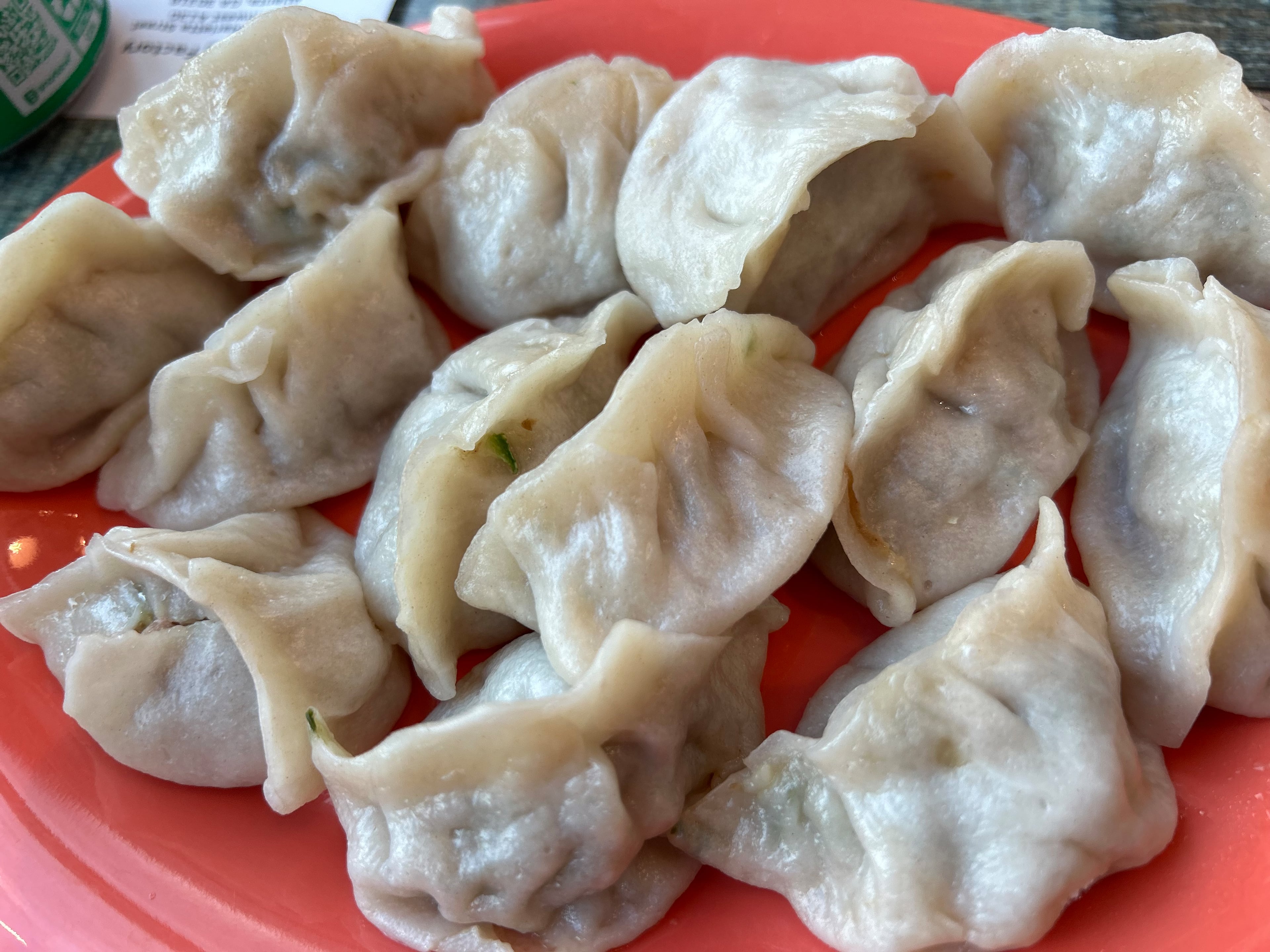
Cold-water doughs allow for the gluten development needed to endure rigorous boiling, as seen in the dumplings at Northern China Eatery.
Northern-style dumplings are also more robust in comparison to Southern-style dim sum in order to withstand heartier fillings such as pork and napa cabbage, or shrimp, pork and Chinese chive.
Piechoczek’s pierogies rely on dough that incorporates plenty of dairy.
“(The dough) needs to rest because it has so much fat from butter and sour cream, so it melts easily and needs to be very cold,” she said. The dough must rely on Piechoczek’s crimping technique, which brings us to the next lesson.
Equal respect is given to the filling, like the use of farmer’s cheese rather than opting for the shredded cheddar in her house pierogi. The dough is not just a vehicle for the filling, and intention is apparent in both the process and the dumplings themselves.
Lesson 3: Pleats are always in style for dumplings
Pleats in the dough are not just for aesthetics, even though they make for some beautiful-looking dumplings across all cuisines.
“The folds are cute, but they’re reinforcements,” Piechoczek told the AJC.
Every pleat is intentional. For Beksa Lala, pierogi are sealed with a braided pleat to prevent the filling from escaping during the cooking process.
“If I just pinched them without giving the braid, they look bigger, but it’s added insurance so it doesn’t fall apart,” Piechoczek explained.
At Northern China Eatery, dumplings are pinched shut rather than pleated. The process for northern-style Chinese dumplings focuses on speed and durability, with less attention on intricate pleats. This enables the kitchen to pump out 1,000-2,000 dumplings and baos each day, according to an excerpt from the city of Doraville’s spotlight story.
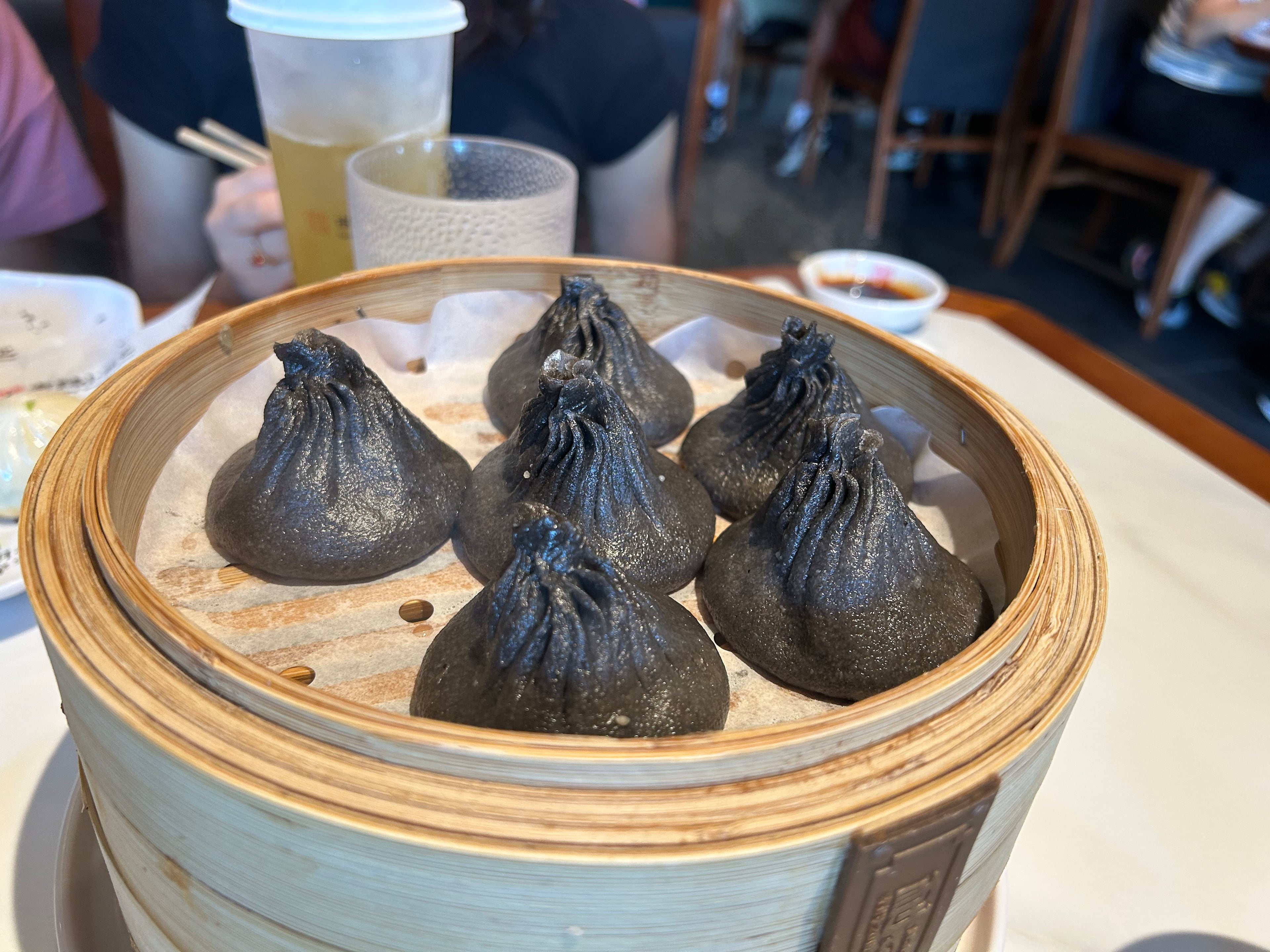
One of the most intricately pleated types of dumplings is the Shanghainese xiao long bao. Xiao long bao wrappers are slightly thicker in the center and thinner toward the edges. The thick base prevents leakage, providing the structural integrity required to hold the pork aspic filling as it melts into a soup, while thinner edges enable more delicate pleats. A dead giveaway for handmade xiao long bao is the top knot that forms when the dumpling is twisted and pinched shut, making it easy to pick up with chopsticks.
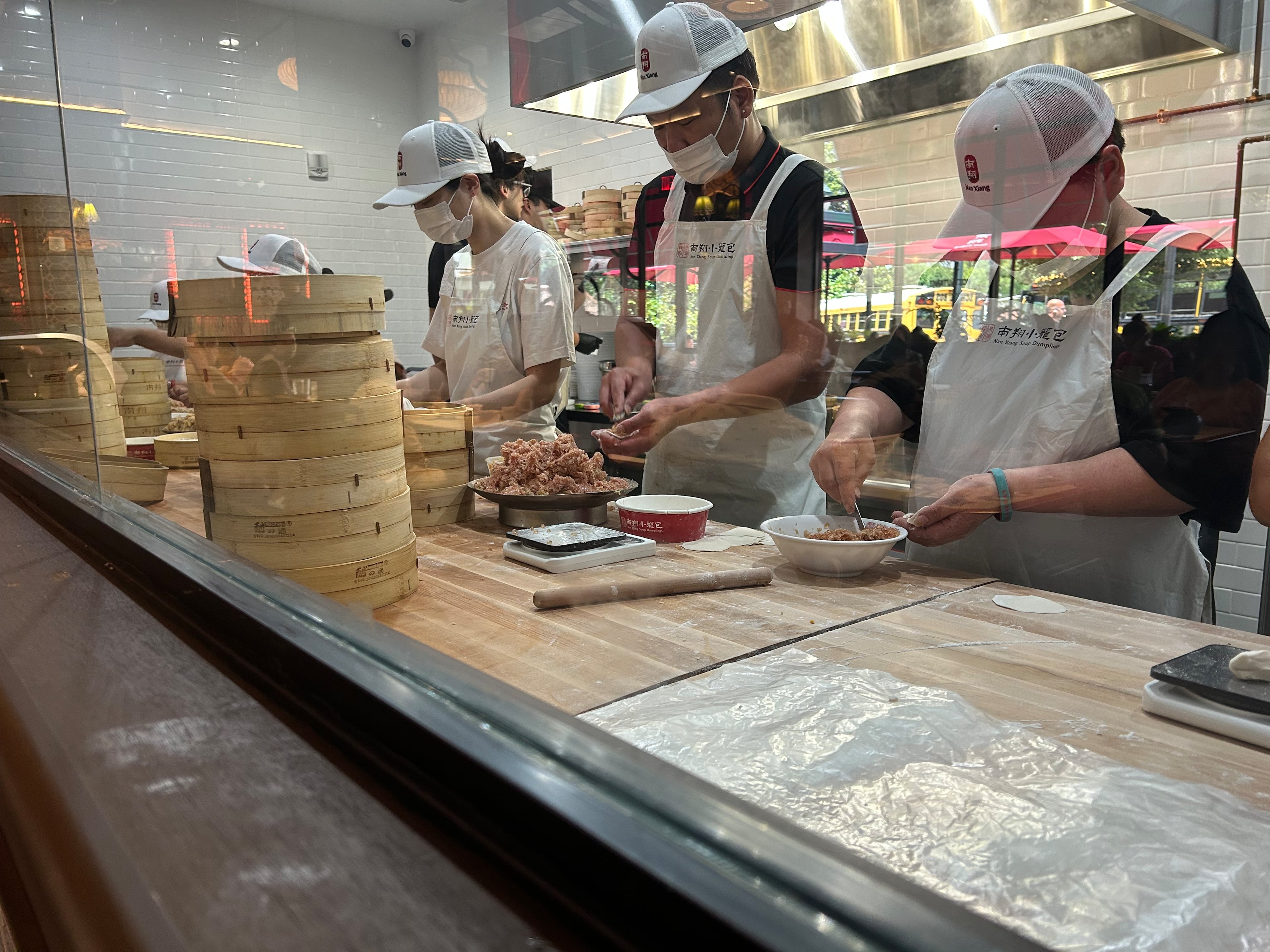
The open kitchen at newly opened Nan Xiang Soup Dumplings in the Mall of Georgia lets customers watch the xiao long bao process. Their trained chefs specialize in the Shanghainese tradition of dumpling folding, which specifies 18 pleats in each dumpling.
Lesson 4: Dumpling fillings combine craft and creativity
Creating a dumpling’s filling may seem like the more difficult part of the process, but as long as the chefs master the dough, pleats and cooking techniques, the filling is the fun and easy part.
Dumpling fillings are relatively forgiving to make; they don’t need to be pretty, and the neutral flavor of the wrapper allows for nearly any flavor combination.
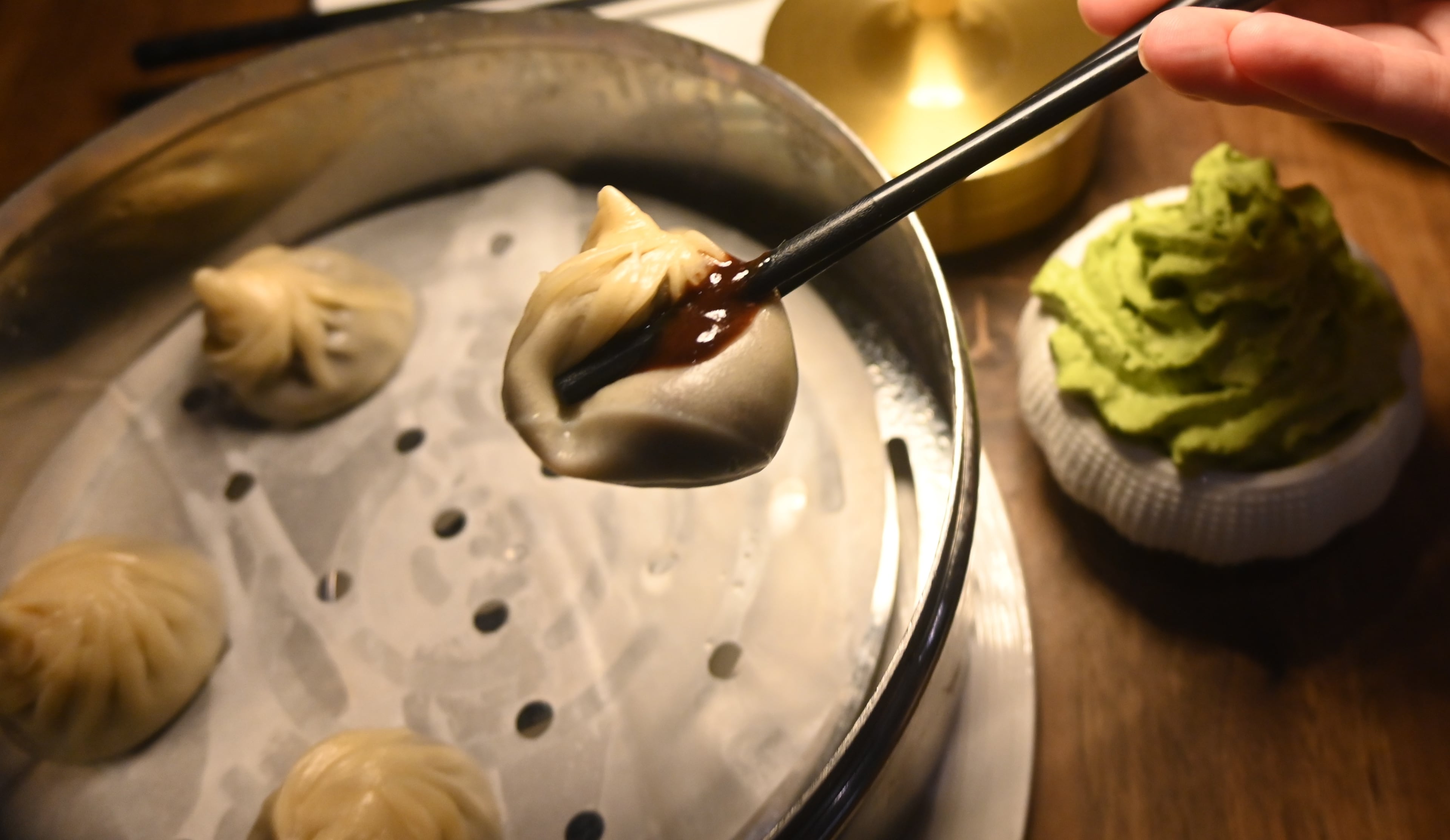
The ingredients in a filling should be well-integrated with a good amount of fat for cohesiveness. The filling will provide the dish’s flavor, so it should be properly seasoned, with a texture that’s not too watery or dry. Once those checkpoints are met, cooks can feel free to experiment, whether they make their own unique interpretations of classics or create entirely new dumpling varieties.

ToreOre Chicken and Joy, also known as Mandoo Restaurant, is a Korean food stall inside Suwanee’s Super H-Mart offering dozens of varieties of dumplings. The signage in their storefront boasts 30 years of culinary expertise, enabling them to offer 40 types of dumplings made by various methods such as steaming, pan-frying or in soups or stews with your choice of filling like beef, kimchi or shrimp.
In Alpharetta’s Laghman Express, Uzbek dumplings called manti are filled with minced lamb and onion, with a fish-tailed top pleat to hold it together, all overstuffed and the size of your hand.
Kitchen Master in Suwanee not only offers a variety of savory xiao long baos, but a dessert XLB filled with chocolate.
Lesson 5: Symbolism in dumpling shapes and traditions
In China, dumplings symbolize wealth and prosperity; a variety called jiaozi are shaped to look like gold and silver ingots. And, while dumplings are eaten all year round, they are especially plentiful on celebratory tables during the Lunar New Year.
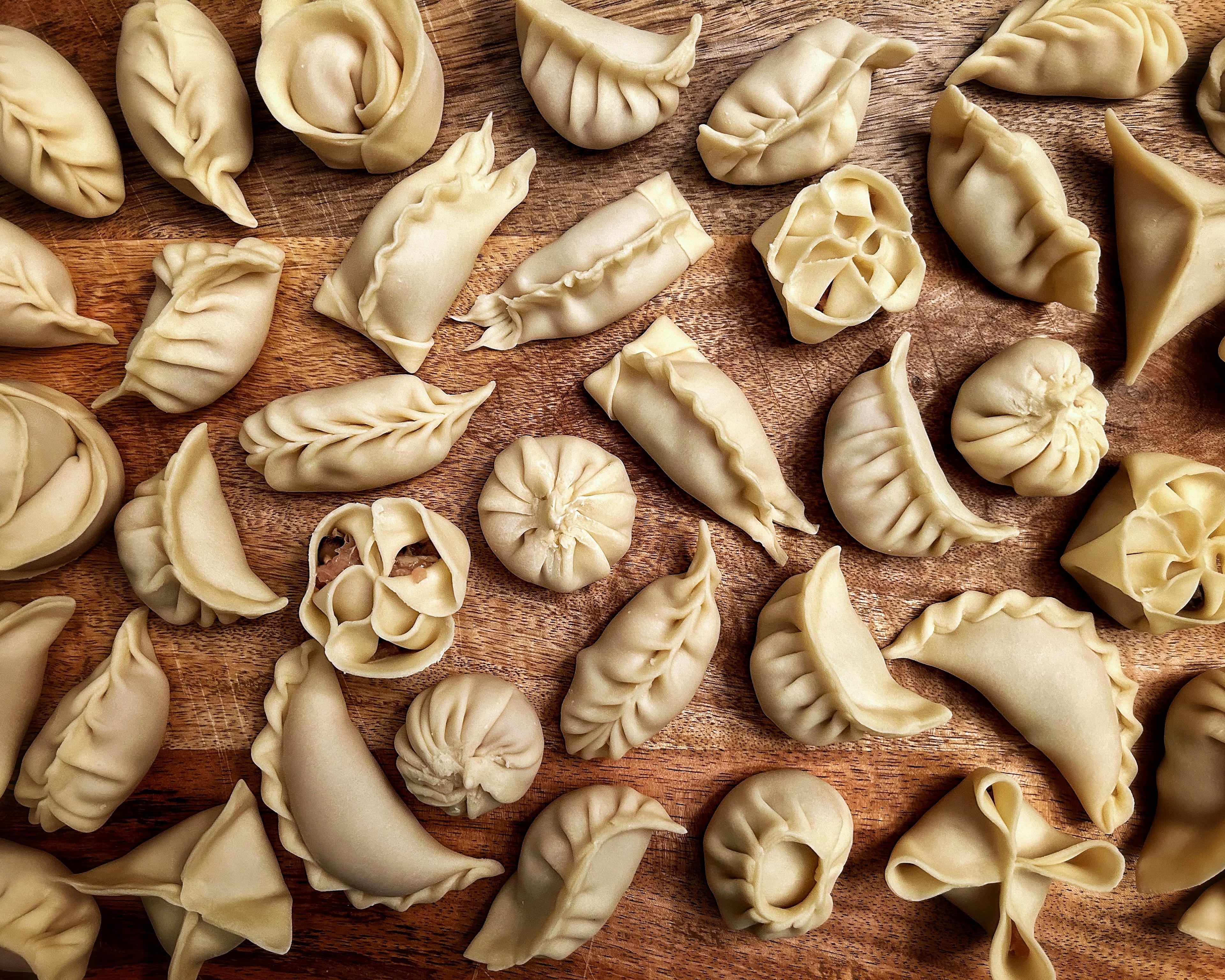
The pleats in many Chinese dumplings aren’t just for structural integrity or a show of skill — they ensure a tight seal so your fortune doesn’t spill out. The more pleats there are, the sturdier the dumpling, and the more money you will receive or retain. And pleats don’t have to be the same — creative folds and shapes help differentiate one variety from another.
Pierogi are symbolic of Polish heritage; the process itself signifies hard work, community and family, and the specific use of traditional ingredients shows the importance of preserving Polish culture no matter where the cook may live.

These lessons can’t cover every type of dumpling, and there are many more places to find great examples in metro Atlanta. Some might inspire you to attempt to make your own dumplings at home.
While time-saving hacks can be tempting, consider the idea that making dumplings by hand, however imperfect they might be, is a worthwhile pursuit.
The exercise will help any cook better appreciate the restaurants and chefs showcasing years of mastery and dedication to the craft. And the act of working slowly to preserve tradition can be a quiet form of resistance against a fast-moving world where automation and shortcuts erase not only half the processes or ingredients, but the cultures they take from.