John Portman retrospective: "I'm not a look-back guy"
While mayors come and go, John Portman is forever. Thus it was, with the air of a host guiding a weekend visitor on a brief tour of the grounds, that Portman walked Atlanta mayor Shirley Franklin through the High Museum this week, exploring three floors of models, drawings, paintings, sculpture and photographs detailing the career of the architect who, in a large measure, built this city.
"Spectacular," said Franklin. "What a contribution."
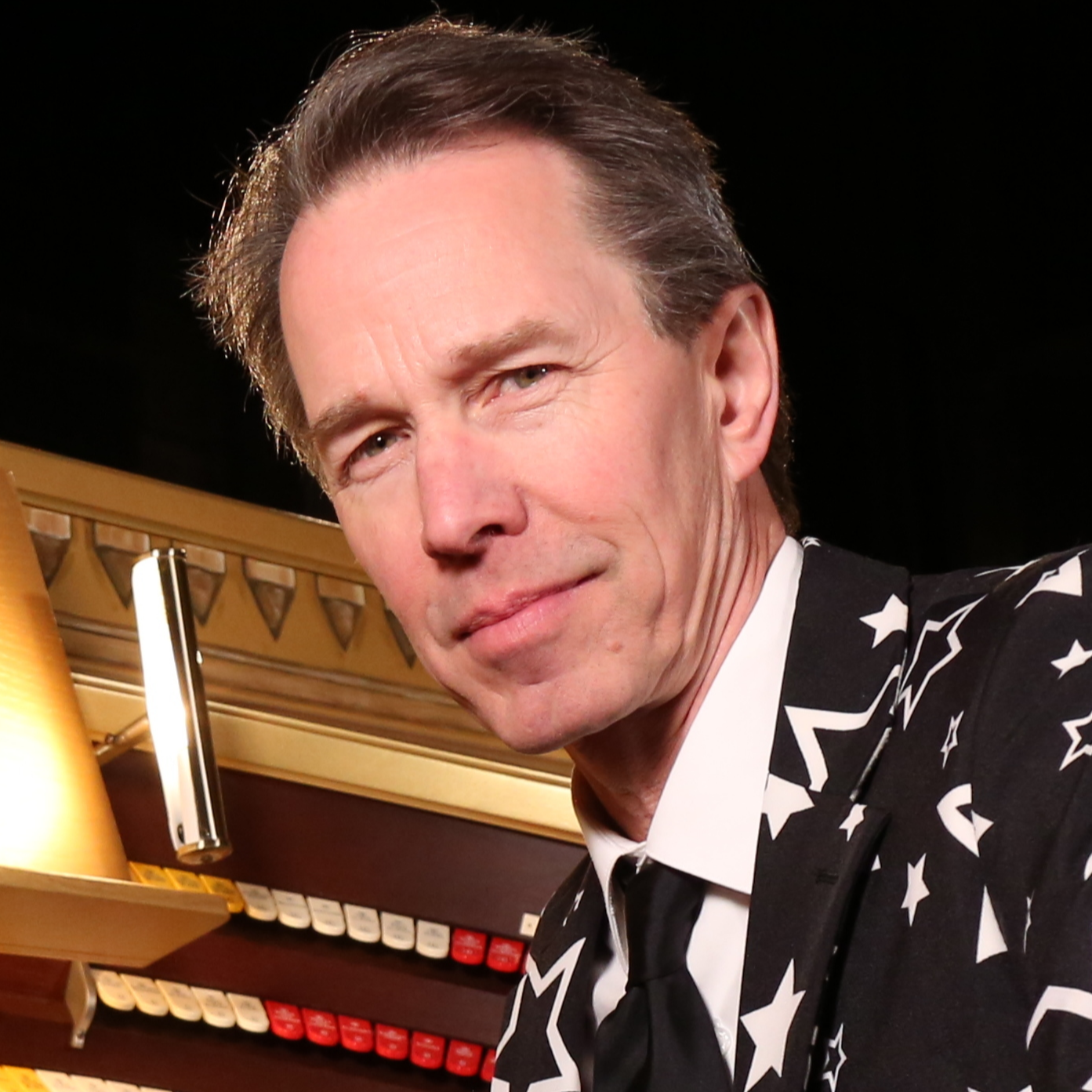
"I like that word," said Portman, his saffron-tinted hair moussed into the familiar Portman pompadour.
"Which one?"
"Both," said Portman. "Contribution and spectacular."
The exhibit, which opens Saturday, includes views and models of 15 architectural projects, including some vastly ambitious works yet to be completed, such as the Songdo Landmark City master plan, a 1,500-acre project in South Korea that will include the world's second tallest building.
A clever animated display shows the dense accumulation of Portman buildings downtown that began with the precedent-setting Hyatt Regency hotel, which in 1967 inaugurated the era of the atrium-centered hotel.
Also on display are dozens of works of art, including numerous sculptures and at least 30 paintings, drawn from a body of non-architectural work that Portman, 84, has been generating since the 1980s. The paintings included many abstracts densely inscribed with curving black lines, the enclosed spaces filled with repeating patterns of color.
The sculptures tended toward abstracted human shapes in solid Henry Moore-ish blocks or airy folded forms.
As an invited audience (including Franklin) waited to preview the exhibition, Portman kept his remarks brief: "There are three floors over there that talk for me, in silence. I hope you enjoy it."
Sitting down after the quick preview, Portman seemed still reluctant to reveal much about the personal insights that the retrospective might have sparked.
On whether he thought the retrospective was a good idea:
I was a bag of mixed emotions, because it’s kind of walking through the diary of my life and I’d never done that before. It forced me to revisit and I’m too young to go into nostalgia.
On what it was like seeing all his major work in one place:
In a way it’s kind of shocking. ... I was kind of forced to look back. I’m not a look-back guy. I’m always focused on what I’m doing and what I’m going to do next. If it hadn’t been for [High Museum's director] Michael Shapiro, I probably would never have done this.
On what he learned about himself in the process:
It's kind of a handwriting of spirit. And after all, that’s what art is anyway. It’s an expression of one’s spirit intervening.
On being the developer as well as the architect on many of his projects:
There is nothing that will bring you down to earth faster than signing the back of a note at the bank.
On whether he's ever lost money on any of his developments:
The real estate development business is one that goes like this: It has its ups and downs, hills and valleys. The trick is to stay on top of the hills and avoid the valleys.
On how his newer buildings fare against his old ones, when erected side-by-side, as with the Hyatt Regency and Peachtree Center:
What I try to do is think in terms of timelessness. If you go to the hill towns of Italy, you go to some of these old cities and look at them, they're still vibrant, they're still wonderful. ... How do we capture that in the modern era? I've discovered that [as in] Haussman's plan for Paris, it was a commonality of materials, a commonality of scale, a consideration of open space and a consideration of how people will actually use it.
On the atrium hotel design:
As we began to build, our society has increased its level of anxiety. The anxiety curve is going like this. I wanted to do something that was completely the opposite of the urban hotel. ... I wanted to blow all that up and create a sense of space and get a relief from anxiety, so you come out of this traffic and you come into this -- oh, my God -- and it's filled with nature and light and space. And it was a release from anxiety.
On the criticism that his designs are fortresses, walled off from the street traffic:
You have to think in terms of your city in America and the kind of lifestyle that we have. ... Yes, I’ve been accused of building these interior things and I plead guilty. ... But back in the old days, in New York, they all lived in the street; the street was the living room. ... Right now we have a society where you can’t walk anywhere.
On whether there are any blank places on the walls back at home, where the paintings from the current exhibition once hung:
Absolutely not. [I’ve got] storerooms [full]. It’s been a long time. If you can’t keep from being busy, that’s what happens. I have 360-something paintings. This is less than 10 percent.
About the Author