Healthcare provides a shot in the arm to Atlanta’s office market

Some jobs can’t be done remotely.
Many people, from accountants to Zumba instructors, got a taste of working from home amid the COVID-19 pandemic.
But aside from the expansion of telehealth services, healthcare workers were mostly in-person when on the clock. Years later, that gap is still evident when looking at medical office space compared with the broader market.
Only about 6.5% of medical office space in metro Atlanta was available to rent at the end of September, near a record-low, according to data from commercial real estate firm Lee & Associates. That pales in comparison to the traditional office market, which is nearly 30%.

Channing McLeod, healthcare market leader for Georgia at McMillan Pazdan Smith Architecture, said that gap isn’t surprising, especially given the sophisticated real estate operations of healthcare systems. He said where — and why — healthcare providers make their workplace investments boils down to one thing.
“It sounds kind of crass, but a lot of healthcare is following the money,” he said. “Insurance companies reimburse outpatient services at a more profitable rate than inpatient services.”
The outpatient boom, where more services and treatments are offered outside of traditional hospital rooms, is driving a lot of investment in the Atlanta area. Outpatient care is growing three times faster nationwide than inpatient services, according to a report earlier this year from healthcare services company Vizient.

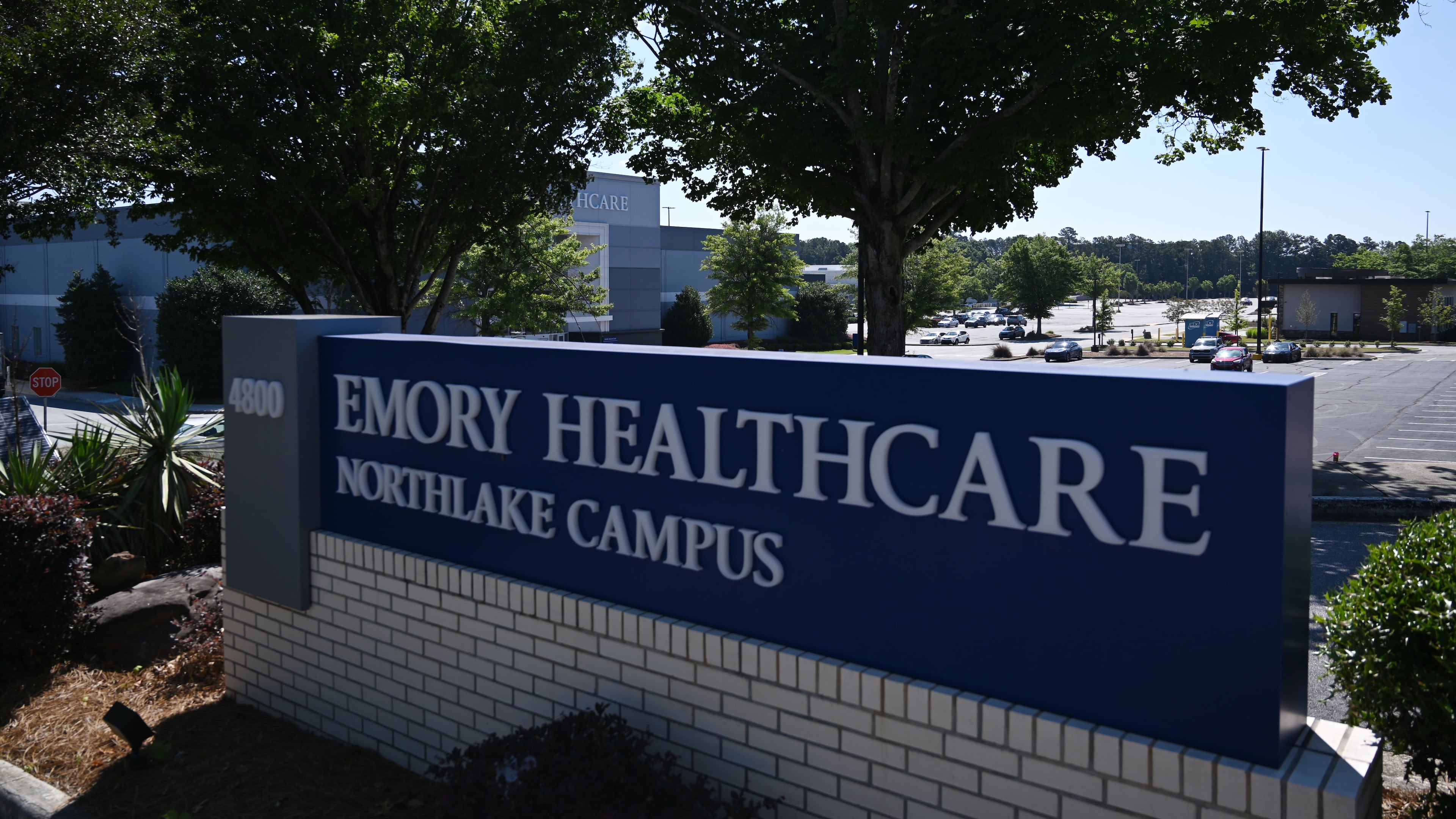
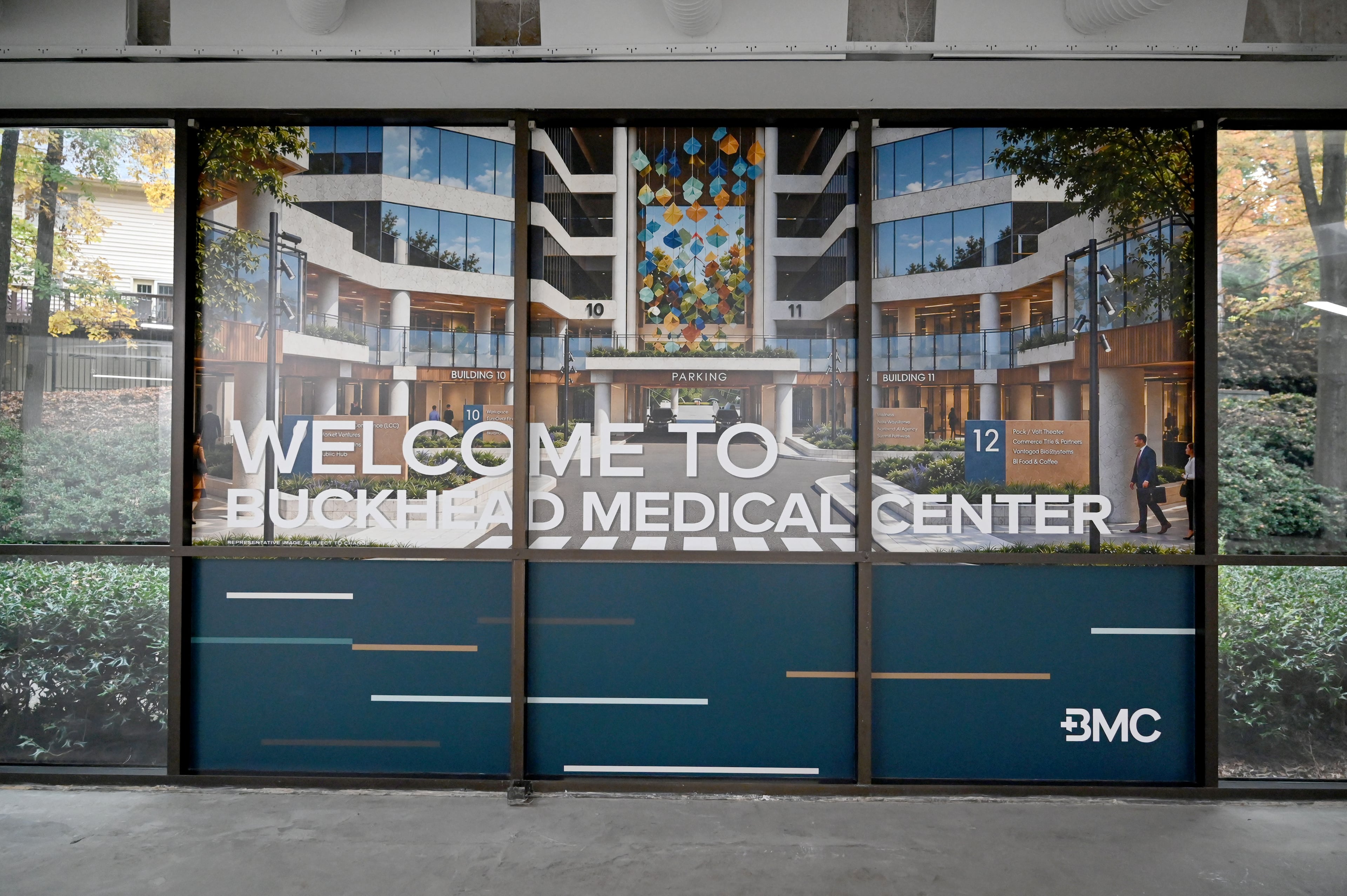
Emory Healthcare is slated to turn Northlake Mall into a medical office campus. Developer CP Group is transforming part of the 14-building Piedmont Center office campus in Buckhead into medical offices. And in the northern suburbs, Ryan Cos. is pursuing new medical office developments in Canton and Woodstock to tap into Cherokee County’s healthcare ecosystem.
That investment has skewed to more affluent communities where a greater percentage of patients are insured and there are fewer risks of uninsured patients unable to pay for care. McLeod called them “health deserts,” comparing them to food deserts or neighborhoods that lack fresh groceries.

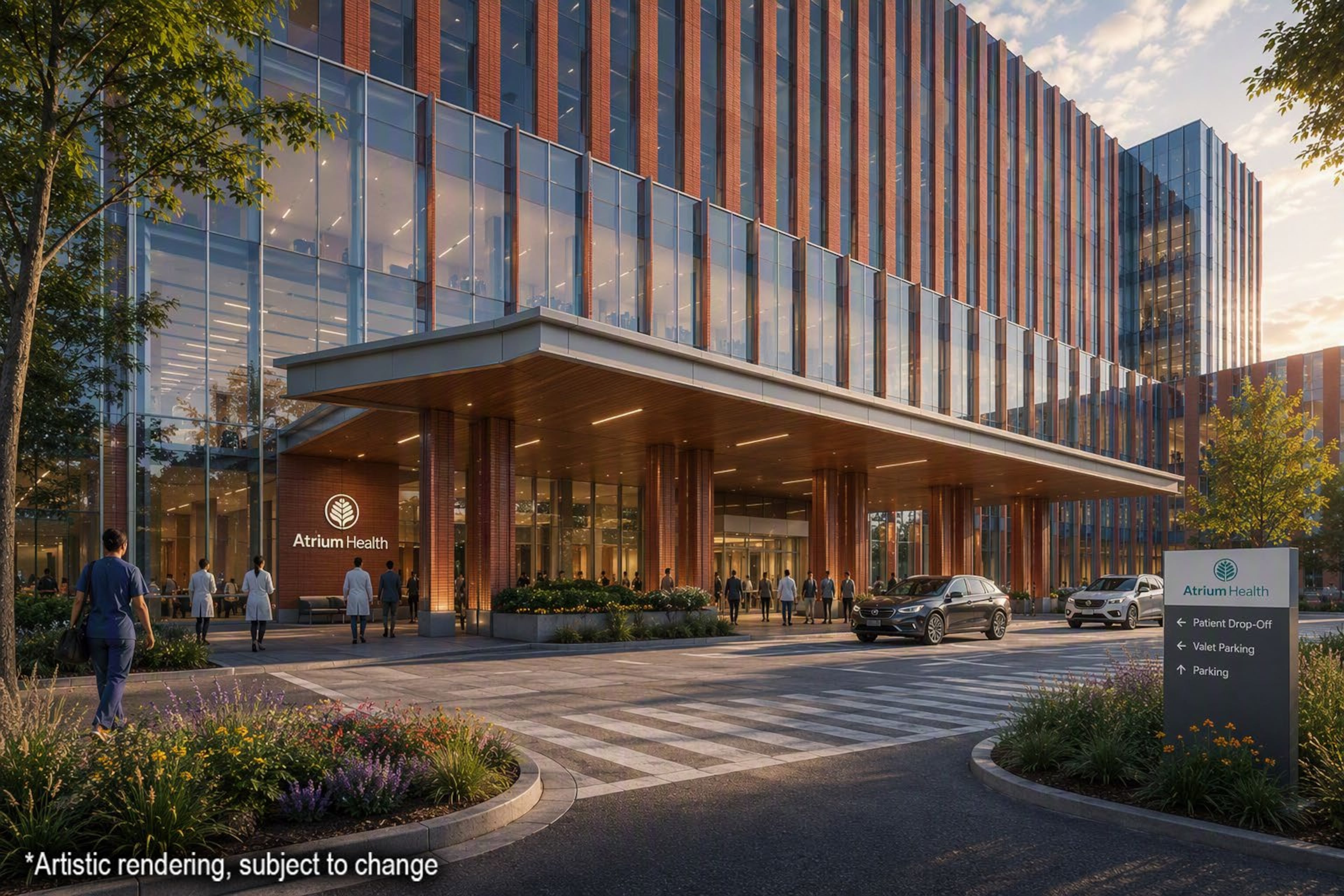
That dichotomy was top of mind in 2022 when Atlanta Medical Center closed, leaving the city with only one Level One trauma center at Grady Memorial Hospital. That experience is partly informing the strategy of Atlanta leaders as they support a planned $700 million hospital south of I-20 by Atrium Health and the Morehouse School of Medicine. State officials Monday also broke ground on a $400 million-plus psychiatric hospital in south DeKalb County, another area historically lacking large healthcare projects.
McLeod said those kind of investments aren’t made lightly.
“They have their own strategists,” McLeod said. “They are tracking population data. They are tracking medical cases, loads, ED (emergency department) visit numbers, all of that stuff,” he said. “And that informs a lot of their decision-making.”
Those factors also have to endure the passage of time, both from a patient payer perspective and from the medical services offered at the planned facility. Outpatient services now capture a larger portion of treatments, meaning hospitals are frequently reserved for more serious operations that require intensive care.
“The patients that are in hospitals are actually sicker,” McLeod said. “That means the investment is bigger because it takes more to build an ICU (intensive care unit) than it does to build just a regular hospital bed. … Hospitals are buildings that are in place for typically 50 to 100 years, some even longer.”

Chris Eachus, founding partner of CP Group, which owns Piedmont Center in Buckhead, said medical conversions are becoming more attractive for traditional office building owners. In some markets, medical office rents are more expensive than traditional rents, and the post-COVID office market has favored medical office in other ways.
“One gating factor in the past that always stopped people from doing it was that the TI (tenant improvements) on medical deals were enormous,” Eachus said, referring to how much landlords are willing to pay to build out an office tenant’s space as a perk. “But now the TI on office deals are enormous. When we look at them now, both are about the same.”
Many companies are still developing strategies to bring their workers back to a physical building, or they’re evaluating the role served by a post-pandemic office. Medical offices and healthcare spaces, however, have an advantage no other traditional office building can match.
“There’s always going to be a need for care,” McLeod said.
This story has been adapted from the November edition of The Water Cooler, the AJC’s LinkedIn newsletter about the office market and the workplace.
If you like it and the business team’s other LinkedIn newsletters, we’ve got great news for you: The AJC launched a weekly business newsletter called Georgianomics. You can sign up now to get it sent to your inbox every week.