Political ads surged in Georgia during the midterms. Here’s who benefited.


Political advertising surged in Georgia during the 2026 midterms, surpassing the presidential election just two years ago, as high-profile races for the U.S. Senate and governor propelled hundreds of millions of dollars in spending.
About $562 million was spent across Georgia, the fifth most of any state, according to political ad tracker AdImpact’s Election Day Insights Center data, with much of that bounty going to local television stations.
Democratic campaigns and aligned groups accounted for about $178 million spent in the state, with Republicans and GOP-aligned interests accounting for $373 million. Independent groups accounted for the rest.
This year isn’t the most expensive election cycle in Georgia history. The 2020 cycle saw more than $845 million spent across the state, which led the nation that year, according to AdImpact. The 2020 elections in Georgia included the presidential clash between Joe Biden and Donald Trump, and the rare occurrence of two U.S. Senate races that went to runoffs.
But this year’s cycle was still a significant increase from 2024, when Georgia ranked 12th in the country, receiving about $352 million in political ads.
Nationally, however, political advertising reached an estimated high-water mark of about $11.9 billion, as politicians around the country aimed to reach persuadable voters across television, radio, print and digital media, among other modes of distribution.
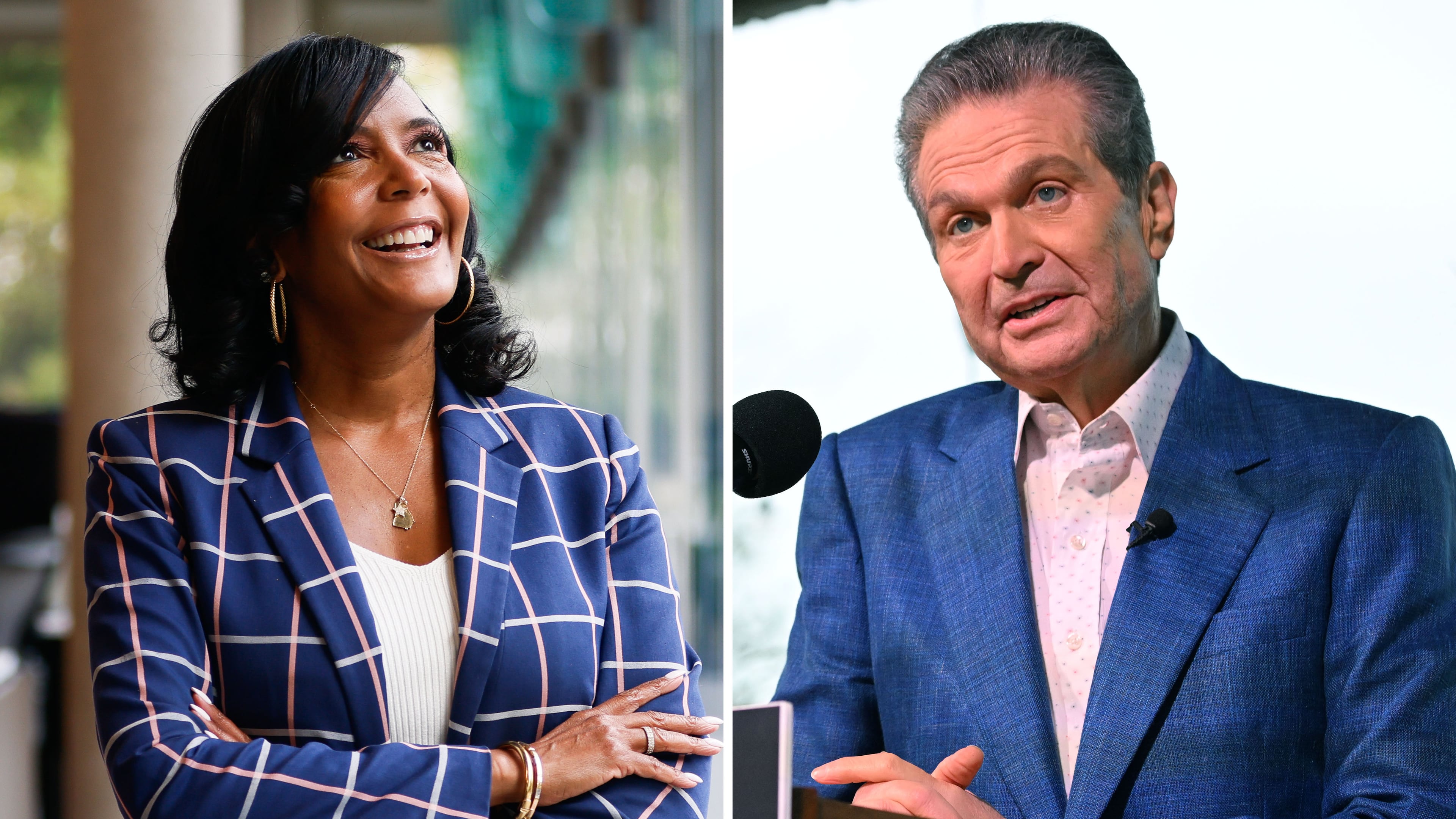
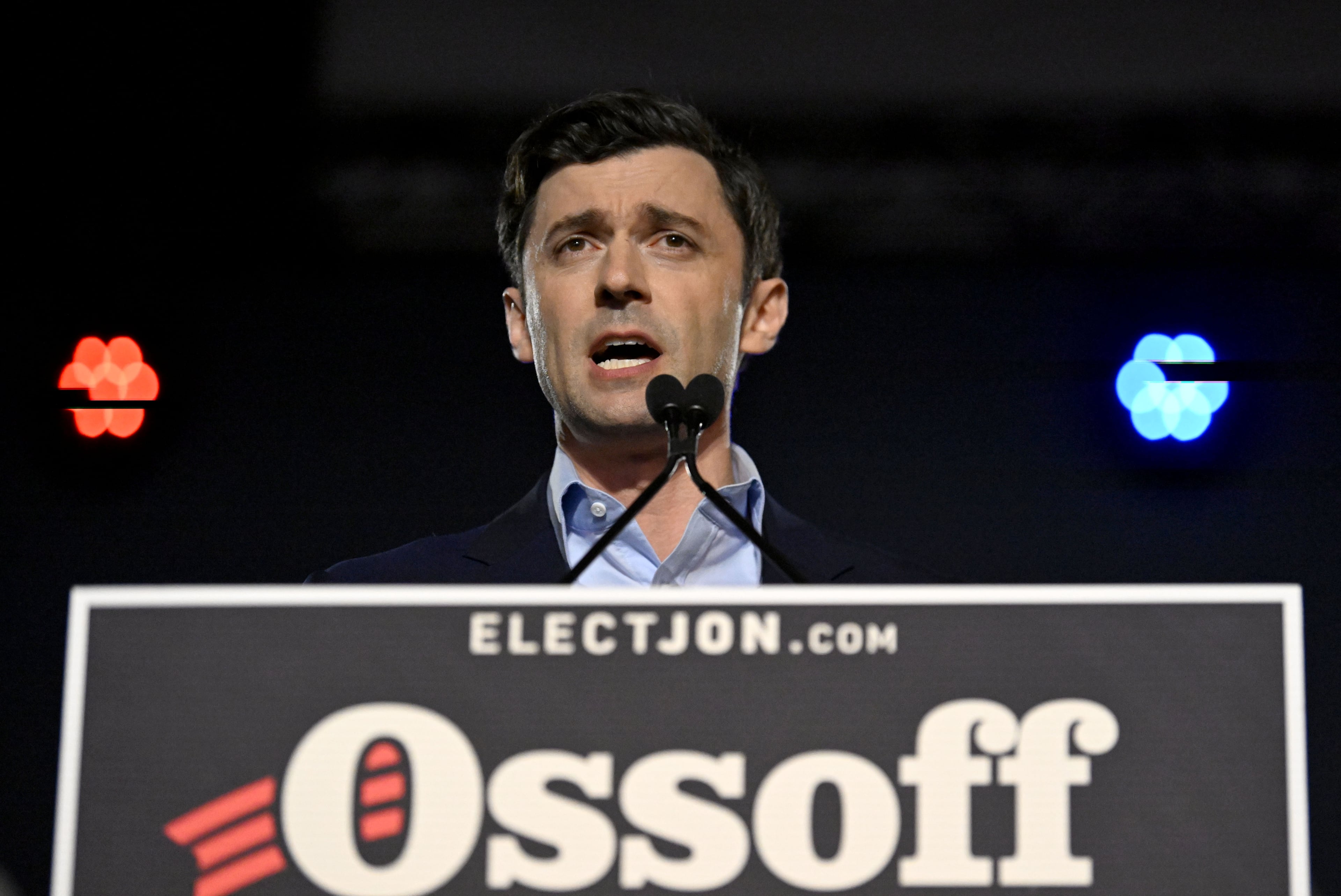
Two Georgia candidates ranked among the top five political advertisers for both parties: Republican Rick Jackson, whose unsuccessful bid for governor, drove about $203 million in ad spending; and Democratic U.S. Sen. Jon Ossoff, whose reelection campaign generated about $95.3 million.
The national increase in spending was caused by several factors, said Travis Ridout, the co-director of the Wesylan Media Project, which tracks broadcast advertisements aired by or on behalf of election candidates across the country. Among them: changes in campaign finance enabling greater spending by political parties in coordination with their candidates; more megadonors such as Elon Musk wanting to influence elections; and races becoming more competitive.
“There’s just so much money out there,” said Ridout, who is also a political science professor at Washington State University.
Broadcast television received the lion’s share of the advertising, about $5.8 billion nationally, which is double that of any other category, including streaming and cable. Nearly half the political advertising in Georgia was spent on broadcast, according to AdImpact’s data.
Political advertising has always been a cash cow for station owners. In recent years, it has become even more important, as other advertisers have begun to shift their dollars from traditional television to streaming services and other forms of digital media.
Despite shrinking viewership, broadcast television is still valued by campaigns and outside groups. Though most viewers watch television via some form of paid service, broadcast is accessible to anyone without a subscription, and therefore can reach larger audiences. This is especially true during major sporting events, primetime programming or local news. Plus, viewers are generally older people who tend to turn out to vote, Ridout said.
“It’s just a good venue for getting your message out to a lot of people at one point,” Ridout said. “You can certainly do online targeting, but you don’t quite get the (same) size of audience.”
The broadcasting sector did well during the election cycle. Atlanta News First owner Gray Media reported last week that political ad revenue set a record for the company, reaching between $630 million to $640 million. Gray, which is based in Atlanta, said the spending surpassed its prior record of $600 million in 2020.
Hilton Howell, Gray’s CEO and chairman, said during a third quarter earnings call on Friday that the company came into 2026 with a “very favorable political map.” The group owns stations across 117 markets in more than two dozen states.
“The one thing we learned on Tuesday night or Wednesday morning is that there’s a hell of a lot more swing states and competitive states in this country and in our portfolio than we ever dreamed of before the election,” Howell said during the call. “So the way we look at it is that we’re going to have a very healthy, very exciting — from a financial standpoint — political contest in 2028.”
Other major station owners Sinclair Broadcasting Group and Nexstar Media Group also hit similar milestones.
Atlanta News First didn’t attract the largest share of political ad spending among metro Atlanta’s major stations. WSB-TV, the most-watched station in Atlanta, brought in $80.5 million, according to AdImpact. About $5.1 million was spent to advertise on Atlanta News First.
Notable is that 2026 is the first election cycle after Atlanta News First ended its affiliation with CBS and relaunched as an independent station. Last year, CBS launched its own news-going operation on then-independent station WUPA. This election cycle, CBS Atlanta brought in about $26.9 million in political ad revenue, according to AdImpact’s data.
Generally stations with a network affiliation will see greater political ad spending, Ridout said. This is because they tend to draw larger audiences, particularly during primetime programming.