How a failed bid to land a cargo van factory helped Georgia win an Audi plant

Blessings in disguise are hard to spot, especially in the throes of disappointment.
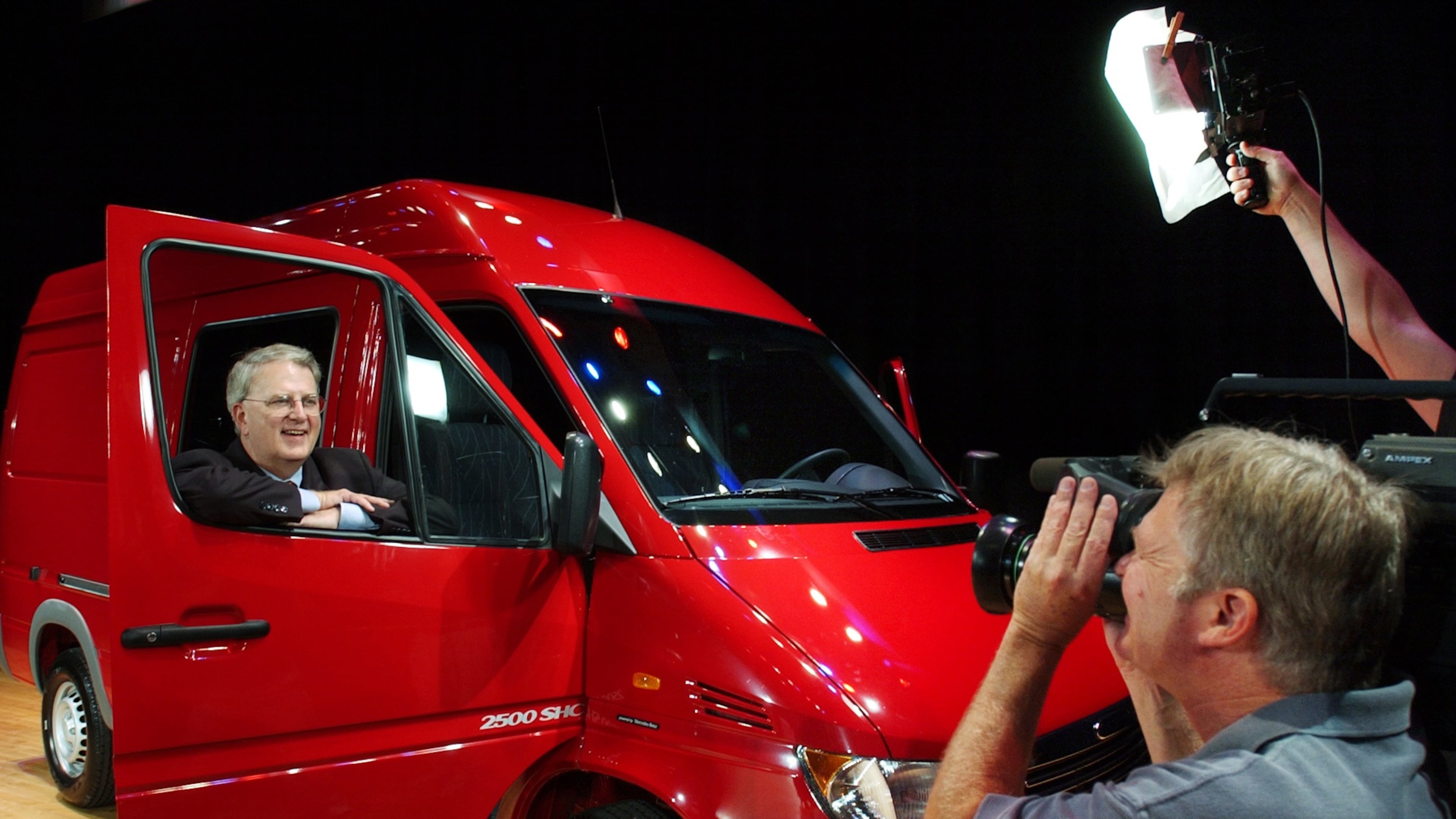
When Gov. Roy Barnes in 2002 announced a Sprinter van manufacturing plant was coming to the Savannah area, the worst-case scenario he faced was the project’s failure. And that’s exactly what happened when it was canceled the following year.
But more than two decades later, that project’s ill fate appears to have paid off handsomely.
Not only do other companies and thousands of workers now occupy that Coastal Georgia property, but proceeds from selling that land played a role in the state recruiting Audi’s first U.S. factory some 170 miles to the west in Fort Valley.
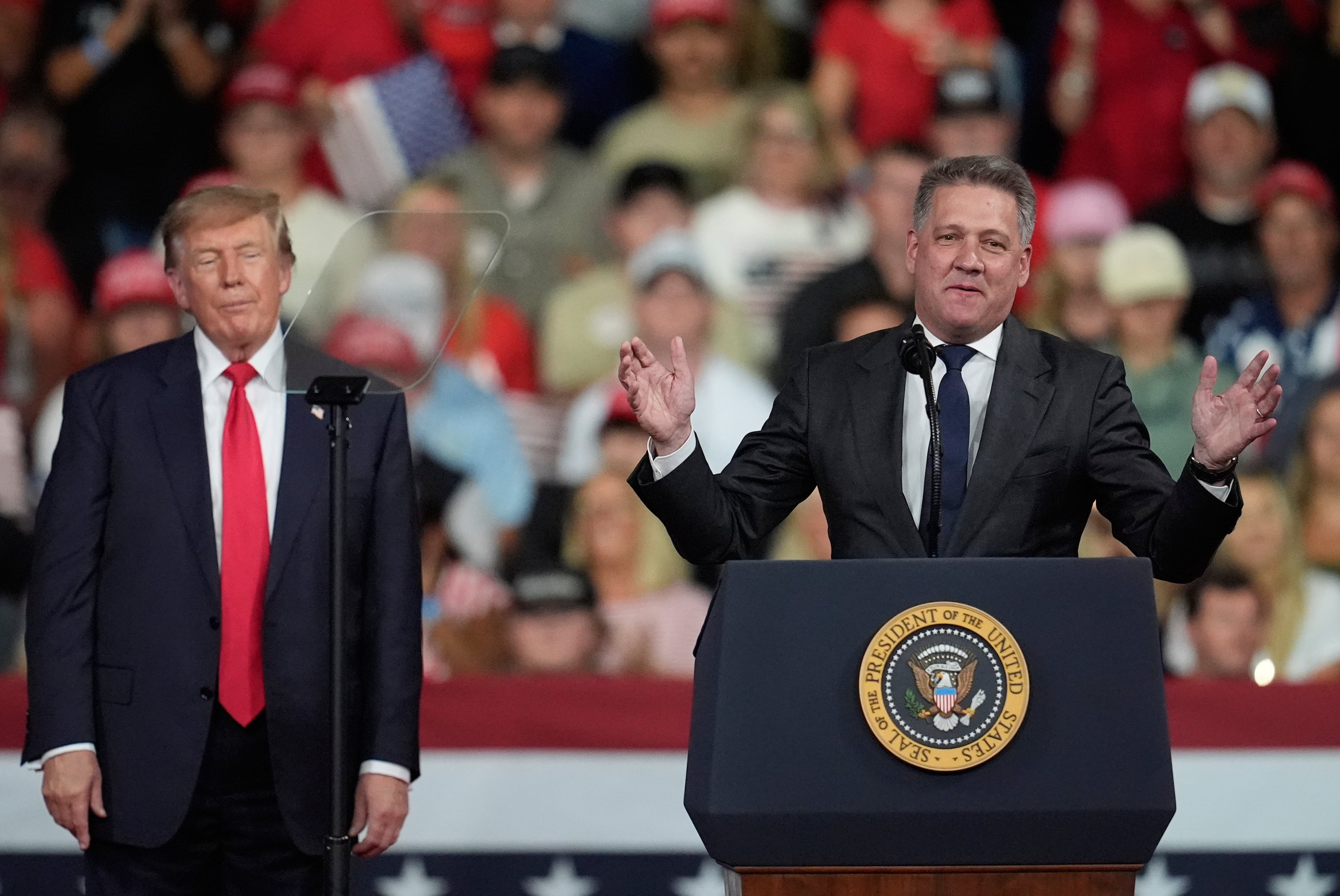
At a political rally Saturday in Middle Georgia with President Donald Trump, Audi CEO Gernot Döllner confirmed plans for a roughly $4.2 billion factory near Macon, a project expected to employ 4,500 workers. The site Audi chose was purchased using funds obtained from selling what was once known as the Pooler megasite — the same one DaimlerChrysler envisioned for its failed Sprinter van factory.
“Even though the (van) project didn’t work out, we had a piece of property that was more valuable than what we had in the beginning,” Pat Wilson, commissioner of the Georgia Department of Economic Development, said in an interview Monday.
“Selling that site and being able to reinvest in other properties in the state of Georgia has been a huge win for those communities that are now going to benefit from these mega projects,” he continued.
It’s an interesting throughline of history, where one project’s end played a role in another’s beginning. Wilson said it also validates Georgia’s real estate preparation strategy for economic development.
“When you invest in property as a state, you’ve got an amazing asset,” he said.
Pooler pivots
It was well-known in 2002 that DaimlerChrysler, the parent company of Mercedes-Benz at the time, was planning a Sprinter van factory in the U.S. It just wasn’t clear where.
Georgia leaders weren’t half-hearted in their attempts to woo the project. The state paid $23 million to buy a 1,550-acre industrial site along I-95 in Pooler near Savannah in an effort to fast-track a deal.
That appeared to work when Barnes in October 2002, in the heat of his reelection bid, announced the $750 million project was coming to the site, including about 3,000 jobs. At the time, it was touted as a major victory for Georgia leaders who had tried — mostly unsuccessfully — to recruit auto factories to the state.
But notably, DaimlerChrysler representatives were absent from that initial announcement. The company didn’t confirm its Georgia plans until three months later, but that disconnect proved to be a harbinger.
The factory’s groundbreaking was delayed and the entire project was canceled in September 2003 with DaimlerChrysler officials citing slow sales and a tough economy. The company later built a smaller facility in South Carolina.
Georgia invested millions of dollars to prepare the Pooler megasite for the van factory, bringing its investment to $60 million, according to reports at the time. Wilson said that was still money well spent — it just took time to pay dividends.

Instead of waiting for another gigantic project, the site was advertised for smaller facilities and renamed the Chatham County Development Site. Multiple companies came knocking.
Mitsubishi Power Systems in 2009 announced a gas turbine manufacturing and service facility for a 119-acre portion of the site, employing 500 workers. Last week, the company said the facility will undergo a $490 million expansion with an additional 200 jobs.
Amazon in 2021 announced a $260 million distribution facility for a large portion of the site, acting as a hub for 1,000 jobs. The same year, Celadon Development Corp. announced a $155 million cardboard recycling plant with 117 workers, filling out much of the remaining site.
“It really is a successful piece of property,” Wilson said.

Providing for Peach
The Chatham County site also proved profitable.
The state sold the Amazon portion for $65 million and used the proceeds to help finance the Bryan County site that Hyundai now occupies for its $7.6 billion plant and the Middle Georgia site that attracted Audi.
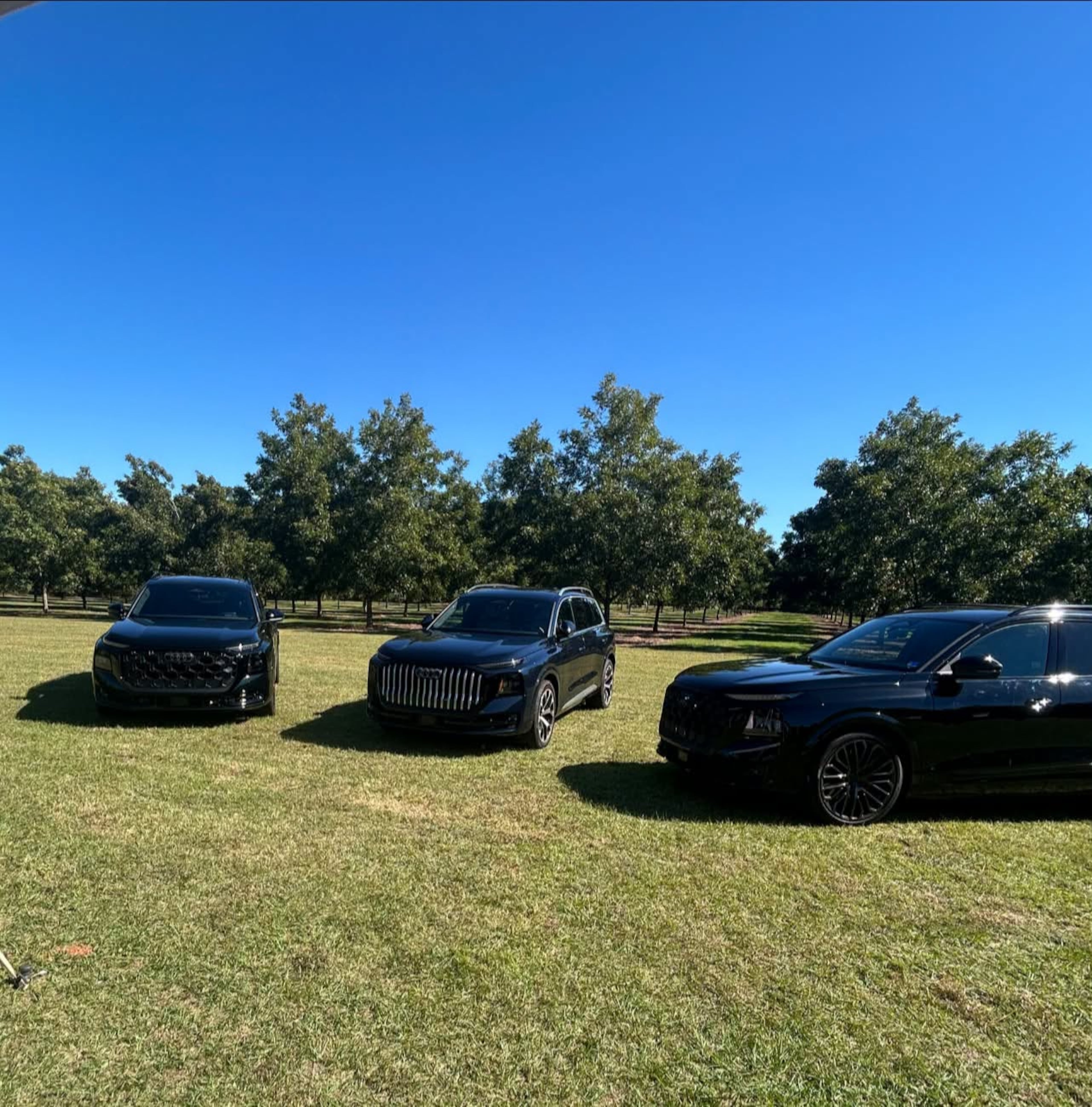
The first part of the Audi site, which is known as the Middle Georgia megasite, was purchased in June 2022 for about $14.1 million, according to Peach County records. Additional acquisitions brought the site to nearly 1,500 acres, and state officials said it has the potential to expand to 2,400 acres.
Audi plans to break ground on its factory in 2027, allowing for vehicles to start rolling off assembly lines by the early 2030s. The supervisory board for Volkswagen, Audi’s parent company, must give its final approval, and a vote is likely slated for November, according to Bloomberg.
The Peach County site was Georgia’s last state-owned property of this size that was being marketed for a potential auto factory. Wilson said it’ll be the prerogative of the next governor to decide whether the state should pursue assembling more megasites.
If given the green light, Wilson said geography will be an important factor to consider, avoiding placing large development sites next to each other or large employers such as Audi and Hyundai.
“One thing we’ve always been careful about is making sure that we don’t put large projects close to other large projects,” he said. “We never want a situation where they’re cannibalizing workforce.”