How war in the Middle East could be felt in your utility bills

As the world’s top natural gas producer, the United States is better insulated than most countries from the price shocks rippling through energy markets after the new outbreak of fighting in the Middle East.
Still, a prolonged conflict could push natural gas prices higher in the U.S. If it does, the costs could eventually wind up in Georgia customers’ monthly utility bills.
The U.S.‘ airstrikes and Iran’s retaliation have already caused natural gas prices to surge, especially in European and Asian countries, which are more reliant on the Middle East’s gas supplies. On Monday, Qatar — the world’s sixth-largest producer of natural gas — halted liquefied natural gas production after two of its sites were hit by attacks.
The Strait of Hormuz, a vital sea channel for Middle Eastern natural gas and oil, has also been effectively shut down as shippers face the risk of attack. A container vessel attempting to transit the strait was struck Wednesday by a projectile, according to the UK Maritime Trade Operations Centre.
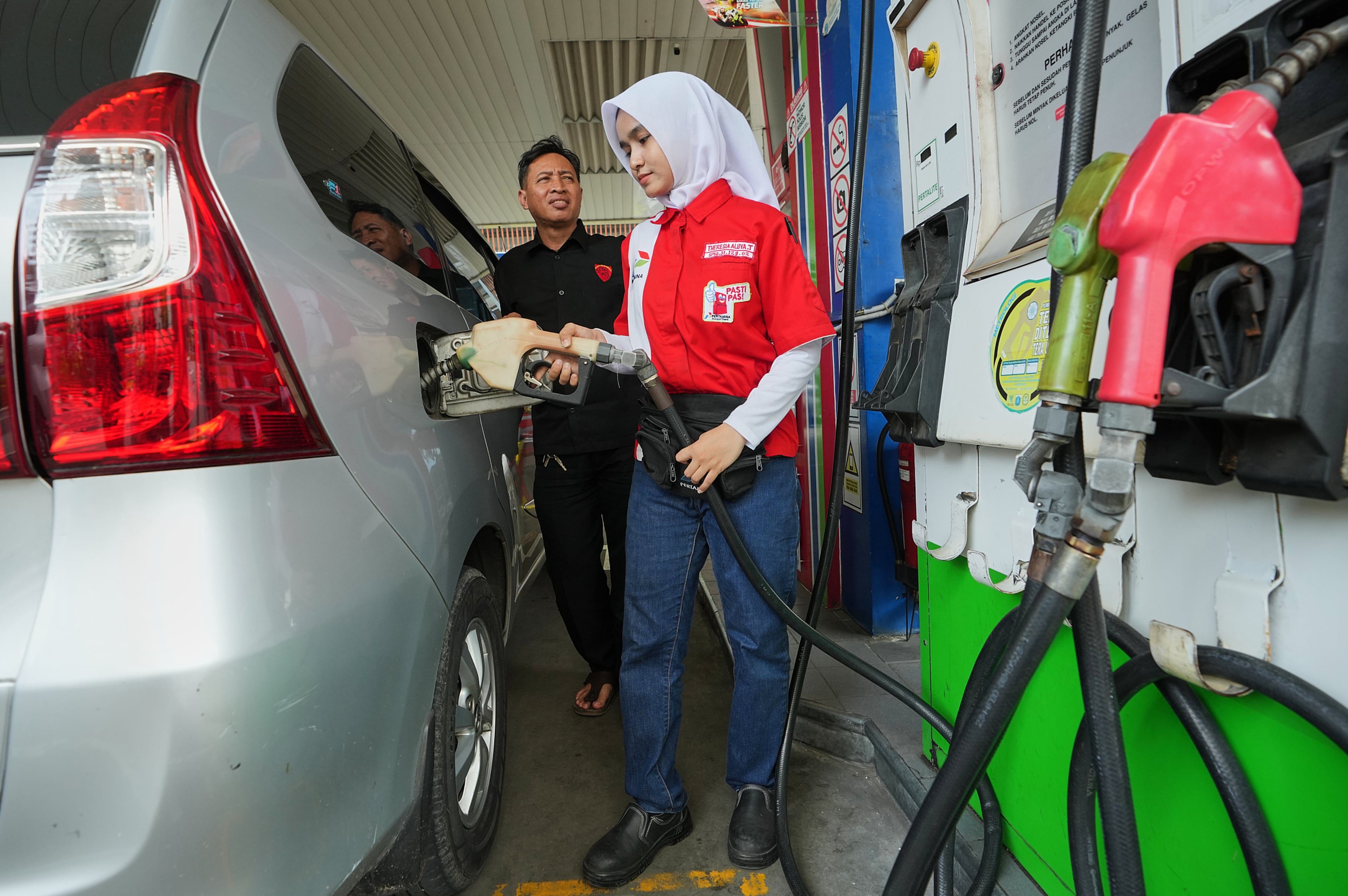
Many Georgia residents rely on natural gas to heat their homes and water and to cook, though many lock in prices for a set time period ahead of the winter months.
As a state, Georgia’s dependence on natural gas-fired power plants has increased sharply in recent decades. The state’s largest electric utility, Georgia Power, now gets more of its electricity — 44% — from natural gas than any other source. That’s up from just 6% two decades ago.
Georgia Power’s parent company, Southern Co., acquired Atlanta-based natural gas giant AGL Resources many years ago. Today, the company is known as Southern Company Gas.
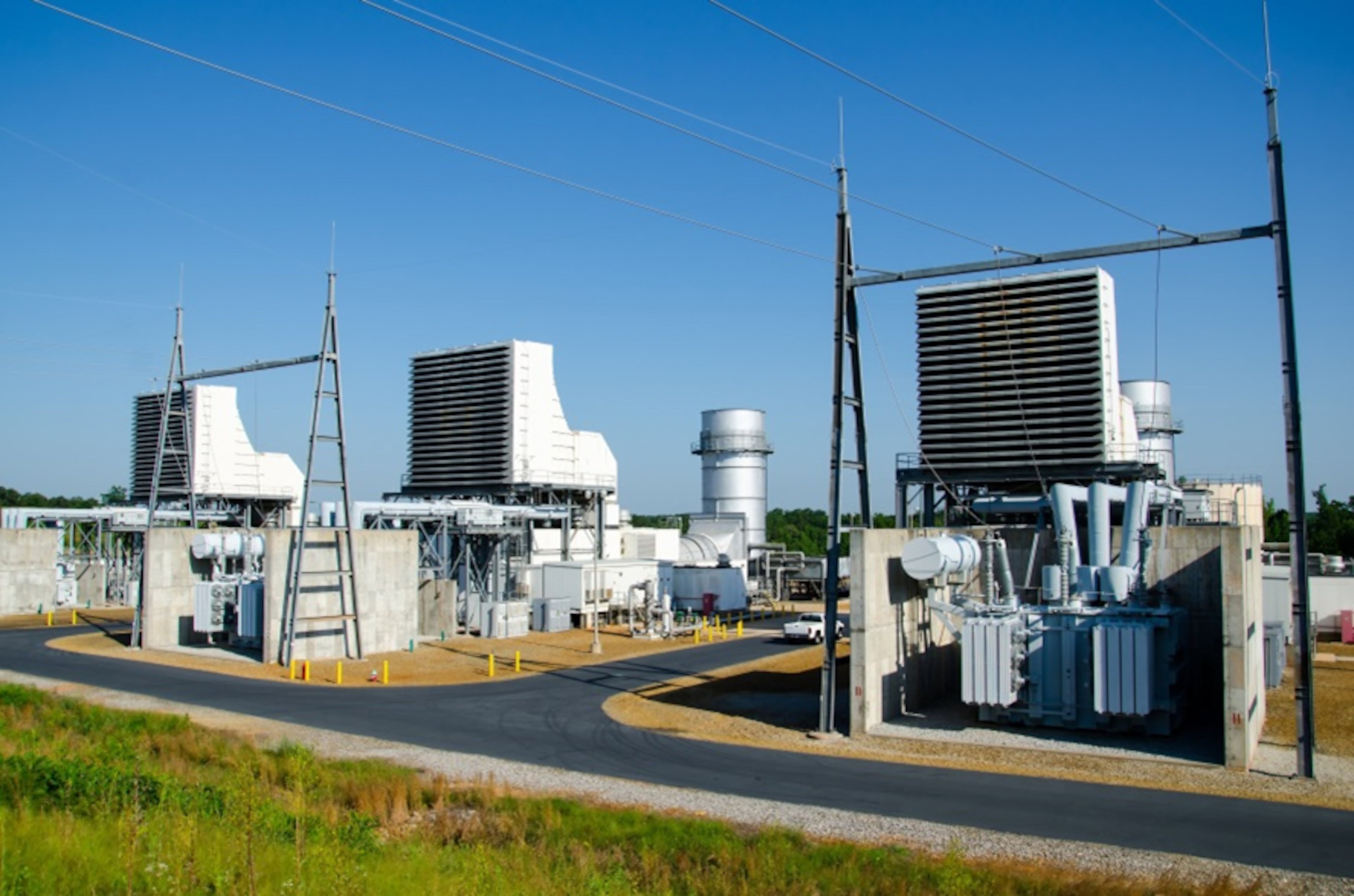
Oglethorpe Power, which produces power for electric membership cooperatives serving 4.4 million Georgians, relies on natural gas for roughly 60% of its electricity generation capacity.
Georgia Power is set to add even more natural gas to its fleet. The utility is building several new gas-fired units across the state, mostly to meet the needs of data centers.
Georgia Power spokesman Jacob Hawkins said in a statement the company is monitoring the situation but so far has “not seen any meaningful impact to natural gas prices and our fuel procurement efforts.”
“As always, we’ll work to leverage our diverse generation mix to provide the most cost-effective energy for our customers,” he added.
Critics of Georgia Power’s gas expansion have warned over the years that adding more gas would increase customers’ exposure to the fuel’s price swings and worsen climate change. Burning natural gas for electricity releases carbon dioxide, the main greenhouse gas driving up global temperatures, along with methane, an even more potent heat-trapping gas.
Oglethorpe Power spokeswoman Blair Romero said the not-for-profit maintains a “diverse” power generation portfolio so it can lean on its “most economical assets.”
“We are closely monitoring global market conditions, and we have mitigation strategies in place to help manage risk and protect our members from day-to-day fluctuations in natural gas prices,” Romero added.
War in Ukraine hit consumers
There is precedent for conflicts abroad causing pain at home for Georgia electricity customers.
Folded into every Georgia Power customers’ monthly bill are charges meant to cover the cost of fuel the utility has used, plus what it expects to spend in the next few years. But changes in the price of natural gas, oil or coal can disrupt that formula, leaving the utility with more or less money than it needs to cover expenses.
The latter is what happened roughly three years ago.
Back in 2023, when Georgia Power last asked state regulators to adjust fuel charges on customers’ bills, the company and other utilities were still dealing with the fallout from Russia’s invasion of Ukraine, plus the lingering effects of the COVID-19 pandemic. That combination had pushed global natural gas prices much higher in the years prior, leaving the utility with an outstanding fuel tab of $2.2 billion.
When regulators passed those costs on to Georgia Power’s customers, as state law requires, it pushed the average residential ratepayers’ monthly bill up roughly $16 — the largest of the six rate increases customers have faced since 2023.
Last month, Georgia Power filed a new request to adjust fuel charges with the Public Service Commission.
With fuel costs down since the highs of a few years ago, the utility expects its new fuel charges — plus a storm cost recovery fee — will bring the average residential customer’s monthly bill down by just over a dollar.
But if the war in the Middle East drags on, it could upset the cost assumptions the company uses to set rates.
Tom Krause, the PSC’s public information officer, said it’s early, but the current unrest does not seem as disruptive to fuel supplies and demand as the double whammy of a few years ago.
Krause acknowledged the recent increase in natural gas prices, but said “no one knows what that will look like in the coming months. He added that PSC analysts will continue monitoring natural gas prices closely.
“Even if natural gas prices do rise some, this should not significantly affect Georgia Power ratepayers over the next few years,” Krause said.
About the Author

Drew Kann is a reporter at The Atlanta Journal-Constitution covering climate change and environmental issues. His passion is for stories that capture how humans are responding to a changing environment. He is a proud graduate of the University of Georgia and Northwestern University, and prior to joining the AJC, he held various roles at CNN.