Facing multiple lawsuits, Georgia medical sterilization facility to shutter

A medical sterilization facility that’s been the target of lawsuits over its use of a toxic gas will shut down after operating for decades in Augusta.
Kendall Patient Recovery, or KPR US, will permanently close, affecting more than 200 workers, according to a Worker Adjustment and Retraining Notification filed with the state.
KPR, a subsidiary of Ohio-based Cardinal Health, manufactures and sterilizes medical gauze, foam gauze, alcohol wipes and other products, according to a 2024 inspection by the U.S. Environmental Protection Agency.
A spokesperson for Cardinal Health said in a statement that “the continued instability and unpredictability with raw material shortages and shifting market dynamics have pushed us to make the difficult decision to cease operations” at the Augusta facility.
Kendall Patient Recovery is one of several companies sued in Georgia in recent years by people alleging harm from exposure to the gas ethylene oxide that is used to sterilize medical devices and other products.
Ethylene oxide, or EtO, has been used for decades to sterilize goods in their original packaging. The gas is an invisible, odorless and tasteless compound that can penetrate packaging, but the EPA has said exposure to EtO can contribute to increased cancer risk.
The gas has long been known to be harmful, and in 2016 the EPA reclassified ethylene oxide as a carcinogen. In 2018, during President Donald Trump’s first administration, an EPA air modeling study warned of potential increased long-term risk of cancer in census tracts near a medical sterilization facility in Smyrna and another in Covington. That study set off a firestorm in metro Atlanta when media reports brought the study to light and led to a series of lawsuits filed by Georgians who live near various medical sterilization facilities that use EtO.
On Friday, EPA proposed to loosen limits on emissions of ethylene oxide, the latest move to relax environmental regulations during Trump’s second term.
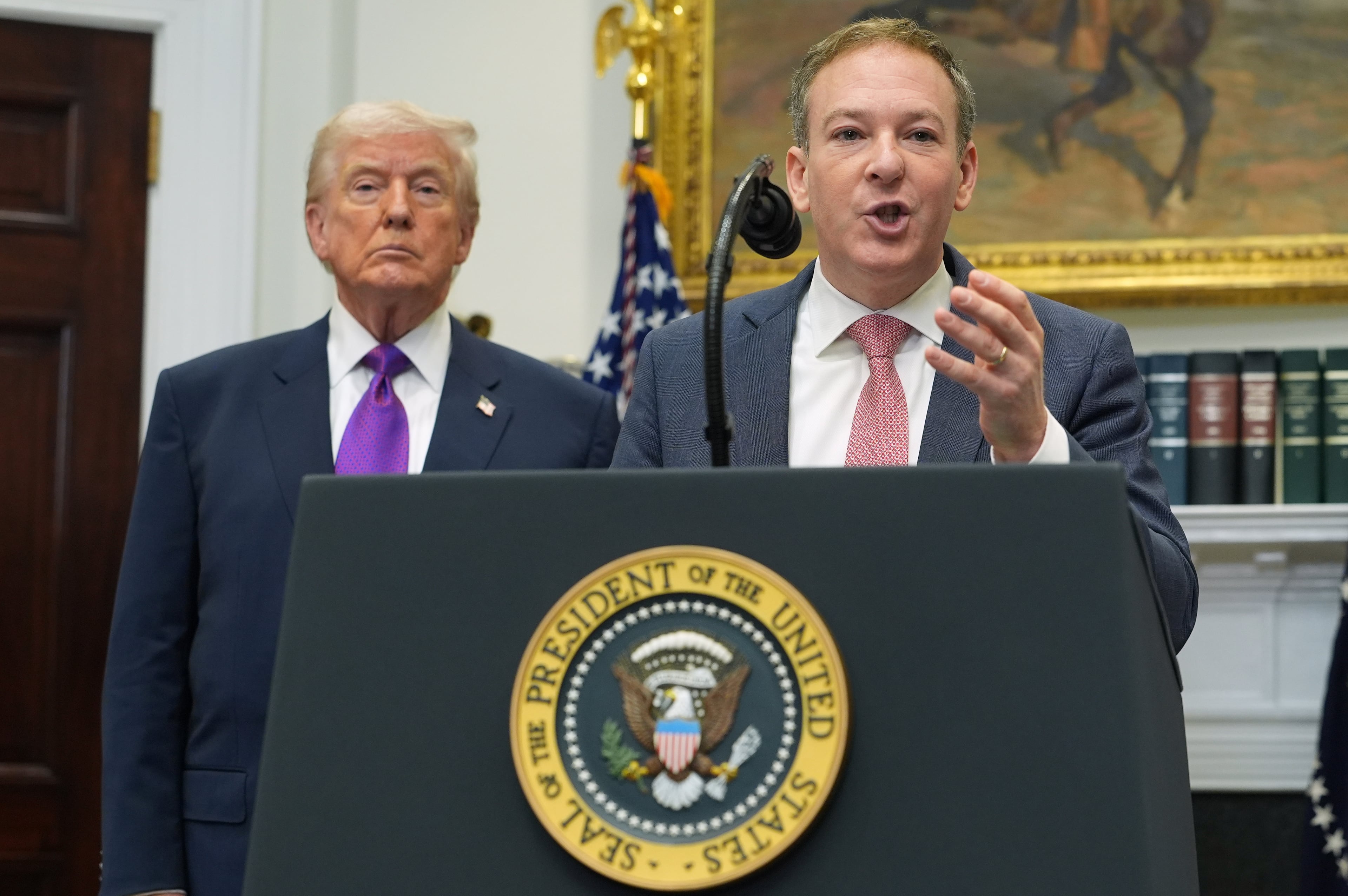
“The Trump EPA is committed to ensuring life-saving medical devices remain available for the critical care of America’s children, elderly, and all patients without unnecessary exposure to communities,” EPA Administrator Lee Zeldin said in an announcement. The EPA said the proposed action could save companies $43 million a year.
The Environmental Protection Network, composed of prior EPA staff, decried the Friday proposal, with former EPA Deputy Administrator Janet McCabe calling it “a slap in the face to the communities living near these facilities, where emissions are already posing unacceptable cancer risks.”
The Union of Concerned Scientists, an environmental group, estimates nearly 14 million people in the United States live within 5 miles of at least one commercial sterilization facility, communities that are “disproportionately made up of people of color or those who do not speak English as a first language,” a Friday statement said.
Trump previously granted 40 medical sterilization facilities, including KPR and eight other Georgia facilities, two-year exemptions from tighter air emissions standards that were implemented under the Biden administration, prompting a lawsuit from environmental groups earlier this year. That lawsuit is pending in federal court in Washington, according to the New York Times.
A target of lawsuits
KPR is fighting multiple lawsuits in Georgia courts over its use of ethylene oxide.
John Hadden, one of the plaintiffs attorneys involved, told The Atlanta Journal-Constitution those cases are in the evidence discovery and exchange phase.
The lawsuits generally accuse KPR of being unsafe with ethylene oxide and letting it escape into the community to harm those nearby. The complaints allege the company is liable for causing cancer and other injuries.
KPR denies the allegations. In a recent court filing, the company said in part the plaintiffs have “grossly” overstated the cancer risk around its Augusta facility, which operates in compliance with a state air permit.
In 2022, a federal judge in Augusta dismissed the first batch of claims brought against KPR on behalf of two dozen plaintiffs, saying in part the company’s use and emission of ethylene oxide appeared to comply with state and federal law.
The same judge, J. Randal Hall, tossed another case in 2023, finding the plaintiff’s alleged injuries couldn’t be plausibly traced to the company’s emissions.
Some of the plaintiffs whose cases were thrown out of federal court were allowed to refile their complaints in state court.
The first ethylene oxide exposure case in Georgia to make it to trial elicited a multimillion-dollar verdict in Gwinnett County in 2025 that is now subject to an appeal. That case was against C.R. Bard and its successor, Becton, Dickinson and Co., in relation to their sterilization plant in Covington.
More than 400 such lawsuits are pending in Georgia against the Covington facility owners.
Separately, there are hundreds more cases pending against the owners and operators of a sterilization plant in Cobb County. In 2023, Sterigenics settled more than 70 lawsuits stemming from its use of ethylene oxide at the Smyrna plant for $35 million.
In their defense, the companies being sued in Georgia have argued they operate safely within state and federal laws and regulations. They say ethylene oxide is the only viable sterilization method for many medical devices.
‘Sad to see them go’
In Augusta, Cal Wray, president of the city’s economic development agency, called KPR a quality employer for generations.
“It’s definitely been a huge impact on the community,” Wray said in an interview Friday. “I think most people would say we’re sad to see them go. We hate that they’re closing the facility.”
The Cardinal Health spokesperson said the company has met with affected employees and is providing severance, benefits and outplacement services. A March 10 letter Cardinal Health sent to Augusta Mayor Garnett Johnson said the company would host a job fair.
The mayor’s office did not immediately respond to a request for comment from the AJC.
The KPR facility is expected to close in phases, with the first separation set for May 15 and the second expected Oct. 2, according to the WARN notice.
“Hopefully, we’ll be able to bring another company of equal or better quality into the community to put those people back to work and others,” Wray said.
About the Authors


Journalist Rosie Manins is a legal affairs reporter for The Atlanta Journal-Constitution.