Rooted in practicality, victory gardens make a comeback in Atlanta and beyond
The victory gardens of the World War I and II era were practical: grow food to sustain the health and well-being of the homefront while so much of the workforce was serving overseas and industry was focused on the war effort.
Now, a new generation of gardeners are embracing the victory garden concept and growing fruits and vegetables for very 21st century reasons.
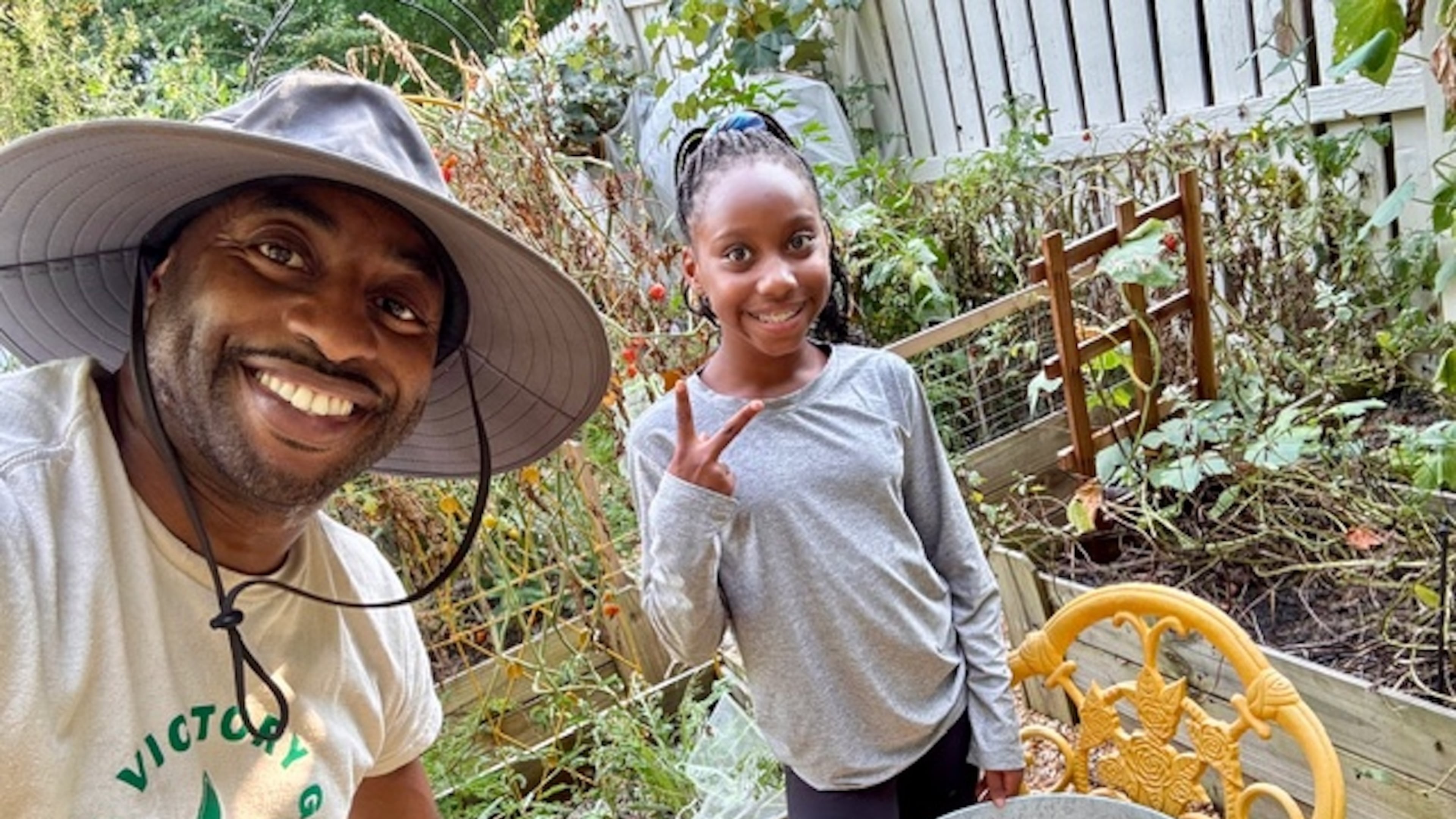
Roswell gardener Michael McKeavin launched his business, Georgia Victory Gardens, in 2020 during the pandemic. He left his corporate job and started his own garden.
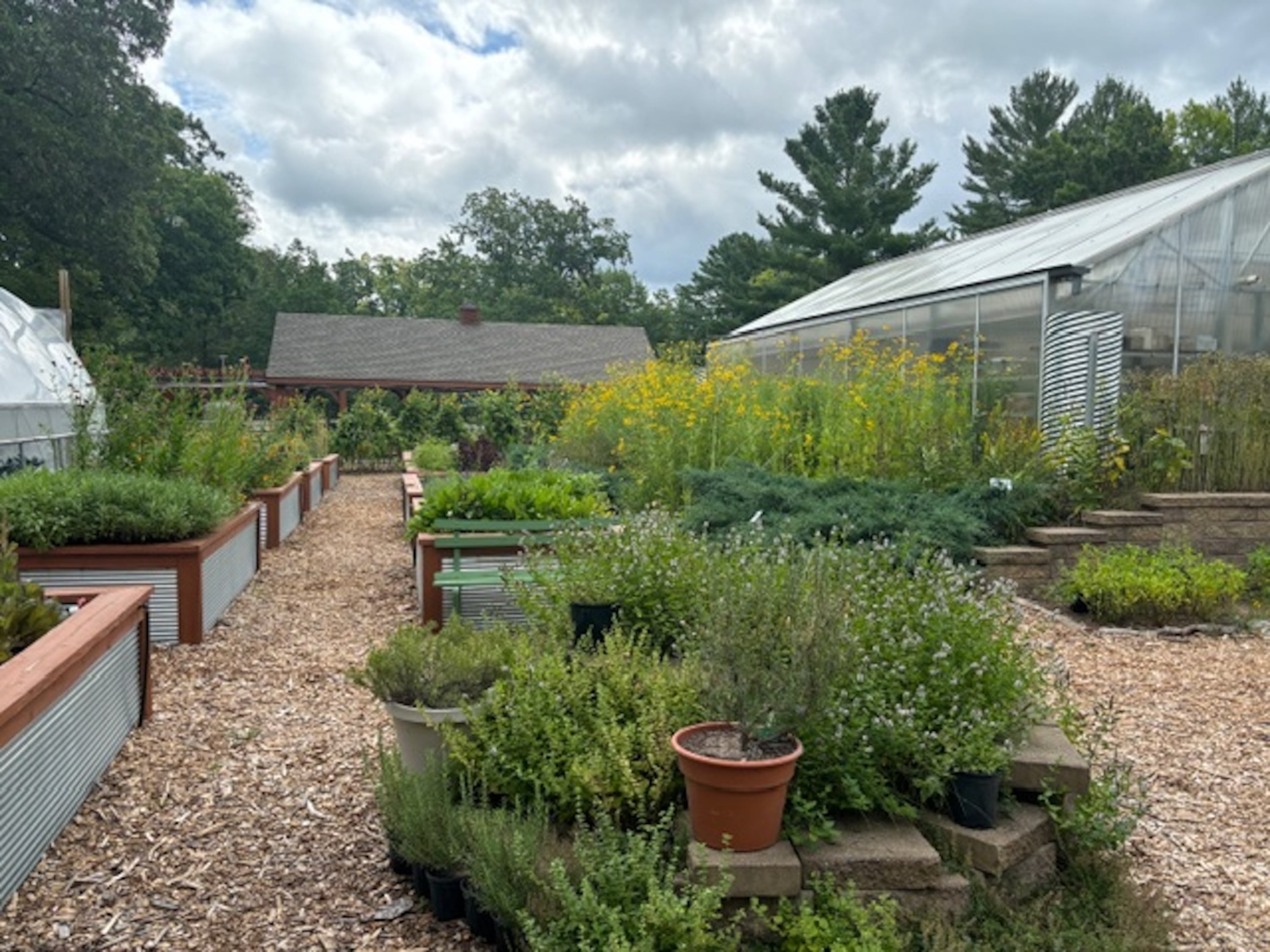
“At that time, everybody was concerned about living sustainably, making sure that when there’s a run on the grocery stores, people have enough to provide for themselves,” McKeavin said.
He began to help other metro Atlanta residents create their own victory gardens, a business that is going strong long after the pandemic. He has seven clients and will be transitioning to working as a virtual garden adviser while he studies business analytics at the University of Auckland in New Zealand.
McKeavin’s reasons for creating victory gardens are multiple, including that his own home garden has become a bonding activity with his youngest daughter, Lauren. He said there are many advantages to creating a victory garden, including health and wellness, sustainability and resilience.
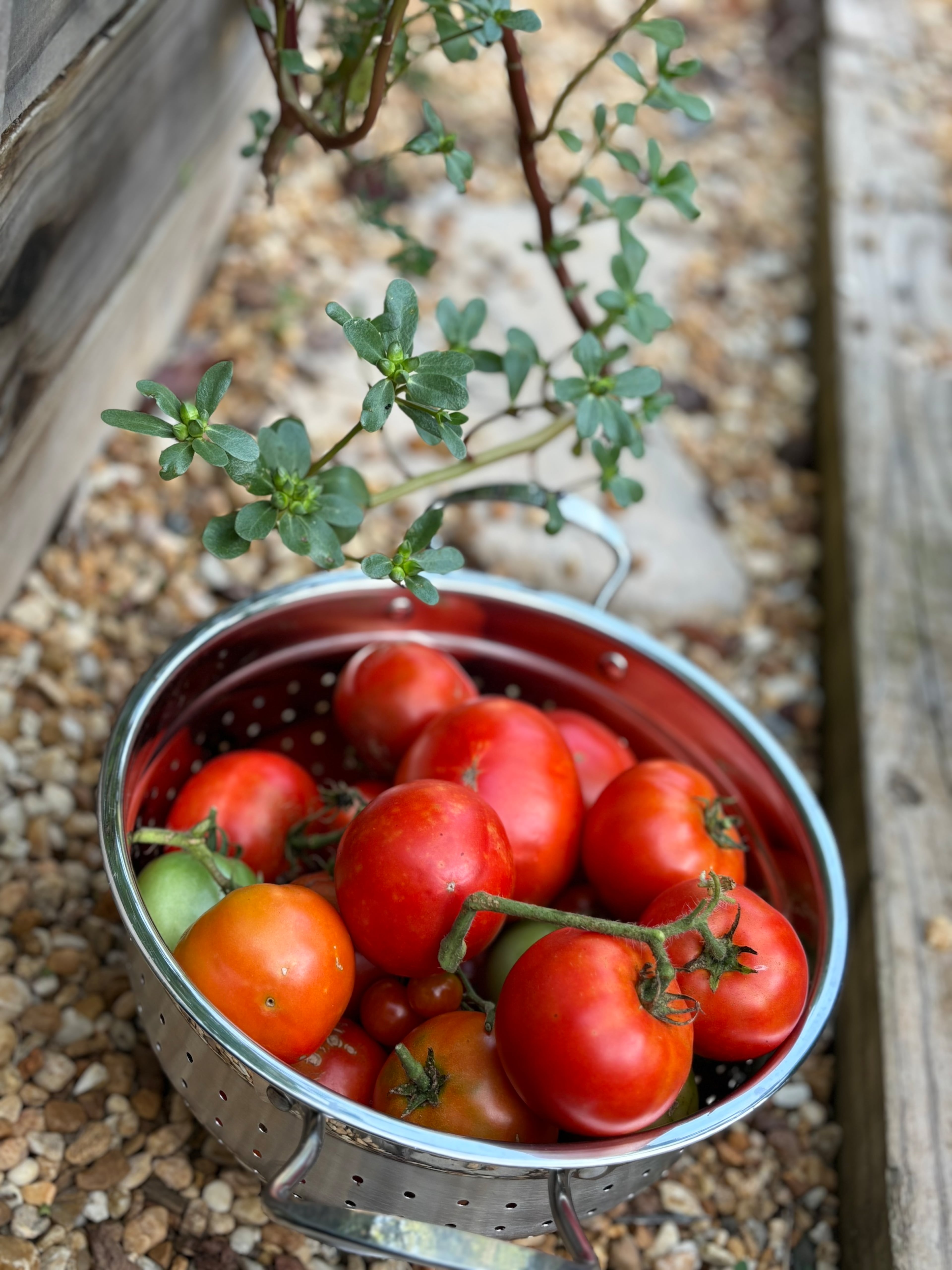
At Georgia Victory Gardens, McKeavin focuses on growing heirloom vegetables — the same plants victory gardeners in World War II might have grown: Danvers carrots, Straight Eight cucumbers, Bloomsdale spinach, Morris Heading collards and Beauregard sweet potatoes.
He said he doesn’t anticipate the interest in victory gardens abating.
“Whether it’s for health reasons or cost-saving reasons or just sustainability and self-sufficiency reasons, victory gardens are always going to be a need,” he said.

Atlanta garden designer David Dempsey of Atlanta’s Viridis Garden Designs said that in addition to providing ornamental gardens for his clients, vegetable, fruit and herb gardens are increasingly in demand. He also points to community gardens, such as the Grant Park Community Garden in his neighborhood, as a way to tap into the social and communal aspects of gardening. For people without yards, the space or the sun needed to grow, Dempsey said, community gardens can inspire a “we’re all in this together” kind of World War II spirit.
Victory gardens grow as climate contributor
The Washington-based nonprofit Green America launched its Climate Victory Gardens program in 2018 as an extension of the group’s mission to confront climate change and advocate for social justice, labor rights and other causes.
As the Green America website proclaims: “We’re bringing victory gardens back. This time, it’s for the climate.”
Since Climate Victory Gardens’ founding, the number of private and community gardens involved in the program has grown from 2,500 in 2020 to more than 40,000 today. There are 611 Climate Victory Gardens in Georgia alone, said Emma Kriss, food campaigns manager at Green America.
“One piece of feedback we hear over and over again is that people feel so good when they’re in their Climate Victory Gardens, that it helps them feel like they’re doing something, that they’re able to take some control of their health and do their small part for the planet,” Kriss said.
Growing a victory garden has multiple positive environmental impacts, she said. Gardens enrich the soil and pull dangerous climate warming carbon dioxide out of the air, drawing it back into the earth where it helps plants grow. Growing food closer to home also reduces the miles traveled to get food to the table.
In addition, Kriss said, “the closer you harvest food to home, the more nutrients it has in it, because once it’s harvested, it starts losing its nutritional value.”

For veterans, a big garden can be a victory
South Carolina Army veterans and Clemson University Ph.D. candidates Kara and Matt Rutter share some of the climate crisis-mitigating goals that motivate Green America, but have an additional agenda of victory gardens as a means to helping veterans. The husband and wife team has operated Project Victory Gardens since 2019.
“We named our nonprofit Project Victory Gardens as a tribute to the World War II victory gardens because people in backyard gardens grew 40% of the nation’s food supply,” Kara Rutter said. “What we really focus on is getting veterans into typically small-scale agriculture, kind of small family farms, really kind of rooted in that idea that you can raise food for your family, you can raise extra to sell.”
Growing has proved beneficial to the Rutters, who wanted to share that experience with fellow veterans.
“Part of transitioning from the military is finding your next career,” said Matt Rutter, something the couple went through themselves.
“Being able to put down roots and have something that’s yours in the country that you defended, I think that resonates with veterans,” he said.
“We went from defending our country to feeding it. One of the things that Kara and I say pretty often is that food security is national security. And so we still feel like we’re contributing to national security by providing food,” Matt Rutter said.