Why this World Cup means so much to metro Atlanta’s Moroccan community
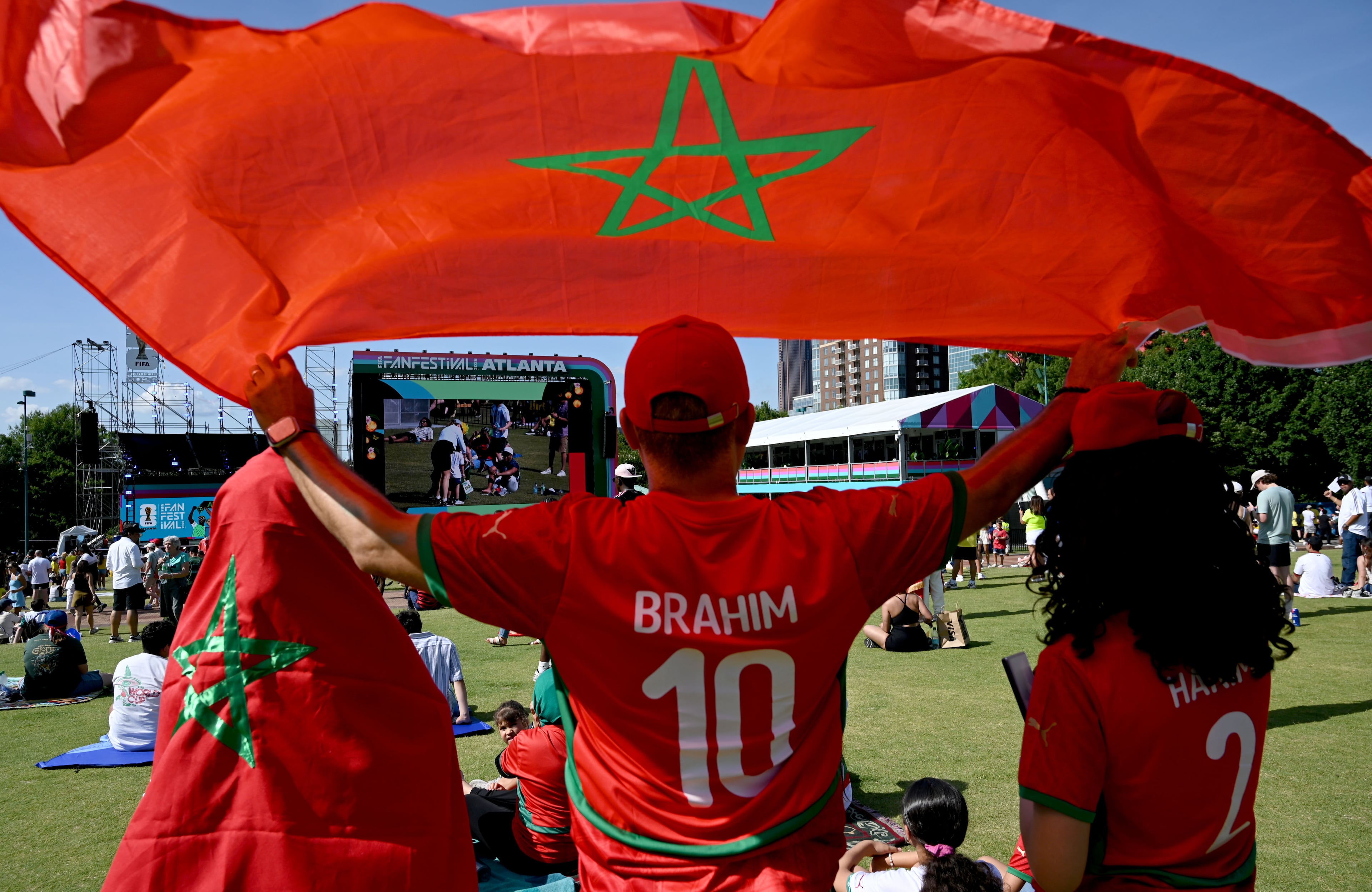
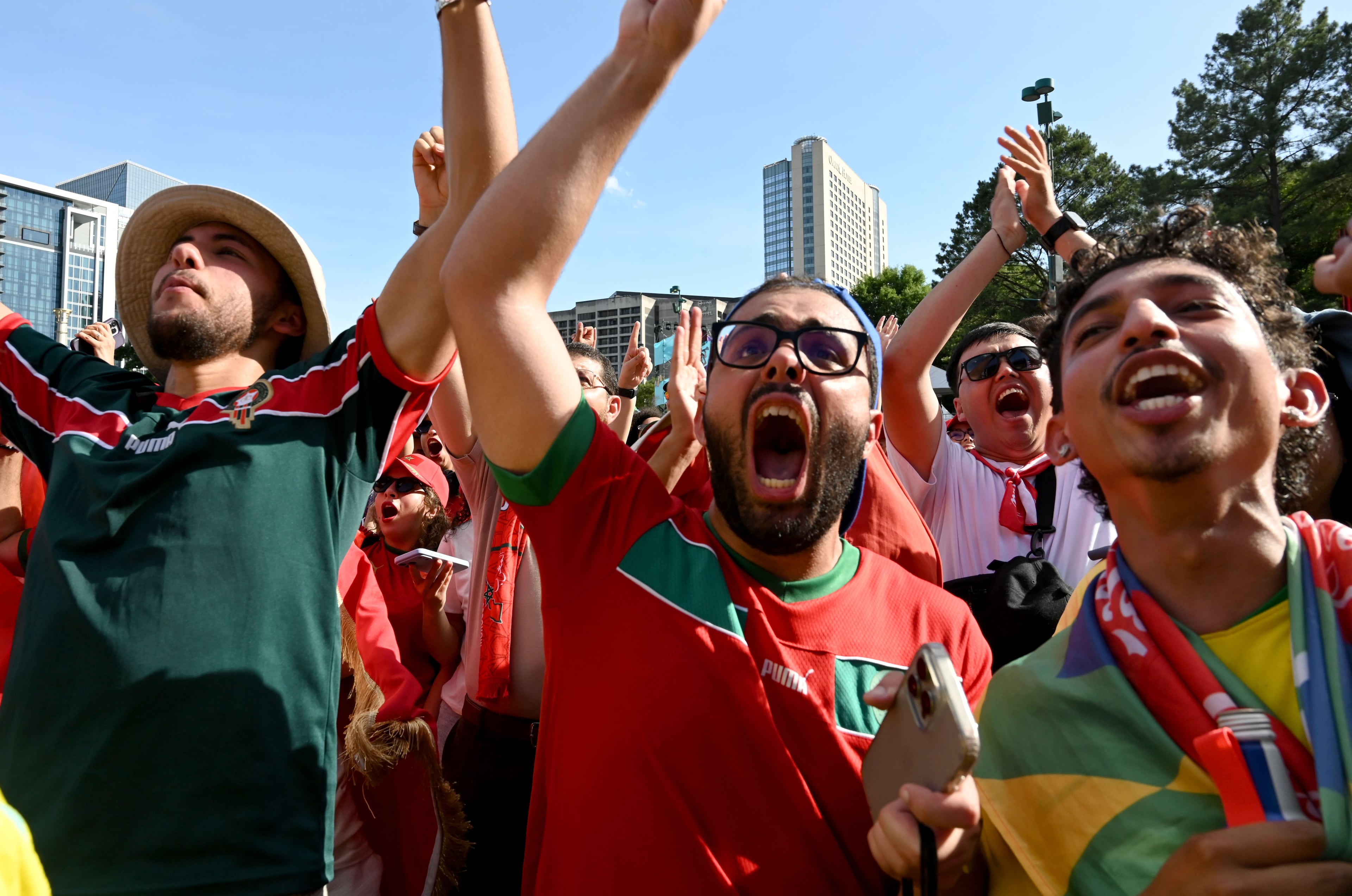
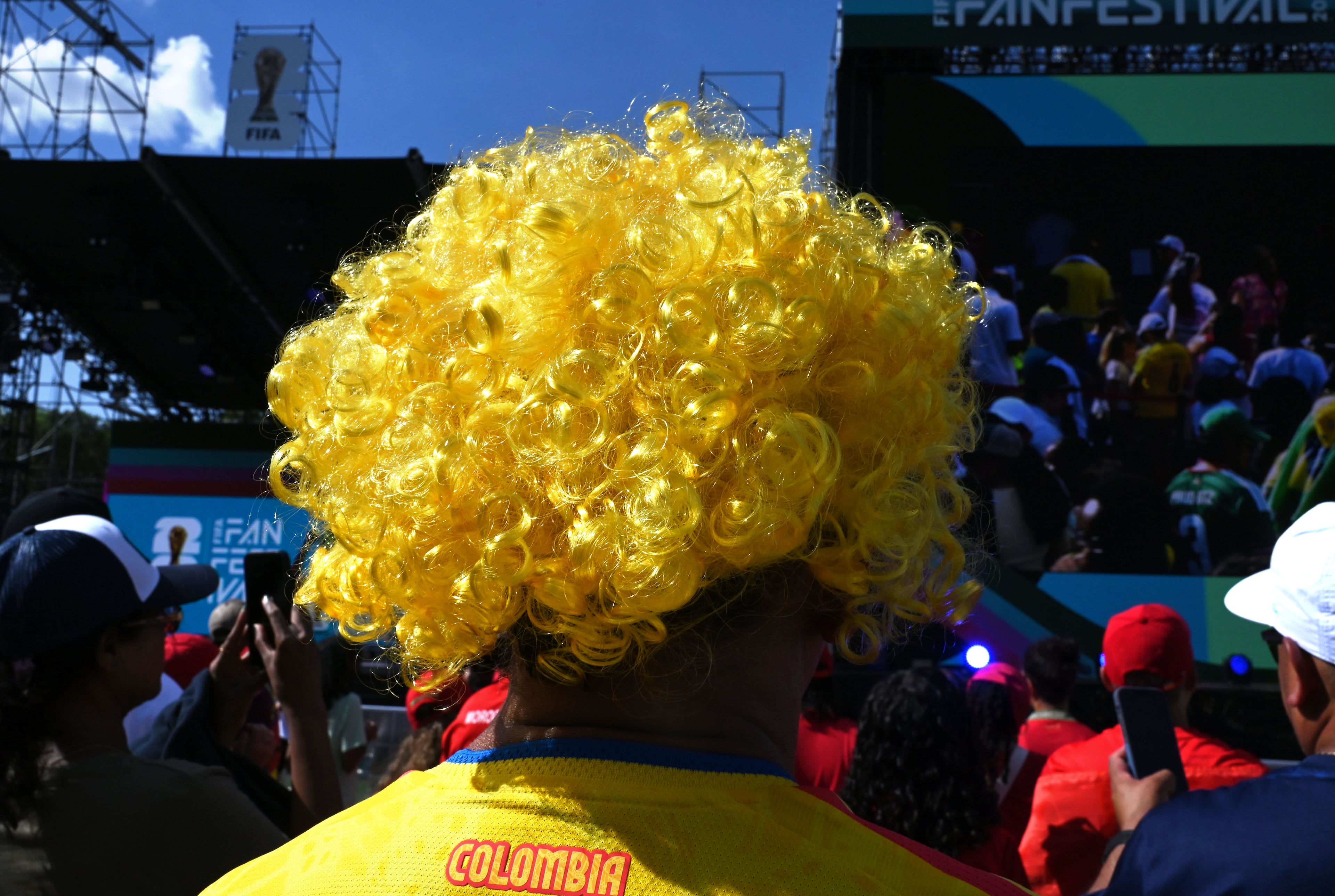
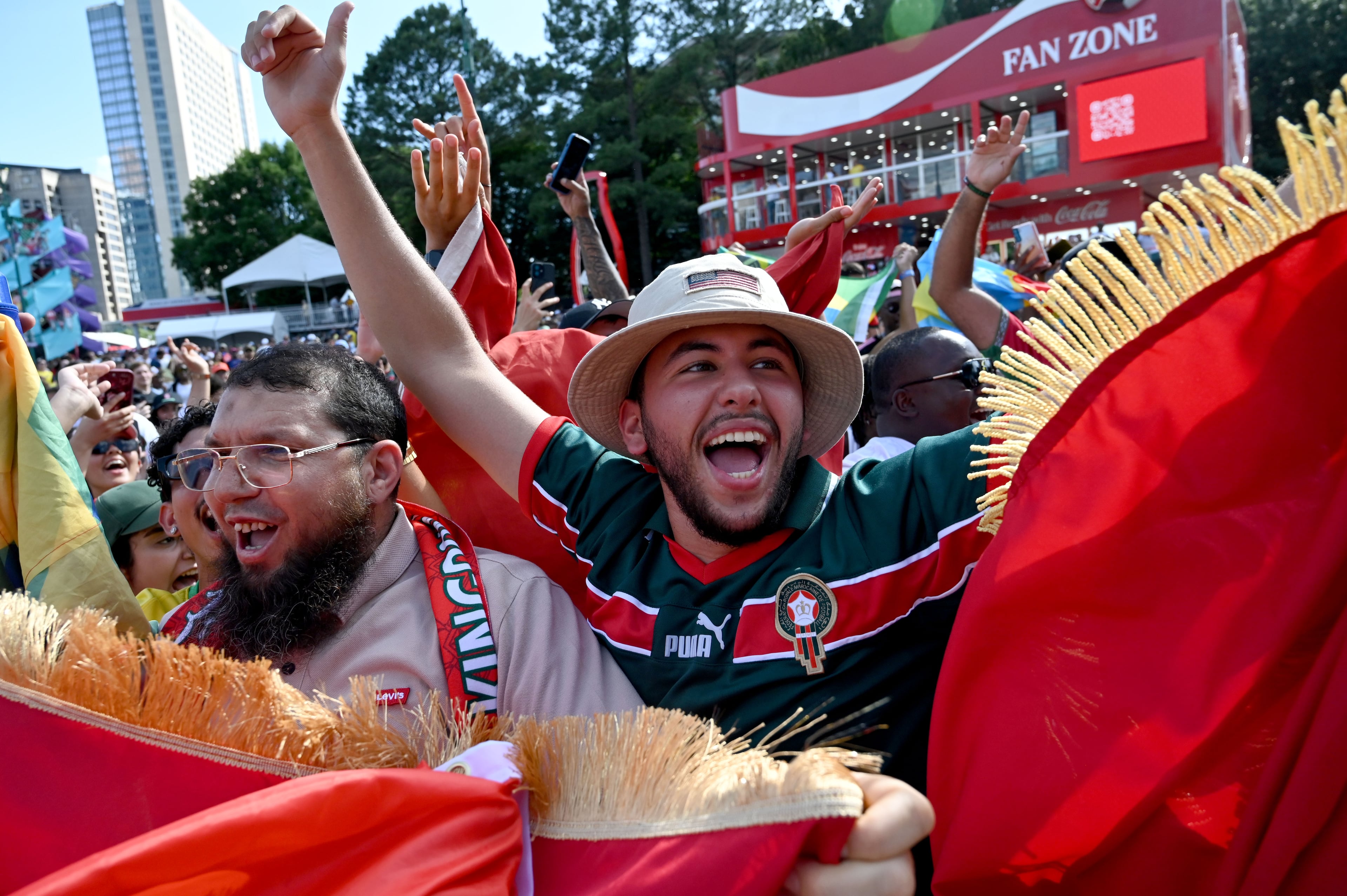
If there is one thing Morocco supporter Najlaa Moumaris plans on bringing to her first World Cup match, it’s a photo of her father. Her dad, a native of Casablanca, moved back to his home country from Boston a year ago.
When Moumaris, a Decatur resident, heard the 2026 FIFA World Cup was coming to Atlanta, she was ecstatic. She dreamed of a chance to see Morocco’s Atlas Lions play live with the man who introduced her to football. Sadly, travel plans didn’t line up. So, when the team plays their closing group-stage match against Haiti at Atlanta Stadium on June 24, family will be on Moumaris’ mind.
“I was going to bring a picture of him with me to the game so that he can still come with me,” she said.
“It’s challenging, just trying to find some time to go out there and see him. And not only is it the absence of my father, but it’s also the absence of being connected back to home.”
Throughout the World Cup, father and daughter have stayed connected — albeit with a six-hour time difference — recapping match action.
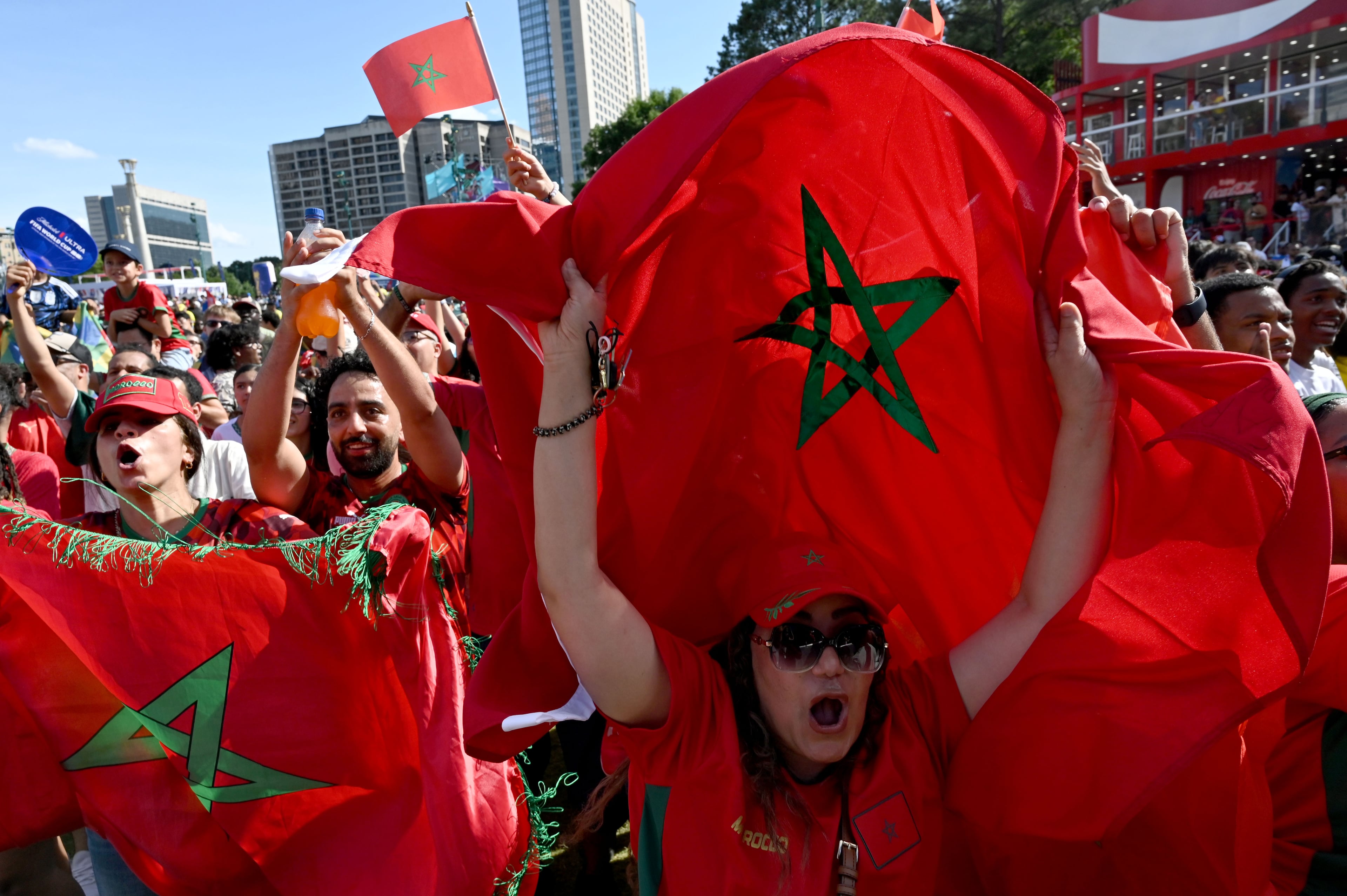
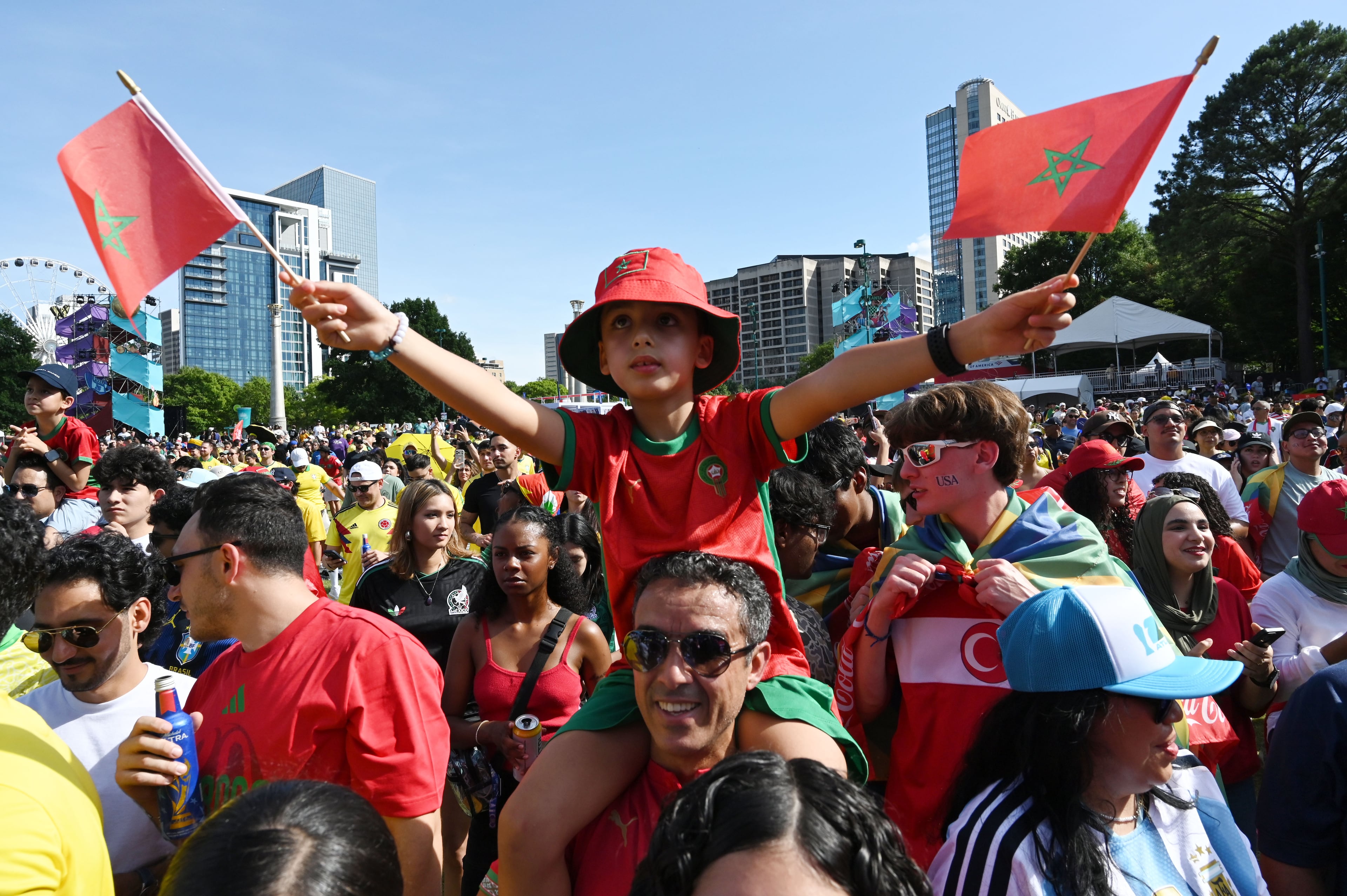
As Morocco’s national team navigated its first two matches in Group C, their fans in metro Atlanta and the Southeast have had a strong presence downtown.
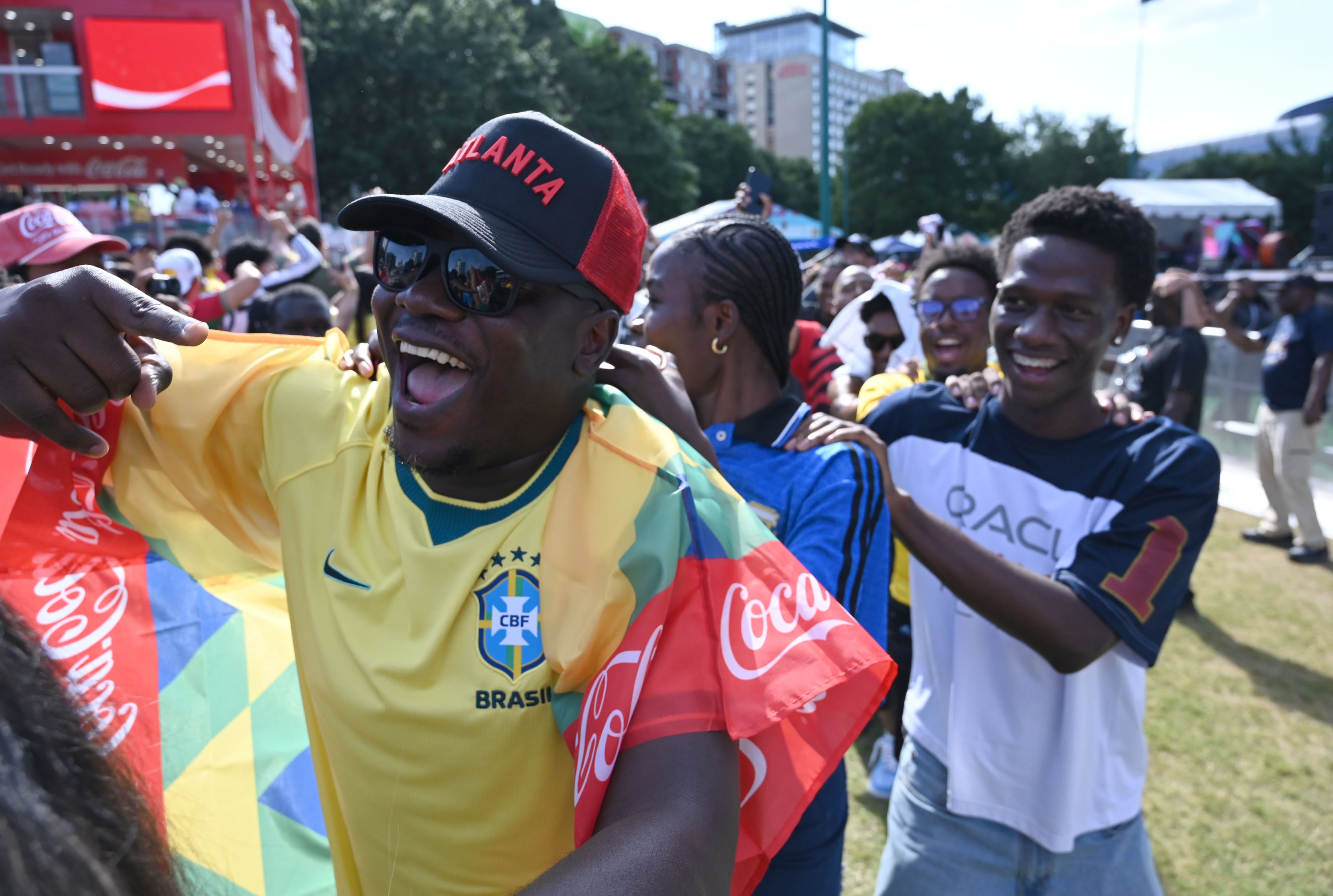
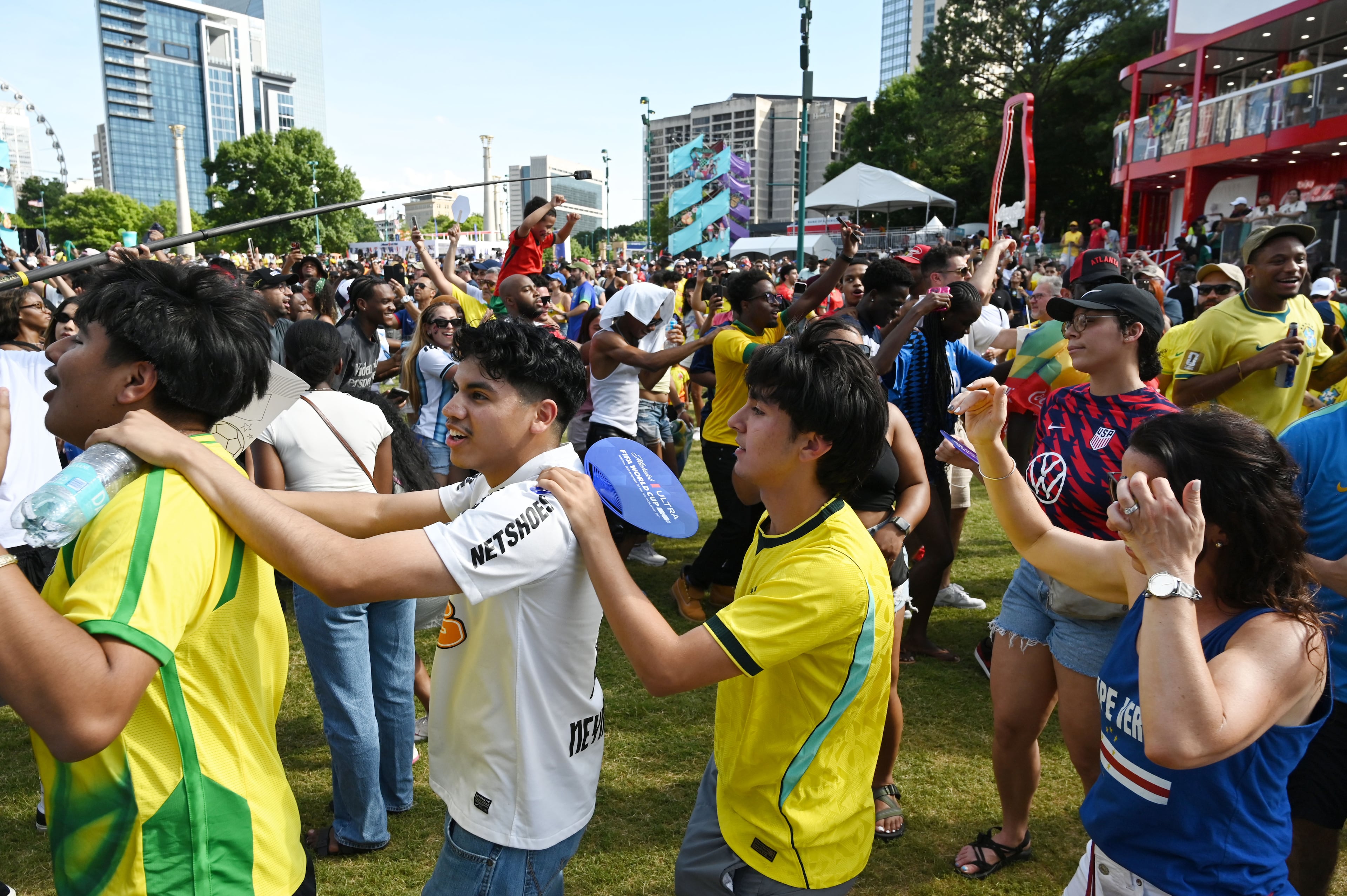
Moumaris, 25, a die-hard supporter and football content creator, was present at the FIFA Fan Festival in Centennial Olympic Park to watch Morocco’s opening match against Brazil on June 13. Having been here since 2014 after moving from Cary, North Carolina, she was blown away by the sheer number of Moroccans who showed up, given this is a metro area with modest representation at just over 1,300.
In the process, Moumaris found community that filled a football-sized hole in the heart of a girl missing her parent. “When the World Cup comes to your city, it finally gives the opportunity to have a bit of that middle ground where it felt intangible before,” she said.
When Morocco, FIFA’s No. 6-ranked team takes on Haiti it will be the first international meeting between the two national teams.
For Moroccan supporters in metro Atlanta, a chance to host Africa’s highest-ranked squad is more than bragging rights, it’s in some ways a reintroduction to their country and culture whilst reconnecting with their roots. In the lead-up to the match, residents have found community they didn’t know existed. They’re also hoping sports can change negative perceptions of African and Arab nations.
An improbable run
Ahmed Temsamani remembers moving to Atlanta from Charlotte, North Carolina, in 2020. When the Tangier native, 33, would tell people he was from Morocco, they’d ask if it was in South America. “It’s my home country and no one even knows the continent where it is,” he thought.
That changed with Morocco’s Cinderella run in the 2022 FIFA World Cup in Qatar. “After 2022, if you just mentioned Morocco, they were like, ‘Oh, the country that went into the semifinal.’”
Yes, it was a seemingly improbable run in a formidable Group F. Bettors didn’t have Morocco making it to the knockout stages. Then the unthinkable started to happen.
First, there was a 0-0 draw against 2018 runner-up Croatia. Next, a convincing 2-0 victory over Belgium’s fledgling golden generation. The Atlas Lion closed things out with a 2-1 win over Canada.
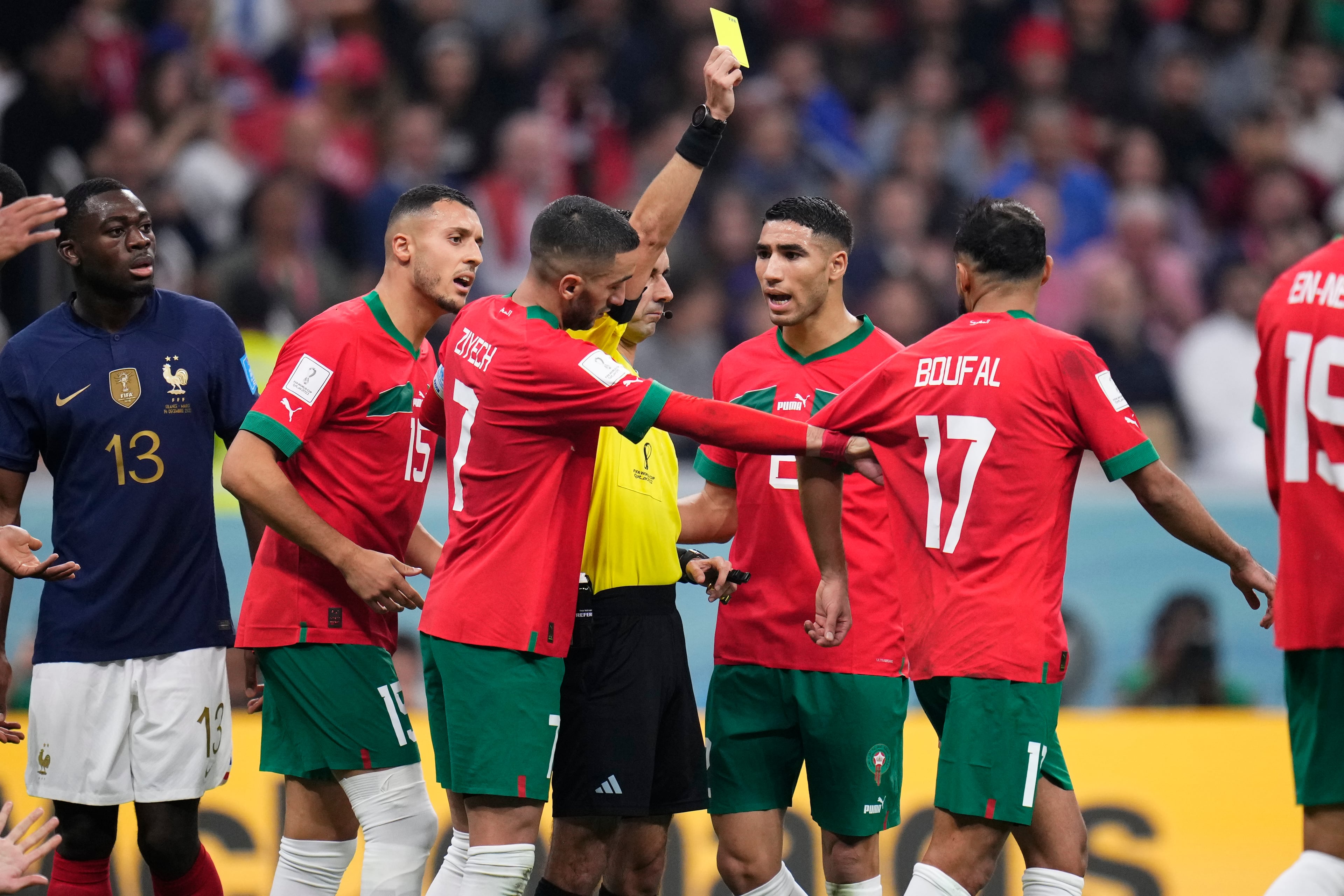
The knockout round was where their legend took shape. They took down Spain in penalties. That was followed by a 1 -0 quarterfinal upset of Portugal and Cristiano Ronaldo, compliments of a header from Youssef En-Nesyri. With the victory, Morocco became the first African and Arab nation to reach a World Cup semifinal. They eventually lost 2-0 to France.
Just like 2022, this World Cup run started with a draw (1-1 against Brazil) and a win (1-0 versus Scotland).
According to DraftKings Sportsbook, Morocco currently has the 12th-best odds to win this year’s tournament, which puts them between the United States and Japan. They’re once again led by stalwarts, right back Achraf Hakimi and winger Hakim Ziyech, who each have made at least 10 World Cup appearances. Midfielder Ismael Saibari has led the goal scoring with two in as many matches.
Temsamani says it’s a run that started nearly two decades ago with more investment in Morocco’s Mohammed VI Football Academy.
“I think the squad has the names, the skill level and the professionalism to take it all the way. All they have to do is stay grounded,” Temsamani said.
‘Soccer was in our blood’
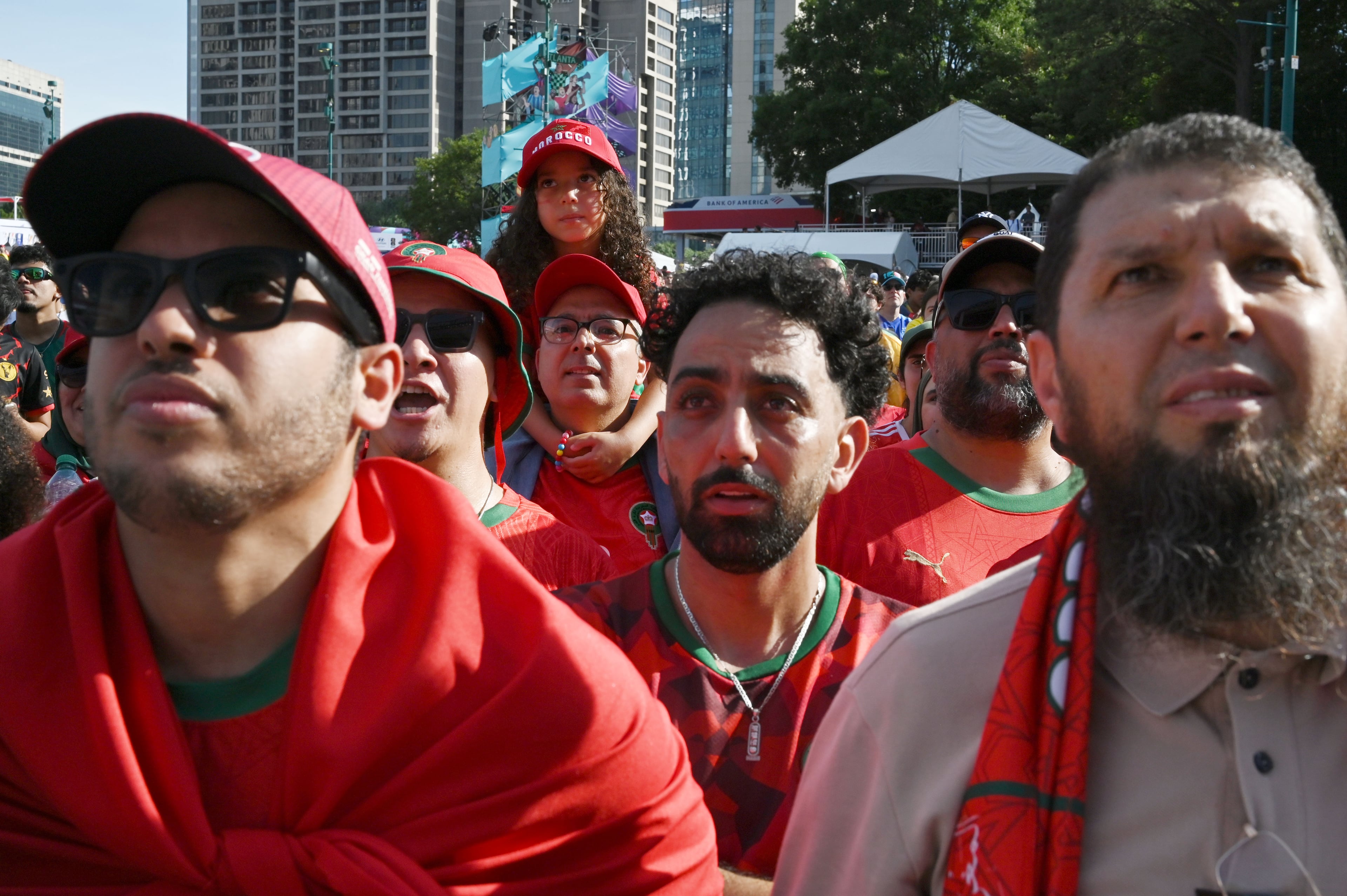
On Facebook, a group called Moroccans of Georgia boasts more than 4,000 members. Temsamani and others have leveraged the digital community to galvanize supporters for real-life watch parties, meeting at Fan Fest downtown.
“For me, it was an opportunity to get together. I needed to take the opportunity and get as many Moroccans together as possible and just share it with people,” he said.
Temsamani knows the value of facilitating gatherings around sports. He met his wife at a World Cup watch party in Charlotte for Morocco’s 2022 quarterfinal match.
His connection to the Atlanta’s Moroccan community was made through a family restaurant, The Imperial Fez. The Buckhead staple spent 30 years on Peachtree Street, known for its authentic Moroccan cuisine and experiential dining. Temsamani refers to one of its co-owners, Rafih Benjelloun, as his uncle.
Over the phone, Benjelloun’s voice is booming and proud when asked by Morocco’s football federation being in his adopted home. “Involvement with soccer was in our blood,” he said.
Benjelloun said he was drawn to Atlanta by a family member, Hadj Mohammed Benjelloun. The latter helped found football clubs in Morocco, including Wydad FC in 1937. He was also a founding member of the country’s Olympic committee. The elder Benjelloun recruited his nephew to help with Atlanta’s Olympic bid and guide North African nations in interactions with the U.S.
He’s quick to remind his interviewer that, after all, Morocco was the first country to recognize America’s independence.
Now 76, Rafih Benjelloun recalls working alongside Atlanta mayors, Atlanta Committee for the Olympic Games CEO Billy Payne, Congressman John Lewis and opening ceremony star Muhammad Ali. Benjelloun watched corporations such as Coca-Cola and nearby universities bring more Moroccans and Arabs to Atlanta.
He wasn’t surprised Atlanta got the Olympic bid then, so it makes sense they’d host the World Cup now, especially given Martin Luther King Jr.’s connection.
“I mean, that was his dream — all the nations coming together. Same thing for soccer, I would say. And Atlanta cannot be better place,” he said.
The Benjellouns are now focused on their catering business, the Moroccan Spoon, which provided food at a recent soccer-inspired event, Goals for Hope.
Ticket prices for Morocco’s match in Atlanta were too high for Benejelloun, so he has another plan to celebrate Morocco’s visit.
He’s cooking.
Tajine, beef feet, steamed lamb. If just for one night, he is bringing The Imperial Fez, and its North African vibes back.
Changing perceptions
Like Benjelloun, Mouna Abdelhamid wants to create space for mutual understanding. She’s the executive director for Alif Institute, a nonprofit and Arab cultural center located north of downtown near Chamblee. Abdelhamid is a Palestinian Jordanian who has been in the U.S. for three decades, 22 of those years spent with Alif.
At Alif, staff teach the Arabic language, music, curate art exhibitions, and provide education opportunities. They support Arab American artists, authors and families.
With a record number of 10 African and eight Arab teams competing — including Abdelhamid’s Jordan — in this World Cup, Alif has been leaving space to host watch parties. When Alif hosted a watch party for Morocco’s first group match against Brazil, 170 people showed up. Abdulhamid knew three of them.
“I’ve been in this community for 30 years, I’m like, ‘Where did you guys come from?’”
Organizations like Alif work tirelessly to dispel stereotypes and bridge information gaps. It’s nothing compared to the power of competing on sports biggest stages.
“Arab countries are always in the news. They’re always portrayed in the news in only one side,” Abdelhamid said.
“We do our part as a cultural institute, but having a World Cup is a totally different scale and a different reach. I think it’s very important to show the humanity of every country playing in the World Cup and the importance of every culture.”
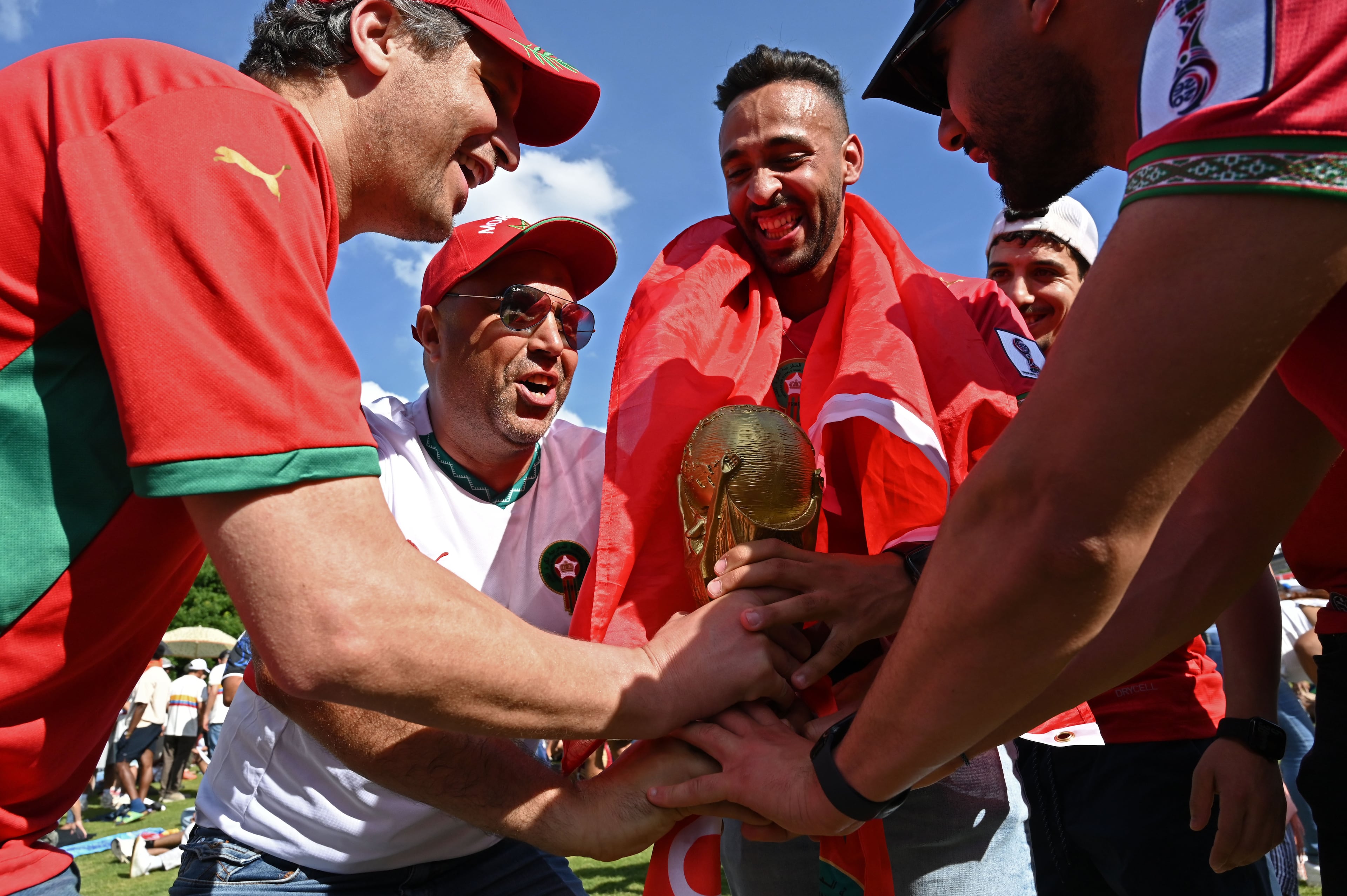
That show of humanity is heavy on the mind of Woodstock resident, Nour Moghrabi. The 25-year-old restaurant worker and student has been active on the Moroccans of Georgia Facebook group, attending every Fan Fest watch party. Moghrabi will also be on hand to watch Morocco take on Haiti.
He’s been in the metro area for 11 years. His dad is from Morocco, his mom from Jordan. Moghrabi was born in Palestine. He joined the Facebook group to connect with Moroccans and other Arabs. Hearing stories about the struggles for foreigners to get into America, showing up wearing a Moroccan flag around his neck isn’t simply fandom, it’s a statement, standing in for those who can’t be there.
“They get denied. That’s why I can’t not show up. Every time they have a game, I take off from work because I want to show off my country, to represent it,” he said.
2030 till infinity
Back in December 2024, FIFA announced that Morocco, Portugal and Spain will co-host the 2030 tournament.
Mother-daughter supporters Sara Poe and Karima MuhammadPoe plan on being there together. At the moment Karima Poe, 27, who grew up in Gwinnett County, is studying at Morehouse School of Medicine, but an internship in California has kept her away from her hometown’s World Cup action.
Meanwhile, mom has been in the thick of it.
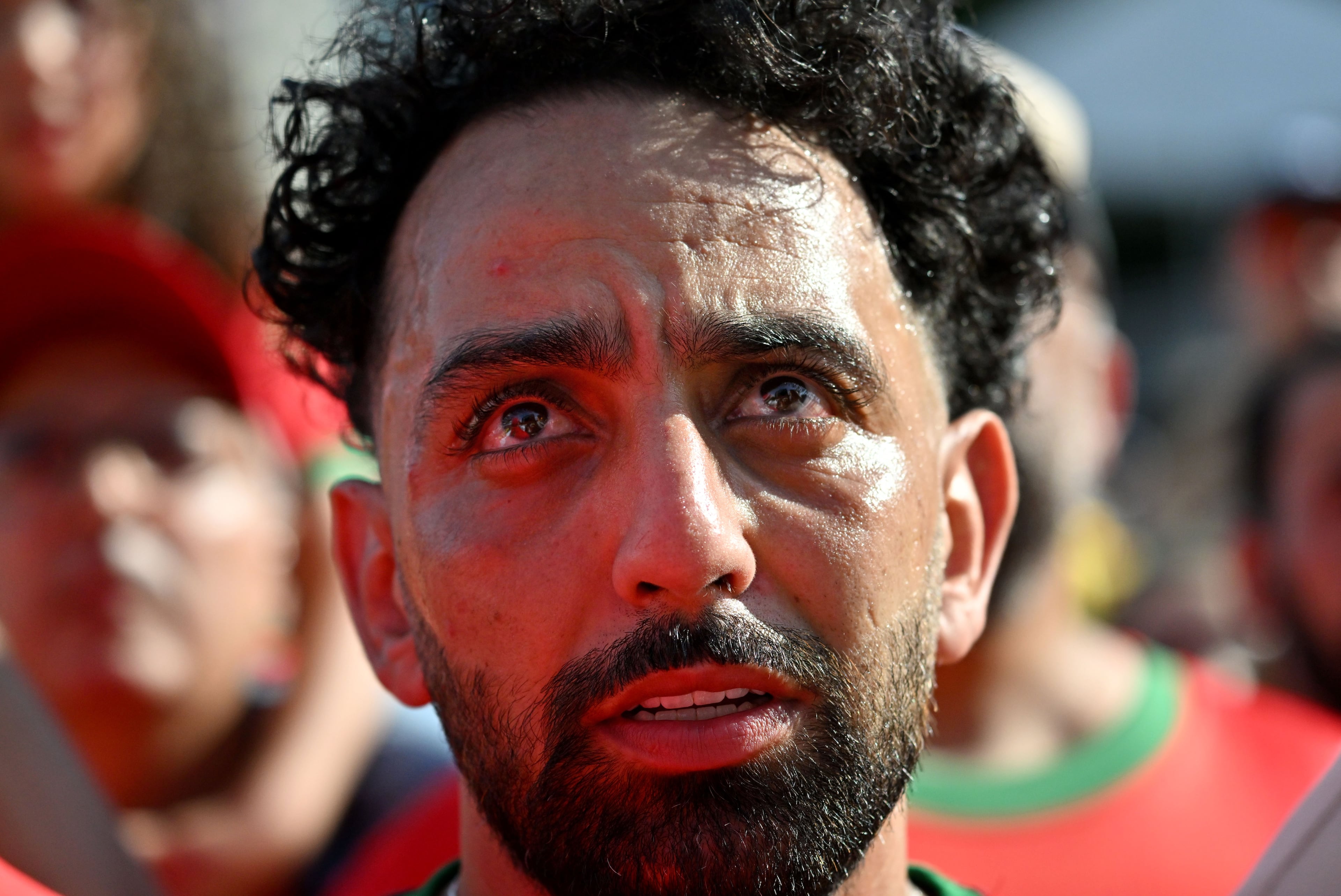
At 49, Sara Poe, a Fes native, has only known one sports love: the Atlas Lions. She’s attended every Fan Fest party at Centennial Olympic Park. When Morocco scored first against Brazil in their opening match, she stood in the middle of a crowd, overcome with emotion.
“I was crying. I don’t know what I’m doing. I’m screaming. Everybody’s looking at me. It’s some feeling. I don’t know how to explain that,” she recalls.
Her daughter tries to put it all into greater context.
“This means so much to us because the team is putting Morocco on the map for real and it’s making people more aware of our heritage,” said Karima MuhammadPoe, who hopes Morocco will still be alive in the tournament when she wraps her internship on July 12. She’d want nothing more than to watch one match with her Moroccan community here in metro Atlanta.
This includes her friend, Moumaris, who can’t hide her excitement to one day potentially watch Morocco compete on home soil with her father.
“I think for me it just gives a deeper tie to self and identity and family,” she said. “Maybe next time when it’s hosted in Morocco, I can physically be there — God willing.”