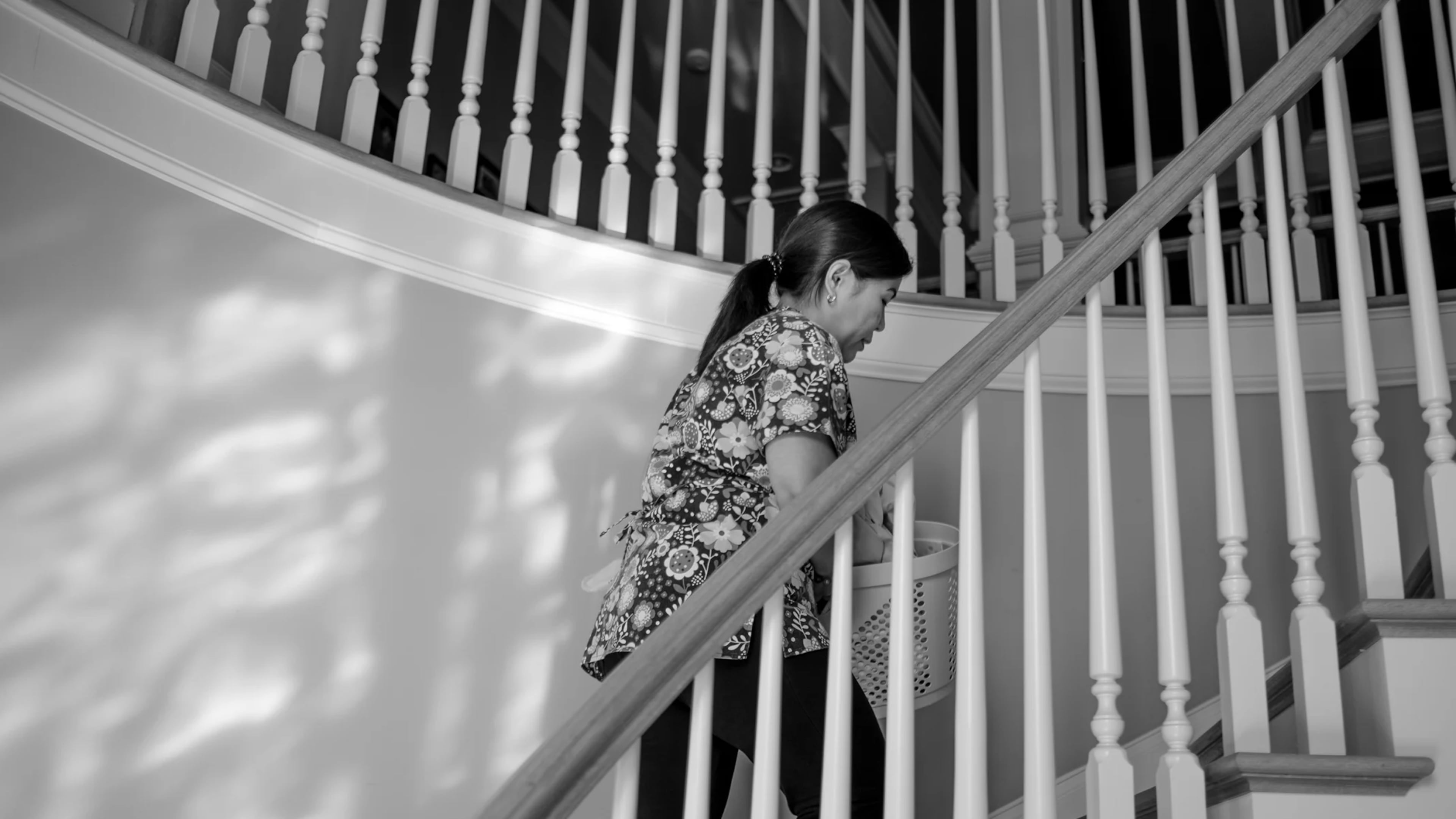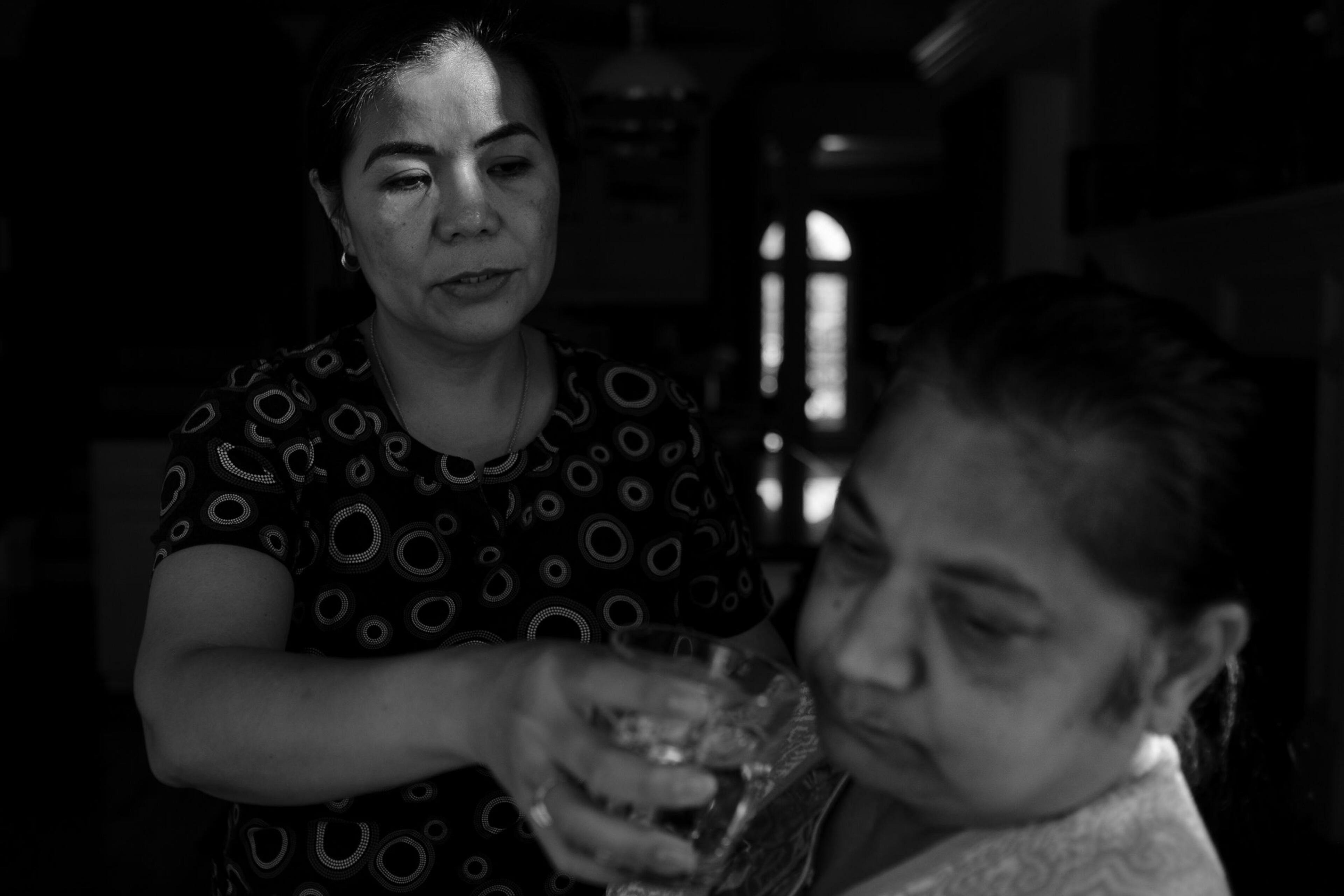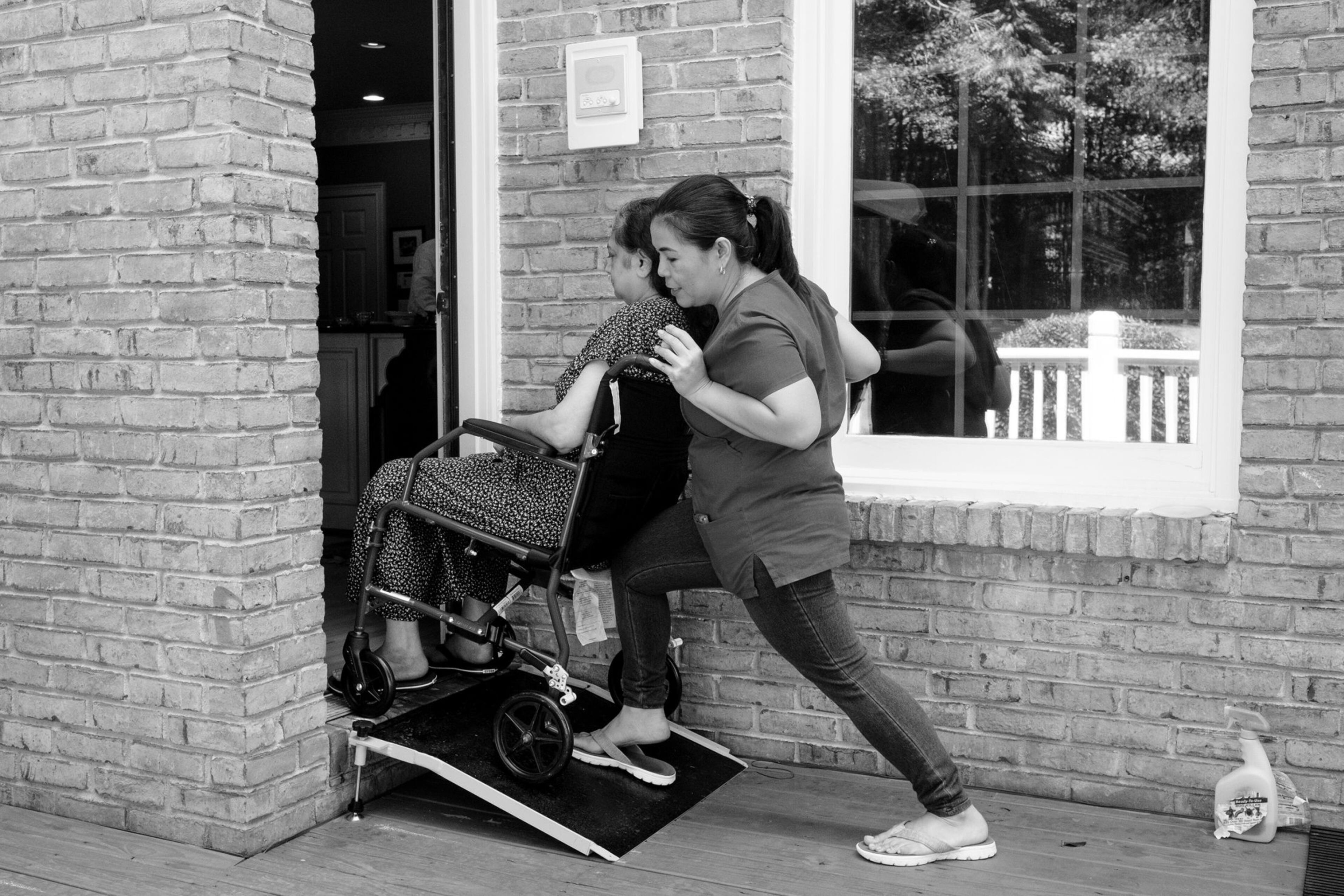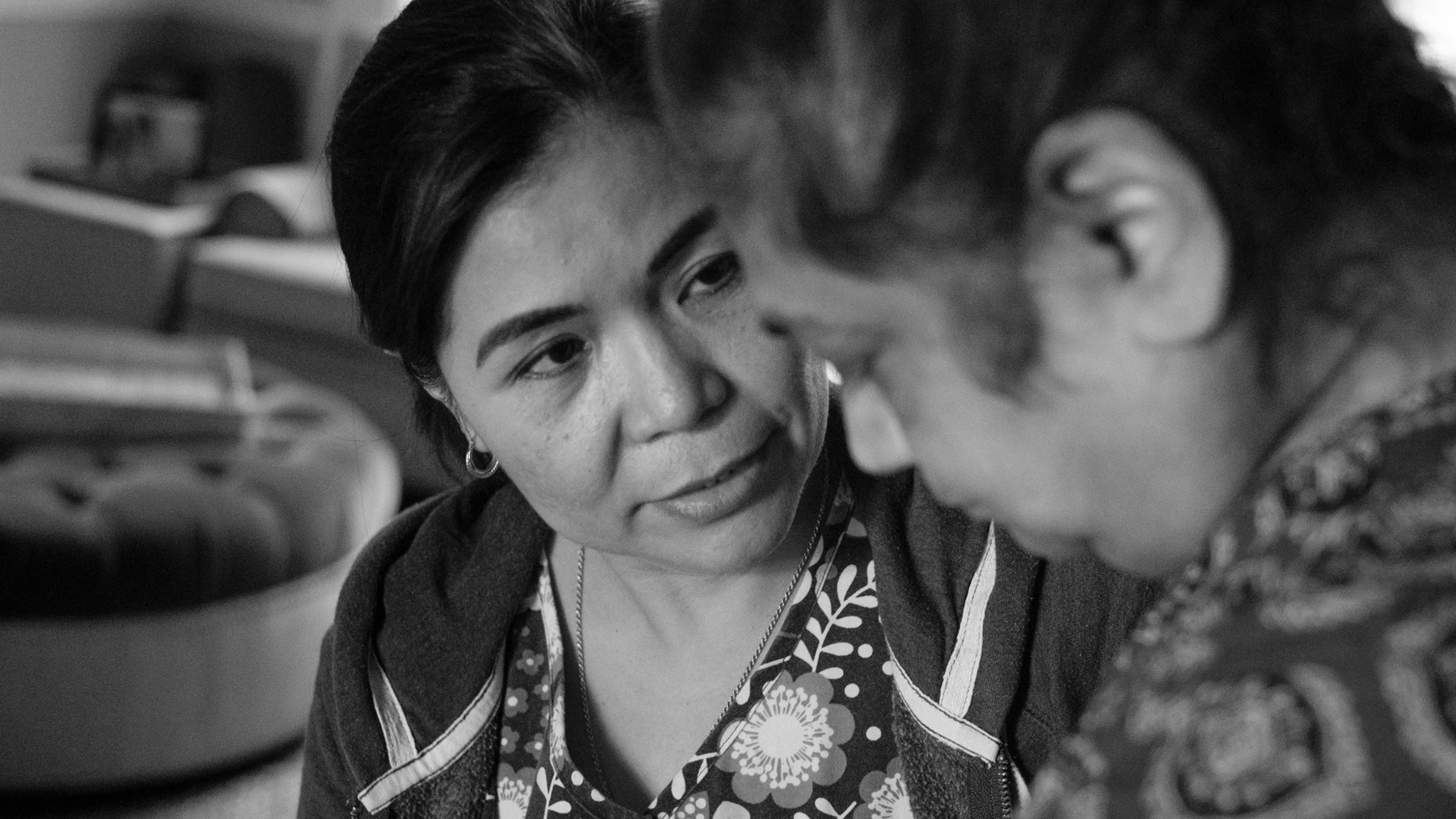
Juliet Pingul was exhausted. For years she’d toiled for minimum wage in nursing homes and assisted care facilities, hectic environments that required her to be on her feet for up to 12 hours a day pushing wheelchairs, cleaning messes and feeding and bathing dozens of patients.
So in 2012 she enrolled in evening classes at Gwinnett Technical College with an eye toward a more comfortable and well-paying job as a medical administrative assistant. By the end of the year-long program she had a job offer at a doctor’s office. But she didn’t accept it.
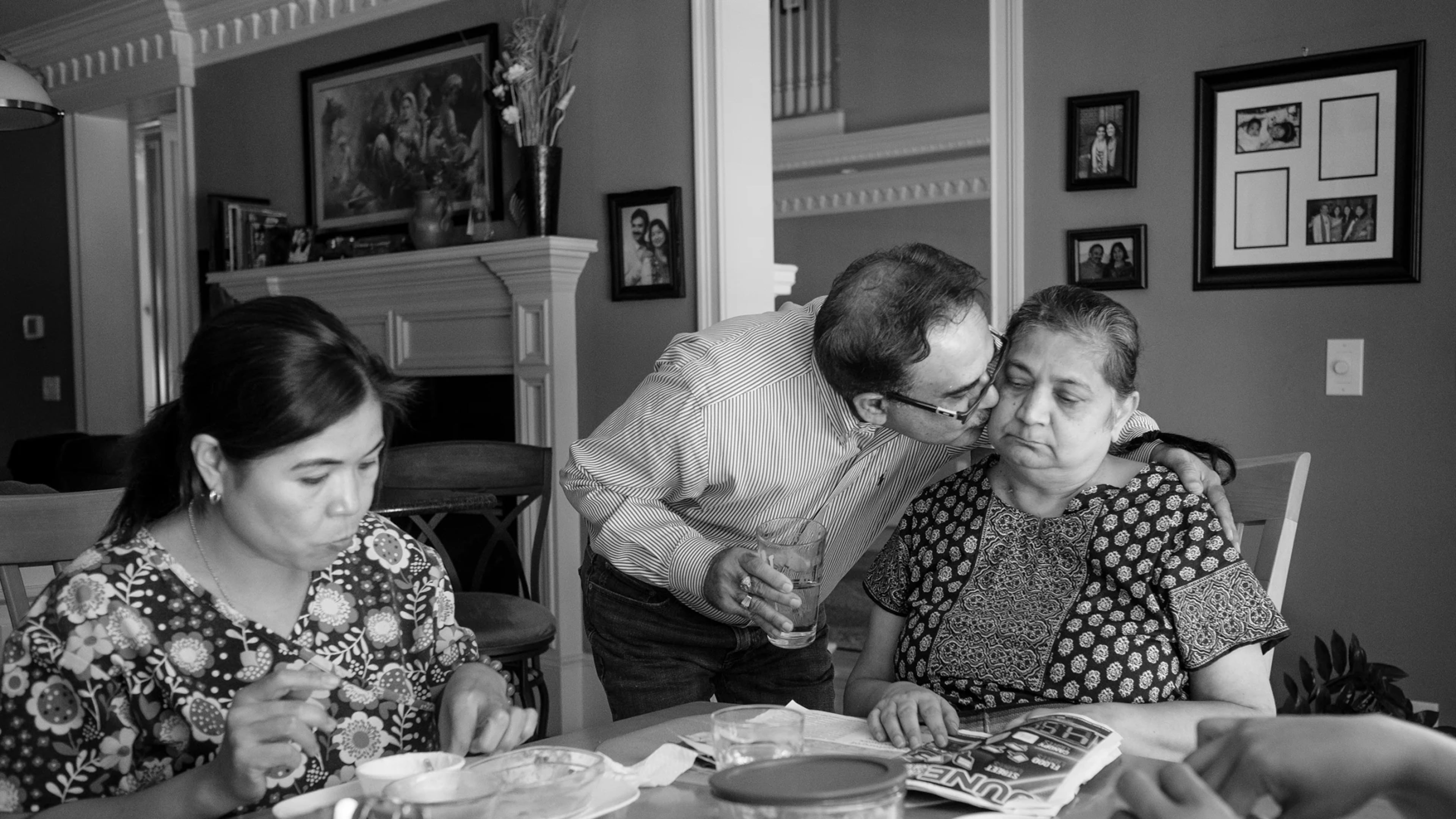
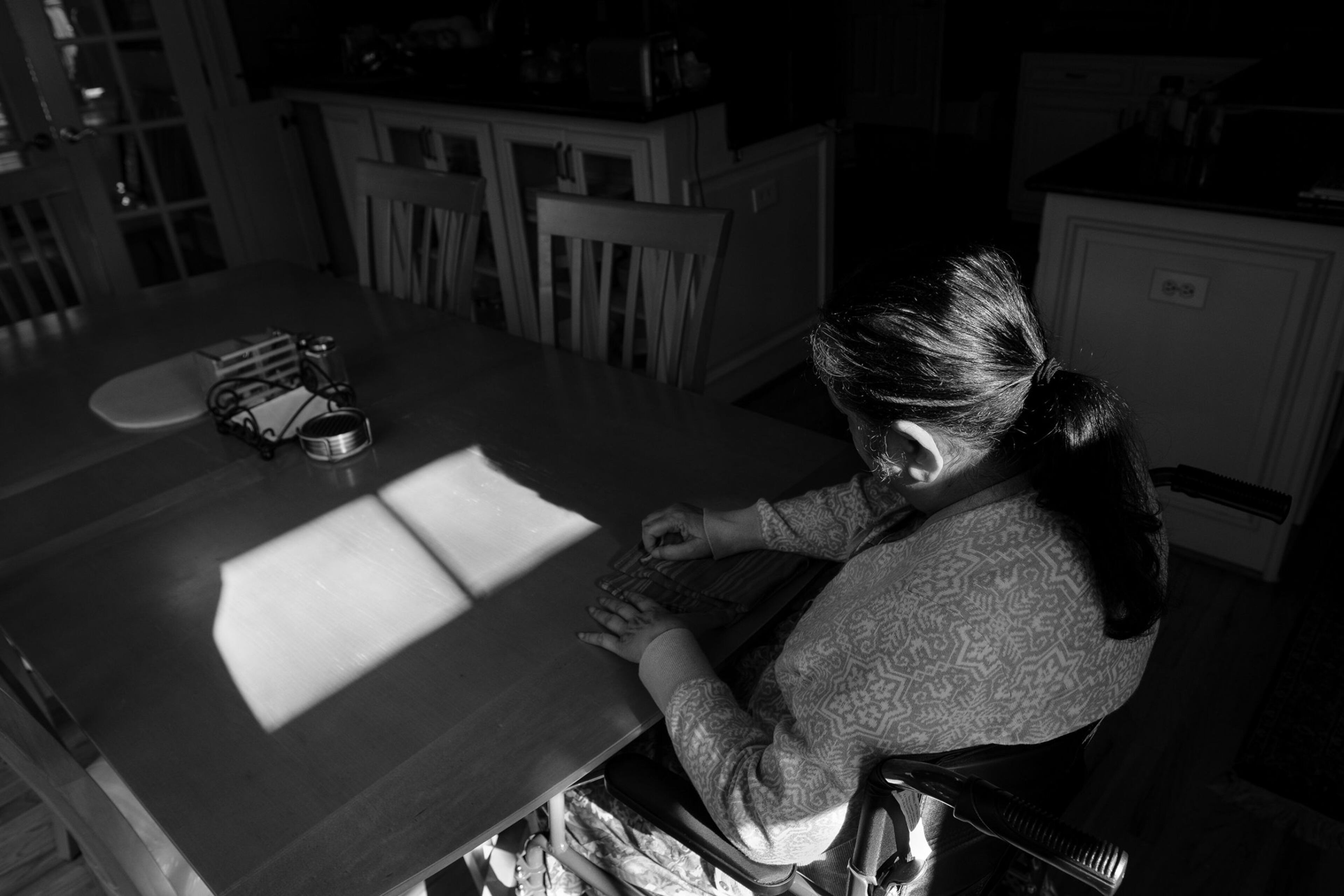
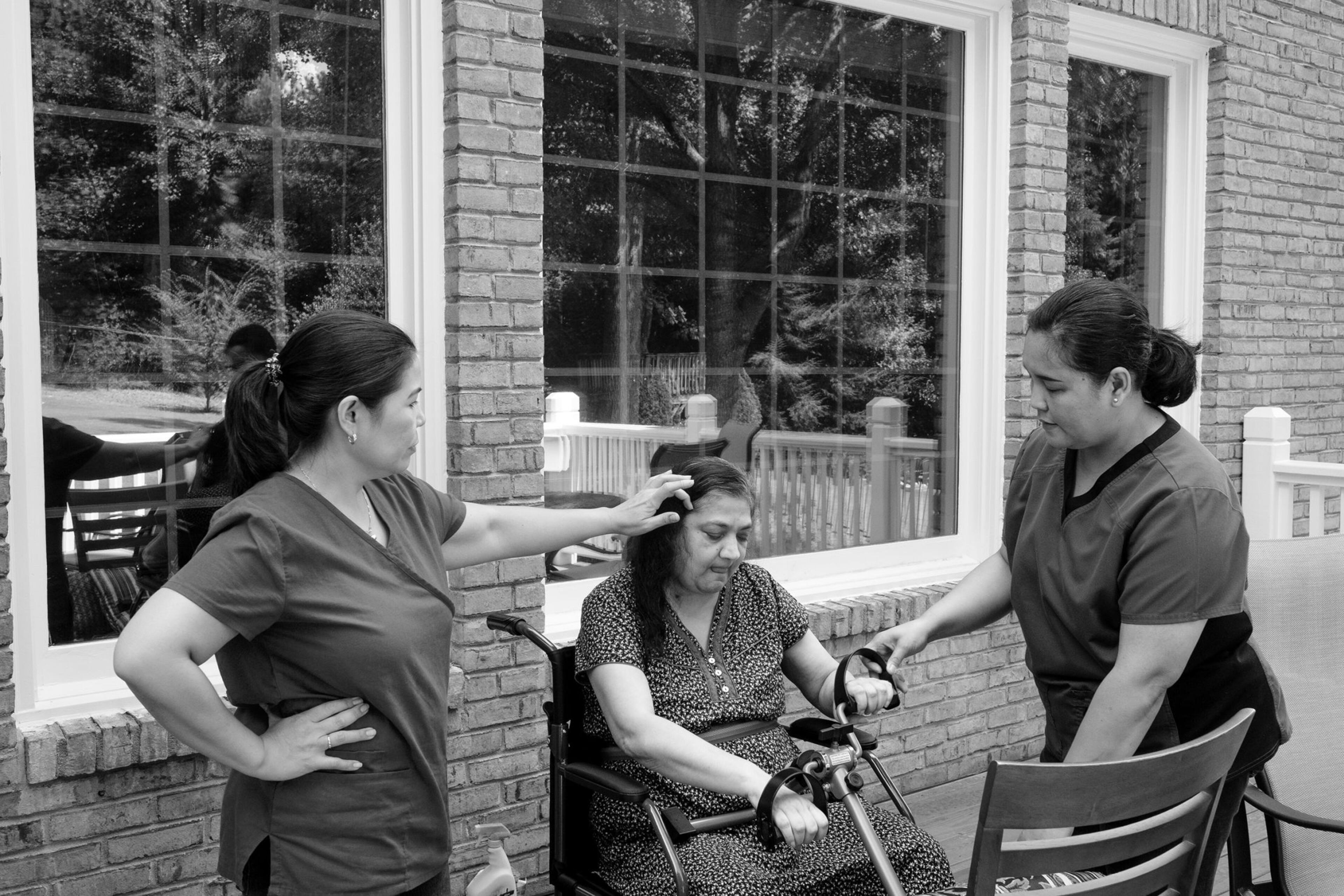
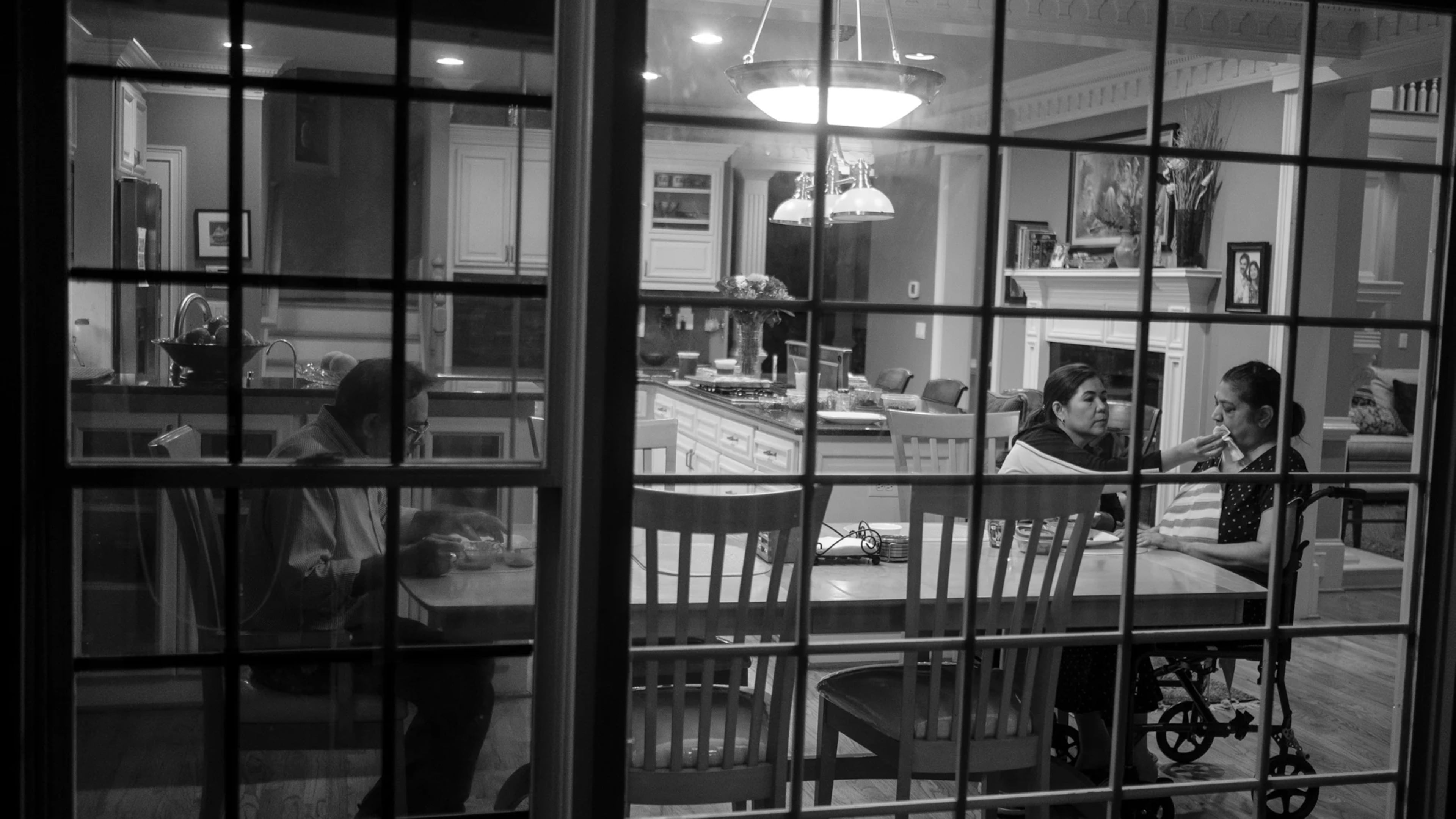
At the time Pingul had spent 10 months caring for a client in Atlanta with dementia. She worked privately for her client as a home care aide and earned more money than she had at any institution. The hours were better and the work, though physical, was less demanding. She found that she’d grown attached to the person she’d looked after, joked with, and took swimming and other activities.
“I told her family, ‘As long as you need me, I will not leave,” says Pingul. She would serve as her caretaker until the client died six years later.
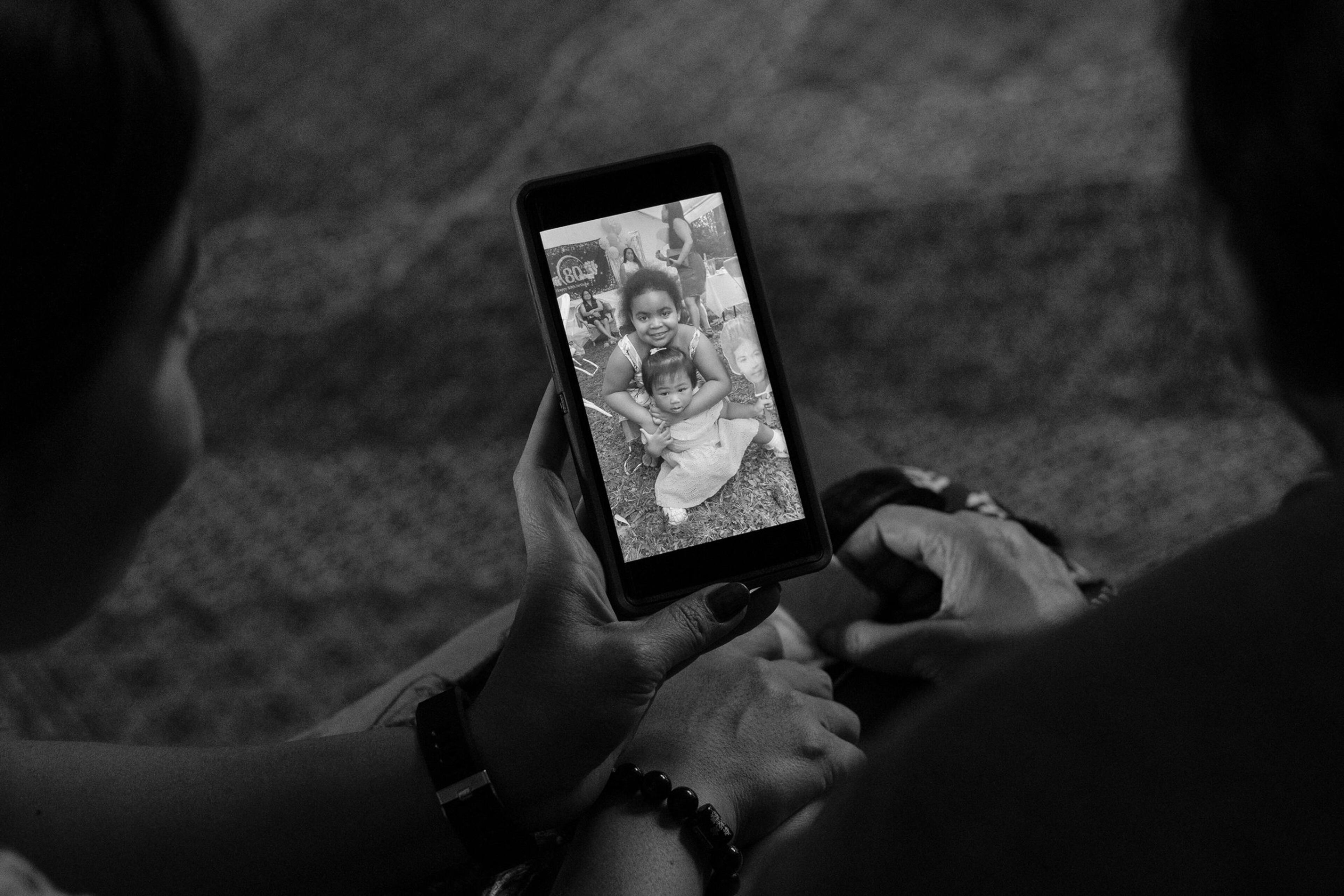
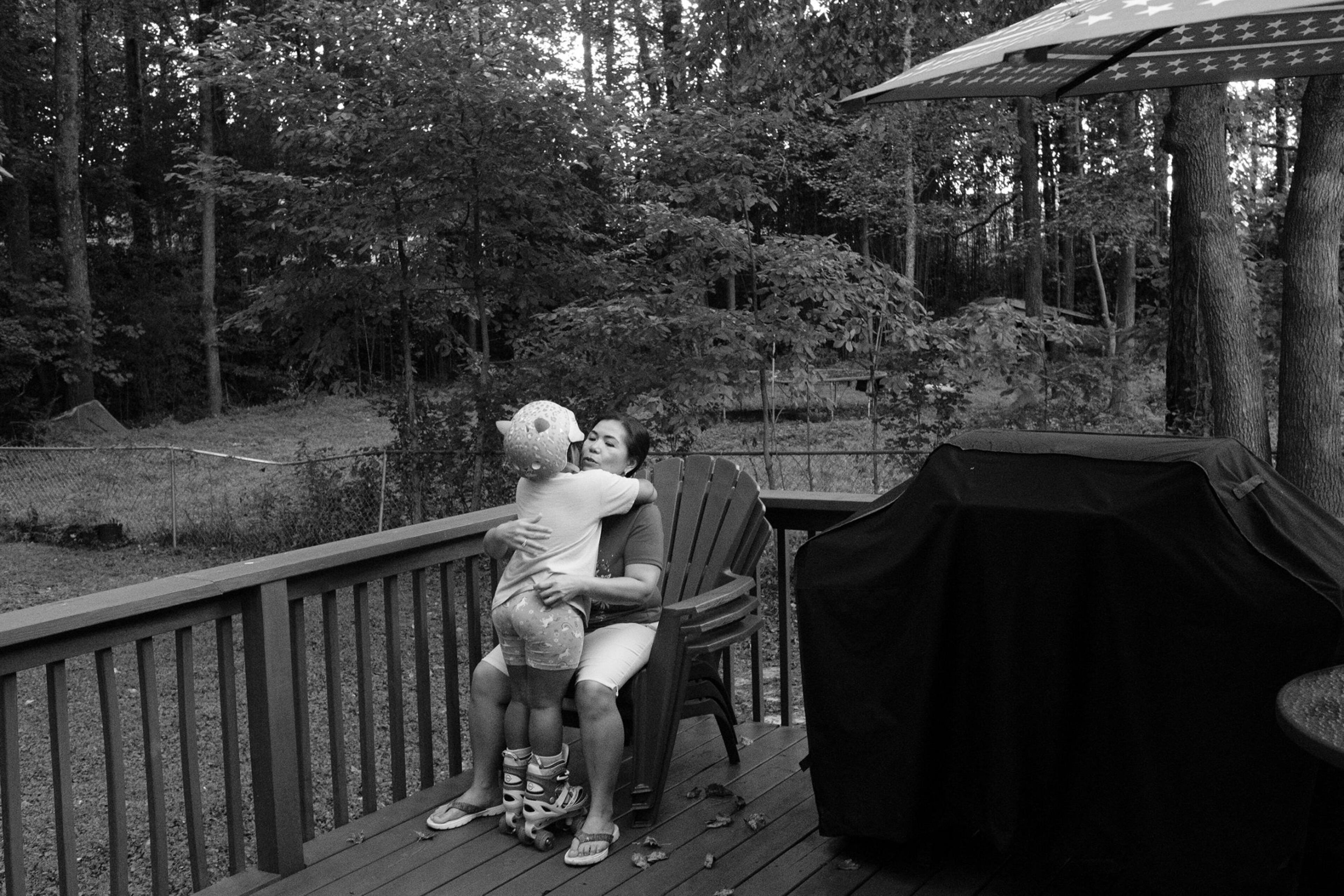
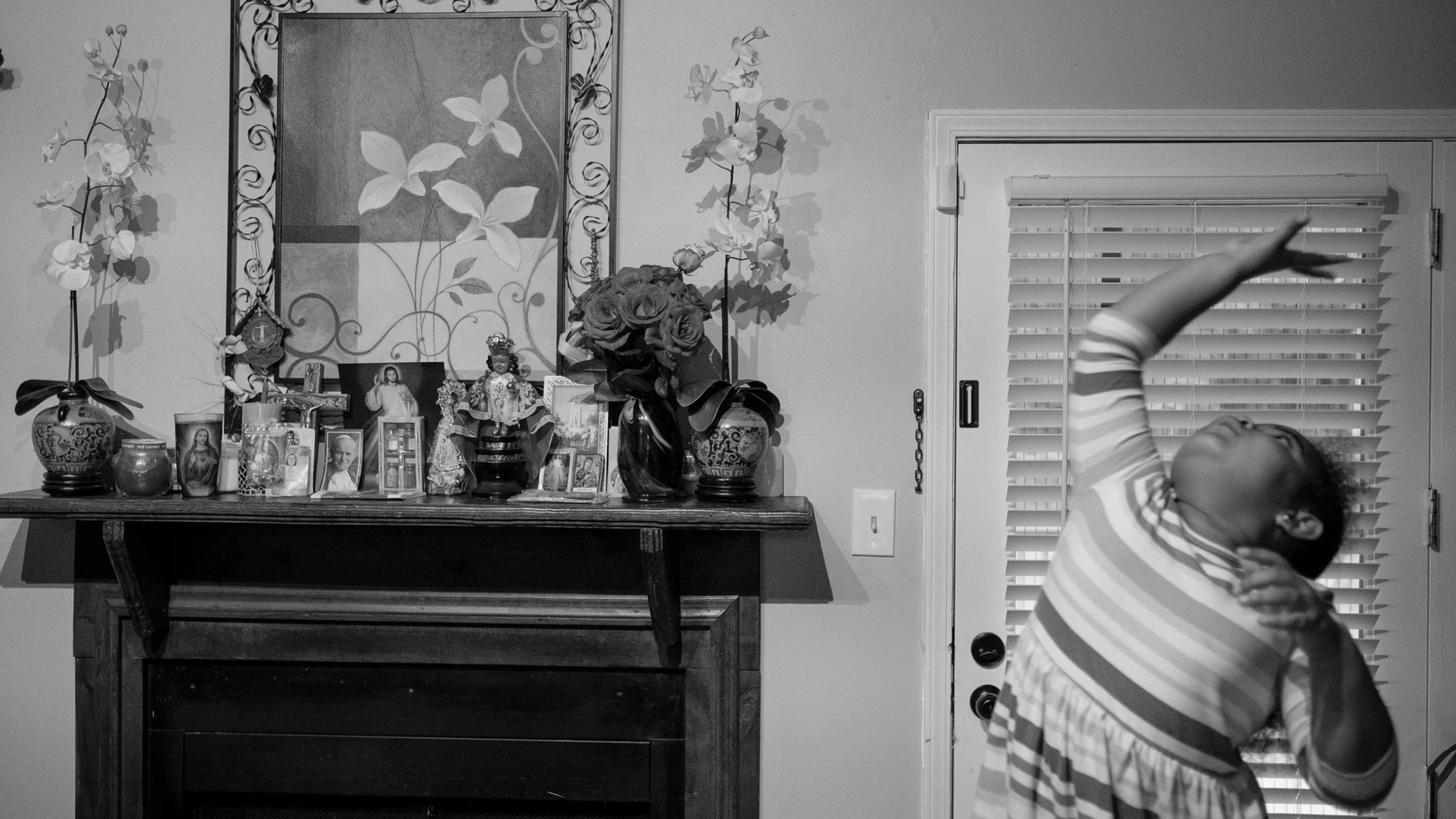
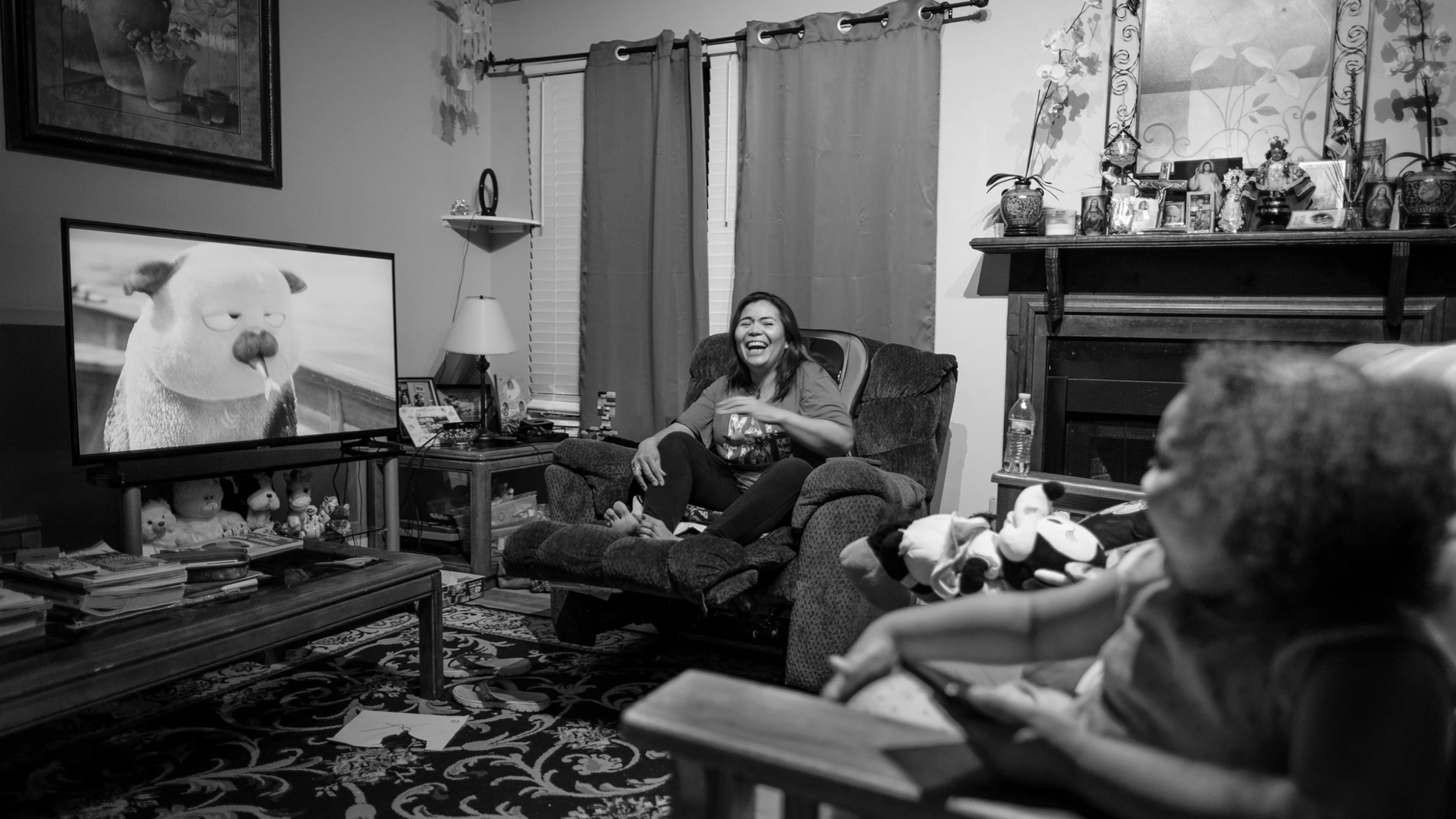
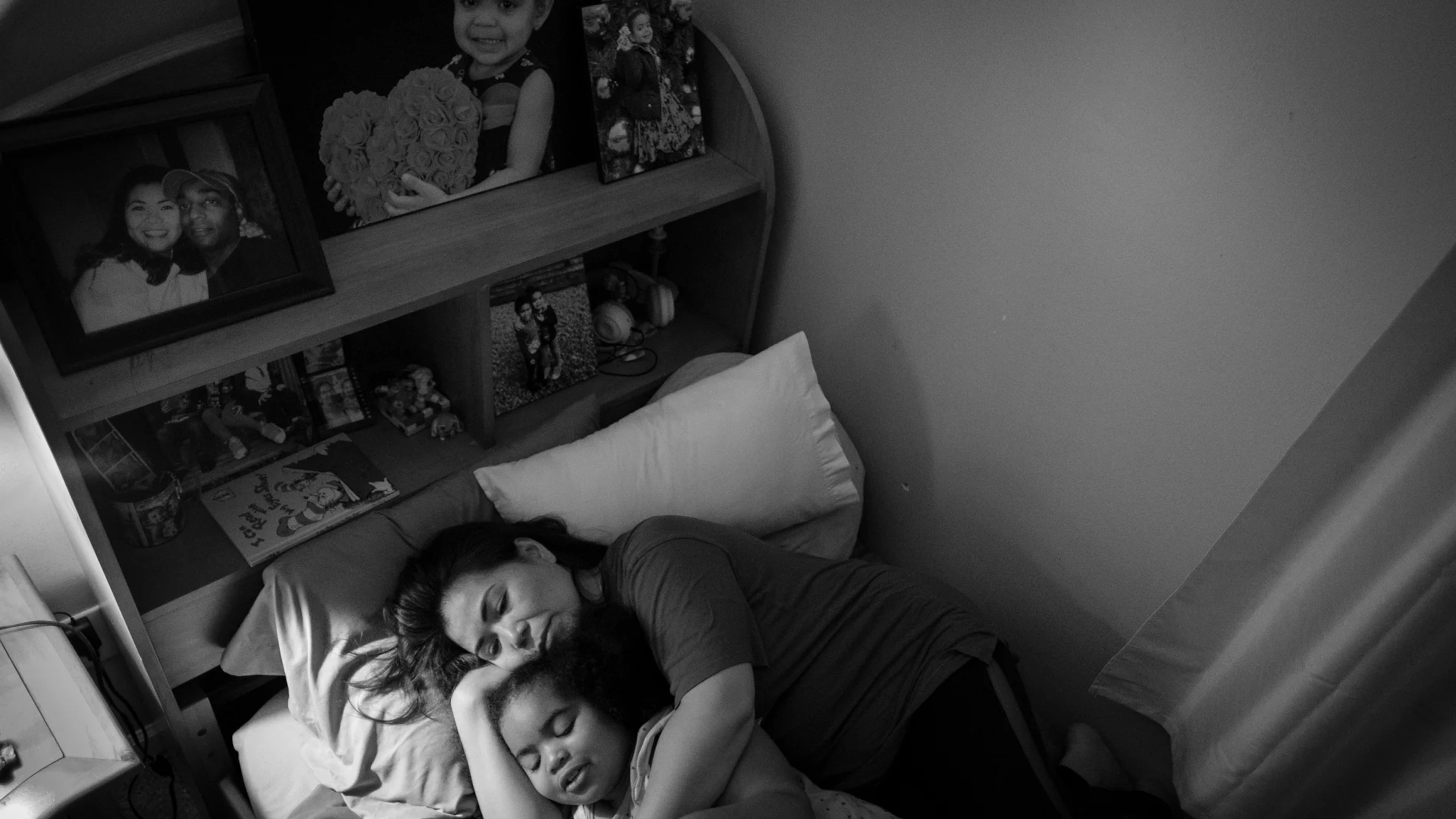
Pingul, 47, is still a caregiver has added her own business, connecting other caregivers to private clients. She’s a single mother, who also cares for her 7-year-old daughter and her own 81-year-old mother. The Filipino immigrant considers herself lucky to have found a way to make a living looking after others.
“I’m blessed enough to meet the right people in the right path that lets me do what I’m doing now,” she says.

But other home care professionals aren’t as fortunate. Many work for minimum wage for agencies and other institutions.
Nationally, home care workers earn a median annual income of $19,100, according to PHI, a research and advocacy group that aims to enhance working conditions for care workers. About two in five home care workers work part time, more than half have not completed an education beyond high school and more than half are on some form of public assistance.
There are roughly 2.6 million home care workers in the nation and 36,000 in Georgia, according to 2021 data collected by PHI. That’s a “very conservative” estimate of the workforce size, since people who are privately employed, like Pingul, aren’t included in the data, says Kezia Scales, senior director of policy research at PHI.
Meanwhile, as the elderly population expands, the need for home health care work is rapidly rising. From 2020 to 2030, there will be nearly 5 million job openings for these workers – including 1 million new jobs created by demand, according to PHI.
The pandemic hasn’t made hiring easier.
“We’re seeing employers struggling more than ever to recruit and retain home care workers in these difficult jobs,” says Scales. “Those who might consider home care jobs may instead choose jobs in retail or fast food or other industries that are able to offer, in most cases, a higher wage.”
Pingul sees what’s coming and hopes to open a day center for aging adults. “I am good at this,” she says. “This is my calling.”
We documented Pingul as an example of the ups and downs of being a caregiver both professionally and to her own family. It’s clear that for Pingul, caregiving — a profession that is both essential and overlooked — is a labor of love.