
It was a stunning night. With every piece of news about a Democratic pickup, a historic win or a complete rout on Tuesday, 24 years of Republican dominance in Georgia fell away a little more completely.
By the time the votes were counted, U.S. Sen. Jon Ossoff had won reelection by 18 points, Keisha Lance Bottoms won the governor’s race by nine, and Democrats had won the races for lieutenant governor, attorney general, secretary of state, insurance commissioner, and every other statewide race on the ballot.
Democrats also picked up at least 12 seats in the state House, flipping control of that chamber, and three seats in the state Senate. That leaves Republicans with just a 29 to 27 advantage there. A single defection would cost them the majority on any given vote.
The message from voters of all of those results was loud, but it wasn’t completely clear. Were voters signing up for the full Democratic agenda? Or just anything not associated with President Donald Trump?
The big question at the state Capitol going forward is, now that Democrats have the keys to the car, where are they taking us?
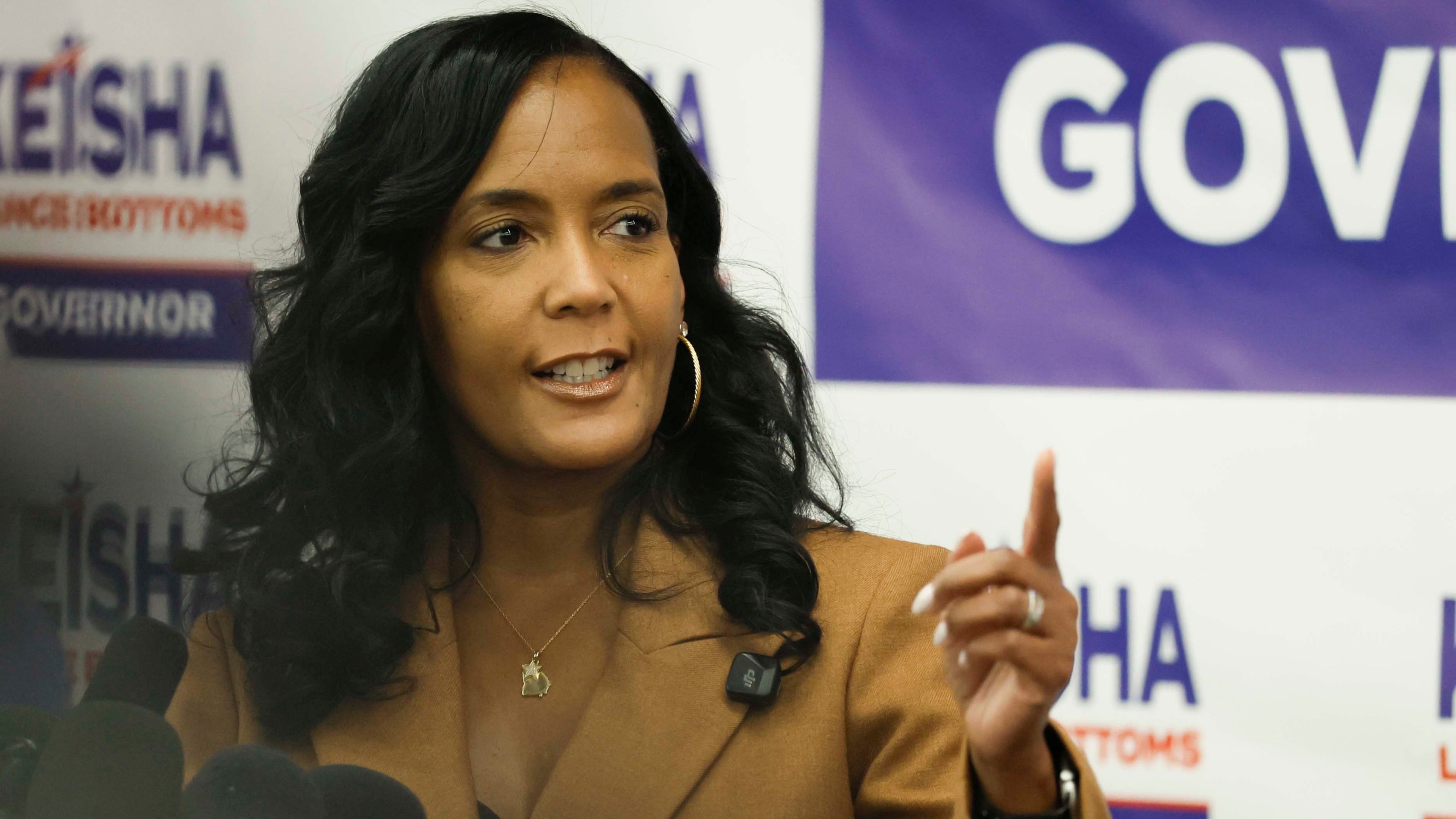
Gov.-elect Keisha Lance Bottoms held her first news conference Wednesday to answer that question, and what she said might calm the frayed nerves of the Republicans left standing or voters who believed GOP warnings that a Bottoms administration would be a radical, socialist experiment.
“We are a state that’s done really well in moderation,” Bottoms said. “We don’t do our best work, in my opinion, with extremes on one side or the other.”
She said her focus will be on the worries she’s heard from Georgians for the last year and a half.
“My priority will be to address these cost-of-living issues that I’ve heard around the state,” she said. “I want to allow local governments to suspend or end our grocery tax, and also expanding Medicaid and fully funding pre-K and fully funding education will be a priority in that first budget.”
She also said she’d like to expand access to mental healthcare, help veterans, caregivers, and teachers, and turn back the state’s six-week abortion ban.
As for the people who didn’t vote for her, Bottoms said she plans to be their governor, too. “I want people to be clear that I’m thinking about them, and even if they did not support our campaign, I hope that they will know that I’m going to work on their behalf.”
Is that just something all new governors are supposed to say? Maybe. But voters — including Republican voters — exhausted of Trump’s insults, attacks and obscenities might enjoy the change of pace.
By the time Bottoms talked to reporters on Wednesday, said she said she had already had a “very good conversation” with Gov. Brian Kemp about ways he and his staff might help her have a smooth transition.
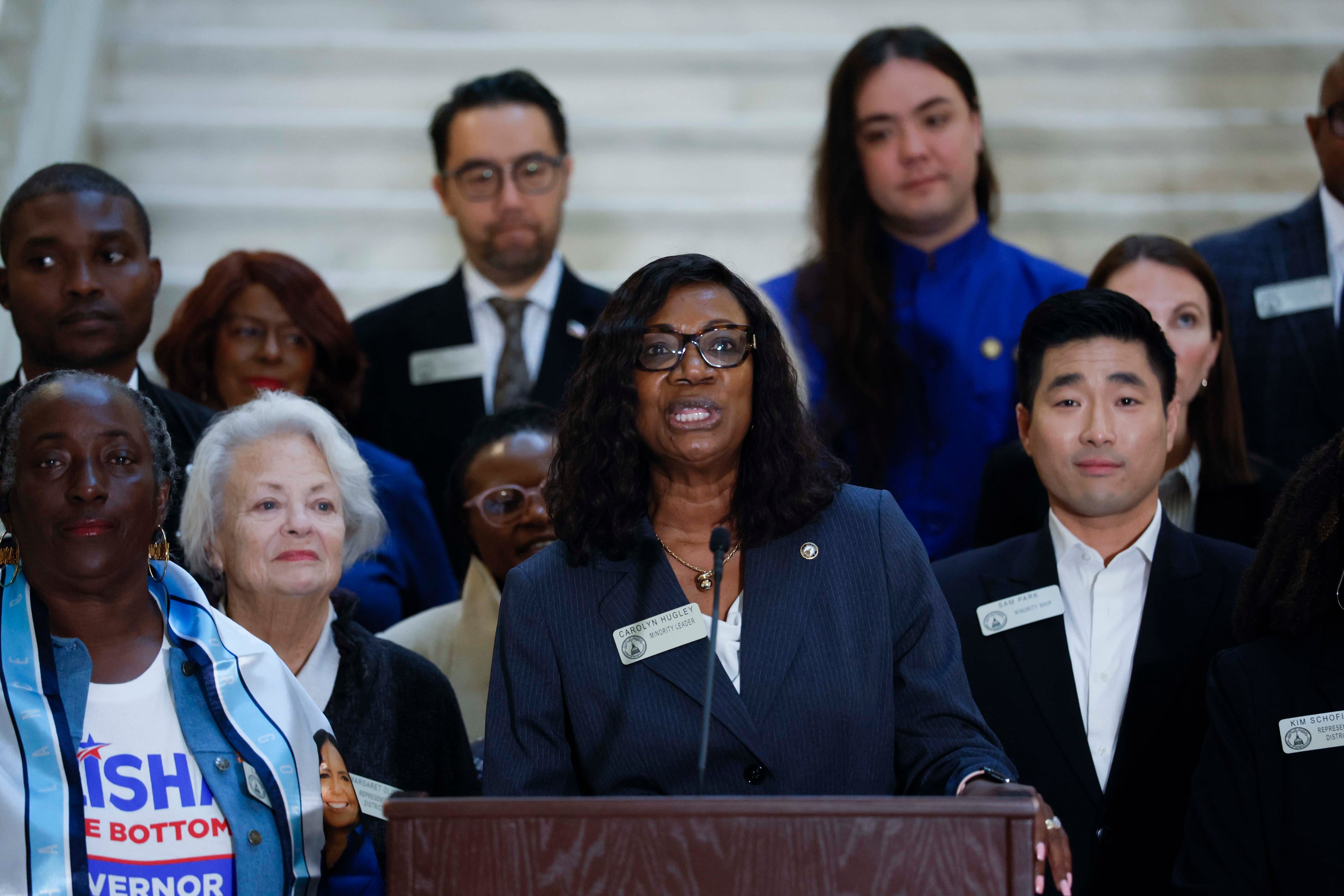
She had also already talked to House Minority Leader Carolyn Hugley, who is poised to be the next House speaker. Hugley echoed Bottoms’ message on moderation in her own news conference Wednesday.
“I’ve been a member of this body for 34 years, and I love the House and I respect and honor its traditions,” she said. “I believe it’s important for us to make sure that everyone is treated with courtesy and respect.”
Hugley, too, said that cost-of-living issues will be House Democrats’ focus, along with helping Bottoms pass her agenda.
Across the Capitol at the state Senate, Minority Leader Harold Jones thanked Georgia voters for their support and said Senate Democrats plan to lead like grown-ups.
“We made it clear we would govern with maturity and reason,” he said. “And we will deliberate on all issues important to Georgia citizens.”
Incoming Lt. Gov. Josh McLaurin said the election results practically amounted to a cry for help from Georgia voters tired of Trump’s constant distractions and focus on culture war issues.
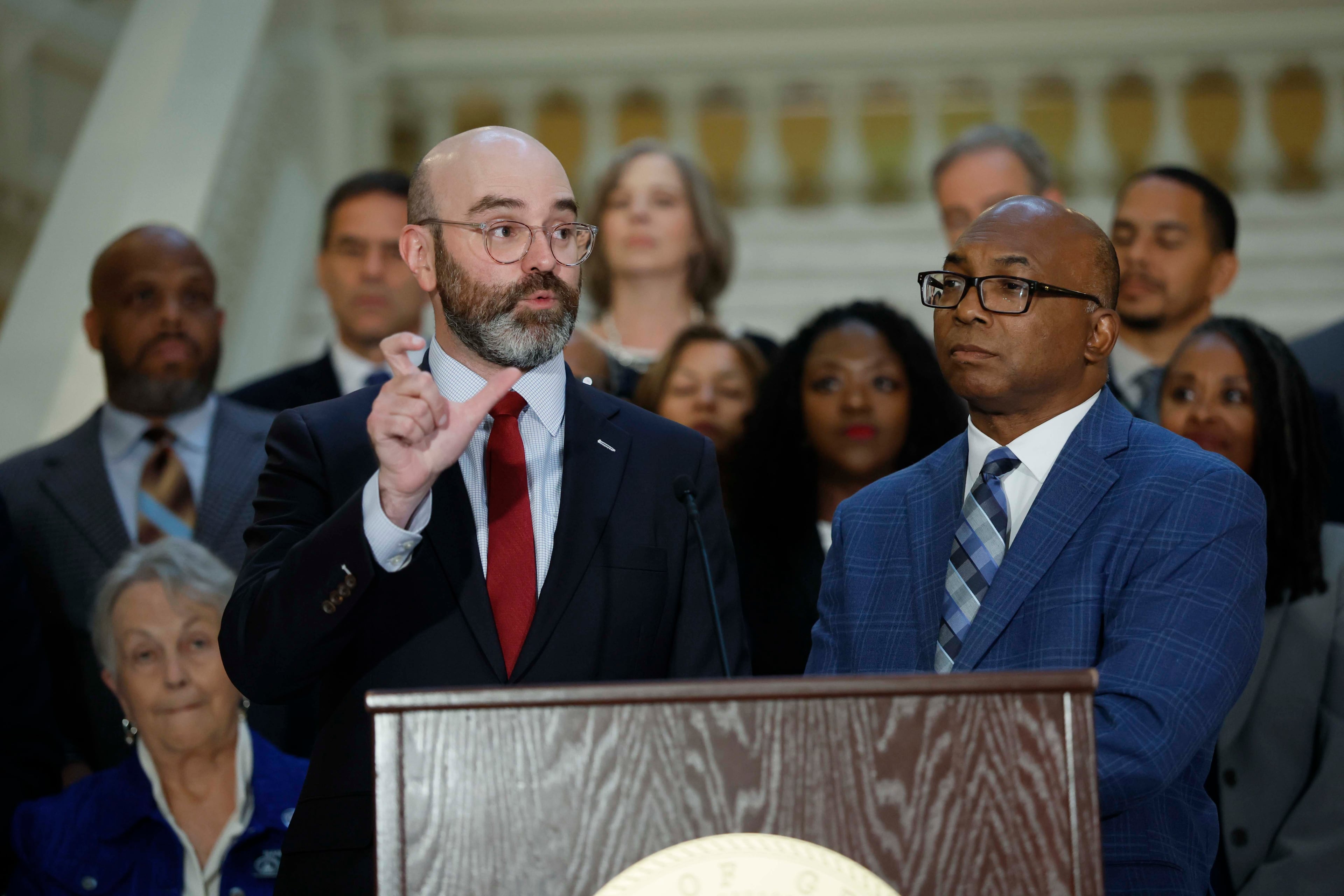
“I think the one word I heard the most in 18 months on the campaign trail was ‘exhausted,’” McLaurin said. “Voters just want to wake up and go to work, take care of their kids, come home, spend a little free time, maybe go on vacation every once in a while.”
Altogether, the Democrats sounded moderate, sober and even friendly. After the last two years of chaos, ballrooms and broken promises voters seemed to be reacting to Tuesday night, it might even seem too good to be true.
But one very real factor that’s surely pushing Democrats to the sensible center is the fact their new majority in the House has come courtesy of districts where Democrats don’t usually win — places like Dallas, Gainesville, Rincon and Warner Robins.
The 12 seats they flipped from Republican to Democrat will make up exponentially more of the House caucus than the two Democratic Socialist members who will take their seats in January. Former House Speaker Nancy Pelosi used to call her moderate members the “majority makers,” and treated them like the prizes they were.
McLaurin called them part of Democrats’ “new governing bipartisan coalition.”
“I say ‘bipartisan’ because it wasn’t just Democrats who elected this coalition last night,” he said. “It was Republicans, independents … I’ve even heard stories of three-time Trump voters who voted a straight Democratic ballot because they have said it is time to make a change in this state and turn the page.”
The Democratic leaders seem to be turning to page, too. Now that they’re on the record about where they’re headed, voters can chime in at any point with directions if it looks like they’re getting lost along the way.