The 3 key factors driving the Georgia elections
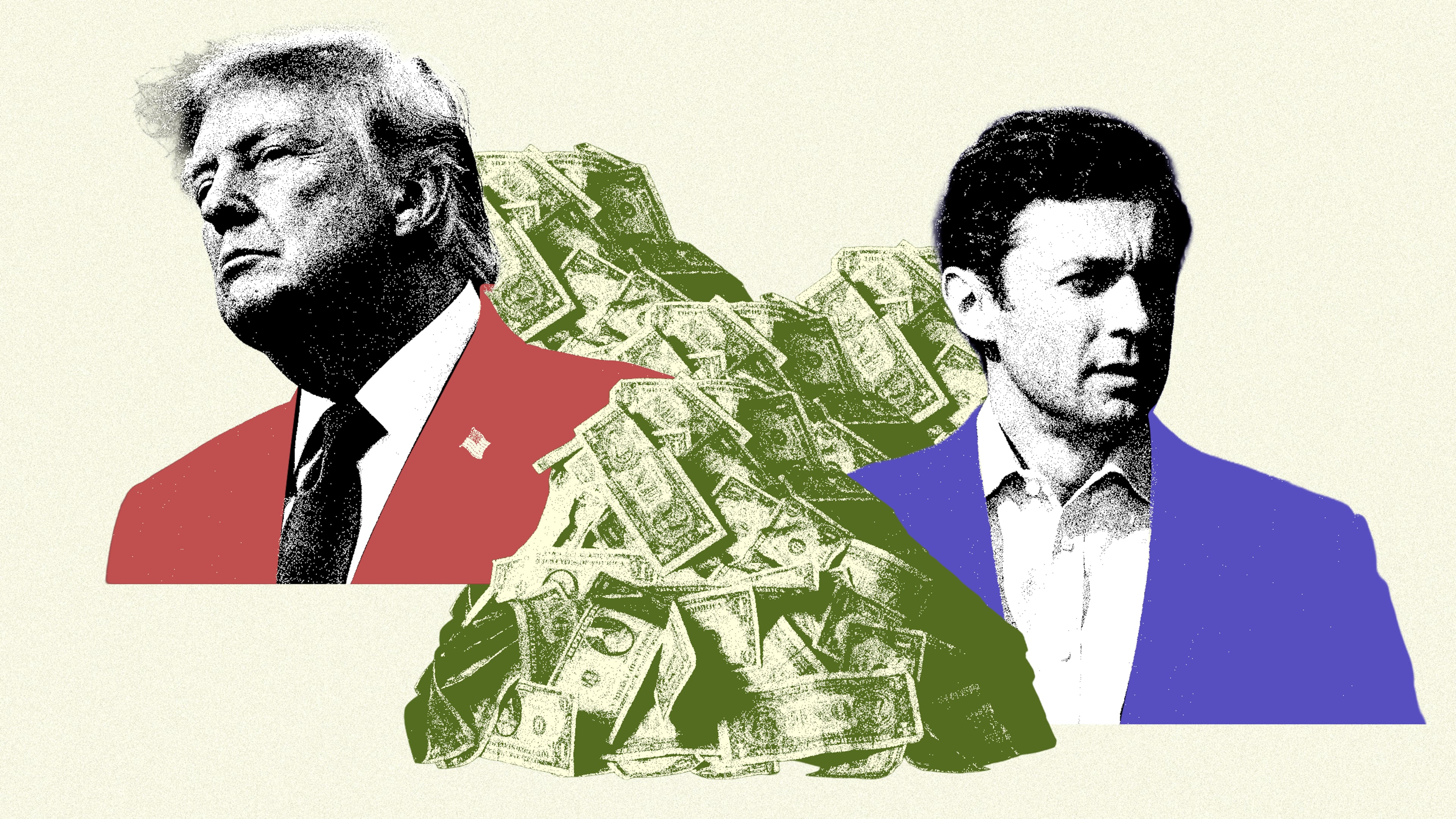

There’s a number that Republican operatives are trying to figure out heading into Election Day: What is the largest margin Democratic U.S. Sen. Jon Ossoff can win his race by, but Republicans in other races still have a chance to win? Is it 6 points? Seven?
If Ossoff wins by 8 points, as the latest Atlanta Journal-Constitution poll shows, could other GOP candidates outperform Ossoff’s Republican opponent, U.S. Rep. Mike Collins, by enough to win their races, too?
Ossoff’s unusually strong showing in his reelection so far is one of the three major dynamics affecting nearly every other race on the 2026 ballot in Georgia this year. The others are President Donald Trump’s high disapproval ratings and the massive pile of cash Republican nominee for governor Rick Jackson has been spending on not just his race, but on a ground game designed to help the GOP up and down the ballot.
Trump’s drag
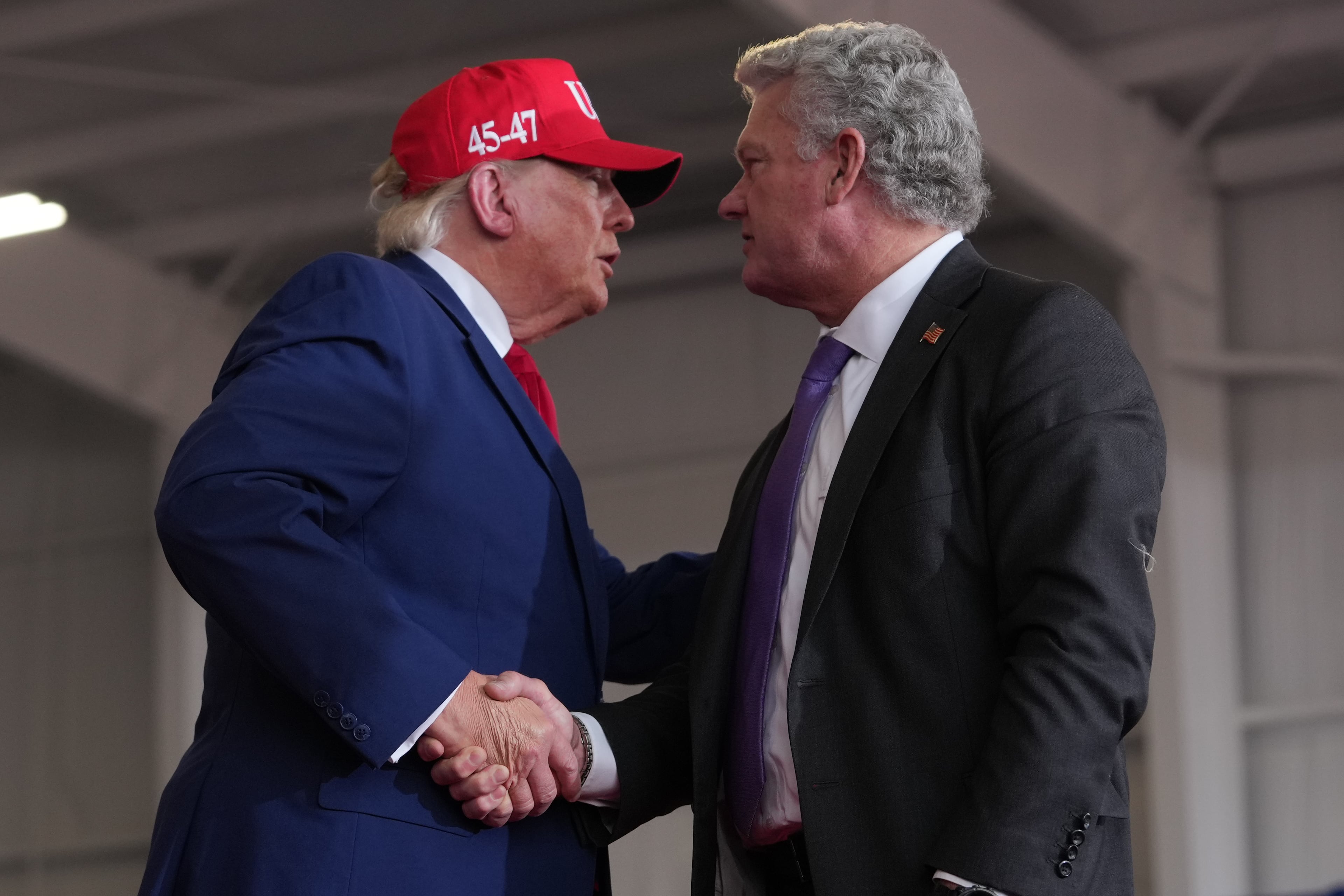
Sometimes it feels like there is no escaping the president, even in Georgia. Between the war in Iran, the Trump tariffs, the ballroom and whatever headline is driving the day, Georgians appear to have soured on the Trump agenda.
The AJC poll didn’t just show the president underwater by 13 points with likely voters. It showed that nearly half, 49%, strongly disapprove of the job Trump has done in office. Just 25% strongly approve.
Those numbers start to matter a lot in a general election, when angry voters are looking to check the president’s power and maybe even send a message to Washington in the process — even in races that have nothing to do with the president. The governor’s race is not immune after Jackson promised to be “Trump’s favorite governor.”
Looking to pump up turnout, Trump suggested voters should “pretend like I’m on the ballot,” even though he’s not. Just after U.S. Sen. Raphael Warnock cast his ballot in DeKalb County last week, the Atlanta Democrat agreed that’s a great idea.
“Georgians should vote like Donald Trump is on the ballot. His name is Rick Jackson,” Warnock said. “If you like these tariffs, which are really a tax on everyday items, then vote for Rick Jackson.”
2026 is shaping up to be a wave election across the country. The only question is whether it reaches Georgia and how hard it hits.
Ossoff’s lift

In normal political times, the governor’s race in a midterm election tends to set the pace for all of the other downballot races. But with Ossoff’s significant polling lead over Collins and a campaign still flush with cash, the freshman senator is the second driving force in 2026.
Ossoff is trying to use his momentum to not just slam the door on Collins, but to bring the rest of the Democratic ticket along with him on Election Day.
That means the Democrat has not just raised a huge war chest for himself; he has given nearly $4 million to the Democratic Party of Georgia for downballot races. He has also installed trusted aides at the party and last year staged a party leadership shake-up that resulted in Charlie Bailey, the former lieutenant governor candidate, being elected as party chair to replace U.S. Rep. Nikema Williams.
The Democratic Party’s coordinated campaign now has more than 100 staffers with 30 field offices across the state. And the door-to-door canvassing operation that Ossoff wanted for the full ballot has been underway since May, too.
No Democrat has benefited as much from the “Ossoff effect” as Keisha Lance Bottoms, the nominee for governor. Days after she locked up the nomination, Ossoff began to feature her at his large, viral rallies.
And even when she’s not on stage, Ossoff talks about her and the other Democratic nominees as he did in Cobb County last weekend.
“In 17 days, we’ll elect Keisha Lance Bottoms the next governor of Georgia,” Ossoff said, “And Georgia, in 17 days, will rebuke the crook President Donald J. Trump with such clarity and power that no president will dare such abuses again for centuries.”
Rick Jackson’s cash
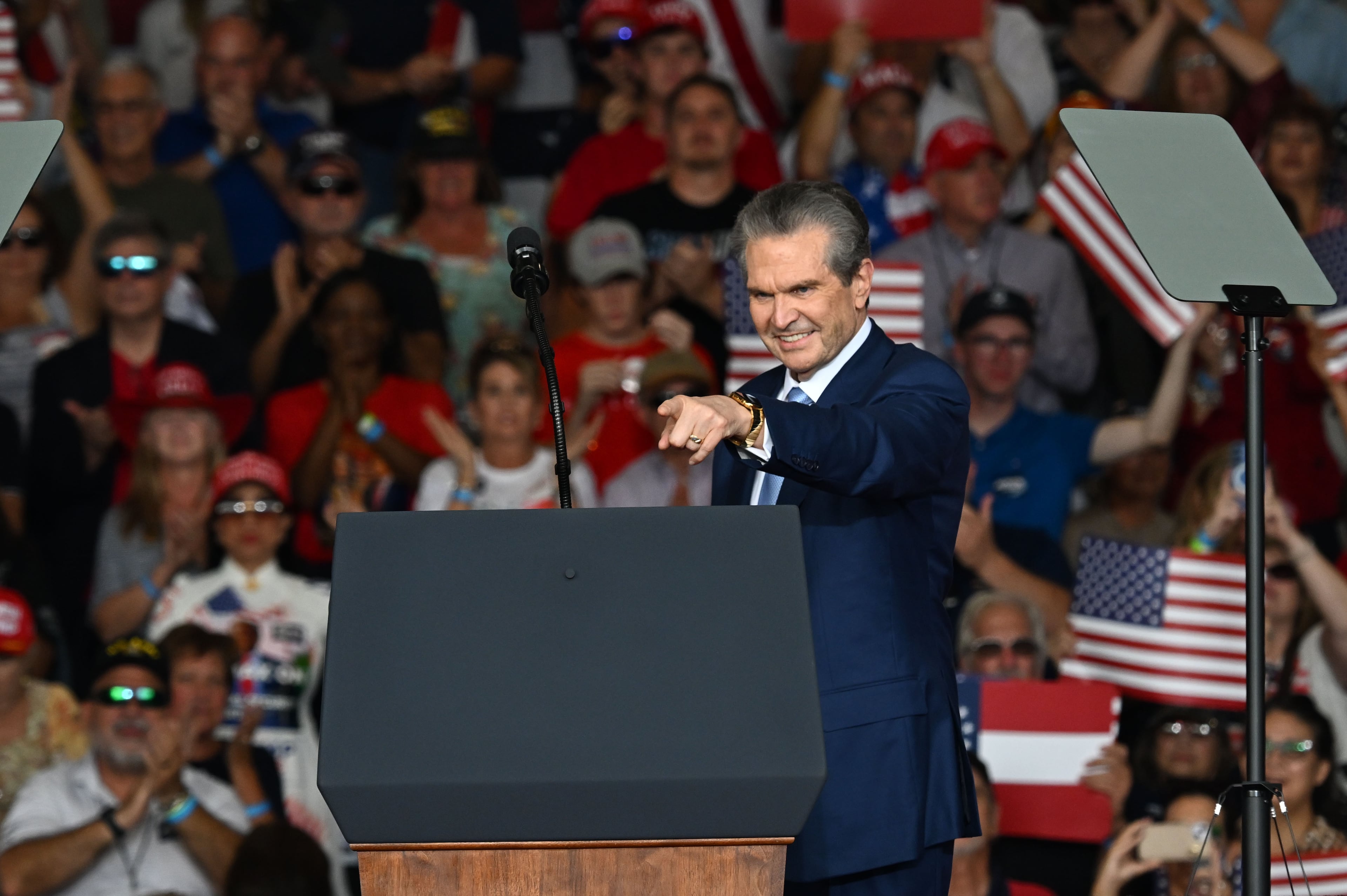
If Republicans could have built their ideal GOP nominee for governor from a lab, they likely would have chosen a successful businessman with no problematic voting record to pick apart, no longstanding ties to Trump to exploit and enough money to pay for his or her own campaign.
But imagine their surprise when a Christian conservative billionaire came along with so much money that he is building a statewide turnout operation big enough for all of them to win.
Jackson’s sheer volume of spending, which is likely to reach $200 million when all the checks clear, has had consequences for every candidate in Georgia, no matter their party. He is spending so much on television ads that candidates in other races said they’ve had a hard time breaking through with their own messages.
But the biggest effect for Republicans is that they’re still competitive in a historically anti-Trump, anti-incumbent year. Not only is Jackson neck and neck with Bottoms in the latest AJC poll, but so are most of the other downballot Republicans, with the glaring exception of Collins.
Were Collins driving the dynamics for his fellow Republicans in 2026, with just $1 million in the bank and a “MAGA warrior” message in an anti-Trump year, Democrats would probably be measuring the drapes for whatever offices they’re running for next year. Instead, Jackson and the other downballot Republicans have the resources to run through Election Day, and at least a 50-50 shot of winning the closest election money can buy.
Which of the three dynamics will decide the election? We’ll know soon enough.