The deciders: Georgia’s split-ticket voters could shape November
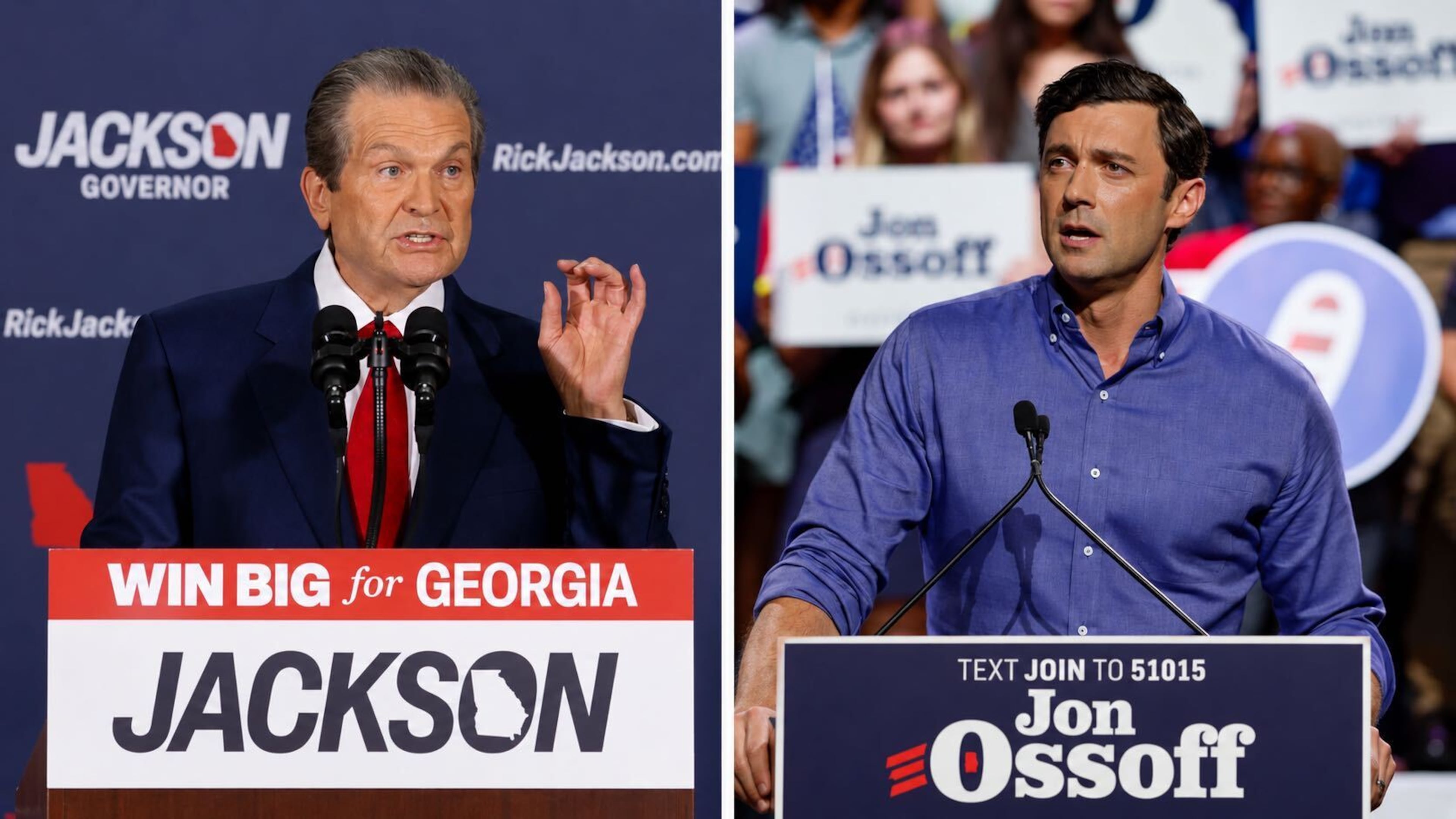
They helped reelect Republican Gov. Brian Kemp and Democratic U.S. Sen. Raphael Warnock. Now they could send Democrat Jon Ossoff back to the U.S. Senate and put another Republican in Georgia’s top job.
Call them the deciders: Georgia voters willing to cross party lines in a battleground state where a small bloc can crown the winners in the midterms.
They’ve already demonstrated their electoral might, powering Joe Biden’s 2020 presidential victory and twin Democratic U.S. Senate wins about two months later.
And in November 2022, roughly 200,000 voters backed Kemp but not GOP U.S. Senate nominee Herschel Walker, helping Warnock win a full term even as the GOP swept every other statewide contest.
This year, the fight for those voters is shaping the races for Georgia’s top offices — and it’s revealing sharply competing bets about what it takes to win in this battleground state.
Ossoff is touting a steady stream of Republican endorsements as he seeks a second term. Rick Jackson, the GOP nominee for governor, has enlisted the help of a coalition of Democrats and independents against former Atlanta Mayor Keisha Lance Bottoms.
And U.S. Rep. Mike Collins, Ossoff’s GOP challenger, is charting a different course in an uphill battle against the incumbent. His campaign is betting the race will turn on mobilizing the MAGA faithful, not winning over the middle-of-the-road voters other campaigns are courting.
Crossing party lines
Some prominent Republicans are already surfacing as standard-bearers of the split-ticket movement.
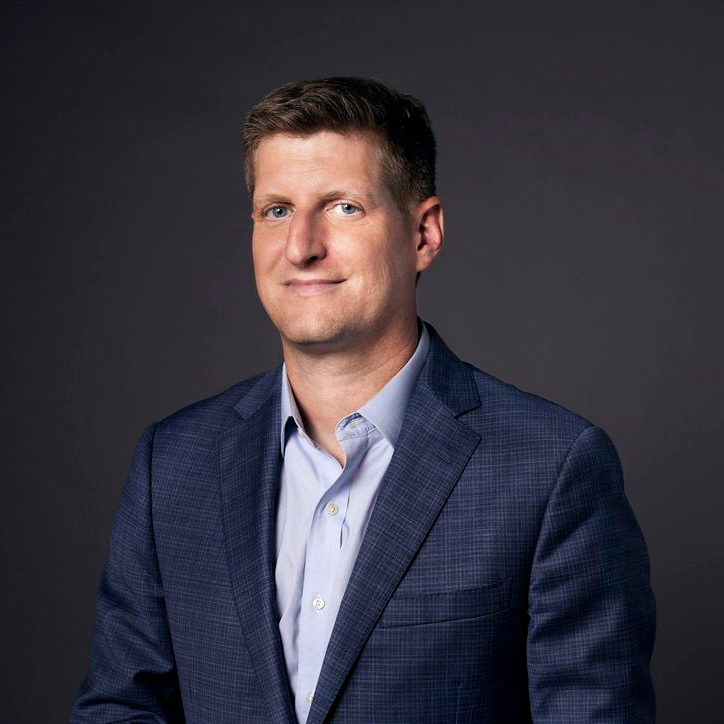
Republican mayors Scott James Matheson of Valdosta and Julie Smith of Tifton are backing both Ossoff and Jackson. So is Donald Chase, an Oglethorpe farmer who has voted for GOP candidates for decades but is darting across the aisle in November to back Ossoff.
Chase, who chairs the Georgia Peanut Commission but stressed he was speaking only for himself, said he’s crossing party lines because of the Democrat’s attention to rural Georgia.
“I can assure you, we feel like we have had an ear with Sen. Ossoff,” Chase said. “He’s demonstrated that not just in agriculture, but throughout South Georgia.”
Recent polling shows how differently the same groups of Georgia voters view the two marquee races.
A Rasmussen Reports survey from mid-September found independents favoring Ossoff over Collins by 17 percentage points. In the governor’s race, independent voters were almost split between Bottoms and Jackson.
The conservative-leaning pollster also found Ossoff drawing 15% of Republicans — more than doubling Collins’ share of Democrats.
A newer InsiderAdvantage survey pointed in the same direction: Ossoff led by 8 points while Bottoms and Jackson were neck-and-neck. Independents were split in the governor’s contest but favored Ossoff by nearly 20 points.
Pollster John Garst said the divergent results mean Georgia voters are increasingly “evaluating candidates and offices independently rather than simply voting a straight party ticket.”
For candidates, that puts a premium on expanding their coalitions. University of Georgia political science professor Trey Hood said neither side can simply count on its base anymore.
“They will have to tack to the center of the ideological spectrum and win over enough moderates and independents to constitute a majority,” he said.
With limits
The question is how these voters trickle down the ballot. Will Ossoff’s crossover voters support other Democrats? Will Jackson’s swing voters help Republicans beyond his race?
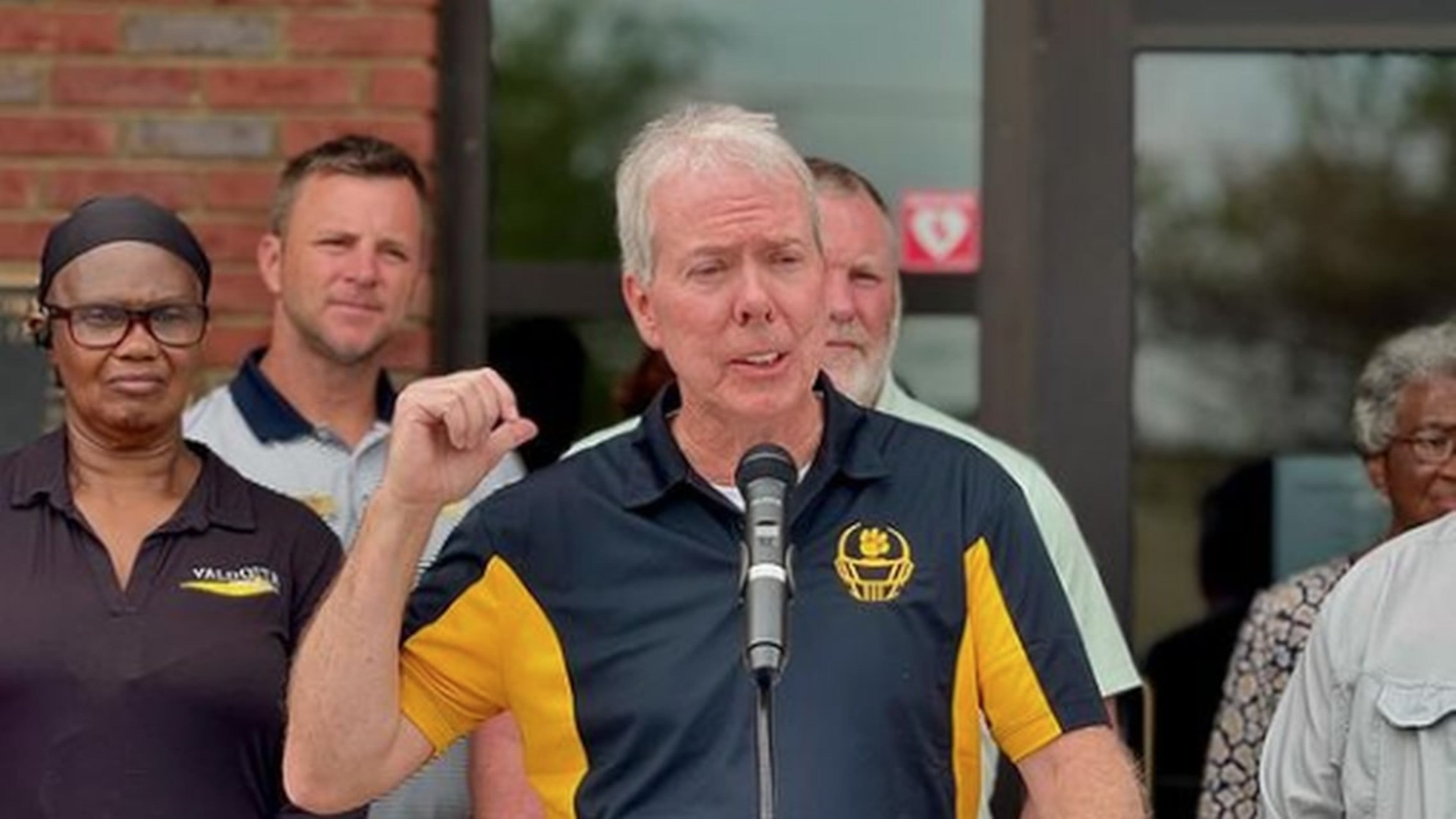
Matheson has a clear preference: an Ossoff victory with short coattails.
The Valdosta mayor and conservative radio host lives in Lowndes County, which Trump easily carried in 2024. But he credits Ossoff with helping secure $2 million for the city’s transit system and showing up after devastating hurricanes.
“There’s no way I can turn my back on this relationship,” he said in an interview.
He’s written off Collins’ chances, telling the “Politically Georgia” podcast the only question now is the margin of Ossoff’s win. But he’s backing Republicans in every other race.
“I would hate for him to carry it down ballot,” Matheson said.
Other swing voters are moving in a different direction.
Karla Jacobs, a Kennesaw State University graduate student, split her ticket between Kemp and Warnock in 2022. She then backed Democrat Kamala Harris for president in 2024.
She still considers herself an independent. But this year she’s likely to vote for a clean Democratic sweep in every statewide race.
“I feel like a vote for any of the Republicans is a vote to continue what’s been happening in Washington,” Jacobs said. “Republicans are rubber-stamping everything Trump is doing, from immigration to the war in Iran. And I’m voting for change.”

So goes Jackson, so goes the GOP?
Bottoms faces an enormous financial disadvantage against Jackson, the self-funding billionaire. Her challenge is leveraging the strong support for Ossoff into votes for her campaign.
One of her answers is a joint campaign push with the senator and a phrase she used at their tag-team September rally in Athens: “whole ballot energy.”
Tharon Johnson, a Bottoms strategist, said the two campaigns decided even before the nominating contest was over to effectively campaign as a joint ticket.
But he pushed back on the idea that voters who backed both Kemp and Warnock four years ago should see Jackson and Ossoff as a similar pairing.

“Rick Jackson is no Brian Kemp,” Johnson said on the “Politically Georgia” podcast, arguing that the Republican is more aligned with Trump than the outgoing governor who long feuded with the president.
Republican leaders, meanwhile, are making clear who they’re counting on to carry the ticket.
At a recent Jackson campaign event in Forsyth, Kemp and a half-dozen statewide contenders offered a show of party unity. Not only was Collins absent from the event, but his name hardly came up onstage.
Instead, Republicans rallied around Jackson, who has made clear he’s running a separate campaign from his party’s U.S. Senate nominee.
Republican state Rep. Dale Washburn, surveying the rest of the GOP ticket in Forsyth, summed up the strategy this way:
“If Rick Jackson does well, all of them will do well.”