Where they stand: Bottoms, Jackson on taxes
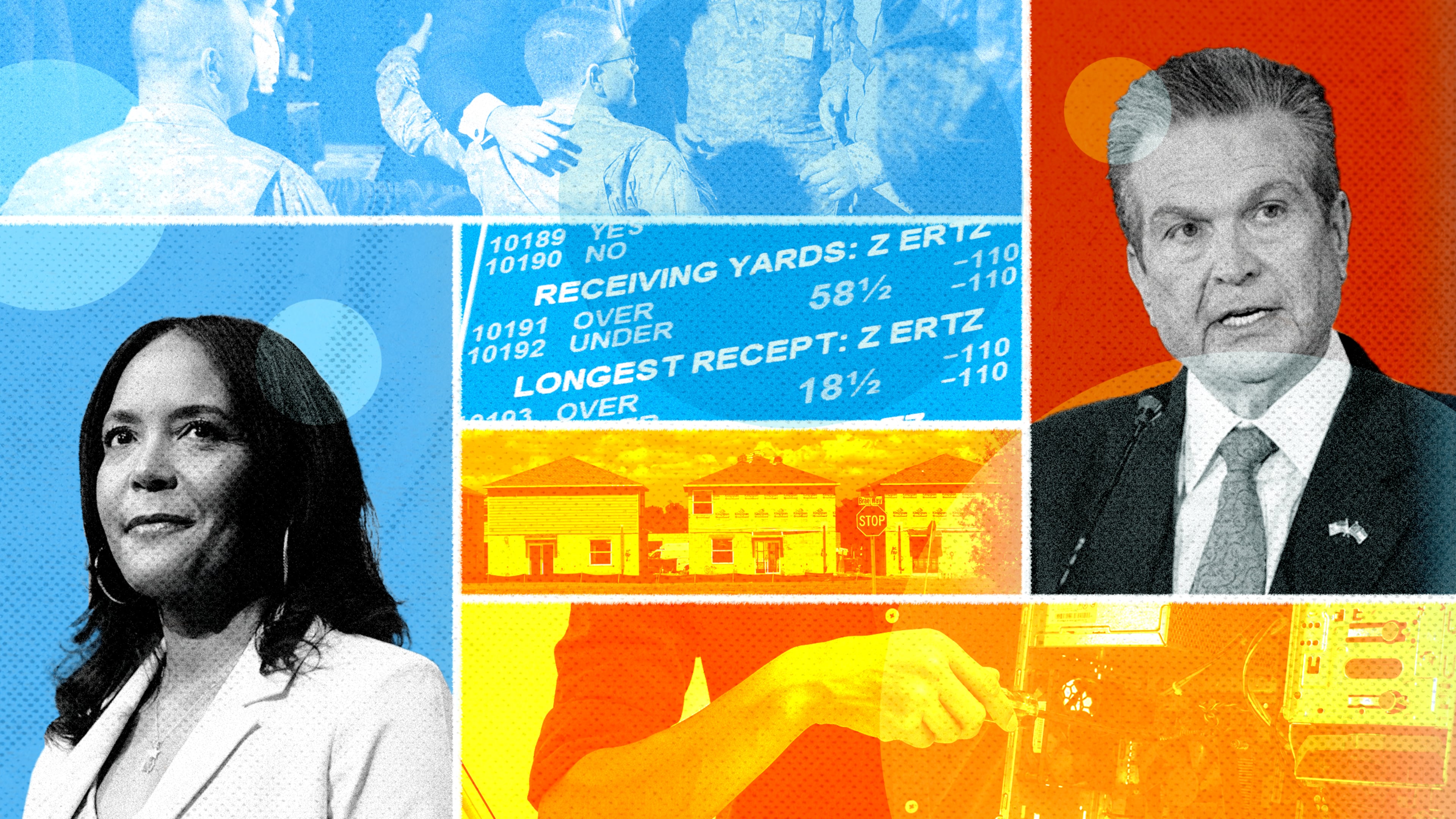
Georgia lawmakers approved a significant income tax cut at the end of this year’s legislative session, creating a $1.3 billion deficit in the state budget.
Gov. Brian Kemp stripped $300 million in spending from the budget in May, in an attempt to partially fill the hole. The state income tax rate will gradually lower from 5.19% to 3.99%.
Democrats blocked dozens of Republican-backed bills during a special legislative session in June that would have given voters a choice to swap higher sales taxes for lower property taxes. Republicans said senior and first-time homeowners desperately need relief from rising taxes; Democrats argued the switch would hurt low- and middle-income Georgians, many of whom are renters who would end up paying more for groceries, gas and other essentials.
Lawmakers did approve a more modest property tax relief proposal in the regular session that capped property tax assessments at the rate of inflation.
This election season, both Democrats and Republicans are discussing tax cuts on the campaign trail. Here’s where candidates for governor, former Atlanta Mayor Keisha Lance Bottoms and healthcare CEO Rick Jackson, stand on the taxes.
Bottoms
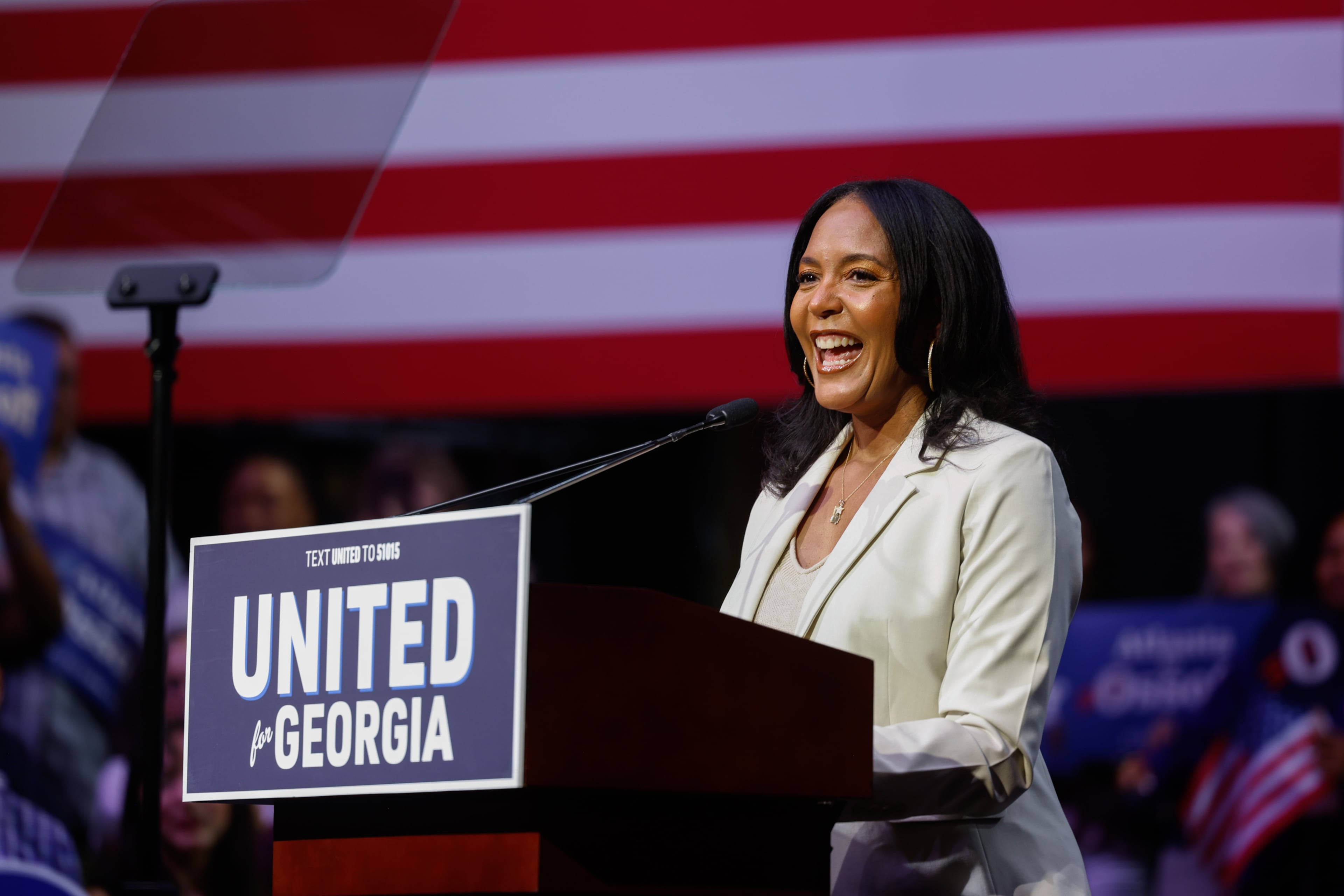
Bottoms, the Democratic nominee for governor, wants to eliminate the state income tax for public schoolteachers and provide targeted tax relief for veterans and military retirees.
Her proposed elimination of state income tax would essentially give teachers a pay raise with the intent to help recruit and retain educators.
Bottoms opposes Republican efforts to eliminate property taxes, which are the primary funding source for schools and local governments.
“Republicans have controlled the state government for nearly 30 years and are solely responsible for the shortfalls the state is facing,” she said in a statement. “Before asking Georgians to sacrifice more, I think it is time to take a hard look at how government is spending money.”
The Democrat said she will focus on identifying waste, fraud and abuse and work to increase transparency around state spending — pledging to create a “user-friendly online open checkbook” so that residents can track where money is being spent.
Bottoms recently debuted her plan to cut grocery costs by giving local leaders the choice to temporarily suspend or eliminate local sales tax on groceries, baby formula, diapers, feminine hygiene products and other necessities. The plan would require approval from the state Legislature.
“This is something that can move the needle, can help relieve the cost burden for families across this state, and it can — and will — make a difference,” Bottoms said.
Bottoms touts her record of balanced budgets while serving as Atlanta’s mayor, as well as leaving the city with $180 million in reserves.
She also supports giving Georgians the opportunity to vote on a constitutional amendment authorizing casino gaming as a new source of revenue.
Jackson
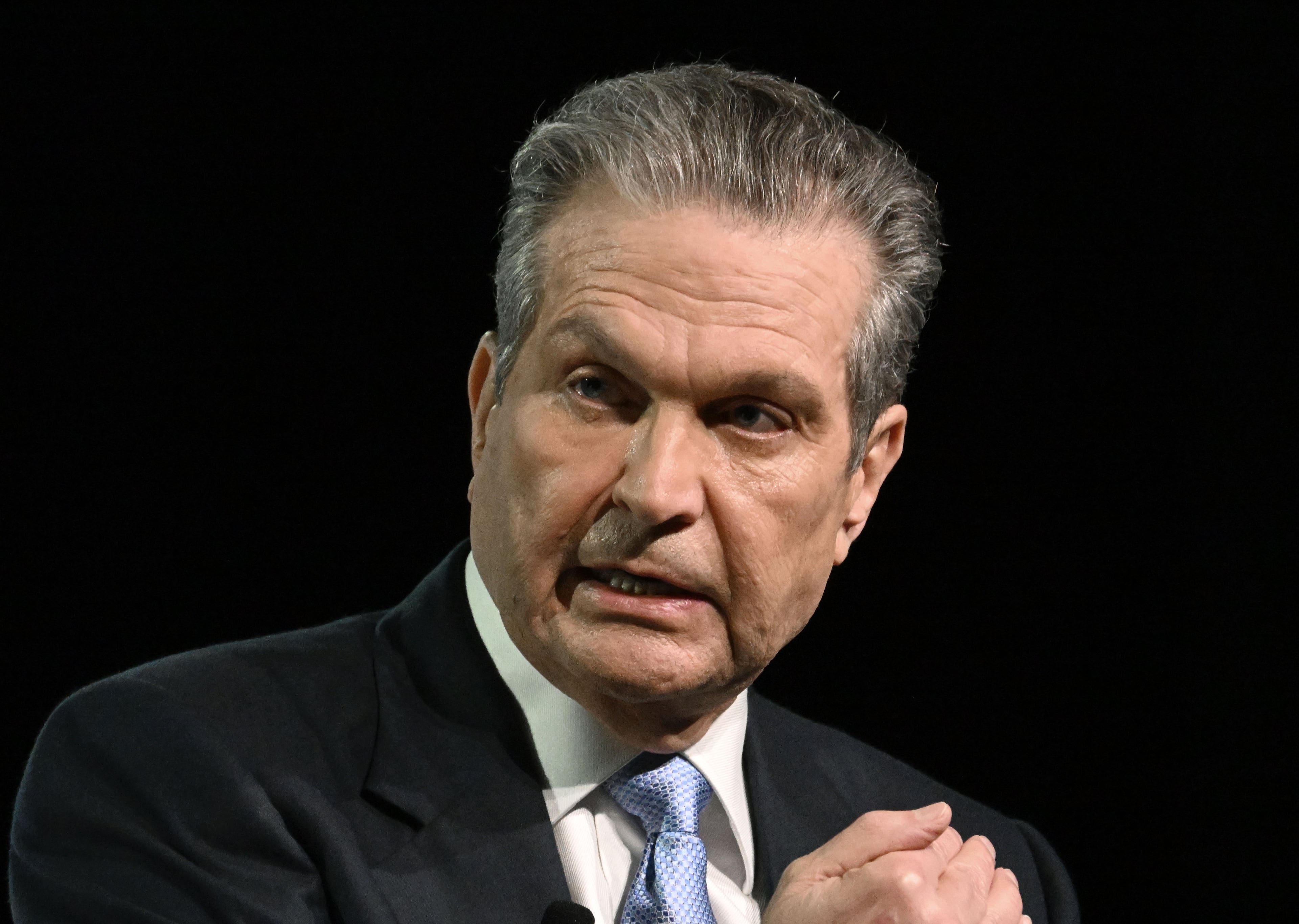
Jackson, the Republican candidate, has promised to “make Georgia the most affordable state in America” by freezing property taxes and eliminating state income tax.
He pledges to cut the state income tax in half within four years and to work to fully eliminate it within eight.
Jackson also recently detailed his plan to suspend Georgia’s gas tax during sharp price spikes, eliminate state taxes on residential electricity and natural gas, and end state income taxes on tips. He is proposing a 60-day gas tax suspension when Georgia’s average gas price rises at least 35 cents in seven days or 75 cents in 30 days because of international conflict, natural disaster or a “comparable external shock.”
“When gas prices jump or power bills climb, families cannot wait for politicians to catch up,” Jackson said in the proposal. Relief should move as fast as the crisis — and working Georgians should keep more of what they earn.”
Jackson said he will offset the decrease in state revenue from his proposed tax cuts by reducing operating expenses in the state budget and growing the state’s GDP.
“As a businessman, I know you cannot cut your way to prosperity. You have to grow,” he said. “State government is decades behind in its software and use of technology. We will upgrade both to make government more efficient and effective.”
The Republican said he also wants to make sure property taxes don’t increase based on a home’s value increasing. And that although schools and local services are largely funded by property tax revenue, they will improve under his tax plan through “smart budgeting, improved technology and economic growth.”
“I also want to build a culture and a process at the local level that brings real transparency and accountability to the budget, so taxpayers can see how every dollar is spent and hold their local officials accountable for it,” he said.