Mike Collins vs. Jon Ossoff: The key issues dividing Georgia’s Senate race
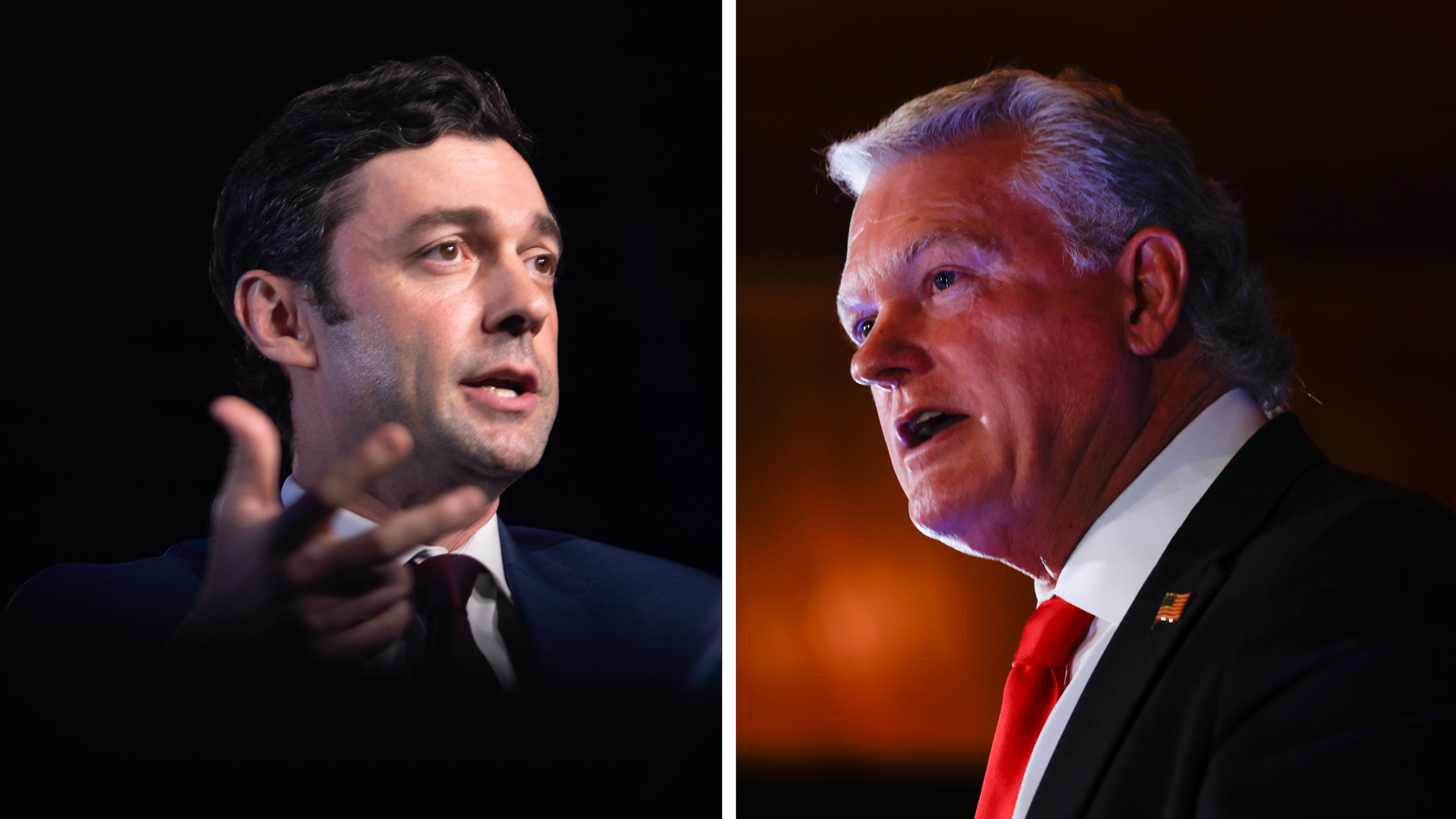
Georgia’s U.S. Senate race offers voters no shortage of contrasts.
Republican U.S. Rep. Mike Collins and Democratic U.S. Sen. Jon Ossoff have sharply different views on taxes, healthcare, immigration, foreign policy and other key issues shaping the campaign.
Economy and affordability
Collins argues that President Donald Trump’s tax cuts, deregulation and energy policies are the route to lower prices and stronger growth. He says they will bring more manufacturing back to the U.S., expand domestic energy production, cut permitting requirements for new projects and encourage technical training. Collins also argues Biden-era spending helped fuel the inflation that still bogs down family finances.
Ossoff has made affordability the umbrella for his economic argument, highlighting Trump’s tariffs, the Iran war and rising health insurance costs for squeezing households. He has opposed Trump’s tariffs, arguing a trade war amounts to taxes on consumers that damages Georgia industries. He points to the bipartisan infrastructure law and federal manufacturing incentives he backed as drivers of Georgia jobs and development.
Taxes
Collins voted for Trump’s sweeping 2025 tax-and-spending law, which extended major tax cuts enacted in 2017 and included new breaks involving tips, overtime and older Americans. He has made that vote a centerpiece of his campaign and portrays Ossoff’s opposition to the plan as a vote for higher taxes.
Ossoff argued that tax cuts in the One Big Beautiful Bill Act predominantly went to the wealthy and corporations, and says any benefits are outweighed by $1 trillion in Medicaid reductions over a decade, higher health insurance costs and the rollback of federal policies supporting Georgia’s green energy industry. Ossoff proposed tax cuts and incentives for small businesses and farmers, and helped pass an expansion of the child tax credit.
Healthcare
Collins has blamed Obamacare for escalating healthcare costs and has said he wants to repeal it while also pushing greater price transparency and expanded health savings accounts. He’s emphasized the $50 billion rural health fund in Trump’s 2025 tax and spending law and described the Medicaid overhaul as a broader effort to root out fraud and abuse.
Ossoff is a staunch supporter of the Affordable Care Act. He’s tried to restore its enhanced premium tax credits and opposed the Medicaid changes approved by Republicans in 2025. He has secured federal “sweetener” incentives to spur Georgia to expand the Medicaid program and directed federal funds to upgrade hospitals and clinics. He also backed the law capping insulin at $35 for Medicare recipients.

Immigration
Collins backs Trump’s mass deportation campaign and has made immigration enforcement one of his key issues. He authored the Laken Riley Act, a 2025 law that gives federal immigration agencies broad authority to detain immigrants accused of certain crimes. He argues illegal immigration strains housing, public services and taxpayer resources.
Ossoff describes his immigration approach as supporting both secure borders and humane treatment. He backs deporting people in the country illegally who commit crimes. He has also sponsored legislation targeting human trafficking and border crime. He was one of 12 Senate Democrats who voted for the Laken Riley Act and cosponsored a 2024 crackdown on drug smuggling. But he has sharply criticized Trump’s immigration raids, pointing to more than 1,000 instances of human rights abuses in immigration detention facilities outlined in investigations by his office.
Iran war
Collins has repeatedly backed Trump’s handling of the U.S.-Israeli war with Iran and describes the approach as “peace through strength.” He says Iran poses a major terrorist threat and said Trump has done a “phenomenal job” in prosecuting the war.
Ossoff opposes the U.S. war with Iran, calling it a “regime change war-of-choice” that Trump launched without congressional authorization, a clear endgame or evidence of an imminent threat. He has tied the conflict to higher gasoline prices, inflation and eroded military resources.
Education and workforce training
Collins has emphasized alternatives to four-year degrees. His bipartisan Aviation Workforce Development Act would let families use 529 education savings for advanced pilot and maintenance training, and his campaign calls for more resources for skilled trades and technical education. He co-authored a bill to expand 529 savings accounts to nearly every trade and certification program. Collins has also aligned with Republicans on culture-war education questions, including voting for the House GOP’s Parents Bill of Rights.
Ossoff has pushed to make Pell Grants available for shorter-term training programs, backed the bipartisan JOBS Act and directed federal money toward technical colleges, universities, workforce programs and historically Black colleges and universities. His argument is that college and career training should each be more accessible.
Veterans Affairs
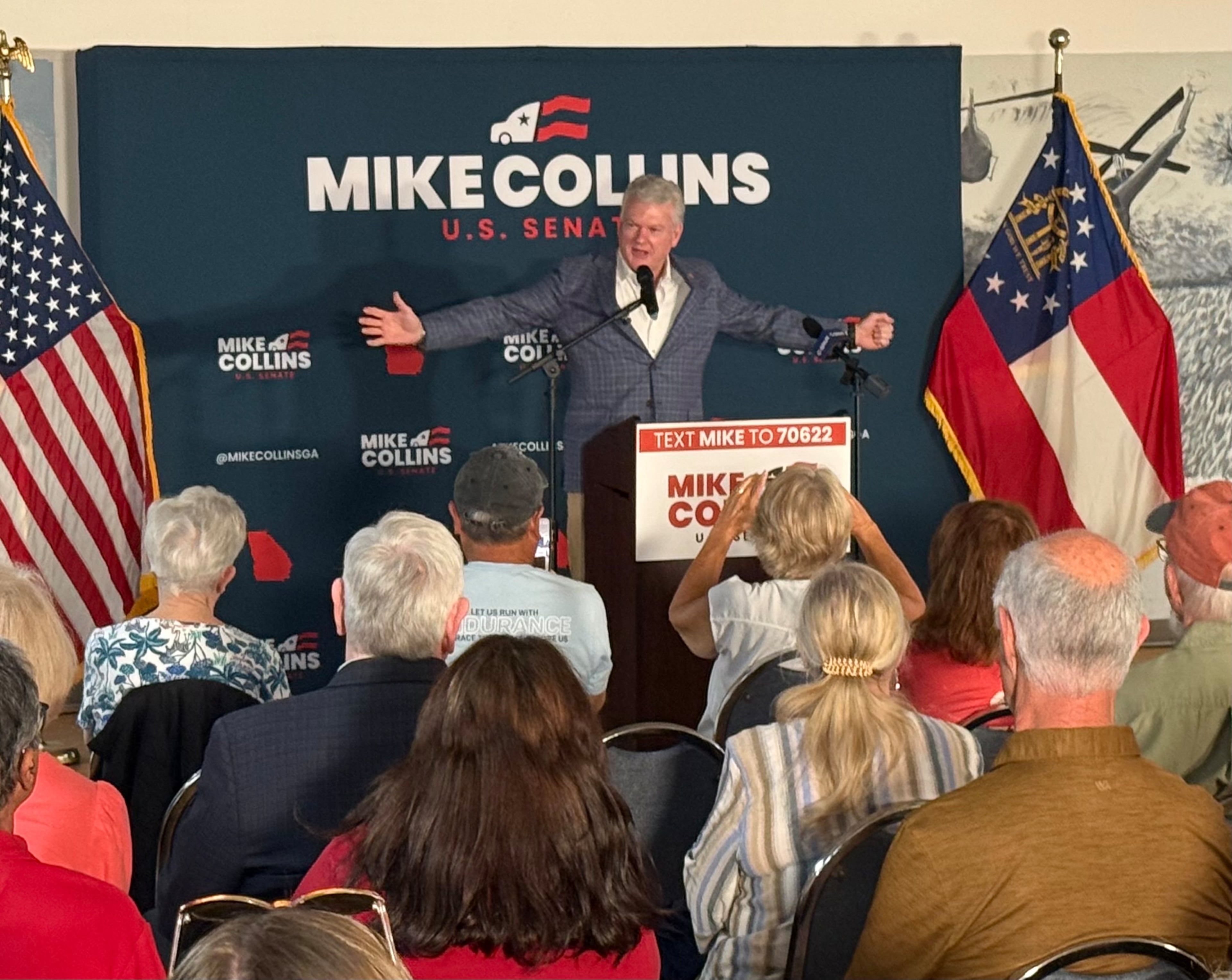
Collins is leaning heavily into veterans issues during the campaign. His VORTEX Act would require agencies to improve how they share veterans’ opioid histories to prevent overprescribing. He has called for more resources for mental healthcare and other treatments.
Ossoff is the ranking Democrat on a key Veterans Affairs subcommittee and has pursued facility upgrades, expanded rural transportation and funding for a proposed veterans cemetery near Augusta. He also voted for the PACT Act, a 2022 law that expands healthcare and benefits for veterans exposed to burn pits and other toxic substances.
Data centers
Collins says the U.S. needs data centers to compete with China in artificial intelligence, and he has said the federal government should ensure financing is available for them. But he also says local communities should have the final say on the projects because they “know what’s going to adversely impact their local infrastructure, whether that’s water, electricity or even traffic.”
Ossoff has opened an investigation into whether explosive data center growth is contributing to higher electricity bills. He has warned federal energy regulators that without safeguards, the enormous utility costs could be shifted onto households. So far, he has not called for moratoriums adopted by some other Georgia Democrats.

Abortion
Collins said during a 2022 debate for his U.S. House seat that he has “always been and always will be 100% pro-life, period — no exceptions.” He has since campaigned on his support for Georgia’s 2019 law, which bans most abortions as early as six weeks, with exceptions for rape, incest or to protect the life of the mother. He’s also opposed using federal money for abortions.
Ossoff has repeatedly condemned Georgia’s 2019 anti-abortion law and has used his Senate investigative authority to document cases in which physicians say the law delayed or complicated medical care. He supports federal protections for abortion rights and has warned that the law can deter doctors from providing reproductive and emergency care.

Housing
Collins argues housing is expensive because supply is too limited and construction is burdened by federal regulations. His PERMIT Act seeks to accelerate environmental reviews and permitting for construction and infrastructure. His campaign also argues mass deportations of people in the U.S. illegally would reduce housing demand.
Ossoff has focused on institutional investors buying single-family homes. He launched an investigation into large corporations and out-of-state landlords purchasing Georgia housing in bulk and backed bipartisan legislation aimed at examining and limiting institutional purchases.
Elections and voting
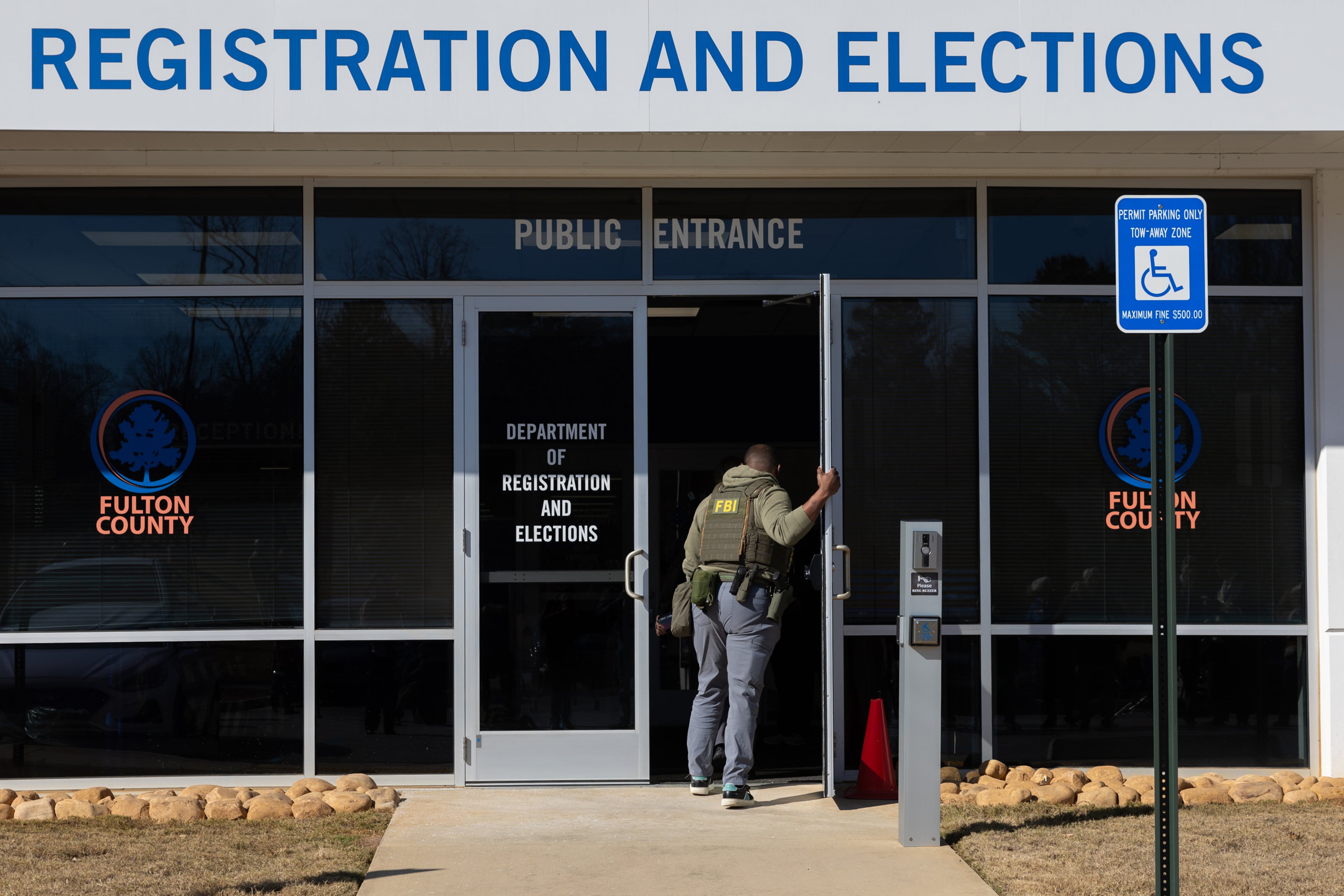
Collins falsely claims that “Trump won” Georgia in 2020. He called the result a “federal hijacking” despite audits, reviews and findings from bipartisan officials that affirmed Democrat Joe Biden’s narrow victory. He cheered the FBI’s raid of Fulton County’s election office in January, saying “Go get ‘em, Kash,” referencing FBI director Kash Patel. He cosponsored the SAVE America Act, a Trump priority that would require proof of U.S. citizenship to register for federal elections and tighten voter registration rules.
Ossoff has pushed for stronger federal protections for ballot access. He reintroduced his Right to Vote Act this year, which would establish a federal statutory right to vote and allow voters to challenge state or local policies that restrict access to the ballot. He has repeatedly rejected Trump’s false claims that the 2020 election was stolen and criticized the FBI raid of Fulton County’s election office as an effort to suppress Black votes.
Israel and Gaza
Collins has positioned himself as an unequivocal supporter of Israel and has accused Ossoff of betraying a U.S. ally with his votes. He’s voted repeatedly to fund Israeli missile defenses and weapons systems, transfer arms to Israel and back the joint U.S.-Israeli war against Iran.
Ossoff says he firmly supports efforts to safeguard Israel’s security but has criticized Prime Minister Benjamin Netanyahu’s conduct of the Israel-Hamas war. He has supported Israel’s missile defenses and voted against some attempts to block major weapons packages. But he has also voted several times to halt specific arms transfers, citing a “humanitarian crisis” in Gaza.