Communism, Shariah and executions: Georgia GOP push politics of the past.
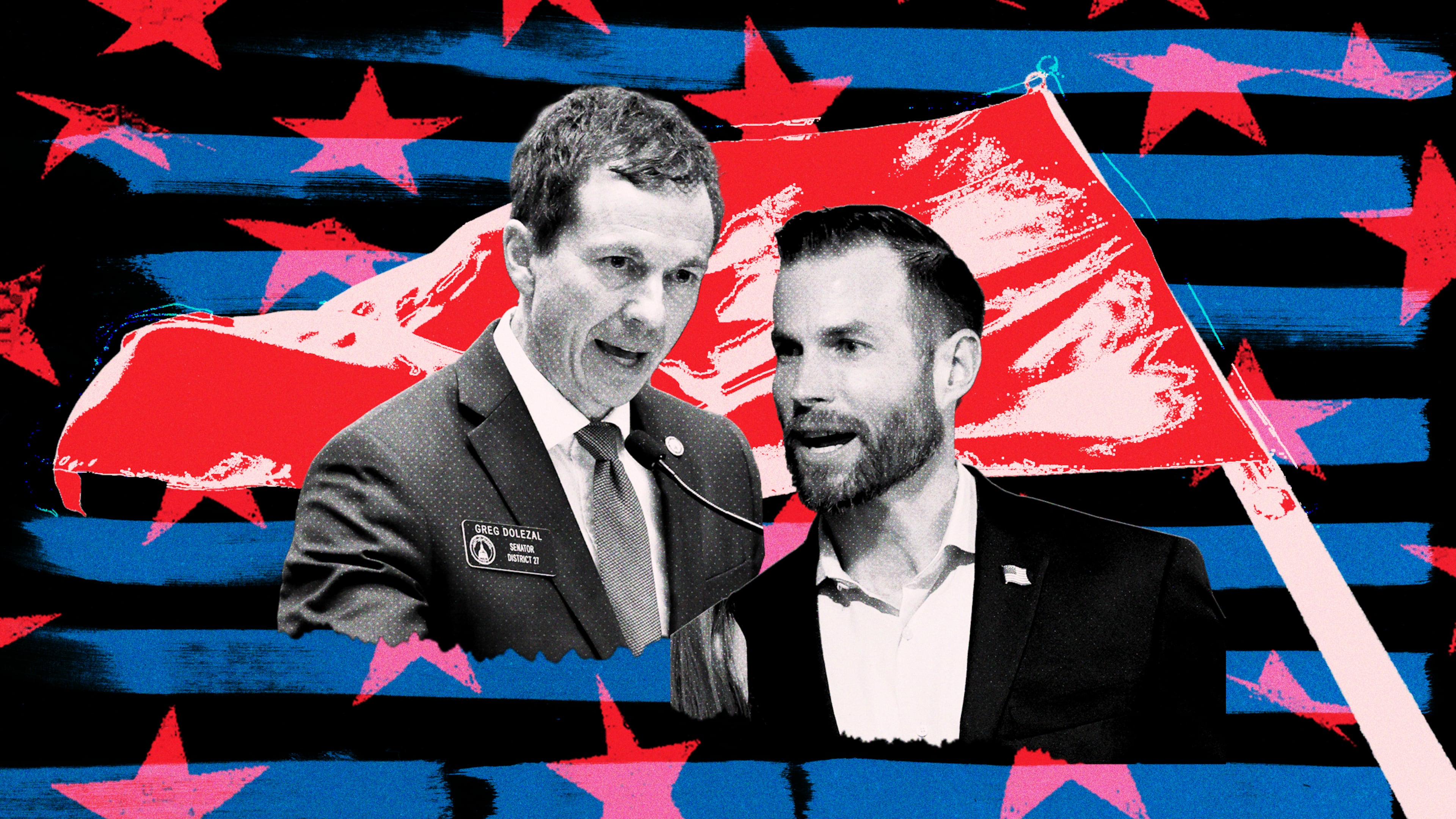
ROME — Republicans’ annual Tillman Rally has graduated from a sweltering airport hangar to a swanky lakeside venue, but it still acts as a gauge for the mood of Georgia’s grassroots conservatives.
This year, it sometimes felt like a walk back in time.
Spliced between vows of loyalty to President Donald Trump and promises to cut taxes were a greatest-hits collection of declarations harkening to the culture war battles that have animated the GOP base for years. Some of the biggest ovations went to reviving calls to enact new transgender limits, battle the rise of communism, banish more violent criminals to the execution chamber, and ban Islamic law, also known as Shariah.
None of those issues is new to Georgia politics. Republicans keep returning to them when control of the state’s top offices — and potentially Congress — are on the line. Trump eagerly leaned into battles over transgender rights, and GOP strategists have long used warnings about socialism and cultural change to motivate the party’s conservative base while also making a broader case about taxes, economic development and affordability.
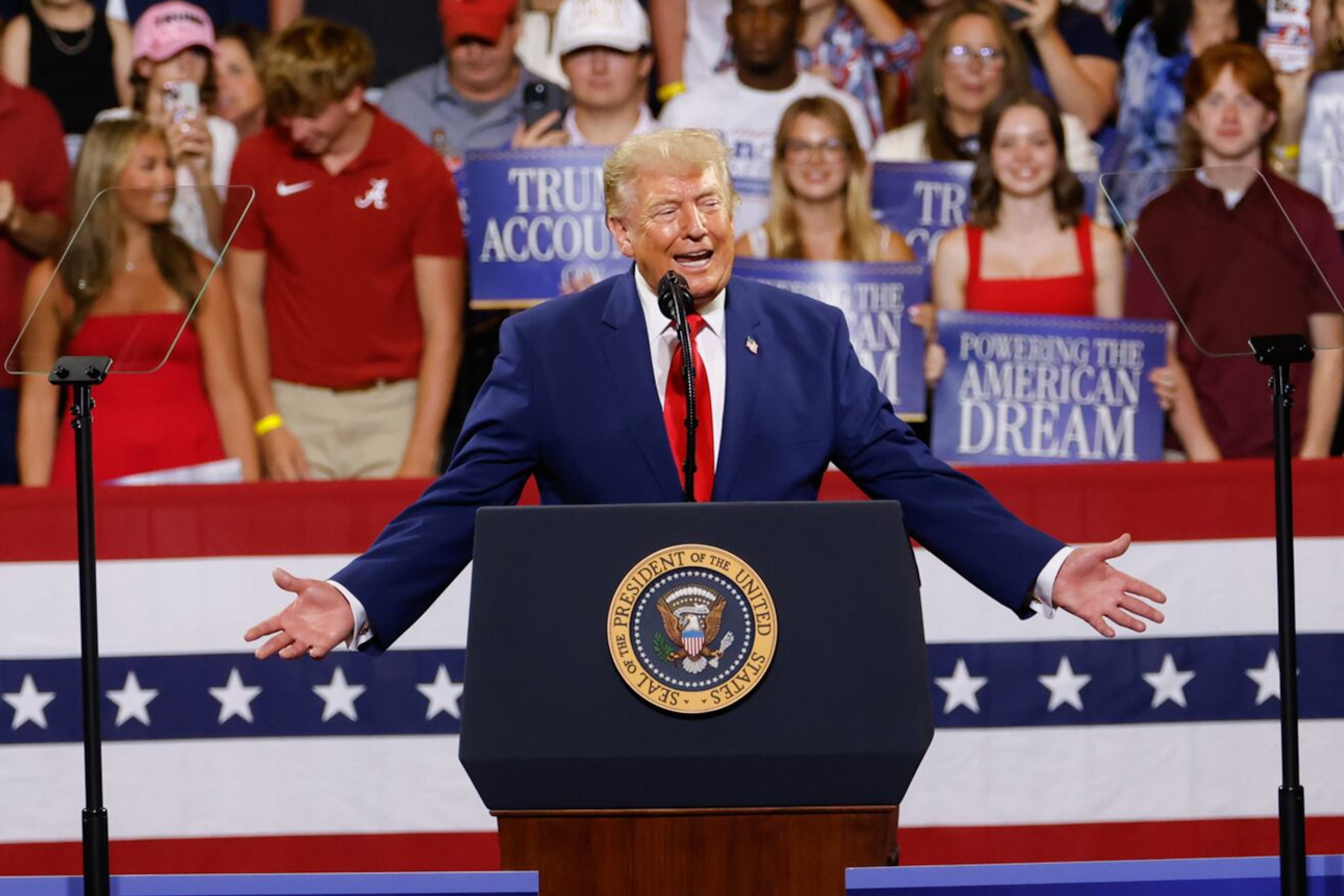
But the strategy is colliding with a pressing question as the November midterms approach: Are Republicans too busy fighting the political battles of the past while voters are concerned with what they see is a more pressing concern over pocketbook issues?
Valdosta Mayor Scott James Matheson has watched that internal debate play out from his perch in South Georgia. On one hand, the Republican is worried his party hasn’t “picked up on the outcry” of voters facing a crisis navigating tightening economic times.
On the other, he said he feels like the rise of democratic socialists in other parts of the nation amount to Democrats “pulling the defeat from the jaws of victory,” so he can’t blame the GOP for sounding the culture wars alarm bells even louder this year.
“Before, I didn’t have an answer to what was happening to Republicans,” he said of the party’s struggle to reach skeptical voters. Now, he said, far-left Democrats have “answered it for me and for all of us.”
‘Raw truth’
The tension is especially sharp for Republicans as they face two turnout challenges. They need the middle-of-the-road voters — particularly in metro Atlanta — who have decided a string of recent close statewide elections. But they also need Trump loyalists who could be less motivated when the president’s name isn’t on the ballot.
That helps explain the dual messages state Sen. Greg Dolezal, the GOP nominee for lieutenant governor, carries across Georgia.
He promises to cut property taxes and slash state tax breaks for big businesses like data centers. But he also sees his provocative warnings about Shariah and other red-meat issues as a way to mobilize dispirited conservatives.
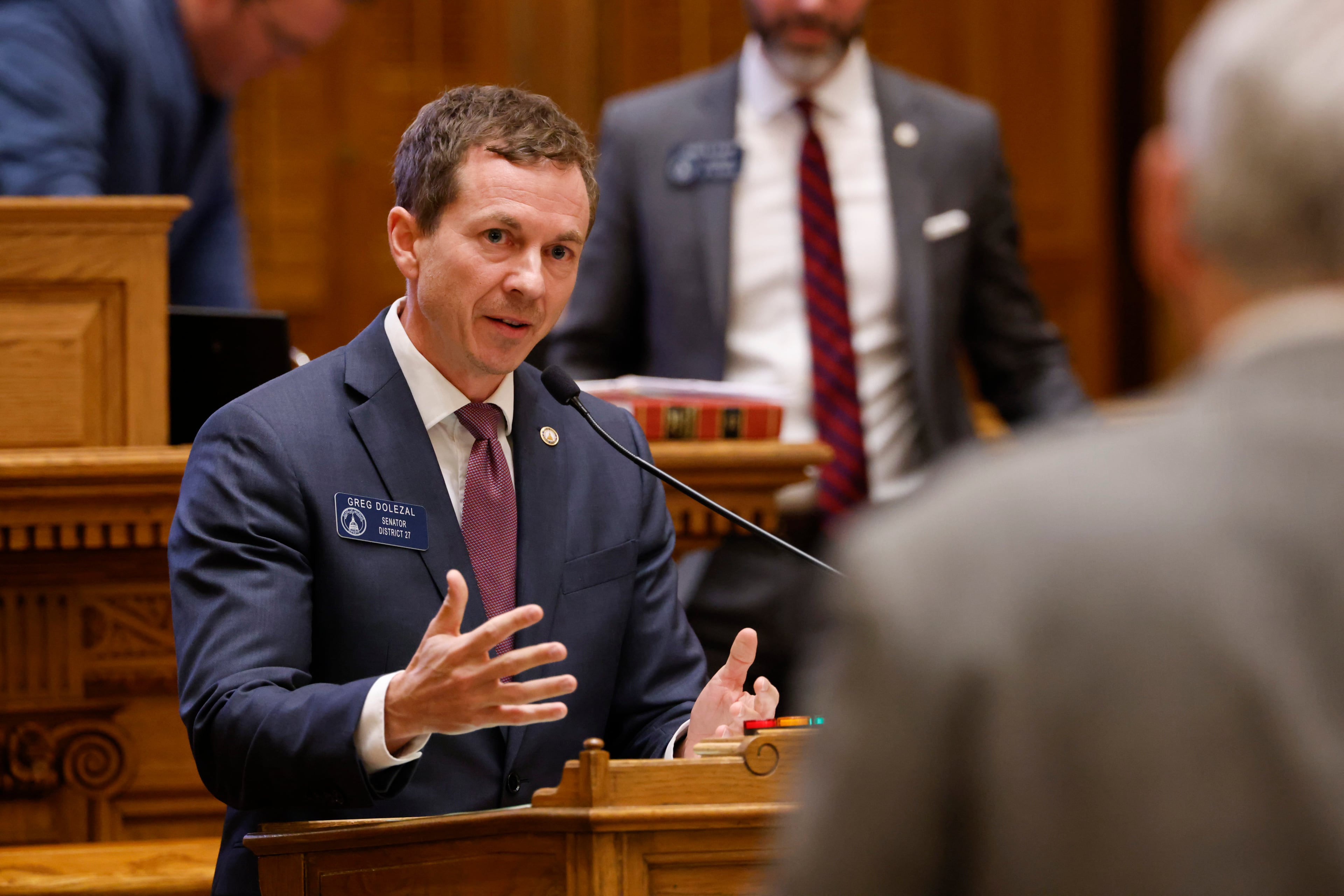
“Guys, I’ll give you the raw truth: Republicans bear some culpability in this because, for far too long, Republicans have campaigned like Donald Trump and then governed like Mitt Romney,” Dolezal told activists in Rome, referring to the 2012 Republican presidential nominee and former U.S. senator from Utah.
Dolezal amplified his warnings with Islamophobic AI-generated videos, resurrecting a fight over Shariah that last surfaced seriously at the Georgia Capitol about 15 years ago. Back then, a wave of legislation surfaced in Republican-led states aiming to curtail the influence of Islamic law in the U.S. legal system. Tea Party-era conservatives then introduced a series of anti-Shariah measures that gained little traction in Georgia. Dolezal now casts those sorts of fights as part of a broader GOP rebrand.
“The Republican Party has to clearly plant a flag in the ground to say this is not the party of the special interests,” he said. “This is now the party of the working class. Donald Trump has remade the Republican Party into the party of the working class, and we have to deliver for working class Georgians.”
Republican U.S. Rep. Clay Fuller, who won far-right firebrand Marjorie Taylor Greene’s vacant seat earlier this year, said warning of cultural change isn’t just fear mongering.
He noted the Atlanta chapter of the Democratic Socialists of America opened a new office in Atlanta, as well as growing numbers of its members winning seats around the nation.
“We are in an asymmetric war against communism. It is a worldwide fight that is now coming to our shores,” he said to the crowd. “How many of you think we won the Cold War? Y’all thought we won the Cold War? Well, we haven’t.”
‘Full MAGA’
For all the energy those issues generate at Republican gatherings, voters keep sending a more prosaic message about what matters most to them: the economy.
An Atlanta Journal-Constitution poll in May found inflation and the cost of living were the top concerns among voters in both parties. Roughly one-fifth of likely GOP voters and nearly one-third of Democrats named it the state’s most pressing issue.
Republicans received a sobering reminder of that dynamic less than a year ago.
Ahead of the 2025 Public Service Commission elections, GOP rallies rang with familiar warnings that Democrats were “woke” cronies bent on importing California-style policies to Georgia. Democrats mostly ignored the bait and centered their campaign on rising electric bills.
They won both statewide races by roughly 26 percentage points. Republican former Commissioner Tim Echols later questioned his own “full MAGA” strategy while crediting Democrats for keeping voters focused on their wallets.
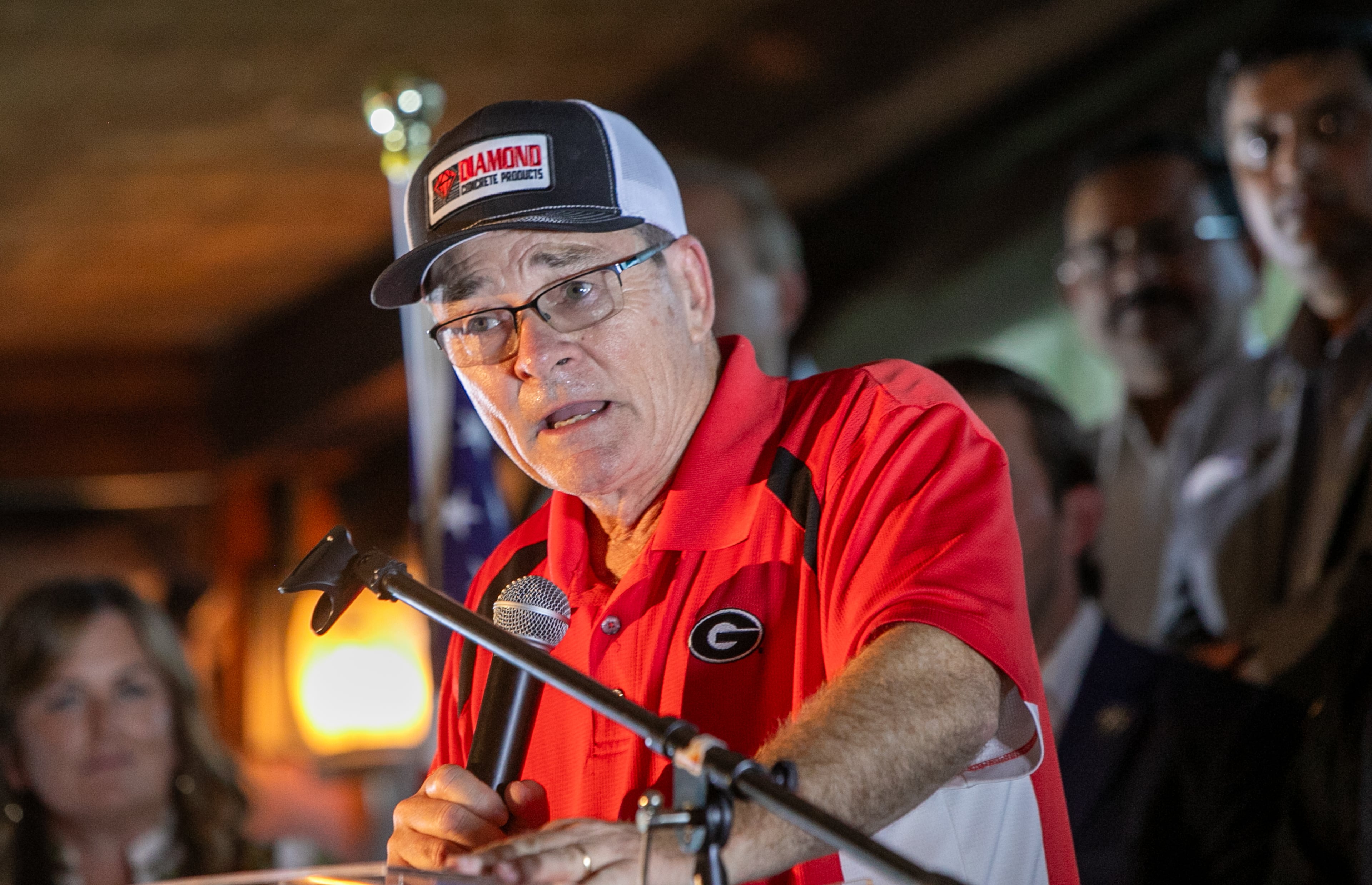
The PSC election was an unusual, low-turnout contest. Still, Republicans treat it as a cautionary tale that affordability can swamp ideological appeals if voters believe their everyday concerns are being ignored.
Dr. John Cowan, a neurosurgeon who won the GOP nomination for the heavily Republican 11th Congressional District in northwest Georgia, said Republicans are right to galvanize the base with warnings about societal changes that have helped them win elections. But he sees a limit to that approach.
“We can’t be the party of what we’re against. We’ve got to be the party of what we’re for,” he said. “And we’ve got to show people that the conservative ethos, the conservative mindset, is the one that has brought us 250 years to this point — and the one that’s going to guide us steadily into the future.”
Longtime GOP operative Jordan Fuchs sees a different danger for her party. She said she routinely encounters Georgians who once were locks to vote GOP but are now turned off by some of the party’s harsher rhetoric over throwback social issues.
“I meet Republican women every day who really struggle with some of the messaging that is coming at them from the fringes of our party. And that doesn’t really inspire too many of us to come out and vote,” Fuchs said.
“These candidates are going to have to address that apathy.”