7 takeaways from Sunday’s marathon political debates ahead of the runoffs

More than 2 million people voted last month in Georgia’s statewide primary elections. But that was just the warmup.
Voters will go to the polls again June 16 to decide the matchups for the midterm elections in November. Sunday, a dozen candidates in six top races faced off in the first of a two-day debate marathon — likely the only time voters will see some these candidates face each other before election day.
Here are seven takeaways from the first day of debates.
Collins acted like the front-runner
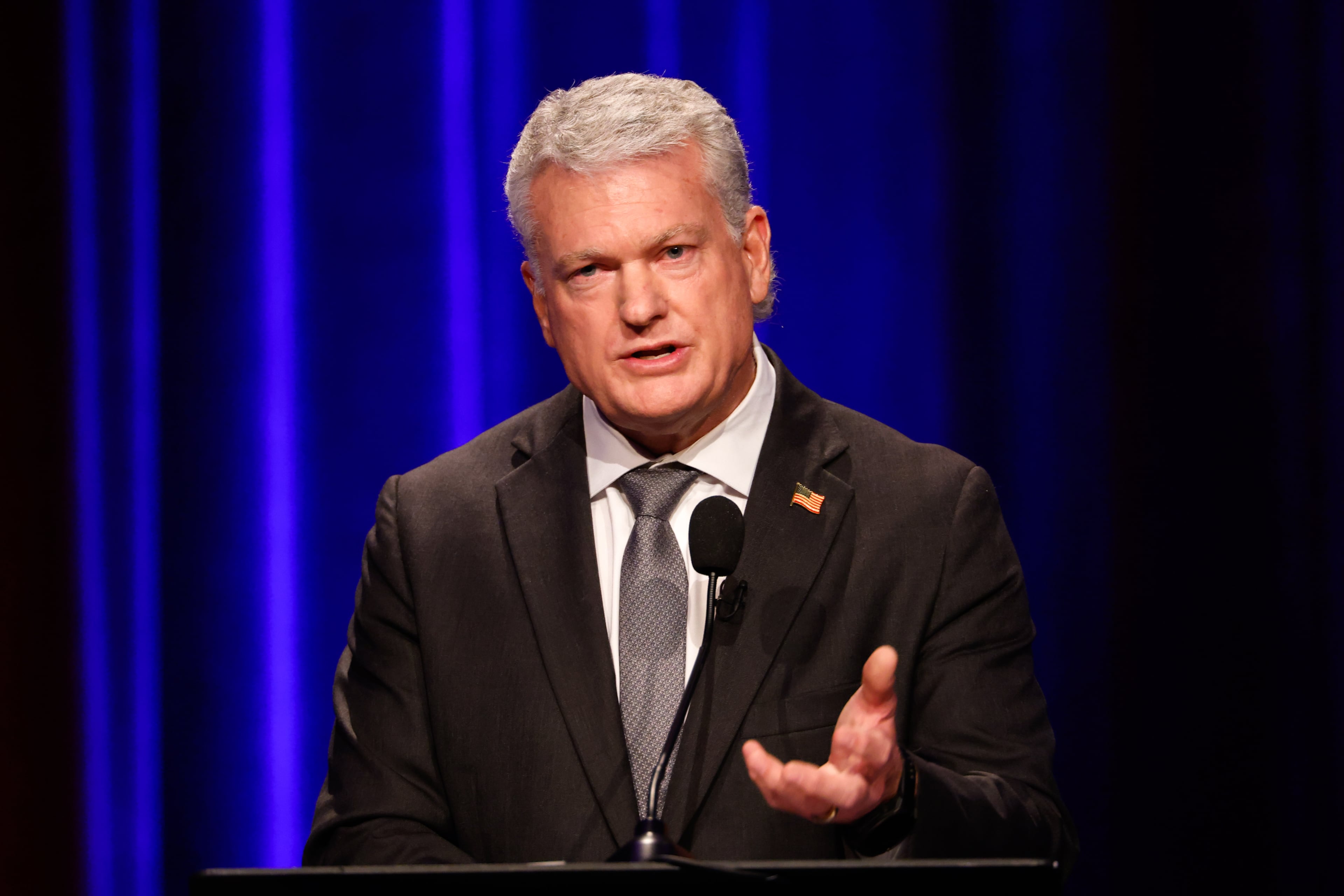
Sunday’s premiere matchup was for the Republican U.S. Senate nomination to take on Democratic U.S. Sen. Jon Ossoff in November.
Republicans believe Ossoff is vulnerable because he is the only incumbent Senate Democrat running for reelection in a state President Donald Trump won in 2024. But the president has so far stayed out of the race, and GOP voters have yet to coalesce around a candidate.
U.S. Rep. Mike Collins, R-Jackson, has consistently led in the polls throughout the primary. And Sunday, he acted as if the race were already over, spending most of his time attacking Ossoff instead of sparring with his GOP opponent, former football coach Derek Dooley.
“Our current senator, Jon Ossoff, he doesn’t represent us,” Collins said during his opening statement. “He votes like his donors from California want him to.”
Dooley came out swinging
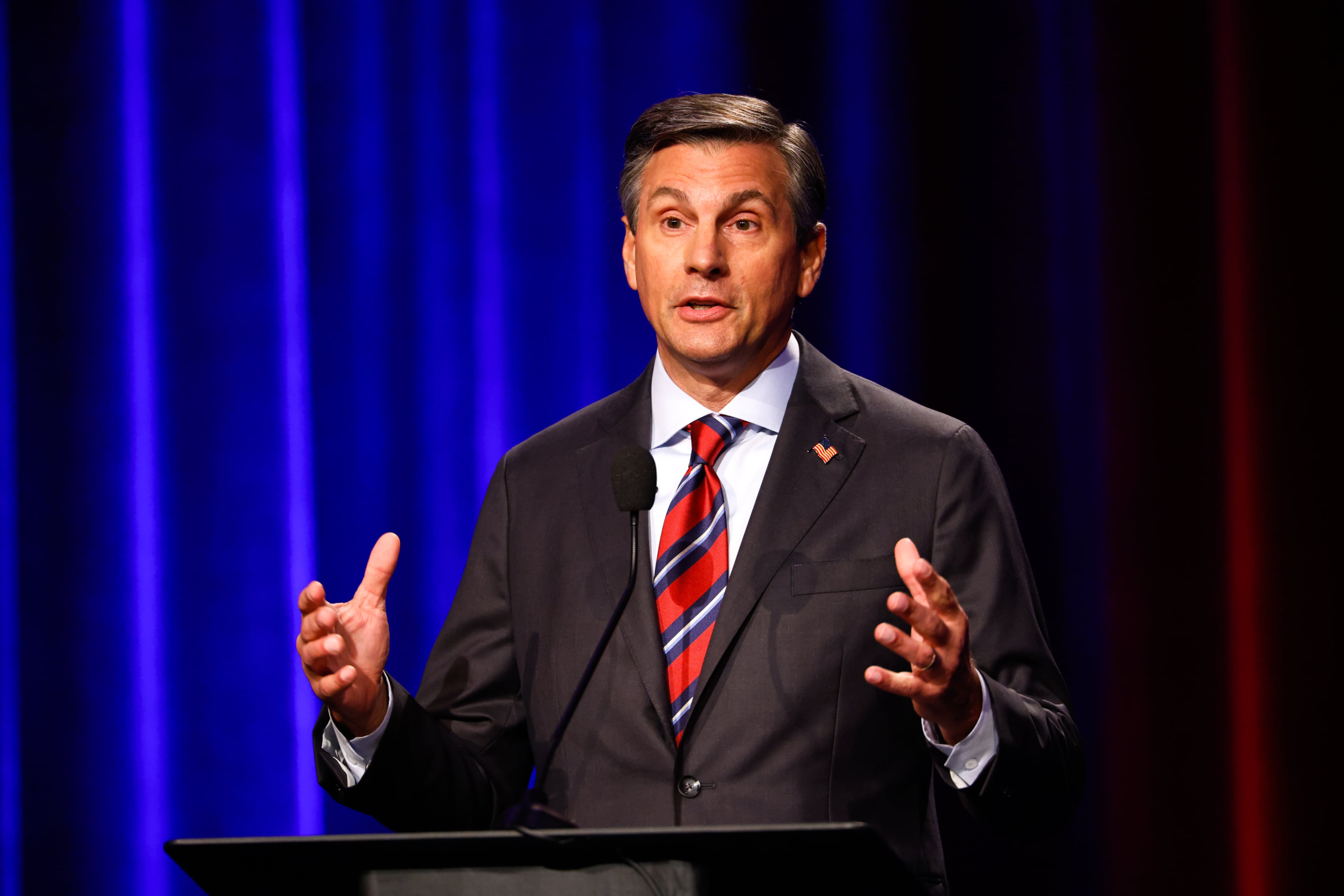
Dooley finished a close second to Collins in the May 19 primary, so he still has to make up some ground.
He noted Collins has refused to join him in a pledge to only serve two terms and not to trade stocks and cryptocurrency if elected. He also said that Collins, who is under review by the House Ethics Committee and recently fired his former top aide following a scandalous social media post, wasn’t aligned with the values of voters.
“We have to start sending a different kind of leader, a political outsider who’s up there for the right reasons,” Dooley said. “Not his long political career, not to get rich or famous, he’s up there to deliver results and to put you first.”
GOP Senate race is a personality contest
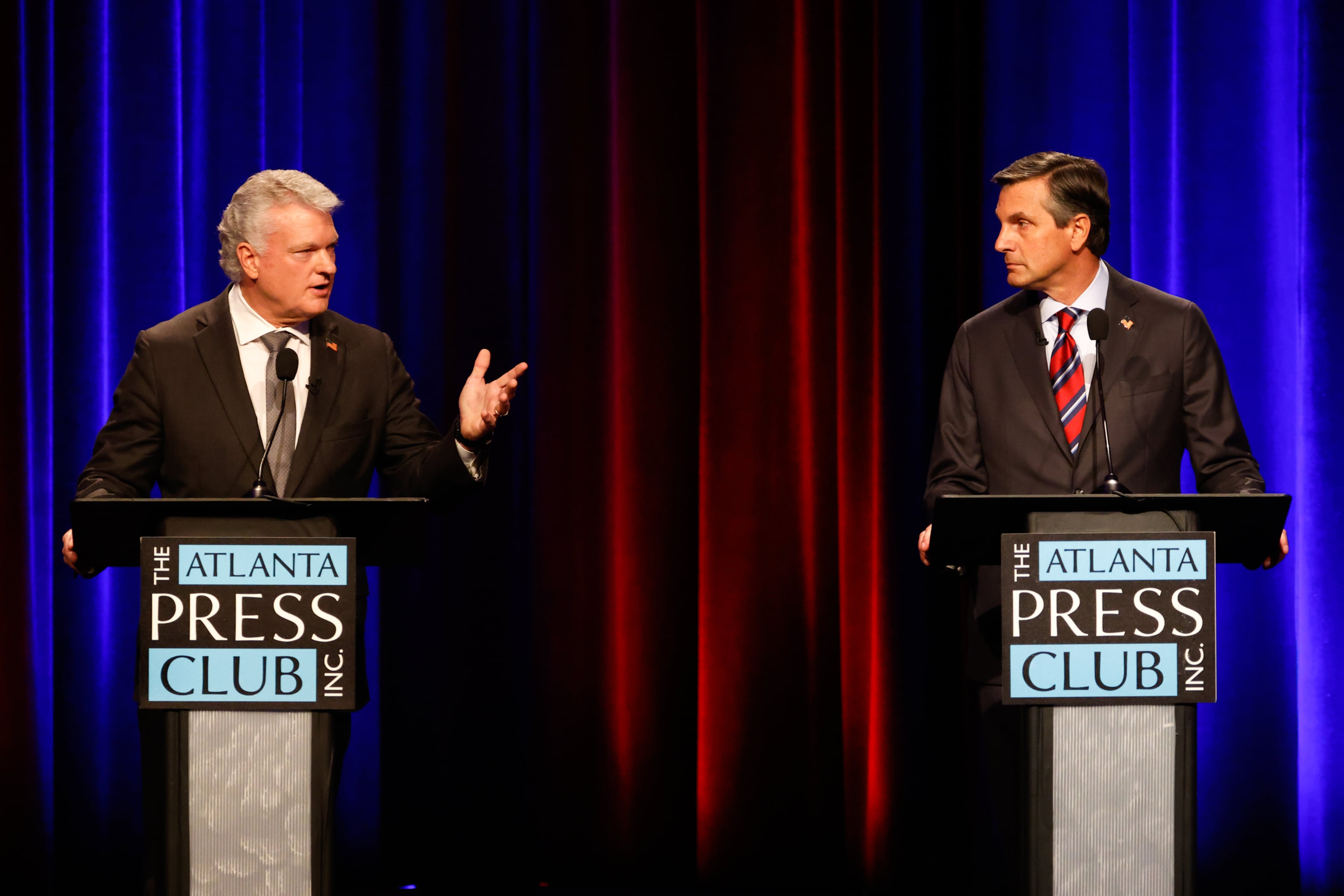
What’s the difference between Collins and Dooley? Sunday’s debate did not reveal much.
Both said they support Trump’s war with Iran. They’re OK with funding for Trump’s new White House ballroom. And they support a $1.8 billion fund Trump wants to use to compensate people who were convicted of storming the U.S. Capitol on Jan. 6, 2021.
With no policy disagreements — and no Trump endorsement — the race could come down to who voters like more. Dooley, the son of legendary University of Georgia football coach Vince Dooley, has leaned heavily on Republican Gov. Brian Kemp — the state’s most popular Republican who has endorsed his campaign.
Collins has the backing of some GOP Congressional heavyweights, including House Majority Leader Steve Scalise and Majority Whip Tom Emmer. Former House Speaker Newt Gingrich of Georgia is also backing him.
Affordability still matters
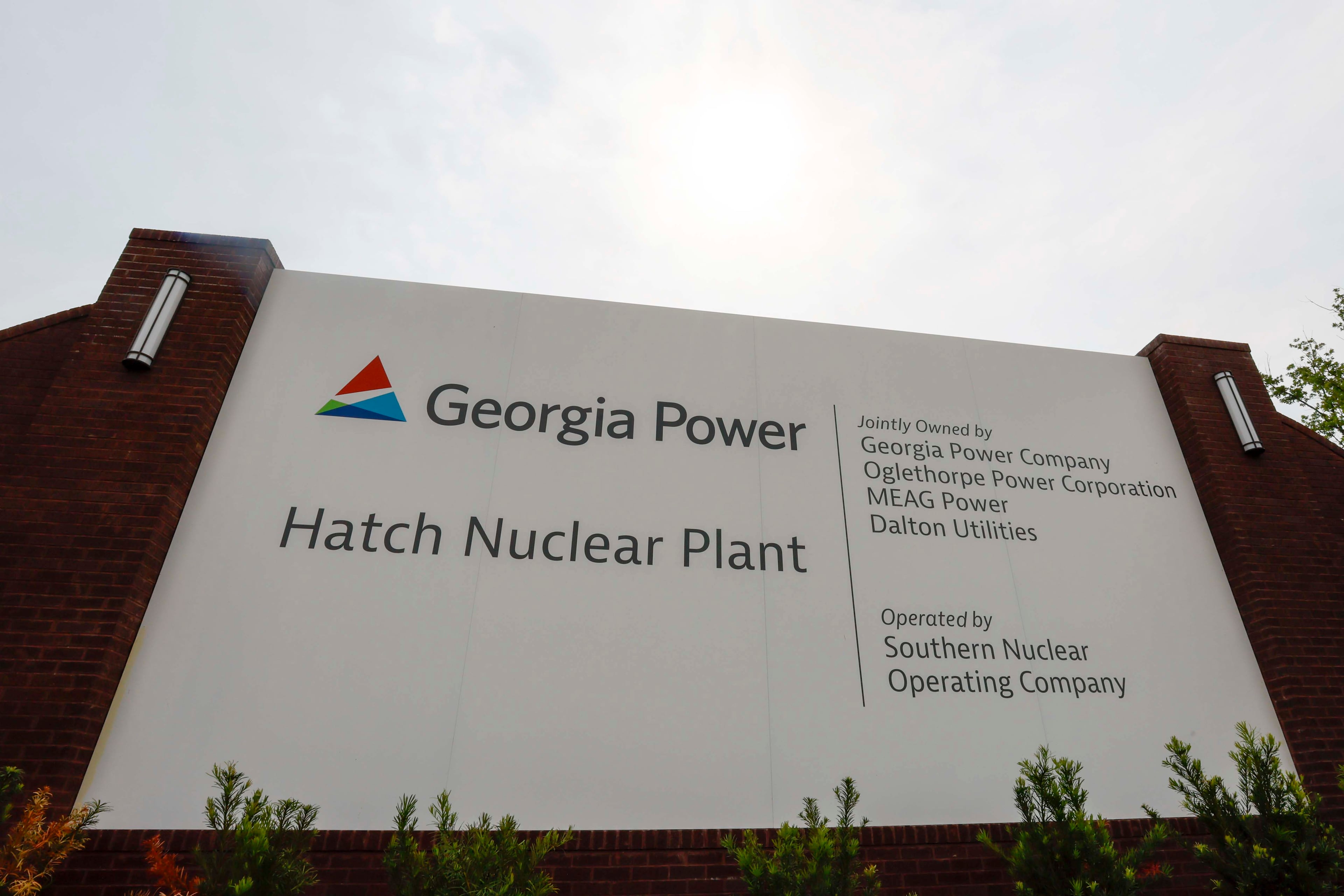
Remember when candidates from both parties were preaching affordability? That’s still the top issue in the race for the Public Service Commission, the agency that regulates Georgia Power, the state’s largest electric utility.
District 5 Commissioner Tricia Pridemore gave up her seat for an unsuccessful congressional campaign. Republicans Bobby Mehan and Josh Tolbert want to replace her. Both say they want to lower electricity bills — but they disagree on how to do it.
Mehan, a businessman, reiterated his promise not to vote for any new rate increases if elected. Tolbert, who was the top vote-getter in May’s primary, said he would use his engineering expertise to “lower rates through technical decision-making.” He criticized Mehan’s pledge as “empty promises to win an election.”
Republicans compete over Trump loyalty
Secretary of State Brad Raffensperger, a Republican, rejected Trump’s request to help overturn Georgia’s election results. Sunday’s debate showed the Republicans vying to succeed him as Georgia’s chief elections officer are taking a different approach.
State Rep. Tim Fleming and former DeKalb County CEO Vernon Jones spent much of their debate competing over who supported the president the most. Fleming noted Jones is a former Democrat and said he has voted for Trump more times than Jones has.
“I’ve always been there for Donald Trump,” Fleming said.
Jones cast himself as an outsider and there to overhaul the secretary of state’s office and leaned heavily into questioning the 2020 election and standing by those who believe in 2020 election fraud.
“He’s a part of the system. I’ve been a lifelong person of reforming and changing the system,” Jones said.
Democrats pledge to reverse GOP policies
Democrats vying for secretary of state took the opposite approach, focusing on safeguarding elections.
Fulton County Commissioner Dana Barrett defended her decision to defy a court order by voting to reject appointing two Republican nominees to the county election board, labeling them election deniers. She pledged to “never give over our elections to people whose intention is to undermine them and to take away our rights and to take away our democracy.”
Her opponent, former Fulton County Superior Court Judge Penny Brown Reynolds — better known as the host of the reality TV show “Family Court with Judge Penny” — condemned Republican efforts to redraw political lines in Georgia and other states following the U.S. Supreme Court decision weakening the Voting Rights Act.
She said the attempts to draw new political lines are “about trying to erase the votes of people.”
‘Fight’ vs. ‘do the job’
Voters have clear contrasts to choose from in the races for lieutenant governor as both contests feature candidates promising to “fight” against candidates who pledge to get things done.
In the Republican debate, state Sen. Greg Dolezal highlighted his work fighting for Trump and against Fulton County District Attorney Fani Willis, who unsuccessfully sought to to prosecute the president for election interference.
“Ask yourself one simple question: If a close friend came to you and said, ‘I’m looking for a conservative fighter,’ who would you recommend? The one who goes along to get along, or the one who has a record of standing and fighting?” Dolezal said in his closing statement.
Meanwhile, former state Sen. John F. Kennedy emphasized his “good reputation” with leaders from both political parties.
“That’s what Georgians expect their elected officials to do, to go into Atlanta and do the job.”
On the Democratic side, former Sen. Nabilah Parkes portrayed herself “a fighter who’s going to take the fight to MAGA Republicans.” But state Sen. Josh McLaurin criticized her for resigning her seat to run for higher office while he remained in the Senate.
“Anybody can say the word ‘fighter,’” McLaurin said. “But the question is, are you going to show up and are you going to get results?”