Michael Adams, my most unlikely freshman professor and sparring partner
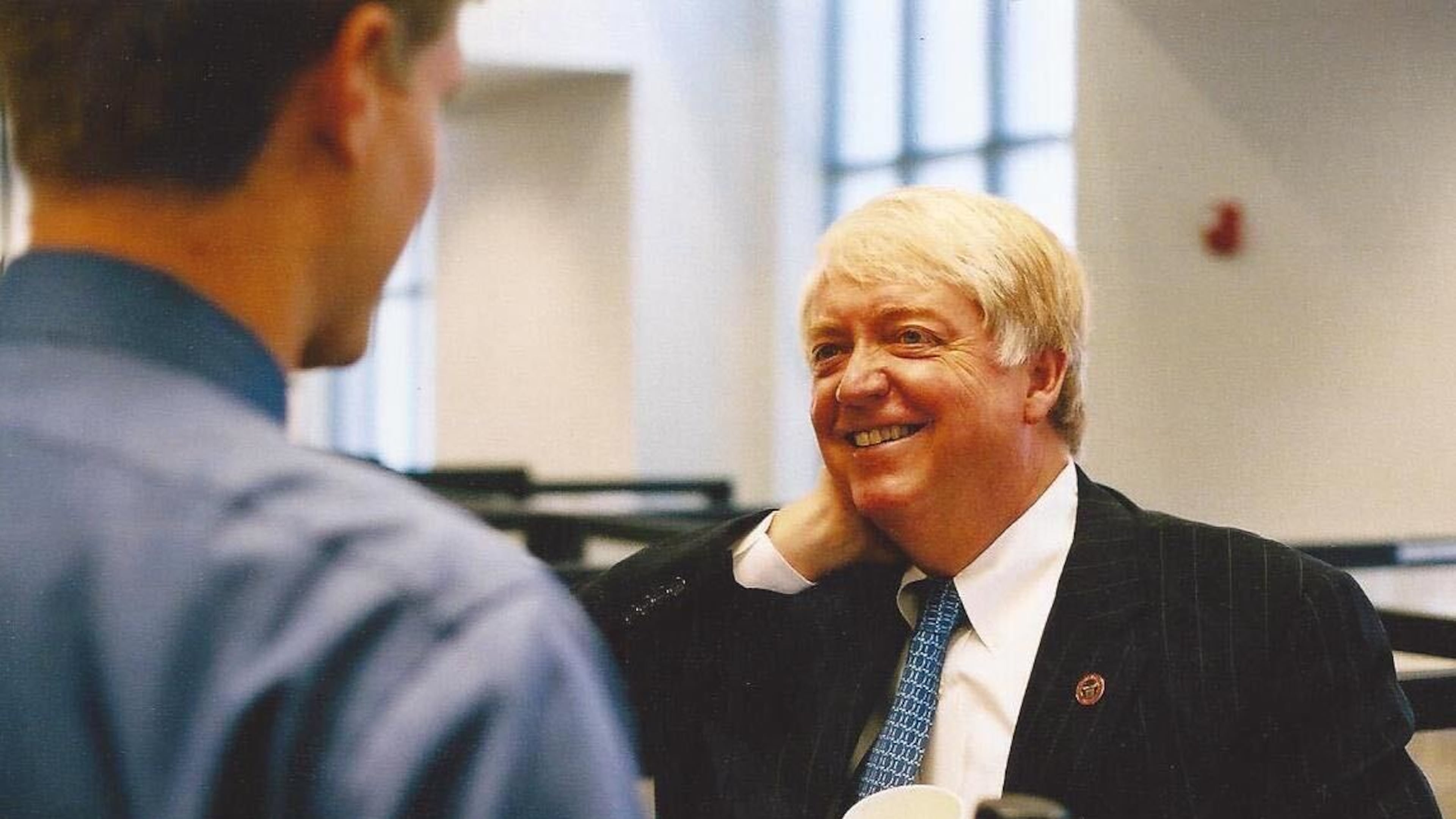
It was the strangest way to kick off my freshman year at the University of Georgia.
On the first day of class in 2000, I walked through UGA’s Administration Building and into a wood-paneled boardroom with a massive conference table, bulky leather rolling chairs and a dozen other bewildered-looking students.
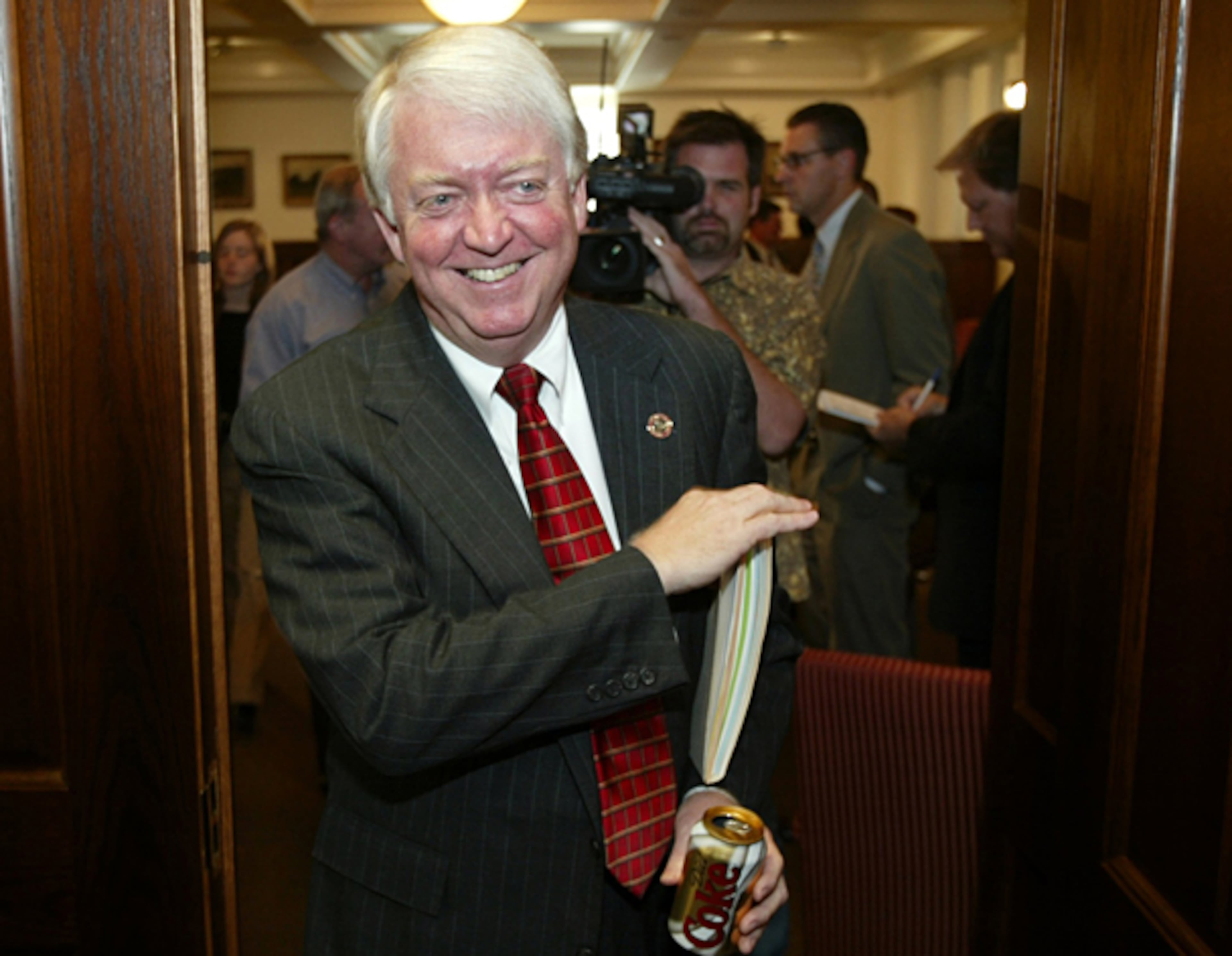
At the head of the table was our teacher for the semester: Michael Adams, the school’s complex, controversial but consequential leader, who died Sunday after a brief illness at the age of 77.
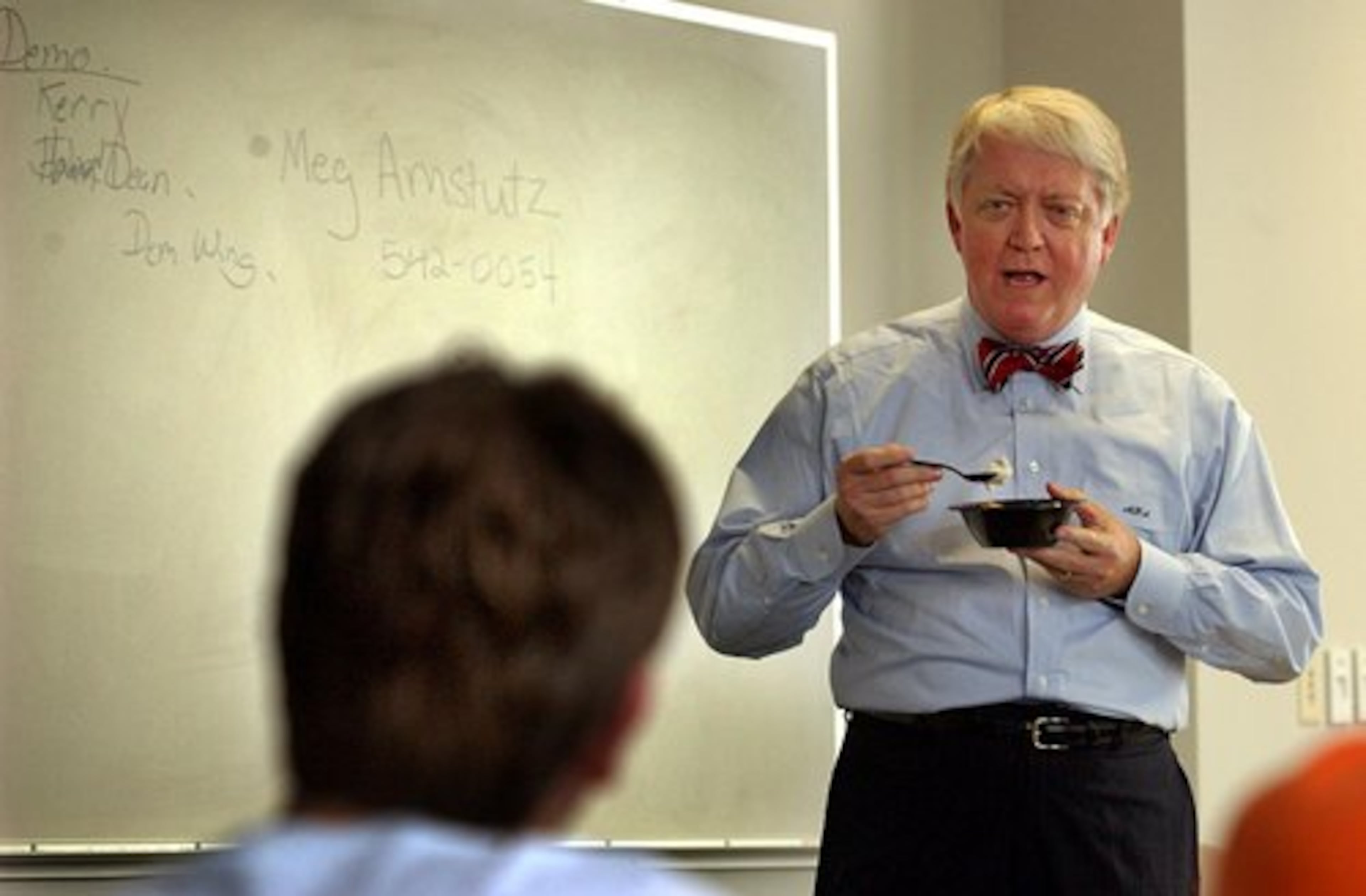
The freshman seminar was called “Presidential Politics and Rhetoric,” and Adams told us he wanted to wade back into the classroom to not just set an example to other researchers, but also to dive into a wide-open race for the White House between George W. Bush and Al Gore.
Milling around the room were a handful of reporters, including an AJC scribe who pressed me for my thoughts: “I don’t know any better way to get into the presidential race than this,” I stammered to her. “And it’s pretty cool to have the president of the university for a teacher.”
Over the next few months, we delved into presidential elections in 20-year increments, starting with John F. Kennedy’s race. Adams introduced me to Theodore White’s “The Making of the President 1960” and Austin Ranney’s “The American Elections of 1980.”
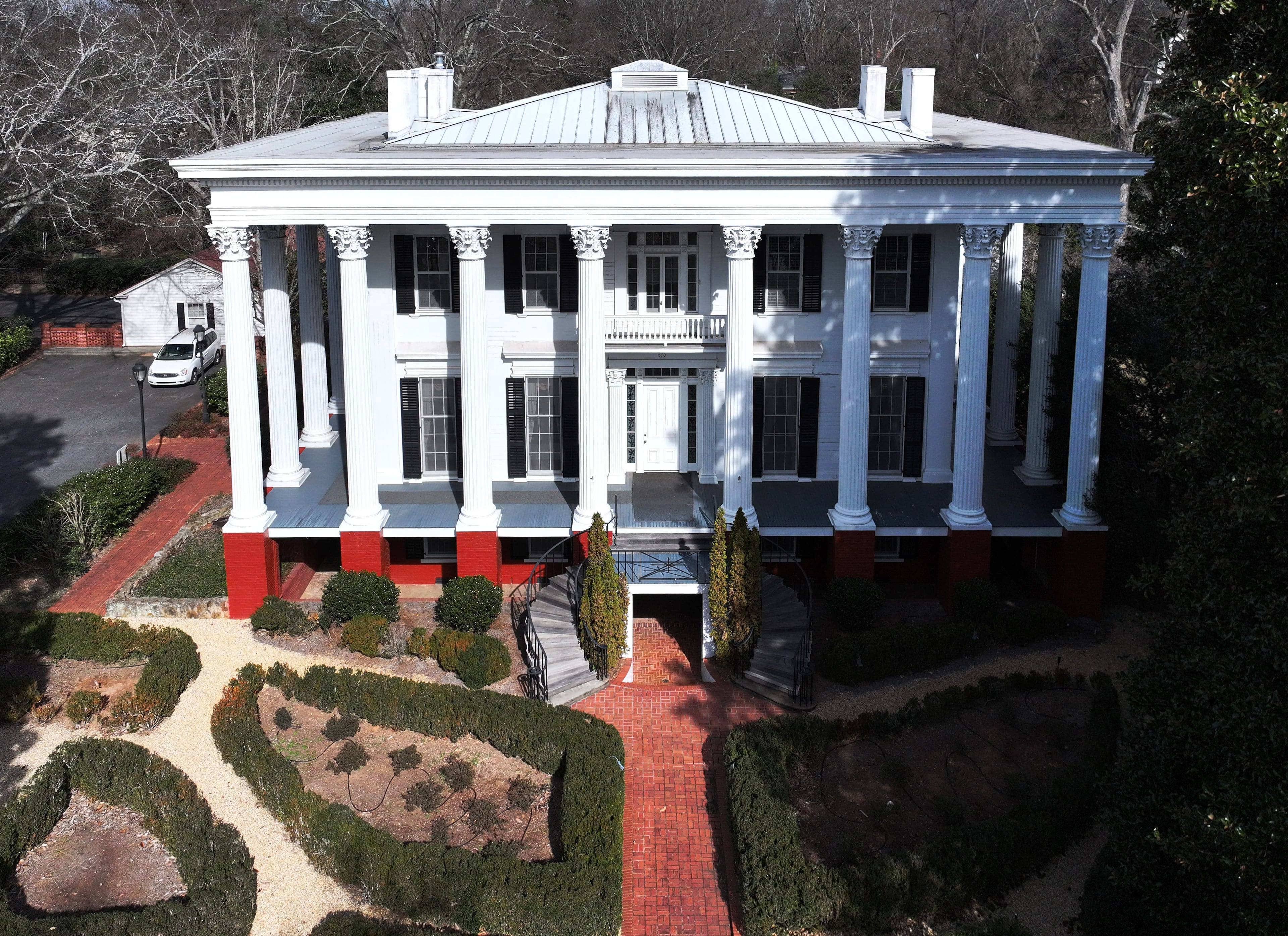
The class culminated with a dinner on election night at the white-columned President’s House off Prince Avenue, where I picked at food far too fancy for my britches as the returns rolled in.
I still remember being ever-so-graciously kicked out of his basement long after midnight, when my remaining classmates and I ended up groggy-eyed in a Brumby Hall dorm room, watching the unprecedented confusion of a disputed election that would drag on for weeks.
Throughout the semester, Adams delighted in telling political stories while keeping us guessing about his own pedigree. (In the pre-Google days, it was harder to discover he had been a top aide to U.S. Sen. Howard Baker, a Republican of Tennessee, and an unsuccessful GOP U.S. House candidate in 1980.)
He pressed us on other topics, too, like the morning he stood mournful after jubilant fans stormed the famed Sanford Stadium hedges — a cherished symbol of Bulldog lore — wondering how he could make students understand the sanctity of campus traditions.
He spoke of law school as if it were my natural next chapter, and he sent me to Washington with another classmate for a presidential symposium, helping ignite my passion for politics and policy.
Soon our worlds collided through The Red & Black, the campus newspaper that captured the trajectory and turbulence of his presidency. And over the years, we would spar over the choices he made as president.
Critics saw an imperious leader with an appetite for lavish spending. An $850,000 ecotourism resort in Costa Rica for a study abroad program became a rallying cry for his detractors, and a scathing audit uncovered other questionable decisions.
But it was his relentless fight with Vince Dooley, the legendary athletics director, that came to define a part of his legacy. Adams refused to extend Dooley’s contract in 2003, triggering what would be seen as proxy for a sports-versus-academics debate.
Dooley fought the decision, and it created a bitter rift between the school’s alumni, donors, faculty and students – spilling over, too, into the halls of the Gold Dome.
The powers that be had Adams’ back, and Dooley was granted one additional year as a paid consultant and an office-for-life in a campus building on his way out.
While I led The Red & Black, we documented the saga like a soap opera staged in a boxing ring. But we were more worried the spectacle would distract from UGA’s deeper challenges – rising tuition, painful budget cuts and core questions about its future.
Legacy is a complicated thing. Adams’ 16-year tenure was controversial but undeniably transformational. He reorganized schools, laid the groundwork for a medical campus, expanded the engineering program and presided over a surge of $1 billion in spending on UGA projects.
He oversaw enormous growth in enrollment, the endowment and the university’s reach. By the time he stepped down in 2013, UGA was a fixture in national rankings of top public universities.
But I remember him beyond the headlines. He was my first glimpse of how power works — and how personal it can be. Adams was not just a figure in the news, but a man of merits and flaws, with a weakness for Diet Coke and a love of history. He was a husband. A father. A grandfather. A teacher.
And he was always willing to keep talking, even as we pressed and pressured him. Even after he left office, we met every so often in Athens to swap stories about politics and life.
The last time I saw him, I was dropping my eldest daughter off at a tennis camp at UGA. One of his grandchildren was there, too, and he watched beyond the gates.
He looked happy there, on the sidelines. And he could still laugh, even then, about the battles that once consumed Athens.
About the Author
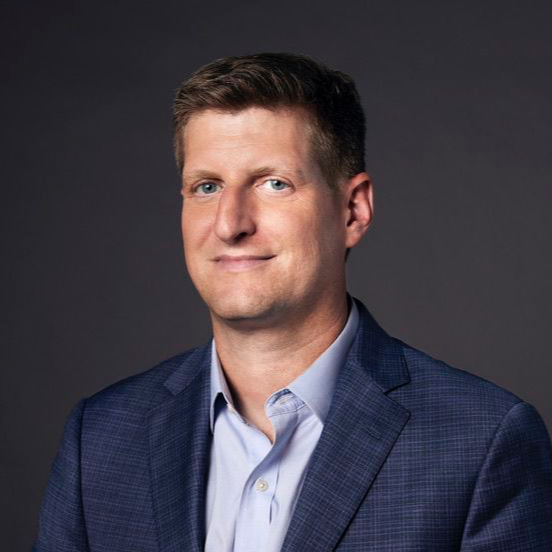
Greg Bluestein is the Atlanta Journal Constitution's chief political reporter. He is also an author, TV analyst and co-host of the Politically Georgia podcast.


