MARTA keeps breaking my heart. I’ll keep riding and demanding change.

I recently completed my one-year AJC anniversary, and an attentive reader ribbed me because he remembered that one of my first columns involved my epic fail as a first-time transit rider in Atlanta.
The column, “I got lost taking MARTA, but I will ride again,” published in May 2025.
MARTA reposted my column on Instagram with a nice welcome message, but some of the comments were brutal — and kinda funny.
- atl2sd: “How?? It’s not NYC”
- atlflowerco: “It’s 2 lines .... How did you get lost girl?”
- erik_the_great: “MARTA has the simplest system....I blame the user. Lol”
- jason_talks_loud: “Getting lost on a marta train is like getting lost between the letters A & B.”
In my defense, it was a signage failure that led me to take the gold instead of the red line. I found my way home, and I have never lost my way since.
In fact, my overall experience has been positive, including rides to the Peachtree Road Race, the Decatur Book Festival, an Atlanta United match at Mercedes-Benz Stadium and to the airport multiple times (including my mom’s first ever ride on the system).
When I lived in Cumming my first eight months in metro Atlanta, driving about three hours a day because the AJC’s newsroom is in Midtown, I looked forward to those 20 minutes from the North Springs to the Arts Center station to read, breathe and think.
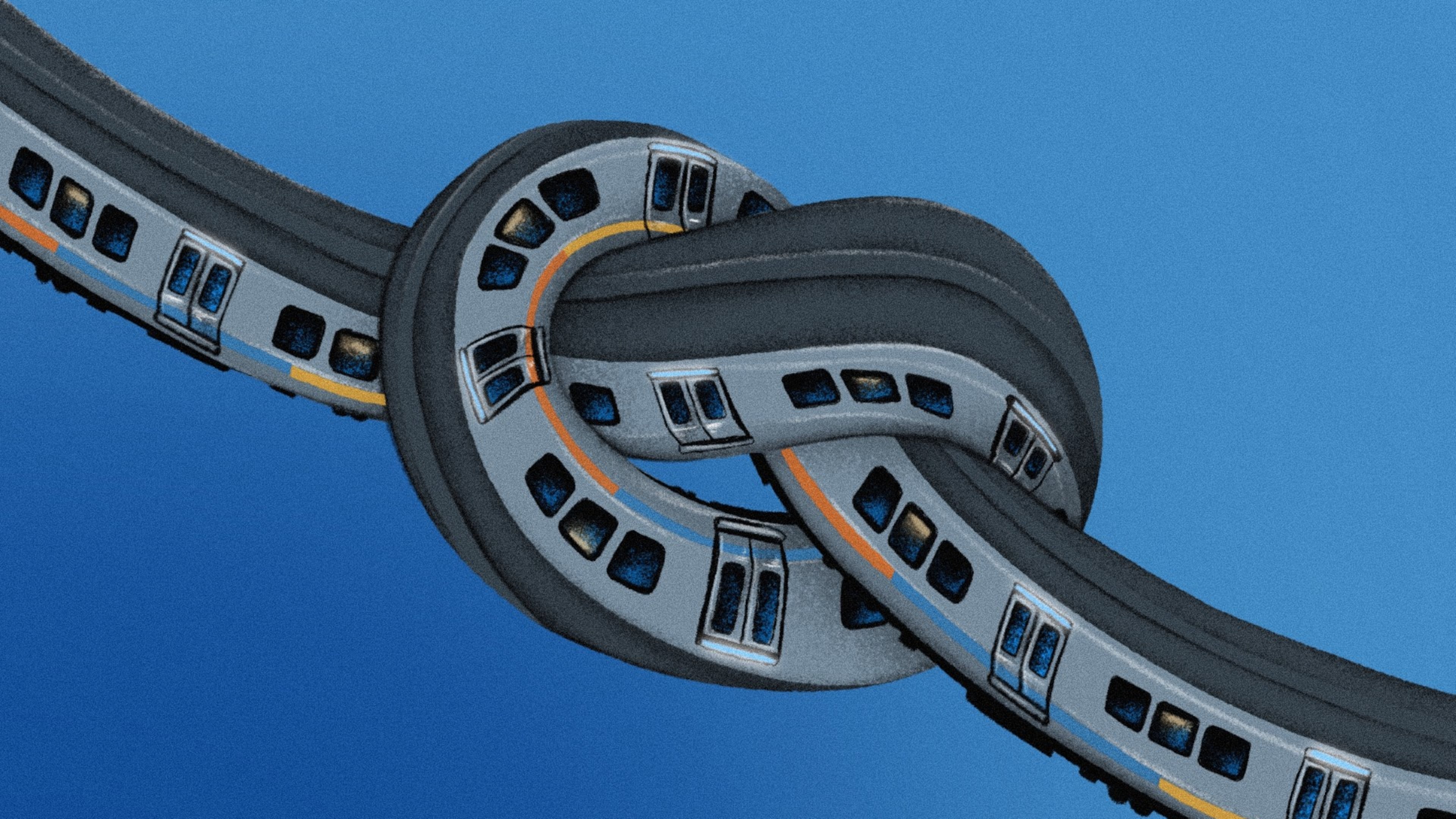
But MARTA’s had a rough year, and it breaks my heart as a regular transit rider that the system keeps taking two steps backward for every step forward.
Escalator mishaps and a tragic killing mar progress
MARTA is an easy punchline. The system gets a lot grief for complaints about safety, cleanliness and efficiency. Those of us who ride trains and buses regularly generally get to where we need to be on time and in one piece, but one bad incident can jaundice a person’s perspective forever.
In the past year, an accumulation of bad press has convinced too many residents that the system is hopeless.
In 2025, an insufficient number of active trains caused massive delays for people leaving the Shakira concert at State Farm Arena and for runners going to compete in the Peachtree Road Race.
That same summer, the escalator at the Vine City station malfunctioned and hurt dozens of people after one of Beyoncé’s four concerts. MARTA officials blamed a stampede of people, but AJC reporting found there were mechanical issues at play.

The construction at MARTA stations to fix infrastructure such as elevators creates confusion and limits access for people with mobility issues. The system’s central Five Points station resembles a labyrinth, where riders are left befuddled about where to go to take the train north, south, east or west.
Over the past year, two MARTA CEOs have met with the AJC editorial board, editors and reporters asserting MARTA would be ready for the World Cup, the ultimate global sporting event, which starts June 11 and is expected to draw 300,000 visitors to Atlanta.
“This whole concept that MARTA might not be ready for the World Cup is so far from the truth,” former CEO Collie Greenwood said during an editorial board meeting in June 2025.
In December, Greenwood’s successor, interim CEO Jonathan Hunt, told the editorial board about progress in testing new, modern rail cars.
“I think there’s lots of opportunities for us to deliver on a project, build more trust and deliver on another project,” Hunt said.
But the truth is that MARTA failed to deliver on promises to modernize the system.

MARTA delayed the June 4 unveiling of 224 new CQ400 railcars — just a week before the World Cup — over not passing safety inspections and consumer safety concerns.
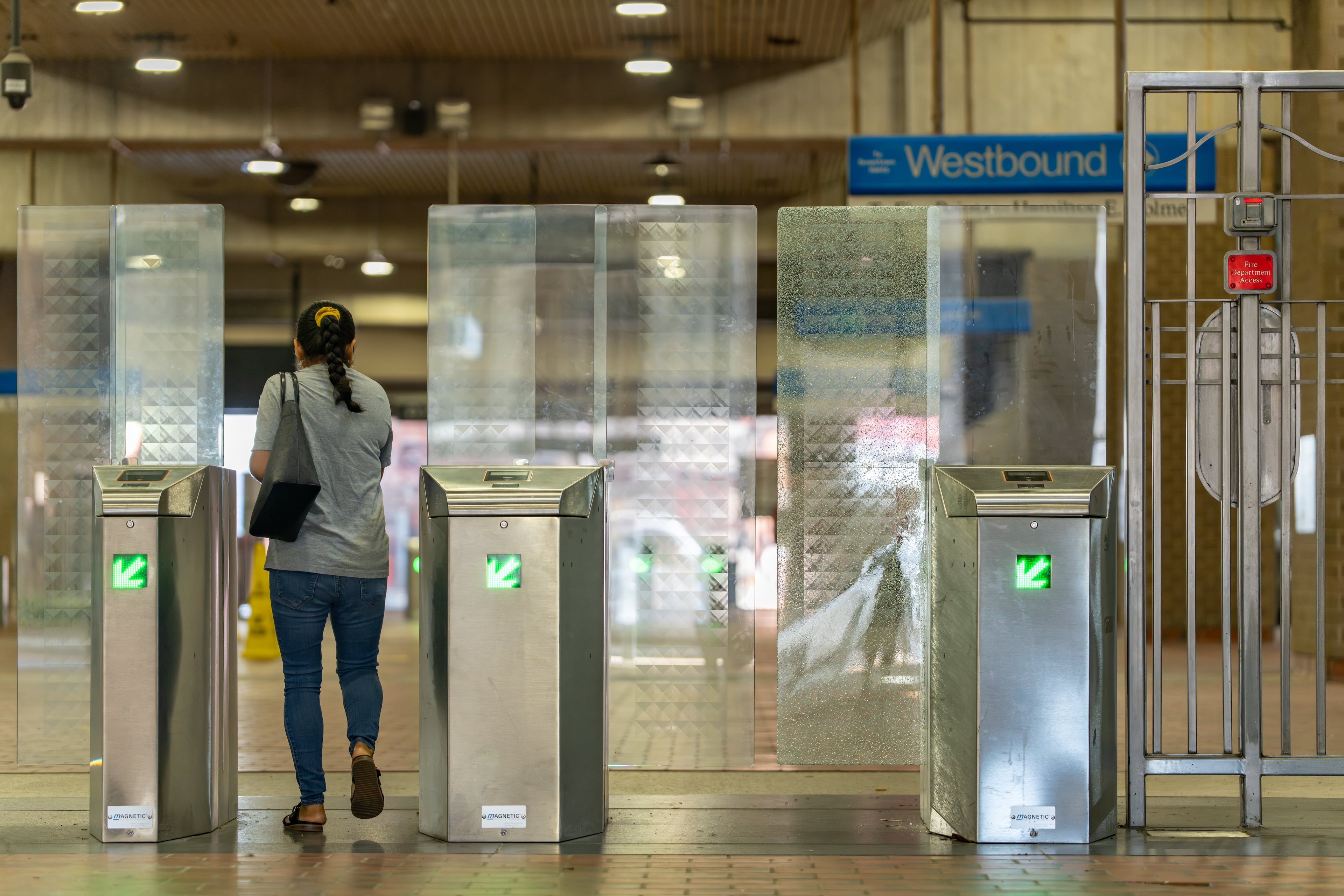
New fare gates to stem the tide of fare theft rolled out unevenly throughout the system. First, the system marketed a start date of April, then May. As of June, several stations still do not have working fare gates.
For example, on June 2, I took a train from the Arts Center to the Peachtree Center station to attend the Atlanta Business League annual luncheon and got a free ride there and back because there was no way to pay. For those who know, the Peachtree Center escalators are incredibly tall and one did not work. I took the stairs, but if I had a health issue, I would have had to turn back.
Also, we have learned now the glass on new fare gates must be replaced because it is shattering.
By now, there should have been new fare gates and new railcars. It’s a stunning blow to the system’s efforts to build confidence in its efficiency.
Moreover, the secret meetings that led to the hiring of Hunt and a decision by a MARTA board committee to scrap work on rail on Atlanta’s Eastside Beltline chip away at the system’s ability to earn trust.
Then, there’s the safety component.
Although the system is overwhelmingly safe, the May 30 horrific killing of 66-year-old great-grandmother Margaret Swan on a train approaching Oakland City station alarmed the community.
The suspect is jailed, but the crime exposed the vulnerabilities and limitations of the system — despite its police force, thousands of cameras and the See-and-Say security app.
We cannot downplay this incident. Yes, this is rare, but one instance of violence like this will sour both regular riders and those who have never ridden before but hold strong opinions about the experience.
State funding and safety campaigns are solutions
So, why do I keep riding MARTA?
It’s simple: it gets me where I want to go cheaply ($2.50) while avoiding the often oppressive traffic congestion that is one of Atlanta’s calling cards. It’s easier now that I live in Midtown.
But my experience is not everyone’s, and to improve the system, here are several ideas local, regional and statewide leaders ought to consider.
It comes down to money, transparency and accountability.
Although voters in Fulton, DeKalb and Clayton counties have supported referendums over the years — including an overwhelming (71%) yes vote for the 2016 More MARTA — to create and expand the system in those counties, MARTA rail has little to show in recent years.
The North Springs station was the last one opened — and that was in 2000.

Yes, rail is expensive. Proposed rail around the 22-mile Atlanta Beltline is estimated to cost at least $3.5 billion.
MARTA needs to regularly account for where the voters’ money went and amplify it more loudly. If MARTA is backing away from Beltline rail, board members and leaders must say so and explain the decision to the public about why and what’s next.
Voters may be wary of approving new referendums by now, but the state of Georgia — which offers no dedicated funding for MARTA operations — should reconsider and start chipping in for a system that services the world’s most efficient and busiest airport, Hartsfield-Jackson Atlanta International. Consider it an investment in the region and state’s economic future.
MARTA is more than rail, and its buses and shuttles are an important part of the infrastructure, but finding less expensive alternatives to being in traffic is something leaders need to consider in their plans.
Autonomous vehicles are not perfect —- as the city saw when some Waymo cars headed toward flooded roads during recent rains. However, they do offer convenience and safety.
Safety must be the highest priority.
Lt. Gov. Burt Jones, a Republican candidate for governor, suggested sending Georgia state troopers to MARTA stations if he’s elected.
The effective militarization of transit, however, may also have the unintended consequences of deterring riders and building distrust between government and people who just want to be left alone.
However, there have to be better ways for people to call for and receive immediate help in the rare cases there is trouble. MARTA, along with local leaders and social media influencers, would benefit from doubling down on a safety campaign to help riders protect, defend and respect one another.
Hunt, the interim CEO, and MARTA Police chief M. Scott Kreher are ramping up their messages about safety, and that’s a good start. Now that U.S. Transportation Secretary Sean Duffy has called for an investigation into MARTA safety, it will be critical for local and federal authorities to cooperate for the sake of riders and be transparent about findings, solutions and next steps.
I will keep riding MARTA, and I want to be able to encourage others to do the same, but I fear I can’t without attracting the same derision when I got lost taking the train last year.
David Plazas is the AJC’s opinion editor. Email him at david.plazas@ajc.com and send him your suggestions how to improve MARTA. Share your riding experiences, good and bad, and what leaders should do next.