Georgia panel recommends grants for opioid overdose prevention
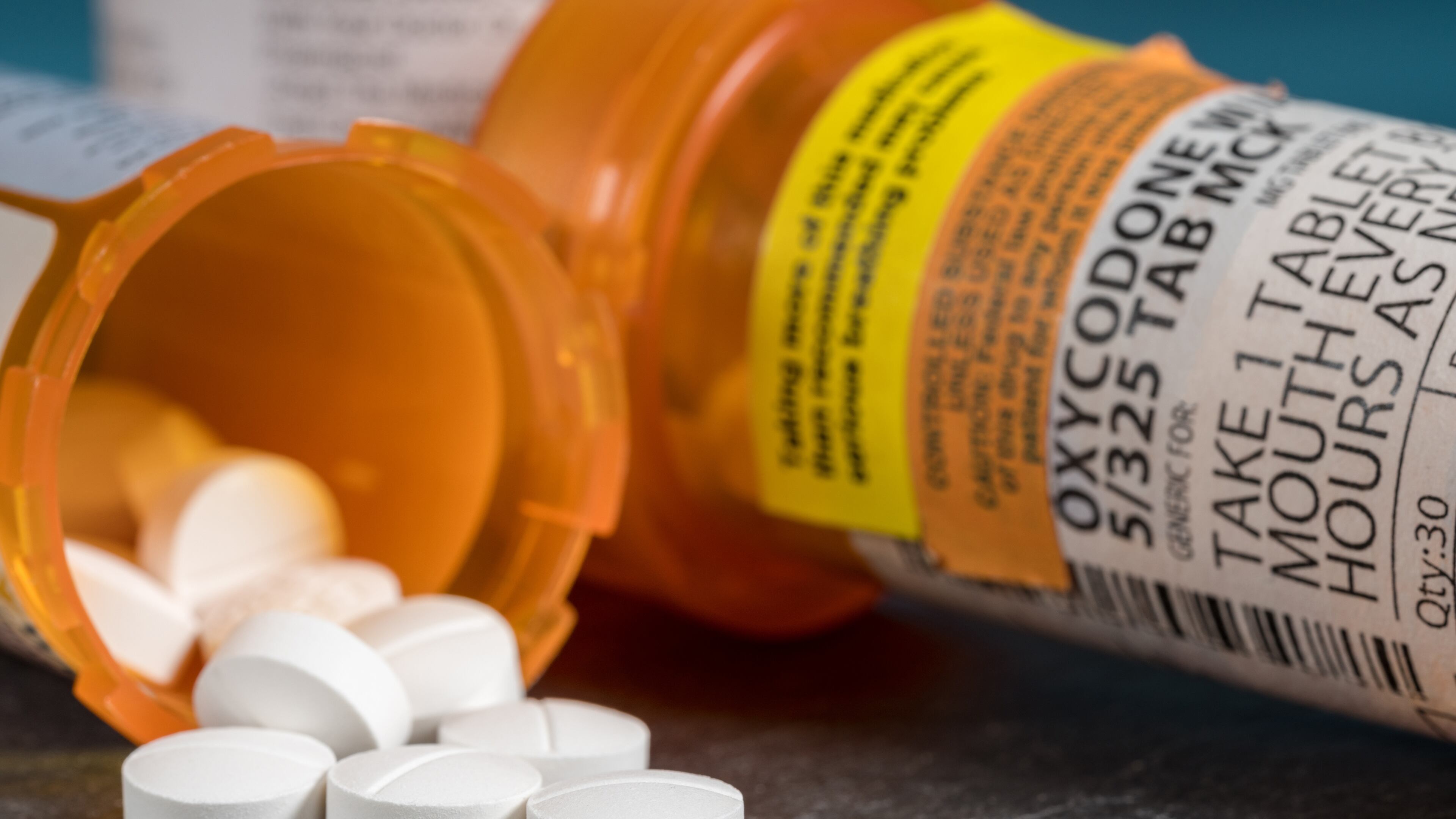
A state panel Thursday recommended issuing more than $44 million in grants for scores of addiction prevention and treatment efforts aimed at the deadly opioid overdose epidemic in Georgia.
Dozens of nonprofit groups, universities and other organizations across the state submitted proposals to the Georgia Opioid Settlement Advisory Commission. Some are planning to distribute naloxone and fentanyl test strips, expand addiction treatment programs and mount overdose prevention campaigns.
Over the next 18 years, about $479 million is expected to flow into Georgia to help fight opioid abuse. It will come from a $26 billion multistate court settlement reached with companies that made or distributed prescription painkillers linked to the opioid epidemic: AmerisourceBergen, now called Cencora; Cardinal Health; McKesson; and Janssen, now known as Johnson & Johnson Innovative Medicine.
Among the pricier projects endorsed by the commission Thursday are:
- $5.8 million for a CDC Foundation effort aimed at preventing overdoses in rural parts of Georgia. The foundation released a statement Thursday, saying it was pleased with the commission’s recommendation: “If accepted, we look forward to working with partners to address this issue that has impacted individuals, families and friends in communities across our state, including in rural areas.”
- $4.4 million to support collaboration between the Emory Addiction Center and the Addiction Alliance of Georgia to expand outpatient clinical services. Dr. Justine Welsh, the alliance’s medical director and Emory Healthcare’s addiction services director, said Thursday: “We are incredibly hopeful that these funds are going to serve families in the community in our expanded outpatient location.”
- $3.9 million for The Extension, a residential recovery program serving homeless people who are experiencing addiction in Cobb County. The Extension has proposed offering medication-assisted addiction treatment to adults for free. Tyler Driver, The Extension’s executive director, welcomed the commission’s decision about his organization’s application, saying it is “our expectation that many lives will be saved. It will help change the trajectory of people’s and families’ lives. The benefit of this funding will be felt for generations to come.”
Appointed by Gov. Brian Kemp and local governments, the commission culled its recommendations from more than 300 applications submitted by 240 organizations. In all, those organizations applied for nearly $250 million in grants from Georgia’s Opioid Crisis Abatement Trust.
Kevin Tanner, who leads the trust and serves as the commissioner of Georgia’s Department of Behavioral Health & Developmental Disabilities, will have the final say. In a prepared statement issued Thursday, Tanner said he is “committed to transparency and accountability as we put these funds to work in our communities.”
Applicants who don’t make the cut this year will have more opportunities to try again.
The settlement money is being divided up among the states based on the amounts of painkillers shipped to them, how many opioid-related deaths have happened within their borders and how many of their residents are suffering from opioid addiction.
The panel’s decisions were announced on the heels of promising news: Drug overdose deaths are down significantly, according to provisional figures released this week by the U.S. Centers for Disease Control and Prevention. About 97,000 people died from overdoses during the 12-month period ending in June. That’s down 14% from the previous 12 months, when about 113,000 people died from overdoses.