Study finds ‘no need’ to privatize security at Hartsfield-Jackson
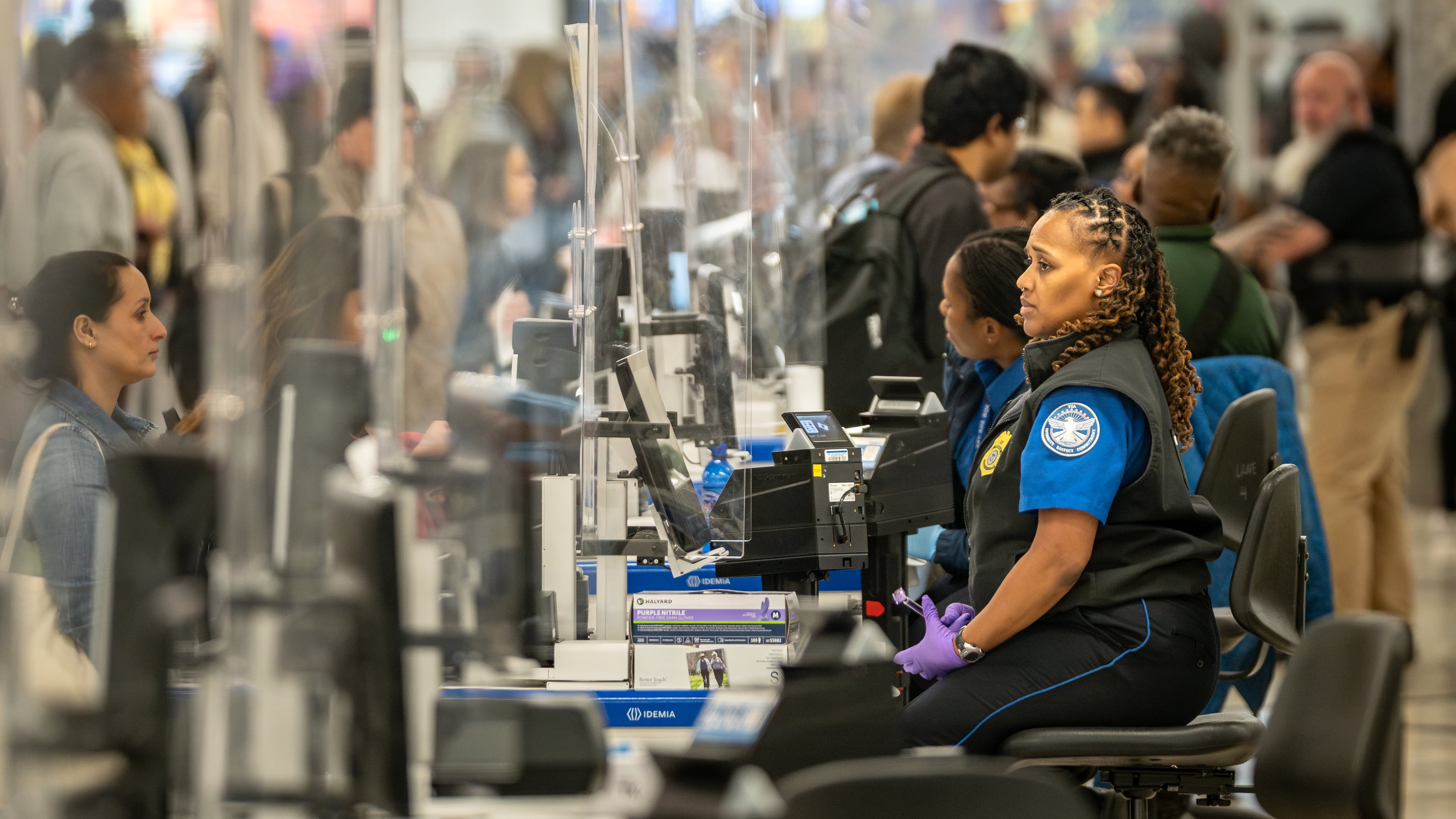

The world’s busiest airport will not move to privatize security and bag-screening operations after a monthslong study found there is “no need” to do so, city of Atlanta officials said Monday.
A TSA privatization study was requested in the spring, after a 76-day partial government shutdown led to mass call-outs, long lines and major delays for travelers trying to get through security at Hartsfield-Jackson International Airport.
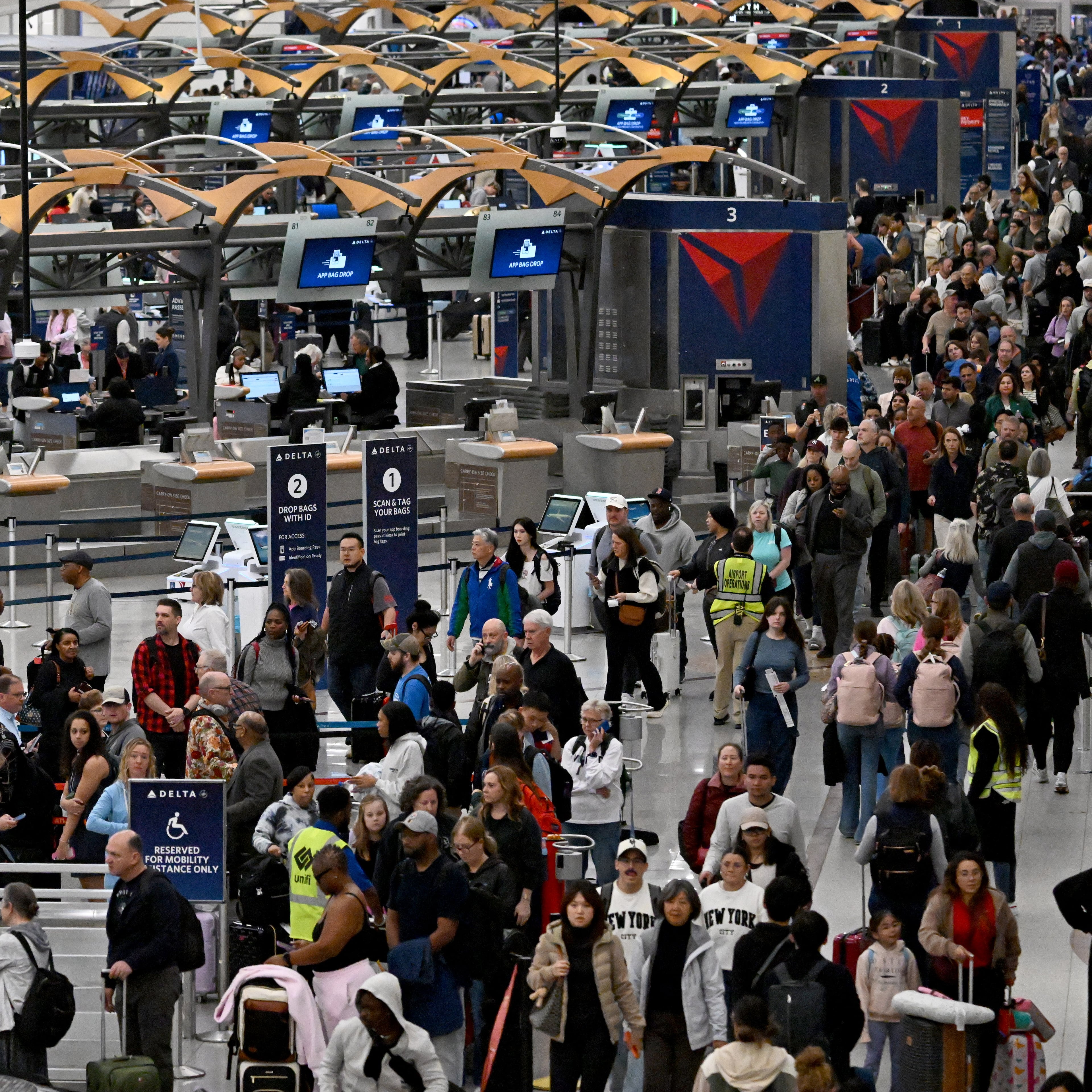
There are just 20 airports that have private companies handling security screening under the Transportation Security Administration’s Screening Partnership Program.
But Atlanta has more travelers come through security each year than all of them combined, airport officials told city council members.
Airport General Manager Ricky Smith said that, while there is always room for improvement, the majority of issues seen earlier this year stemmed from decisions made in Washington, D.C.

“We’re really here having this conversation because of actions in Congress,” he said Monday.
The third-party privatization study requested by the Atlanta City Council was conducted by the aviation consulting firm Ricondo.
After seeing those results and speaking with TSA representatives, local union leaders, Delta Air Lines and other airports, Smith said having TSA continue managing security at Hartsfield-Jackson is the right move.
Tom Nissalke, the airport’s assistant general manager, said the study examined what went wrong during the partial shutdown that began in February.
“During that time there were TSA employees who were deemed essential employees, who had to remain working even though they weren’t being paid,” Nissalke said.
Many were forced to take other jobs in order to support themselves and their families over the 11-week shutdown, union leaders said at the time.
While screeners at airports with private security contracts continued getting paid, the vendors who submitted those invoices to the federal government were not being reimbursed.
That meant they had to find “some other means to keep paying their staffs,” Nissalke said, questioning whether that would have been sustainable had the shutdown gone on even longer.
Only 4.2% of U.S. travelers pass through security at airports with private screeners, the study found.
Private screening contractors receive the same training as TSA employees and are entitled to comparable pay. That means any potential savings would be negligible.
“There is no cost difference,” Nissalke said.
The study also found that attempting to transition Atlanta’s estimated 1,300 TSA employees posed an “operational risk.”
“You can’t transition them all from one day to the next,” Nissalke said, noting there are no “chronic issues” that warrant moving away from using TSA employees at Atlanta’s airport.

The decision to stick with federal TSA employees was welcomed by local union leaders, who had raised concerns about the study.
The American Federation of Government Employees was among the most vocal in its opposition to the idea of privatizing Atlanta’s airport security.
Aaron Barker, president of the TSA Local 554, said he was relieved when Smith shared the results of the study with him last week.

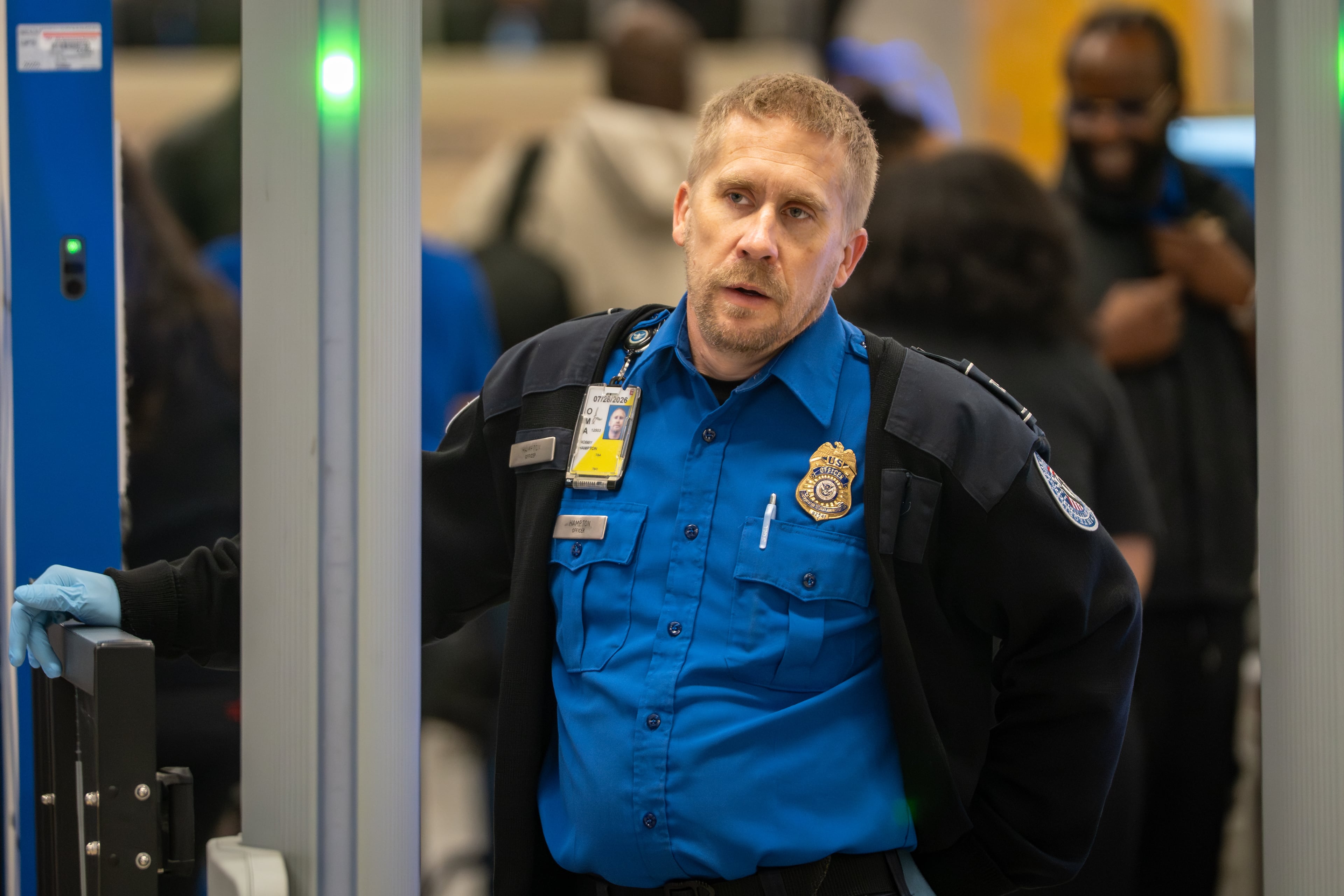
“We are definitely happy with the results of their findings,” said Barker, whose union represents about 1,000 employees in Atlanta.
He said TSA workers had major concerns about losing pay, benefits and their years of federal service amid the talks of privatization.
For many of Atlanta’s working-class families, the federal jobs available at the airport have been essential tools for their upward economic mobility, he said.
“Other security companies don’t offer the benefits that we have,” Barker said, noting federal jobs typically come with higher wages, better healthcare and more workplace protections.
Smith is hopeful the study will help ease the concerns of airport employees who no longer have to worry about “privatization hanging over their heads.”
Atlanta City Council member Byron Amos called for the feasibility study after watching travelers miss their flights and TSA workers go months without a paycheck.
He said Monday that he supports the Department of Aviation’s decision, but thinks federal officials could do more.
“Hopefully this Congress will hear the cries of the people (and) understand that they are seriously hurting air travel if they don’t do what needs to be done by TSA,” Amos said.