South Korea's central bank raises key interest rate to fight inflation
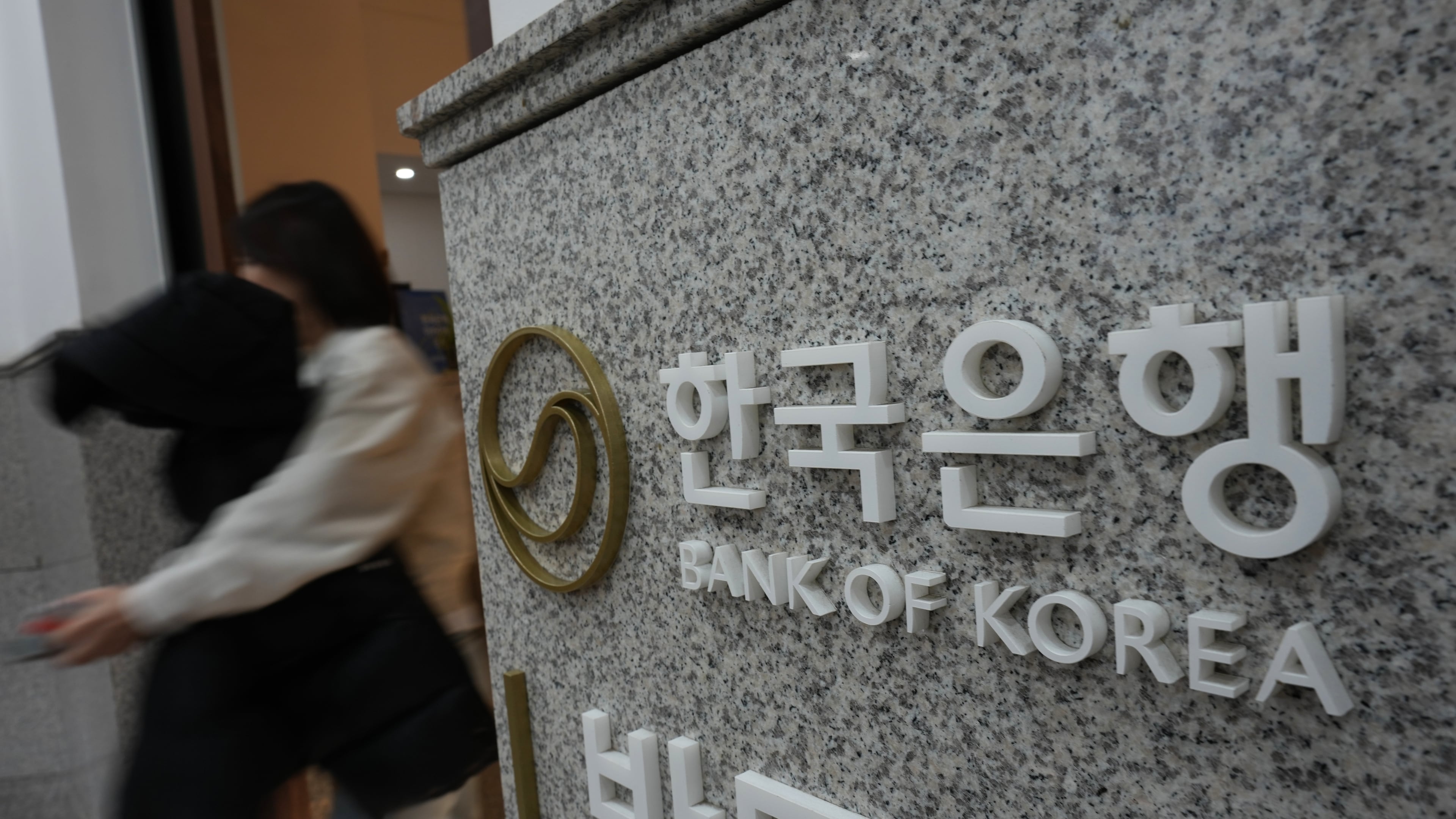
SEOUL, South Korea (AP) — South Korea’s central bank on Thursday raised its benchmark interest rate for the third time since July, aiming to tighten money supply in the face of inflationary pressure driven by the war in the Middle East and the country’s booming semiconductor exports fueled by global demand related to artificial intelligence.
In raising its policy rate by a quarter-percentage point to 3.25%, the Bank of Korea also lifted its growth forecast for South Korea’s economy to 3.9% from 3.3% for 2026, and to 4.1% from 2.9% for 2027, following months of strong exports.
Despite the robust performance in trade, analysts have noted that consumer spending has remained subdued due to rising prices, stagnant wages and the burden of servicing South Korea’s notoriously high household debt.
Consumer prices rose 2.8% in October from a year earlier, above the bank’s 2% target. Core inflation, which strips out volatile food and energy prices to better gauge underlying price pressures, rose 2.7% over the same period.
The bank said in a statement that raising borrowing costs was necessary as inflation was expected to remain above target for a “considerable period” and also cited “persistent risks on the side of financial stability.”
The bank said the global economy was maintaining modest growth despite the conflict in the Middle East, mainly driven by AI-related investments, but price pressures would continue to grow, driven by increasing energy costs.
It warned that the rising house prices in the capital Seoul and the metropolitan area could further aggravate the country’s household debt.