In metro Atlanta, even driving against the rush hour grain can be a slog
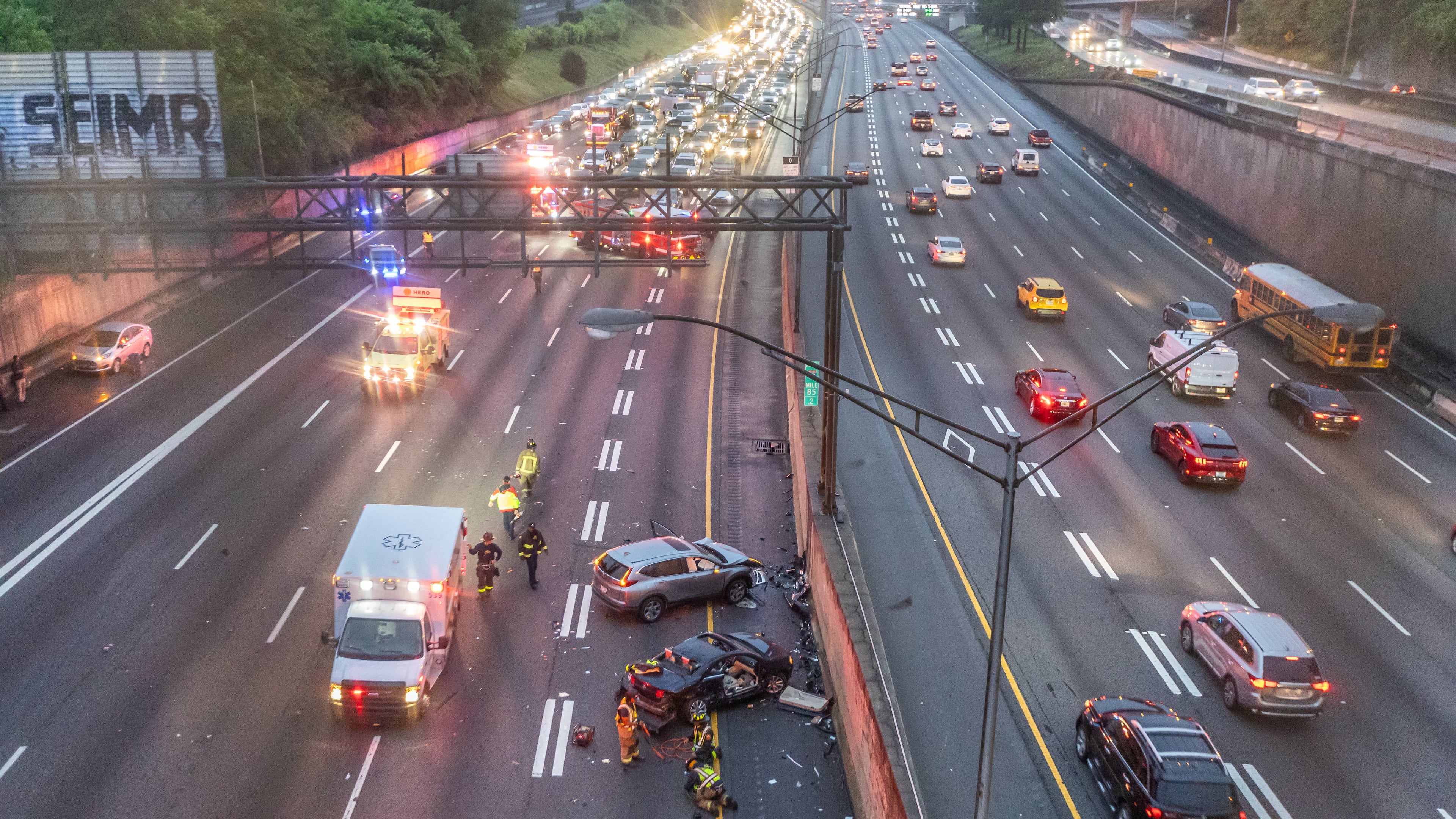

Atlanta rush hours used to have cleaner rules: the inbound (toward downtown Atlanta) rides in the mornings and the outbound (away from the city center) rides in the afternoons were undeniably the worst.
While that technically still holds true, the lines are a lot messier and the opposite directions back up far more quickly.
For example, Tuesday morning saw yet another instance of overnight road work staying out past its deadline in DeKalb County. Crews waiting for new pavement to dry stayed parked in two left lanes on I-285 southbound (inner loop) at U.S. 78 (Exit 39) until after 7:30 a.m. The delays were noticeable even before the original cutoff time at 6 a.m., but were stark and miles deep by the time it cleared.
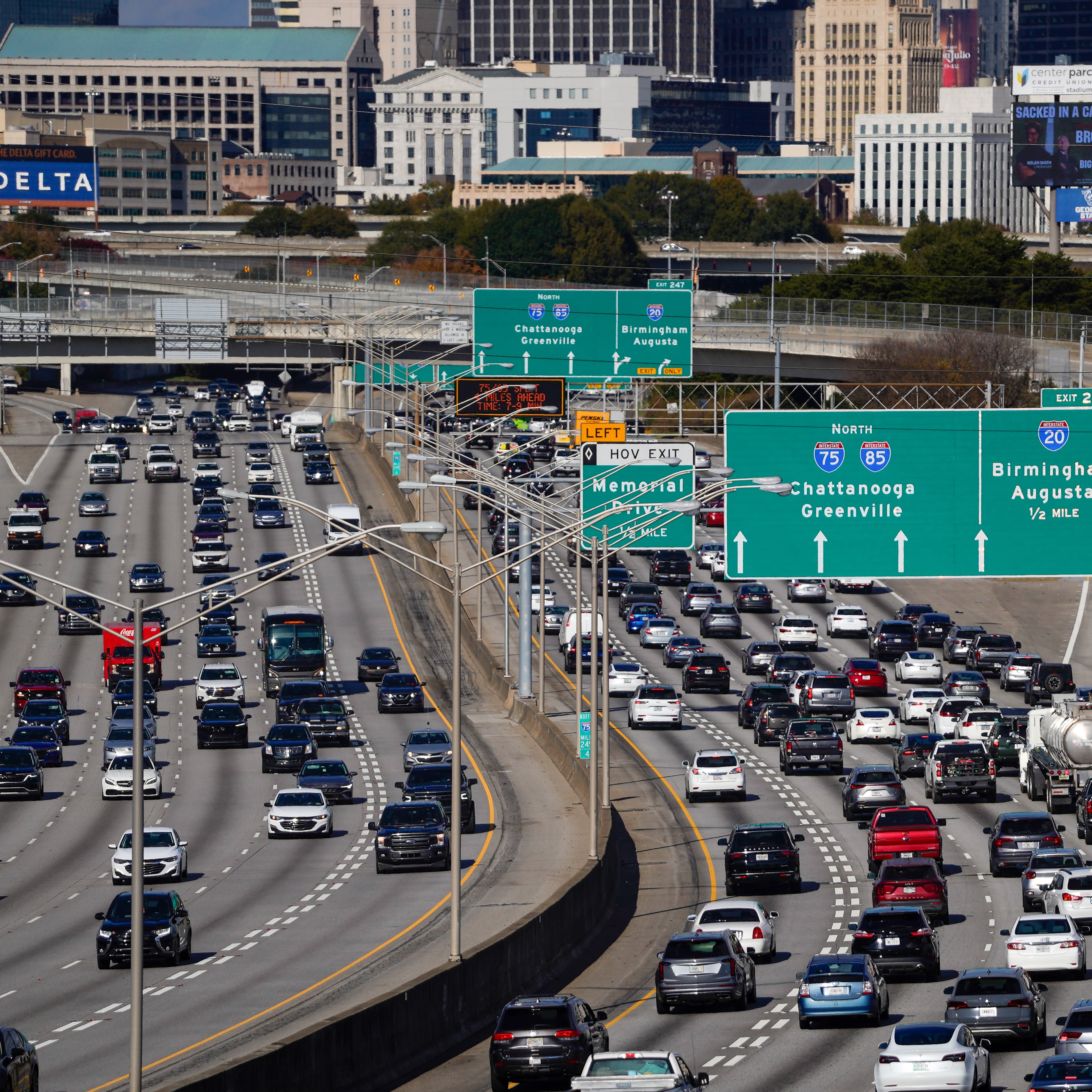
But I-285 northbound (outer loop), by far and large, carries the largest rush load in DeKalb County each morning, routinely seeing delays most of the way from I-20 up to I-85 and west to Dunwoody. But this wrinkle in the southbound continuum showed how much traffic is actually on that side of the wall.
And it ended up having an effect on an inbound commute. With half of I-285 South shut down for a small stretch and with over 5 miles of delays behind it, I-85 southbound saw a heavier load inside of I-285 through Chamblee. At its nadir, the I-85 southbound delays started south of Shallowford Road (Exit 93) and mixed with the normal delays beyond that and into Midtown.
The butterfly effect of bad traffic is a real thing.

Rachel Cox-Rosen and I see this routinely in our weekday morning reports on 11Alive. As we pore over cameras, Georgia Department of Transportation incident lists and traffic map data to compose our reports, aberrations on the outbound sides of freeways stick out more because the inbound directions are often already slow.
And, just like with I-285 southbound this past Tuesday, those issues can have their effects on the more predominant sides of roads, too.
On the same morning as that mess, a tractor trailer overturned on I-75 northbound, north of Wade Green Road (Exit 273) in Acworth. That closure backed up I-75 northbound traffic 3 or 4 miles, almost back to Barrett Parkway (Exit 269). It occurred before 3 a.m. and did not clear out of northbound lanes until after 7:30 a.m. But I-75 southbound, the side with the heavier drive time load, felt externalities, too.
Not only did inbound I-75 traffic slow to rubberneck at the chorus of flashing lights trying to upright the truck and trailer and clean up the fluid spill, but the Peach Pass express lanes were closed in that section. The truck had taken down a power pole and a mile marker sign, knocking them off the median wall and into the left shoulder of the reversible toll lanes. GDOT and the State Road and Tollway Authority had to keep those lanes closed, they said, because they are narrow and they did not want anyone hitting the large debris.
The Peach Pass lanes did not fully open until just before 8:30 a.m., meaning I-75 southbound did not have that extra capacity from the Hickory Grove Road entrance (north of Wade Green) to the Big Shanty Road entrance (near Chastain Road). So, the main I-75 southbound through lanes had extra traffic in them for a couple of miles and the delays were worse than normal below Lake Allatoona.
The lesson here is very similar to what we discussed in last week’s column on the increase in crashes and delays that I report on in new work zones: Drivers can never take good conditions for granted.
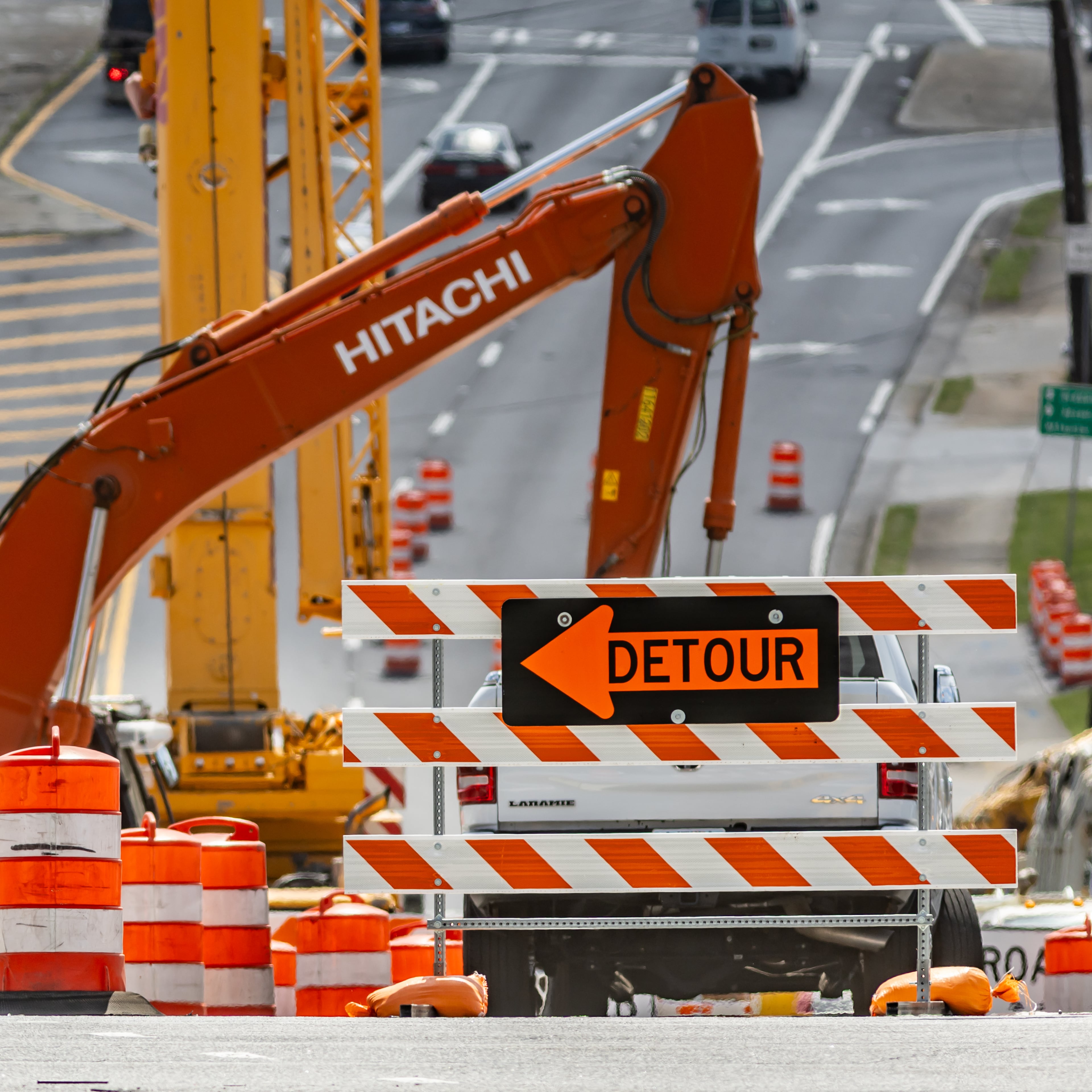
For those lucky enough to have commutes against the rush hour grain, even single-lane closures can cause minutes of extra backups. And bigger incidents can have ripple effects that impact traffic in multiple directions. Motorists should always check their commutes so they can make a decision to leave earlier or not.
And, as commuting patterns have changed — whether that be because of the COVID-19 pandemic and remote work or because of the growth in industry outside of Atlanta’s city center — traditional patterns are more scattered. Traffic has become worse in the off hours, too.
As Atlanta’s population grows, changes and spreads out, no route is “normal,” and drivers should be prepared for the chance for jams in the “nonrush hour” directions.
Doug Turnbull covers the traffic/transportation beat for WXIA-TV (11Alive) with Rachel Cox-Rosen. Their reports appear on the 11Alive Morning News from 6-9 a.m. and on 11Alive.com. Email Doug at dturnbull@11alive.com. Subscribe to the weekly “Gridlock Guy” newsletter for the column here.