Carney says Canada’s growing trade ties with China are not a top concern for Trump
SHENZHEN, China (AP) — Canadian Prime Minister Mark Carney on Wednesday said that Canada ’s growing trade relations with China are not a top priority for U.S. President Donald Trump, pointing out that Canada primarily exports commodities to China rather than sensitive technologies such as advanced semiconductors.
“In my conversation with the president, he’s tried to understand where we are with China, where we’re going with China,” said Carney during a news conference in Shenzhen, ahead of the Asia-Pacific Economic Cooperation leaders’ summit. “I shouldn’t speak for him, but in his hierarchy of issues, it’s not the top issue at all.”
Carney’s comments came amid criticism from White House trade adviser Peter Navarro over Canada’s willingness to pursue closer economic relations with Beijing, including potentially bringing Chinese automakers to Canada.
Canada and the U.S. have one of the world’s largest trading relationships, but Trump’s tariffs have strained ties and pushed Ottawa to seek other markets. After negotiations collapsed in August, Washington imposed 50% tariffs on about $20 billion in Canadian goods, prompting retaliation from Ottawa.
Carney said he plans to meet with Trump later Wednesday, after the U.S. president arrives in Shenzhen, where they are expected to discuss bilateral trade.
“We have been making progress,” Carney said on getting a deal with the U.S. But a deal, he added, “that is in the interest of Canadians.”
Carney has said in recent days that negotiations with the United States remain his priority, but their outcome could determine whether Canada pursues alternatives involving European, Chinese or Japanese automakers.
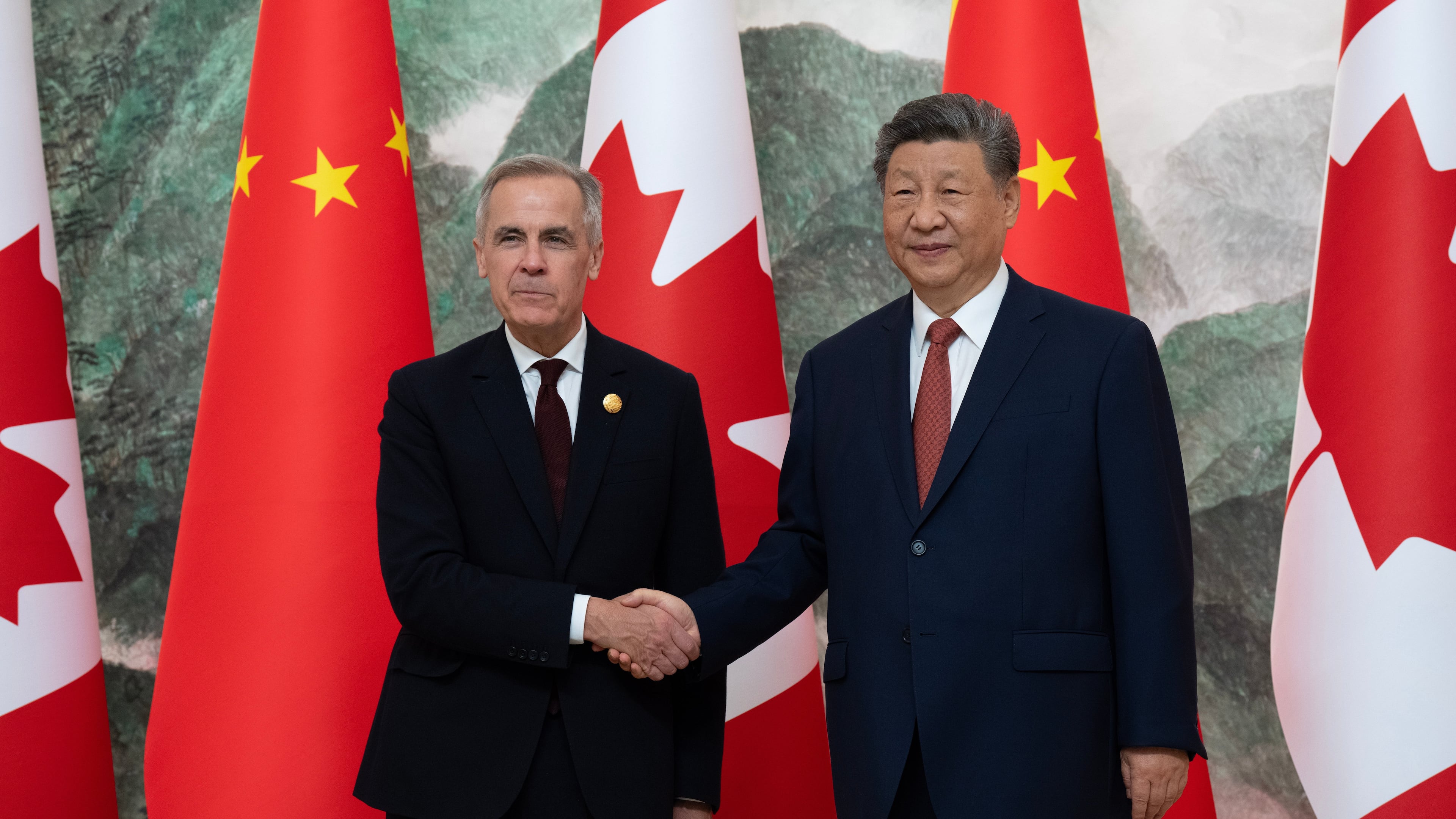
On Tuesday, ahead of the APEC summit, Carney met with Chinese President Xi Jinping and both agreed on additional tariff cuts.
Under the agreement, China will provide additional tariff relief on Canadian exports worth around 400 million Canadian dollars ($280 million), including frozen pork cuts, fish and seafood.
In return, Canada will extend tariff exemptions for certain Chinese steel and aluminum products by two years.
Carney said Canada’s trade relationship with China is fundamentally different from the much larger and more complex U.S.-China relationship.
“We are exporting canola, we are exporting pork. We are exporting halibut,” Carney said, also citing liquefied natural gas and oil. “These are important industries. These are not cutting-edge semiconductors.”
Navarro criticized Carney on Monday after the Canadian leader suggested Canada could turn to Chinese automakers if trade negotiations with Washington fail to preserve an integrated North American auto industry.
“Are u really threatening to play China off the U.S.? This is offensive in the extreme,” Navarro wrote on X. “You should be far more worried China is going to eat Canada alive.”
____
Associated Press writer Rob Gillies in Toronto contributed to this report.