Georgia man wins $5M at trial against Yamaha, Honda

A Georgia man who alleged his aggressive cancer was caused by his exposure to asbestos while working on Yamaha and Honda motorcycles that he raced for decades has won a $5 million verdict against those companies at trial.
Yamaha and Honda deny liability and are seeking a new trial or a judgment in their favor. They argued in recent court filings that, among other things, the DeKalb County jurors were allowed to consider some irrelevant and prejudicial evidence while other evidence that should have been presented was not.
Donald Gregory “Greg” Lassiter was diagnosed in 2019 with mesothelioma, an aggressive form of asbestos-linked cancer that he continues to undergo chemotherapy for, his attorney told The Atlanta Journal-Constitution. He filed his lawsuit in 2020.
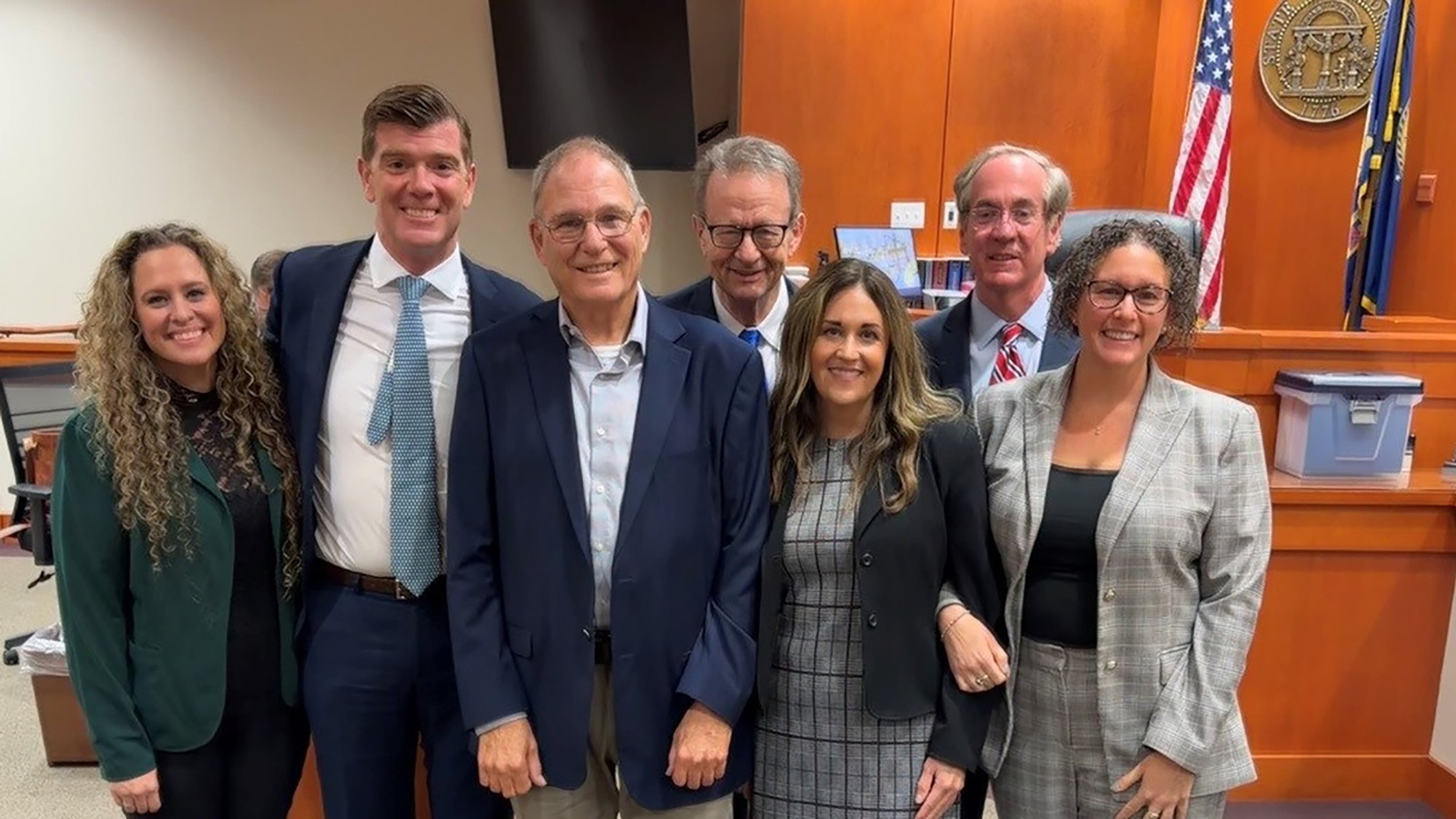

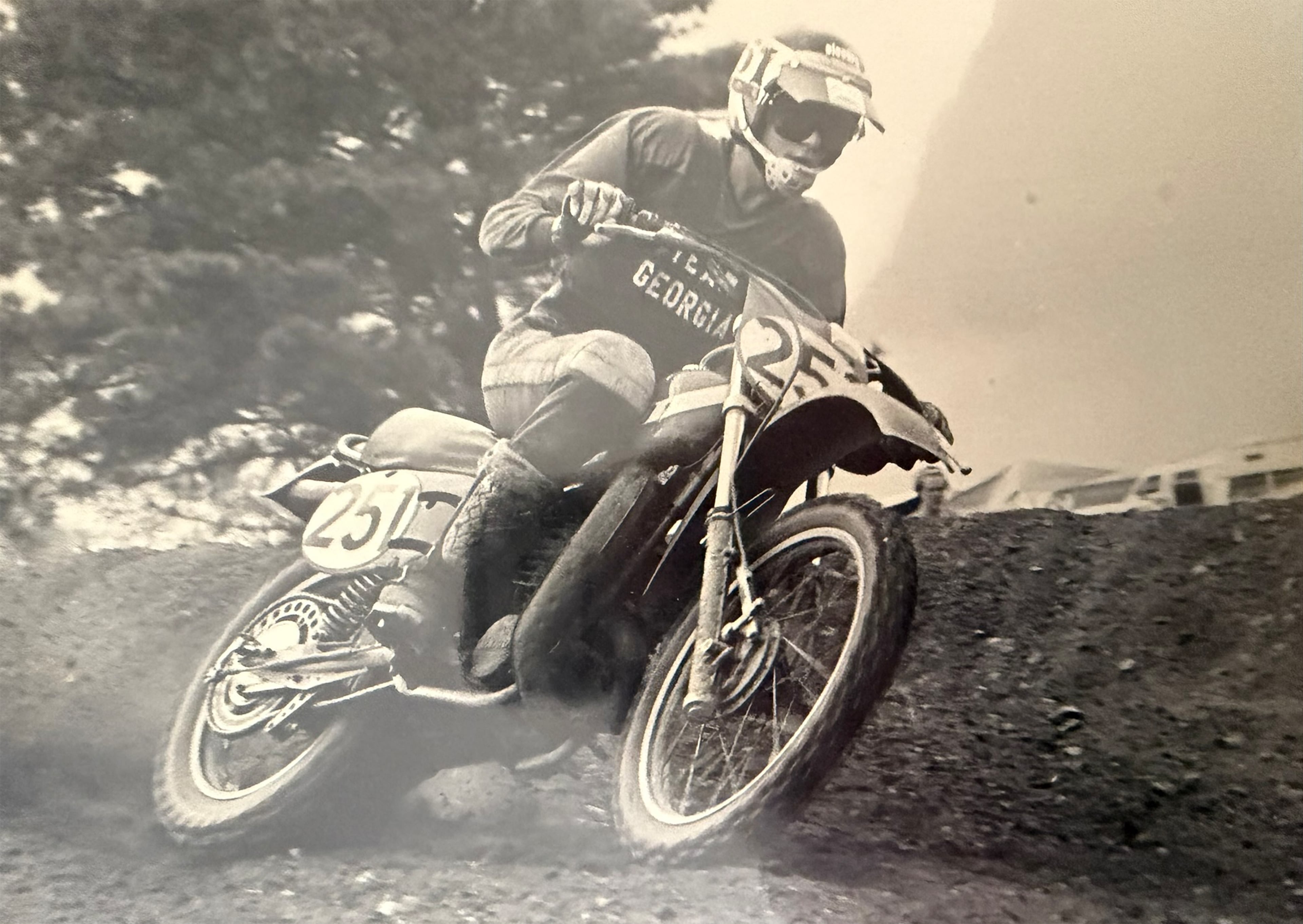
Lassiter, 58 when diagnosed, alleged the negligence of Yamaha and Honda turned his passion for motocross, starting in the 1970s when he was a Decatur High School student, into a toxic pursuit. He claimed he was unwittingly exposed to asbestos while performing weekly maintenance and repair work on his Yamaha and Honda motorcycles throughout his 25-year racing career.
A jury in DeKalb County State Court determined this month that Yamaha Motor Co. Ltd., Yamaha Motor Corporation U.S.A. and American Honda Motor Co. failed to warn Lassiter about the risk of exposure to asbestos from components of their motorcycles. The jurors found the Yamaha companies 65% at fault for Lassiter’s injuries and assigned the remaining blame to Honda, court filings show.
Those companies are now challenging the respective judgments against them, arguing the verdict contradicts the evidence presented during the three-week trial.
A representative for Yamaha did not comment Monday on the case.
In a statement, Honda told the AJC it respects the jury’s verdict but disagrees with the outcome. “We are evaluating all available options and, because this remains an ongoing legal matter, cannot comment further at this time,” the company said.
Daniel Blouin, one of the lead lawyers for Lassiter, said the jurors considered a host of scientific and other evidence and “gave both sides an equal and fair shot.” He told the AJC that Lassiter is grateful to the jurors and feels validated by the verdict.

The jurors awarded Lassiter $400,000 for lost earnings, $941,000 for medical expenses and $3,659,000 for pain and suffering. They declined to award additional damages designed to punish Yamaha and Honda.
“He’s gone through operation after operation,” Blouin said of Lassiter. “He’s lost many organs, tragically. And right before trial began, he saw his oncologist. And his cancer has come back, so he’s back in chemotherapy.”
Lassiter alleged he was exposed to asbestos at least four times a week when changing and maintaining the brakes on his motorcycles in the 1970s, 1980s and 1990s as a sponsored motocross racer. He claimed Yamaha and Honda failed to warn that their brake components contained asbestos, though the associated hazards had been known for decades.
Yamaha and Honda denied that their motorcycles contained asbestos and that Lassiter’s cancer was connected.
In a pretrial case summary, Yamaha said Lassiter had 13 of its bikes but couldn’t prove that any contained asbestos. It said Lassiter was likely exposed to asbestos in unrelated ways, including while repairing lawn mowers, and that he was not entitled to any damages.
Honda argued in part that Lassiter, who had five of its motorcycles, “cannot show that any alleged exposure attributed to Honda products exceeded, or was meaningfully distinguishable from, nonhazardous background levels of asbestos present in ambient air.”
On the verdict form, the jurors assigned zero fault to 27 nonparties listed as possible wrongdoers.
Blouin said Yamaha and Honda had tried to shift blame and unnecessarily complicate the case. He said it is among hundreds, if not thousands, of civil cases nationwide alleging asbestos exposure from brake components in automotive and other settings.
Blouin said he has tried similar cases in several different states, including California, Missouri, New York and New Orleans, where jurors awarded multimillion-dollar verdicts to the plaintiffs. He said asbestos is generally not used in brake systems anymore, though people can still be exposed through older products.
