Why minivans are gaining ground again
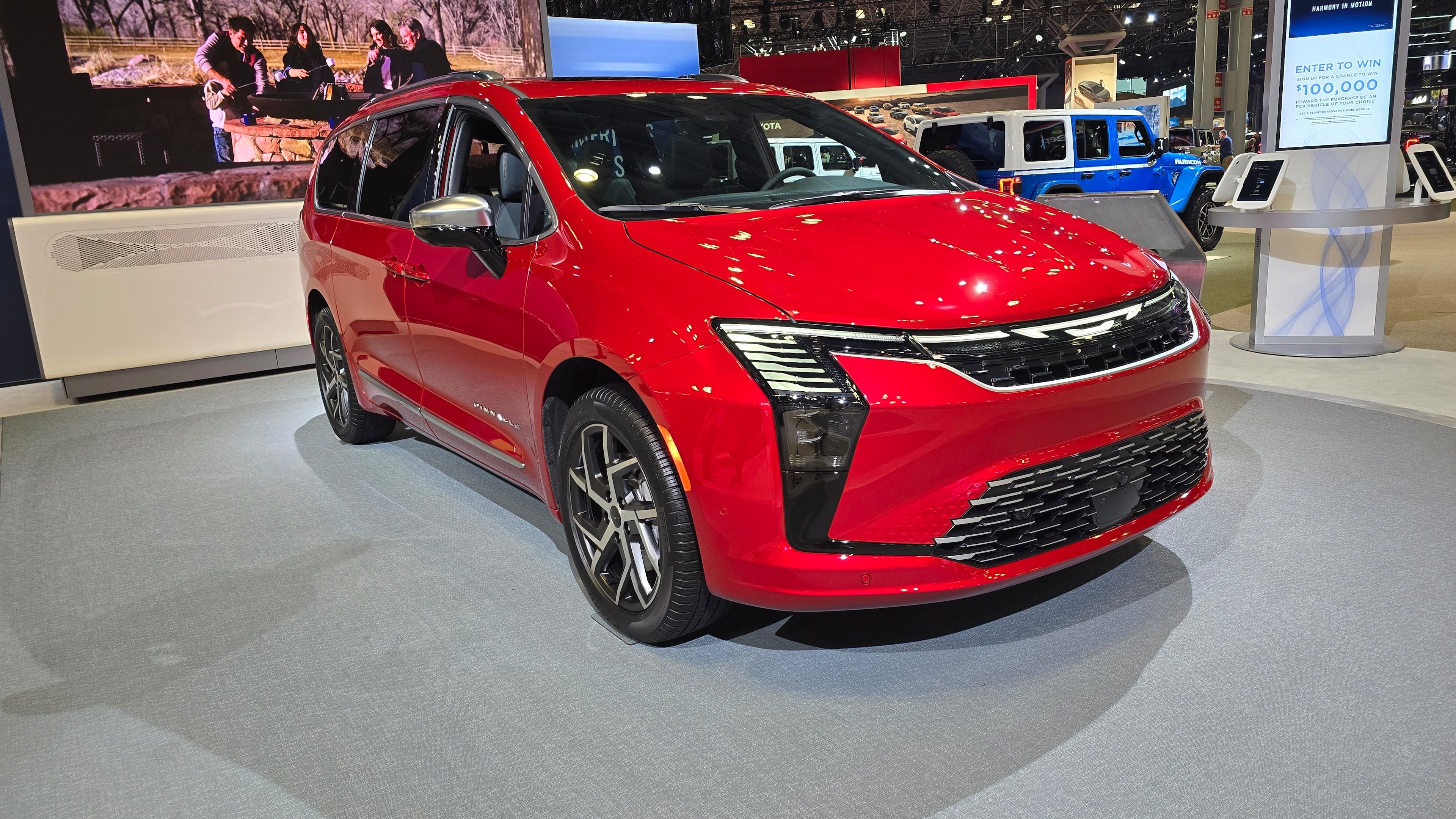
The minivan lost the popularity contest years ago. It just never lost the practicality contest.
For families navigating school drop-offs, carpools, sports practices and road trips, sliding doors still beat long SUV doors in a crowded parking lot. A low floor makes climbing inside easier. And few vehicles can switch from carrying a family to hauling furniture quite so easily.

Apparently, more car buyers are noticing.
U.S. minivan sales totaled 277,785 through August, up 8.4% from the same period last year, according to Cox Automotive data. Minivans accounted for 2.6% of the new vehicle market, up from 2.3% a year earlier.
That gain is particularly notable because the overall new vehicle market declined about 2.8% during the same period.
Bucking the market
Don’t call it a comeback just yet.
Minivans remain a small slice of the U.S. vehicle market. In Cox Automotive data going back to 2012, sales peaked at 556,548 in 2014. Their highest market share came in 2012, at 3.8%.
Still, few major vehicle segments are showing that kind of growth this year.
The broader market has also been shifting toward midsize and more affordable vehicles as high prices and fuel costs remain concerns. For families who need three rows but not the size, weight or fuel consumption of a full-size SUV, a minivan occupies an appealing middle ground.
“The resurgence in minivan sales reflects a broader shift toward practicality in the marketplace,” said Charlie Chesbrough, senior economist at Cox Automotive. “As affordability remains a challenge for many households, consumers are increasingly focused on getting the most utility and value for their money.”
The SUV won the image battle
For decades, buyers migrated from minivans into SUVs and crossovers. SUVs offered a more adventurous image, available all-wheel drive, greater towing capability in many cases and seemingly endless choices.
Meanwhile, the minivan became shorthand for surrendering to suburban family life.

But the family transportation problem never changed.
Parents still need room for kids, grandparents, backpacks, groceries, sports equipment and luggage. They still have to buckle children into car seats and squeeze through crowded parking lots.
For those jobs, the minivan may simply have the better floor plan.
Take sliding doors. They aren’t exciting, but live with them for a while and their value becomes obvious. A child can fling one open in a packed parking lot without banging it on the car beside you.
Wide openings also make it easier to install car seats, help small children get in or reach passengers in back.
Built around family life
Today’s minivans also have some unusually clever answers to everyday problems.
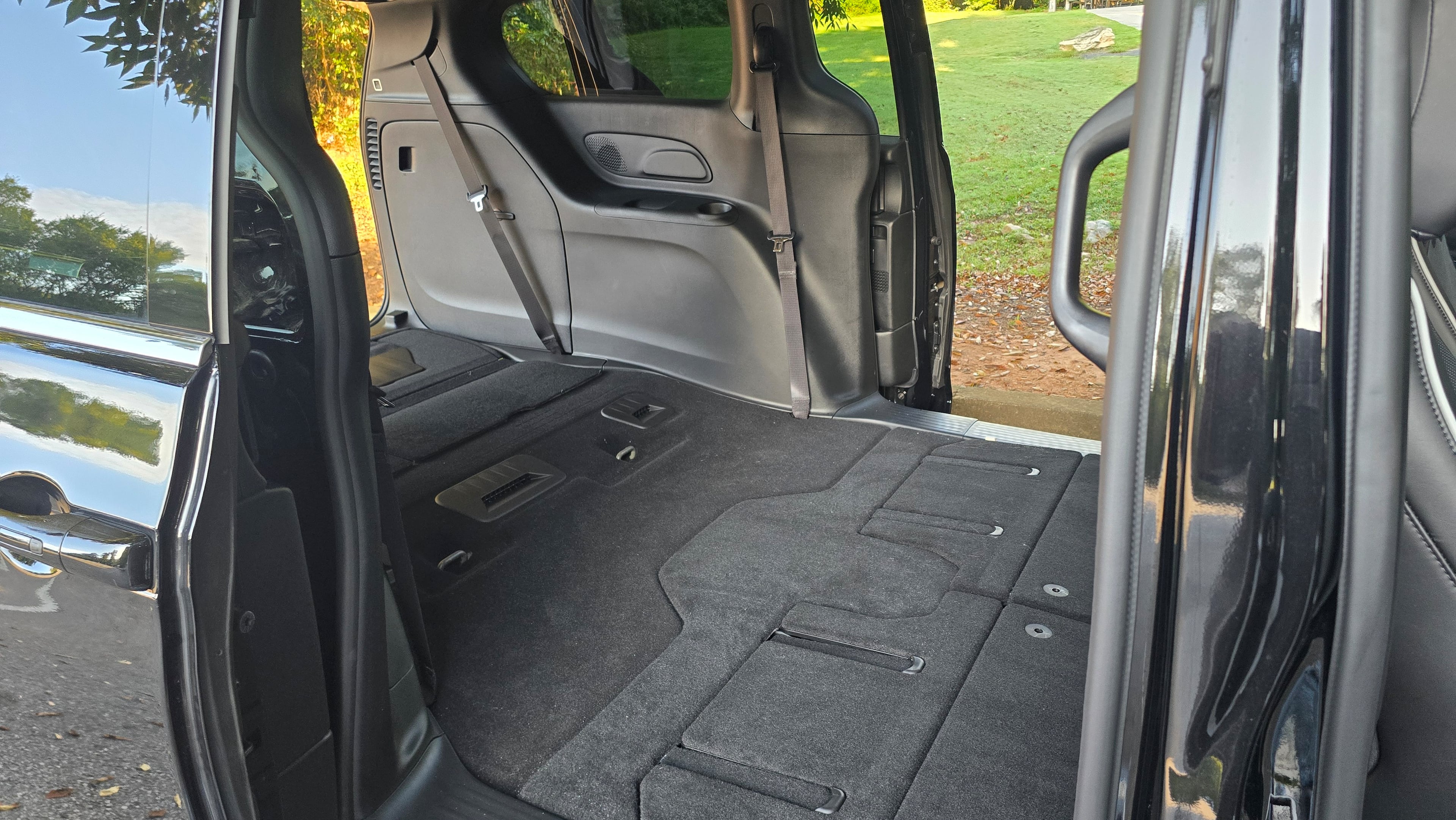
The Chrysler Pacifica’s available Stow ‘n’ Go system lets its second- and third-row seats fold into the floor, creating as much as 140.5 cubic feet of cargo space. I’ve used that flexibility for family road trips and hauling 4-by-8-foot sheets of plywood and drywall that would normally require a pickup or cargo van.
Honda’s Odyssey offers Magic Slide second-row seats that move sideways, making it easier to reach the third row or bring a child closer to the front. Available CabinWatch lets parents see rear passengers on the dashboard screen, while CabinTalk pipes the driver’s voice through rear speakers or connected headphones.
Toyota addresses another traditional drawback of large family vehicles: fuel consumption. Every 2026 Sienna uses a hybrid powertrain, with Toyota estimating up to 36 mpg combined with front-wheel drive and 35 mpg with all-wheel drive. Even a conventional gasoline minivan can be reasonably efficient: I averaged about 26 mpg in a Chrysler Pacifica during a recent 1,700-mile family road trip from Vermont to Georgia.
The Kia Carnival leans into SUV-inspired styling while retaining sliding doors and a large interior. It offers up to 40.2 cubic feet of cargo space behind the third row, according to Kia.
Today’s minivans aren’t all solving the family car problem the same way.
I’ve been asked what my dream car would be if money were no object. But the more interesting question is what I’d choose if I could own only one vehicle for the rest of my driving life. After years of family trips, carpools, errands and hauling just about everything imaginable, I’d keep the minivan. Its practicality and versatility are hard to beat.
Trade-offs remain
That doesn’t mean everybody should buy one.
Minivans aren’t inexpensive, and shoppers have only a handful of choices, compared with the sprawling SUV market. Drivers who regularly tow heavy trailers, venture far off pavement or need substantial ground clearance may be better served by an SUV or truck.
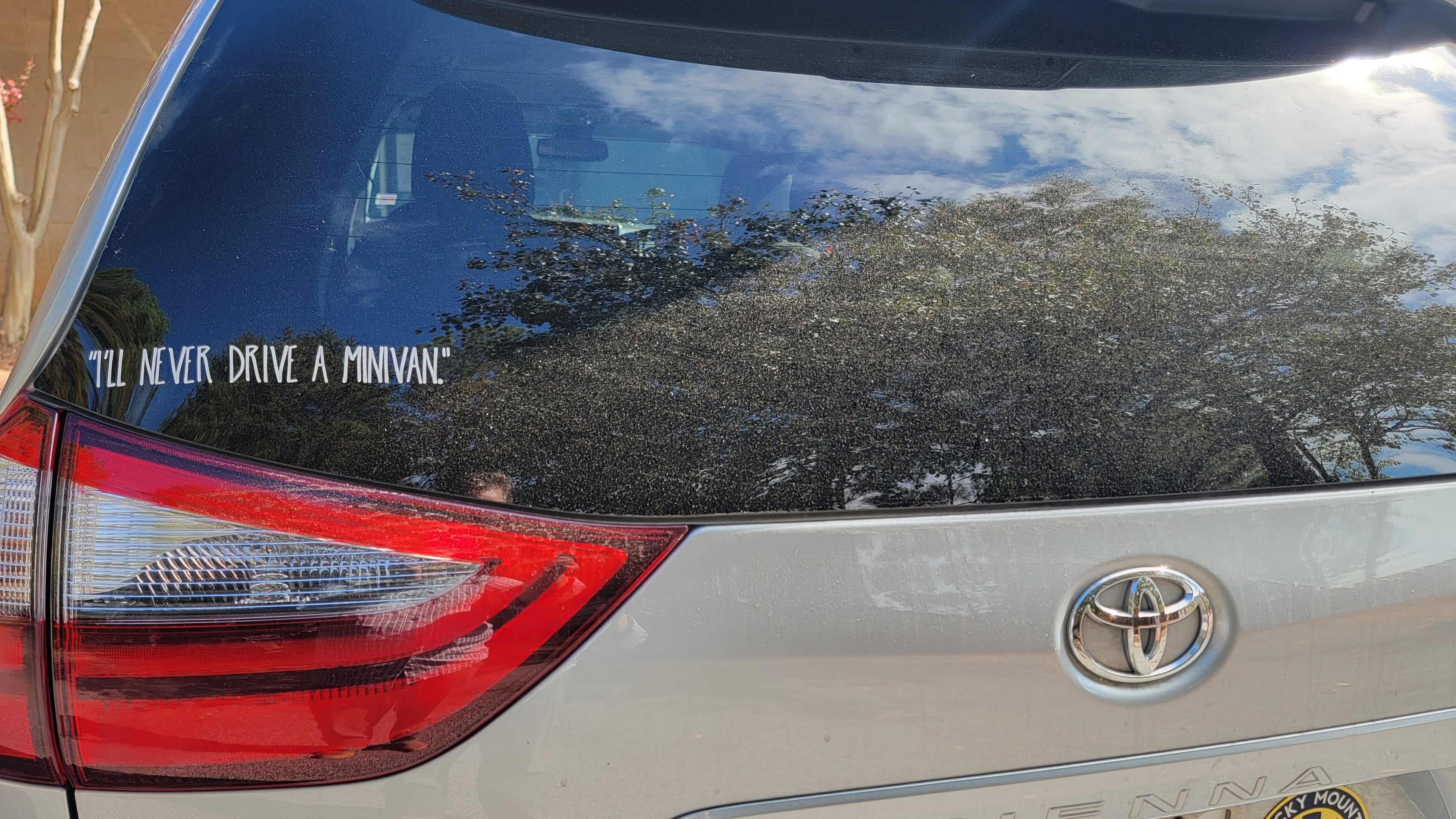
And styling matters. Some shoppers simply don’t want to drive a minivan, no matter how much practical sense it makes.
But when vehicle prices remain high, versatility has financial value. A vehicle that handles the school run Monday, a home improvement store trip Saturday and seven passengers on vacation can eliminate some compromises families otherwise make.
So minivans aren’t the right vehicle for everyone.
But rising sales suggest they may be right for more people than the market had been giving them credit for.
An 8% increase isn’t going to turn America back into the minivan nation it once was. The segment still accounts for only about one of every 40 new vehicles sold.
Perhaps buyers aren’t rediscovering minivans so much as rediscovering practicality.
The minivan never became cool. It just kept getting better at its job.
Chris Hardesty is a veteran news researcher and editor who provides advice on buying, owning and selling cars for Kelley Blue Book and Autotrader.
The Steering Column is a weekly consumer auto column from Cox Automotive. Cox Automotive and The Atlanta Journal-Constitution are owned by parent company, Atlanta-based Cox Enterprises.