Atlanta family’s landmark case against FBI revived by federal judges
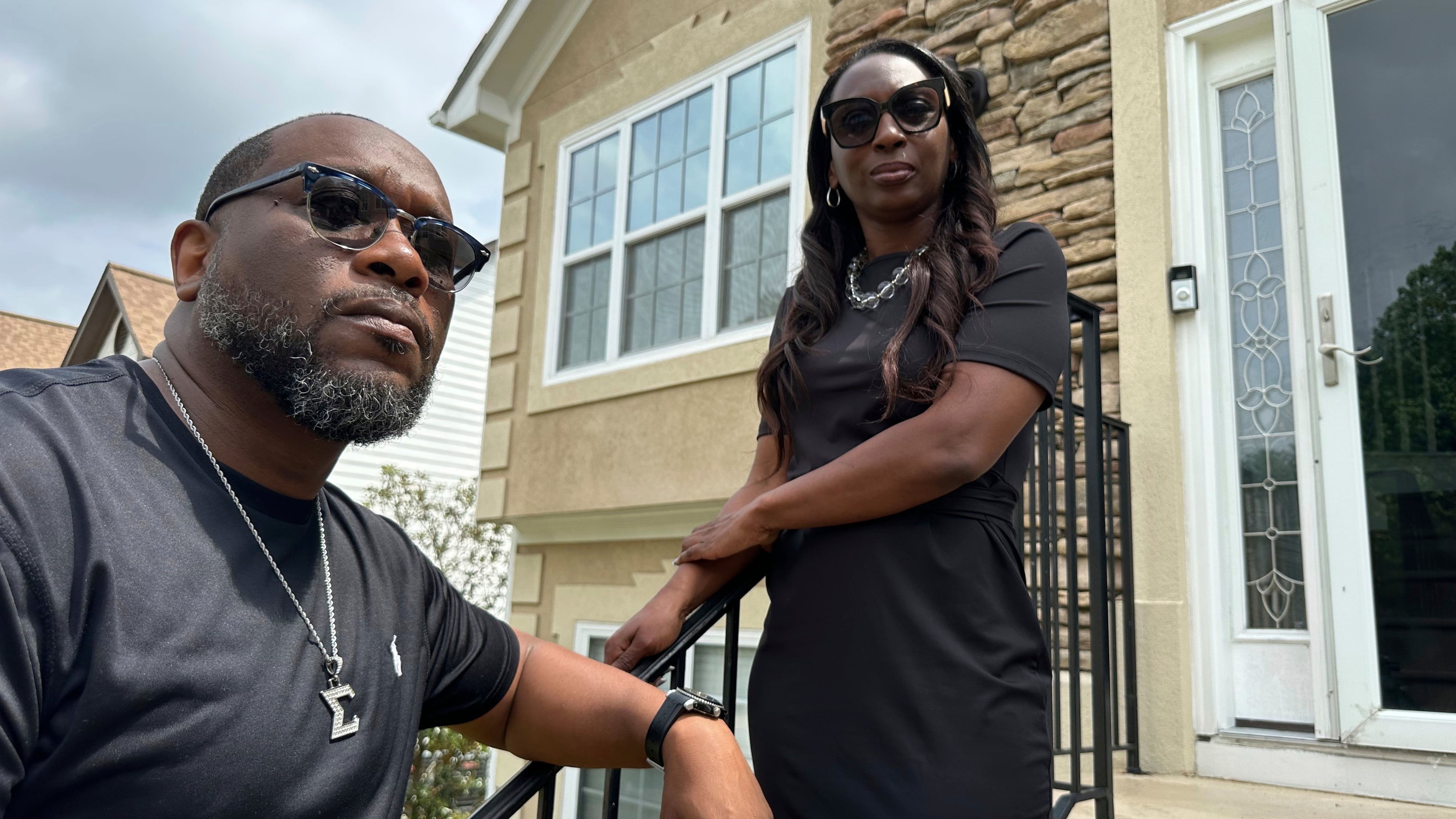

An Atlanta family’s landmark lawsuit over a mistaken predawn raid on their home can proceed against the FBI agent who led an armed SWAT team into the wrong residence looking for a gang member living on another street, federal judges have ruled.
The decision Wednesday by three judges of the 11th U.S. Circuit Court of Appeals ended the family’s claims against the federal government itself. Judges Adalberto Jordan, Jill Pryor and Embry Kidd said those claims are barred by legal precedent that is “a mess” the court should consider fixing.
But the FBI agent who ordered the SWAT team to bust down the wrong front door around 5 a.m., set off a flashbang grenade in the home entryway and point guns at the startled residents can be held liable, the judges decided.
They overturned a 2022 ruling by a federal judge in Atlanta who found the lead agent, Lawrence Guerra, had immunity because he was acting in the course of his work duties. In that situation, a law enforcement officer is generally shielded from liability unless a plaintiff can show that the officer violated a clearly established constitutional right.
“Our fight for justice is far from over, but this decision is another solid step forward,” Trina Martin, one of the plaintiffs, said in a news release Thursday. “The raid on our home was a life-threatening mistake, it never should have happened, and the government needs to be held accountable.”
A spokesperson for the U.S. Department of Justice office in Atlanta, which is handling the case for the federal government, declined to comment Thursday on the ruling.
It comes after the previously dismissed case, filed in 2019, was considered by the U.S. Supreme Court, which decided last year to keep it alive.
The landmark case has wide implications for any allegations of wrongful actions by federal employees, and law enforcement officers in particular. Its progress is influencing similar cases pending in Georgia against authorities accused of raiding the wrong home.
Patrick Jaicomo, a senior attorney at the Institute for Justice who represents the family, said Wednesday’s ruling “exemplifies how difficult it can be to receive a remedy from the federal government or its agents, even when their victims are completely blameless.”
“But we are optimistic that the panel’s decision could clear the way to broader relief — both for the Martin family and others like them,” he said in the news release.
Court records show that on Oct. 18, 2017, Guerra led a six-agent SWAT team to the southwest Atlanta home of Martin, her then-partner, Toi Cliatt, and her son, Gabe Watson, who was 7 at the time.
Martin previously said Watson was traumatized by the incident and briefly had to be homeschooled. She said she had to give up coaching track because she was deeply affected every time the runners’ gun would go off at the start of a race.
Guerra had search and arrest warrants for Joseph Riley, a violent gang member who lived several houses away on a different street, the 11th Circuit judges said Wednesday.
They said Guerra claimed he got the houses mixed up because he relied on a GPS device that he then threw away, noting he hasn’t provided an explanation for tossing it. The judges said there were three houses and an intervening cross street between the plaintiffs’ home and Riley’s residence, which had different features.
“Viewing the evidence in the light most favorable to the plaintiffs, a reasonable jury could fairly conclude that Agent Guerra failed to engage in reasonable efforts to avoid error, and, therefore, violated the plaintiffs’ constitutional rights,” the judges wrote.
Lawyers for the plaintiffs said they will now ask the 11th Circuit’s 12 active judges to reconsider, as a full court, if their claims against the United States can proceed under the Federal Tort Claims Act.
Jordan, Pryor and Kidd said Wednesday the court’s binding precedent on such claims is a mess that precludes most FTCA suits based on wrong-house raids, in an apparent conflict with what Congress intended. They said other federal appeals courts have also struggled to apply the relevant FTCA exception that can shield the government from liability for its discretionary functions.
“We are not alone in the doctrinal bog,” Jordan wrote in an opinion joined by Pryor and Kidd.
He added the case is “an exceptionally important vehicle to reexamine our discretionary-function exception jurisprudence.”