Kennedy tells anti-vaccine activists they have a friend in Trump's White House
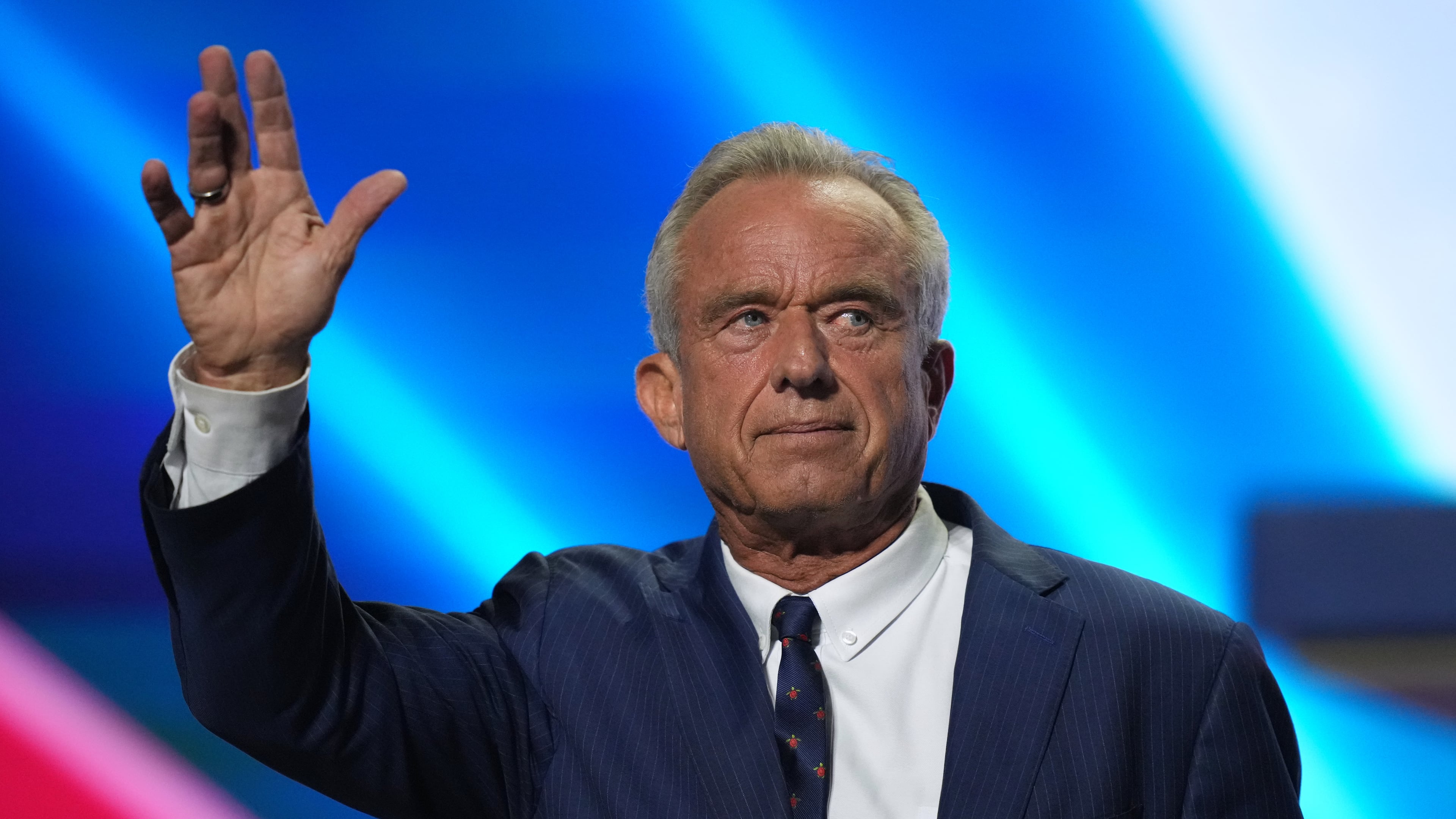
WASHINGTON (AP) — Health and Human Services Secretary Robert F. Kennedy Jr. gave the keynote address Thursday at a conference of an anti-vaccine activist group he once chaired, telling the hundreds in attendance that they had a friend in President Donald Trump's White House.
It was Kennedy's first time appearing at the Children's Health Defense conference since he became secretary. Kennedy took leave from the group when he launched his bid to become president in 2023, but his speech Thursday served as a sort of homecoming, offering him a platform from which to hail the administration's steps to scale back vaccine guidance and reassure the activists in attendance that he was working to turn their priorities into policy.
“Let me be clear: You have a strong and steadfast friend in the White House. We've accomplished in 19 months things that would have seemed unthinkable two years ago,” he said.
The speech, peppered with questions about long established vaccine safety, also highlighted how once fringe views on vaccines have been given a prominent pulpit under the Trump administration.
Kennedy boasted about the administration's moves to downsize the childhood vaccination schedule and reshape a key vaccine advisory board — steps that have since been halted by a judge.
Kennedy lauded Trump for pushing ahead with attempts to overhaul vaccine guidance, including an executive order last month calling for spacing out the measles, mumps and rubella vaccine, against medical groups' recommendations.
That executive order and now Kennedy's keynote speech at the Children's Health Defense conference mark a pivot by the White House and the Department of Health and Human Services, who earlier this year had appeared to be moving beyond vaccine efforts and toward a less contentious agenda on healthy food ahead of November’s midterm elections. HHS promoted the speech on its social media channels.
Kennedy, a longtime anti-vaccine activist, chaired Children’s Health Defense for years. He served as the group’s chief legal counsel and expanded it. After becoming health secretary last year, Kennedy moved at a blistering pace to overhaul public health guidance and revamp long-held precedents in vaccine policymaking.
Critics, among them many of the country's top medical associations, have said the moves risk stoking vaccine hesitancy and sowing confusion among Americans who endured a crisis of trust in their public health agencies following the COVID-19 pandemic. That public confidence continues to erode.
“We have not taken vaccines away from anybody. We have preserved access. But we have started asking the questions that you and millions of American parents have been asking for years,” Kennedy told the group.
Mary Holland, the CEO of Children’s Health Defense, referred to Kennedy as “Bobby” and said the group has “gratitude beyond words” to the HHS secretary for “recognizing there are real consequential issues around childhood vaccinations.”
Kennedy's appearance Thursday comes as the country faces its worst year for measles since 1991 and has seen seven reported measles-associated deaths in the last two years — more than the combined total of reported deaths over the previous three decades.
Pennsylvania officials have reported four measles-associated deaths this year. None of the four were vaccinated, according to the state health department. When state officials last month announced the first two of those deaths, it ignited a public feud between Gov. Josh Shapiro and Kennedy.
Shapiro blasted Kennedy's appearance on the social media site X Thursday, saying Kennedy “chose to spend his time today addressing the premier vaccine-denial conference in America.”
Shapiro said the HHS secretary should have encouraged people to get vaccinated for measles, "yet he couldn’t bring himself to do it. Instead, he pushed a narrative that continues to stoke fear and mistrust.”
A representative from the White House did not respond to an Associated Press request for comment on Kennedy’s appearance at the event.
Following Kennedy onstage Thursday was Andrew Wakefield, an author of a since-discredited study that linked the MMR vaccine to autism, which has fueled the anti-vaccine movement even though it was retracted.
Widespread scientific consensus and decades of studies have firmly concluded there is no link between vaccines and autism.
Shaughnessy Naughton, founder of 314 Action, a group that recruits scientists to run for public office, said Kennedy's decision to give a speech at the conference shows “the lack of seriousness he brings to HHS.”
"With a deadly measles outbreak killing people in Pennsylvania, the best thing Kennedy can do for Americans is step aside.”
___
Stobbe contributed from New York.