Where are the hurricanes? Storm-weary Georgia seeing abnormally quiet year.
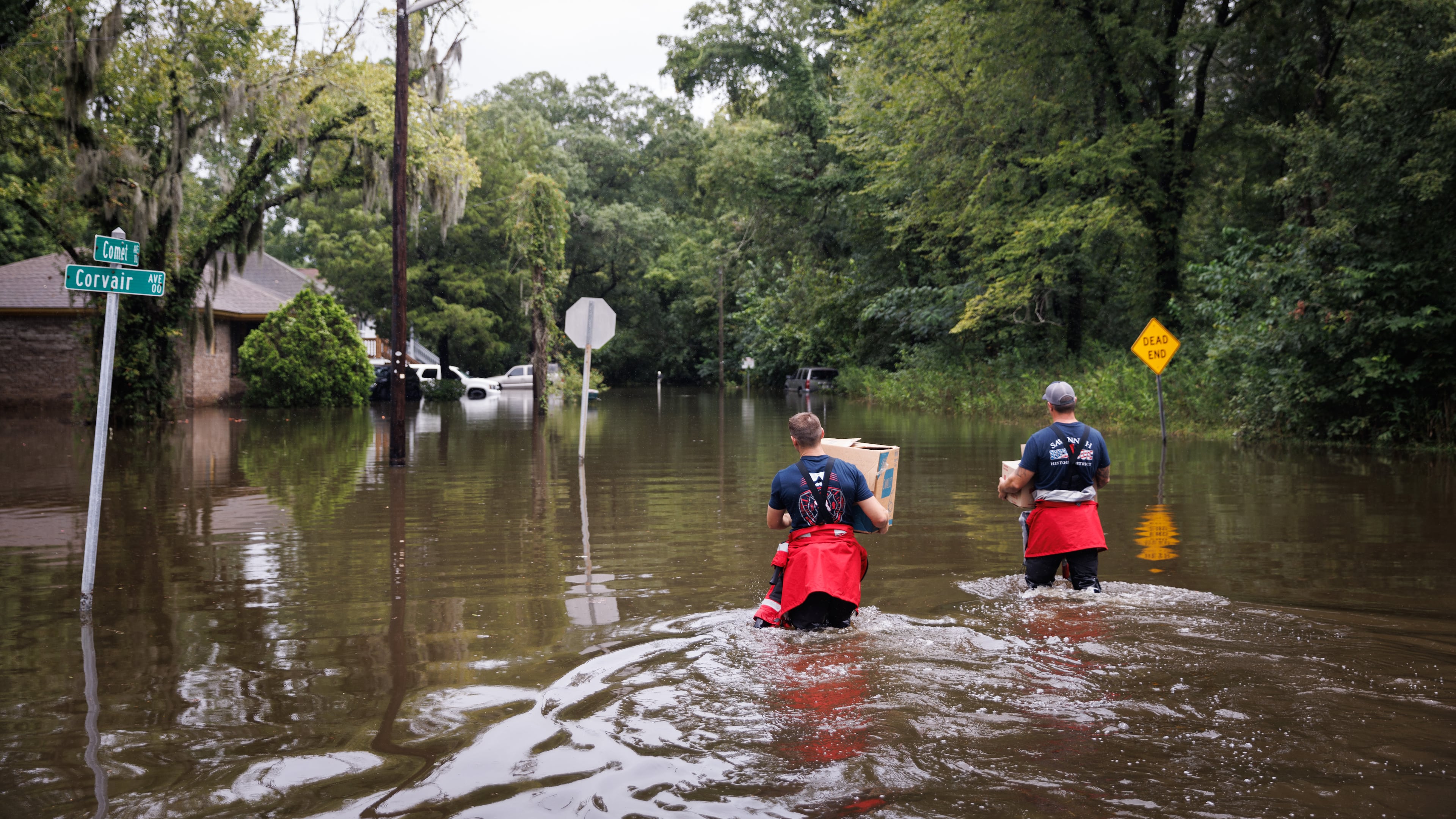
All along the Georgia coast, folks don’t want to talk about the “h word.” Mention it, and they slap their hands over their ears. Or look at you slack-jawed and say you just “jinxed” it.
Georgia and the entire East and Gulf coasts have yet to face a hurricane threat this year as a powerful El Nino weather pattern produces wind shears that smother tropical activity in the Atlantic Ocean. A stretch known as hurricane alley, which lies between the North African and U.S. coasts, has been quiet through what is typically the busiest period for storms that strike the Caribbean islands and U.S. shorelines.
Meteorologists and hurricane experts expect these conditions to persist through the rest of the season that ends Nov. 30 even as nor’easters batter New England and the Northeast and Pacific hurricanes threaten Hawaii.
Georgia is fast approaching the end of what is historically its tropical storm peak — two of the most disruptive hurricanes to strike in recent times, 2016’s Hurricane Matthew and 2018’s Hurricane Michael, made landfall between Oct. 8 and Oct. 10.
“This El Nino is doing its thing on overtime as one of the strongest on record,” said Pat Prokop, a retired meteorologist who spent 35 years forecasting weather on Savannah’s CBS television affiliate, WTOC. “But … it only takes one window in that wind shear for one to slip through.”

Hurricane risk is a part of life on the Georgia coast and, in recent years, throughout the state. Powerful Gulf hurricanes have caused billions of dollars in damages inland ranging from southwest Georgia farms to Augusta-area neighborhoods. In addition to Michael, 2024’s Hurricane Helene killed 37 Georgians and cost state farmers more than $5.5 billion in losses.
But the state hasn’t experienced tropical storms since a particularly active 2024 storm season, when Hurricane Debby caused widespread inland flooding near Savannah that August, Helene devastated a 500-mile swatch stretching from the Florida coast to the North Carolina mountains in September, and Hurricane Milton threatened Georgia’s southern coast in October.
Several hurricanes developed in the Atlantic in 2025 but never threatened landfall. And this year, no would-be storms have yet broken through.

The El Nino weather pattern is caused by abnormally warm water collecting in the Pacific Ocean off the South American coast. According to data from the National Oceanic and Atmospheric Administration, this year’s water temperatures rank among record highs.
As the warm water evaporates and rises into the atmosphere, it produces winds that move east and feed into the jet stream, resulting in strong, steady winds that blow across the Gulf, Caribbean Sea and Atlantic Ocean from the west.
Savannah-based hazard researcher Chuck Watson, who writes a widely read weather blog and is known affectionately as the coast’s “storm whisperer,” said several factors beyond El Nino are at play in the Atlantic this year. He cites dry air over the ocean and prolonged periods of high humidity along the coast.
But like Prokop, he subscribed to the “it only takes one” mindset. He notes that 1992 was an unusually quiet storm season — except for Hurricane Andrew, a Category 5 storm that struck that August and leveled parts of South Florida.
“It only takes one, and if that one hits you, then it’s a bad year,” he said. “From a preparedness standpoint, it’s best to do the same thing every year no matter what the forecast looks like.”

Coastal elected officials are stressing preparedness with residents, especially given the growing number of media reports about the quiet season over the last several weeks. Savannah Mayor Van Johnson urged his constituents to remain vigilant throughout hurricane season in a recent news conference. He’s experienced several citywide evacuations forced by approaching storms in his nearly 25 years in elected office.
“Extreme weather is a reality,” he said. “Let’s be prepared and be ready for what we have to do.”
Storm activity elsewhere in recent weeks supports the calls for caution. Hawaii experienced its third hurricane in a little more than a month last weekend as Nolo dumped 20 inches of rain and its winds drove surf that battered the coastline. Storms have damaged more than 500 homes this year.
Hawaii’s plight is a meteorological fascination: Over the last seven decades, only six hurricanes had threatened the state before this year.
On the other side of the country this past weekend, a nor’easter flooded the streets of coastal towns along the Jersey Shore and knocked out power to more than 100,000 customers.