Cumberland Island is a primitive place. A development debate rages on.
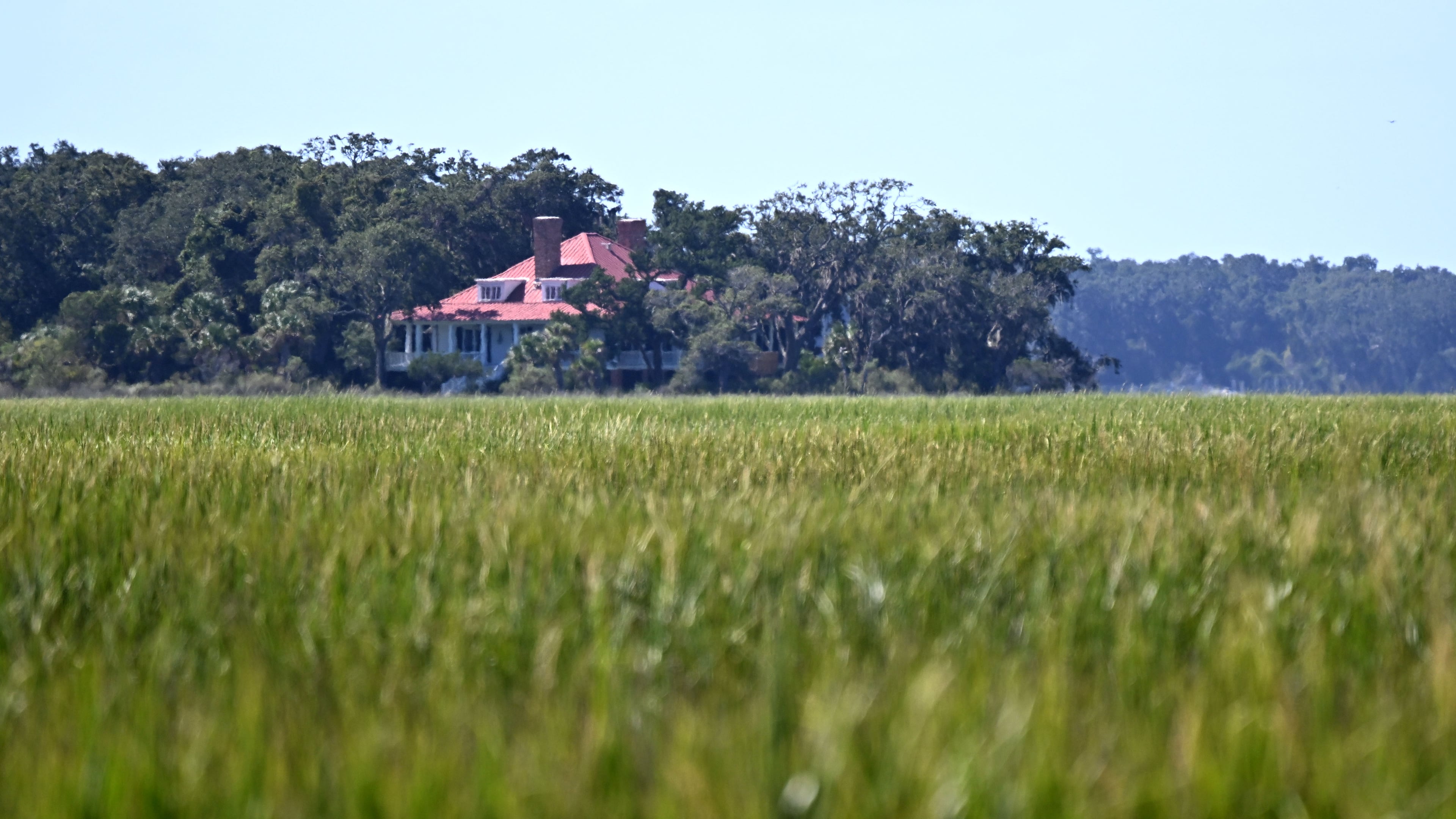
CUMBERLAND ISLAND ― As homesites go, the acreage along Old House Creek is a stunner. Towering pines and stately live oaks make up the surrounding maritime forest. Water glitters in a golden marsh stretching from the shore, promising breathtaking sunsets. And while remote, the property connects to a nearby road — and underground utility lines — via a wide, well-worn dirt track.
It’s the type of private, serene island real estate begging for a vacation home. Or in this case, a six-home compound.
The development potential has put the out-of-the-way 12-acre property at the center of a debate about this federally managed and protected island’s future. Once a private retreat for Gilded Age tycoons who built grand mansions, Cumberland Island today is a designated national seashore revered for its primitiveness and managed by the National Park Service.
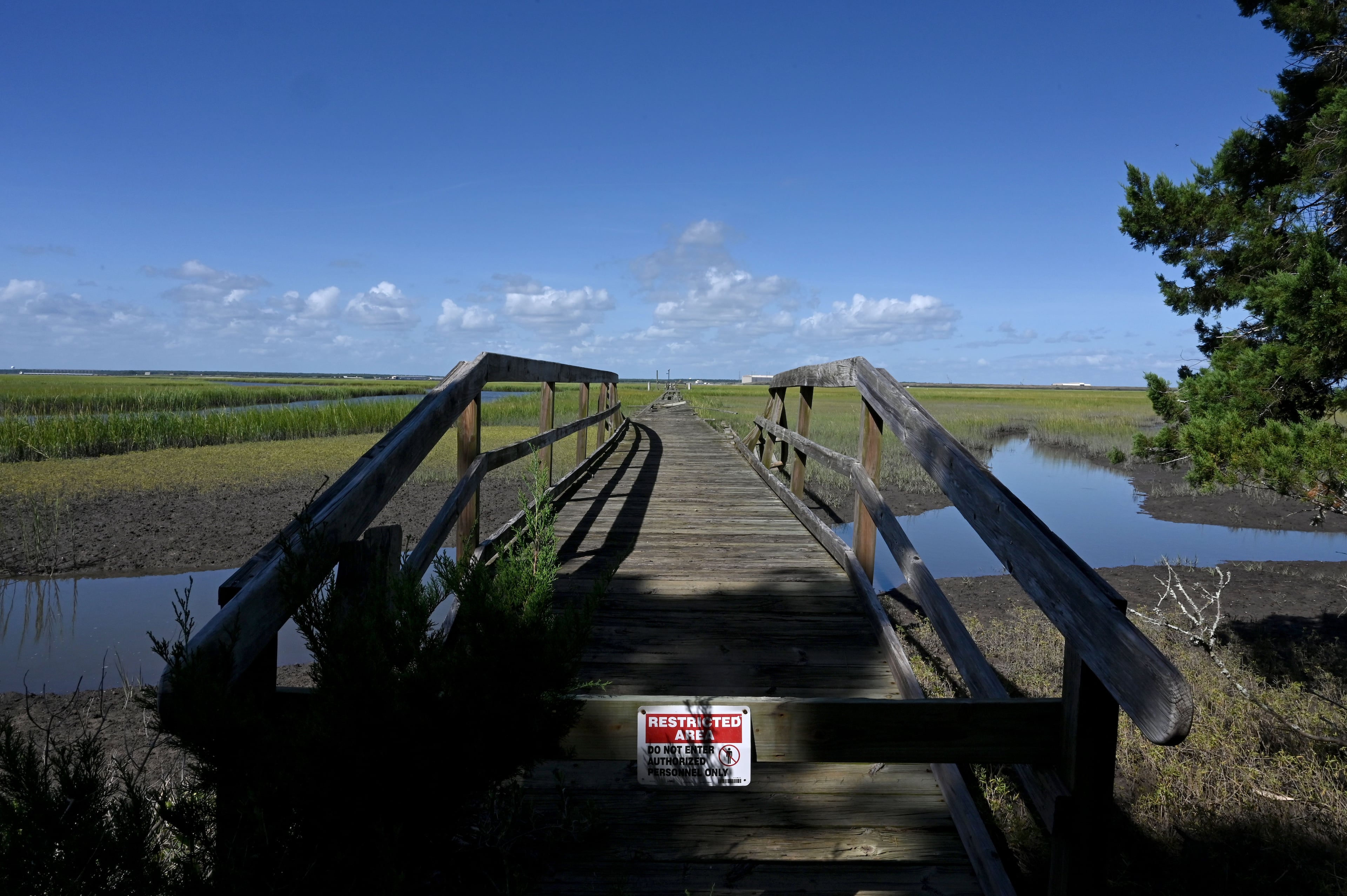
A proposed land swap involving the Old House Creek acreage would open the door to construction of six new dwellings on the site. A neighboring parcel, part of a second land swap on the barrier island, includes space for two more homes. Both properties are owned by the federal government and would be exchanged for land owned by two families descended from steel magnate Thomas Carnegie.
The deals are nearing their closing dates. The National Park Service earlier this month issued an environmental assessment on the exchanges, one of the last steps in the process. The agency is accepting public comments on the swaps through Oct. 16.
Another proposed land swap, involving property owned by the heirs to the Candler family, founders of Coca-Cola, is ongoing.
Hundreds attended an informational town hall hosted by the National Park Service on Wednesday in St. Marys, the small Georgia coastal town that connects visitors to Cumberland via ferry. Many commenters expressed concerns over the swaps and the potential for an island building boom.
Cumberland is home to just 61 residences; only seven have been built this century and one since 2008. Georgia’s largest barrier island, it is nearly 18 miles long and covers more than 35,000 acres.
Katherine Saylor with the nonprofit group Defenders of Wildlife called Cumberland a “magical, special place” because of the limited development.
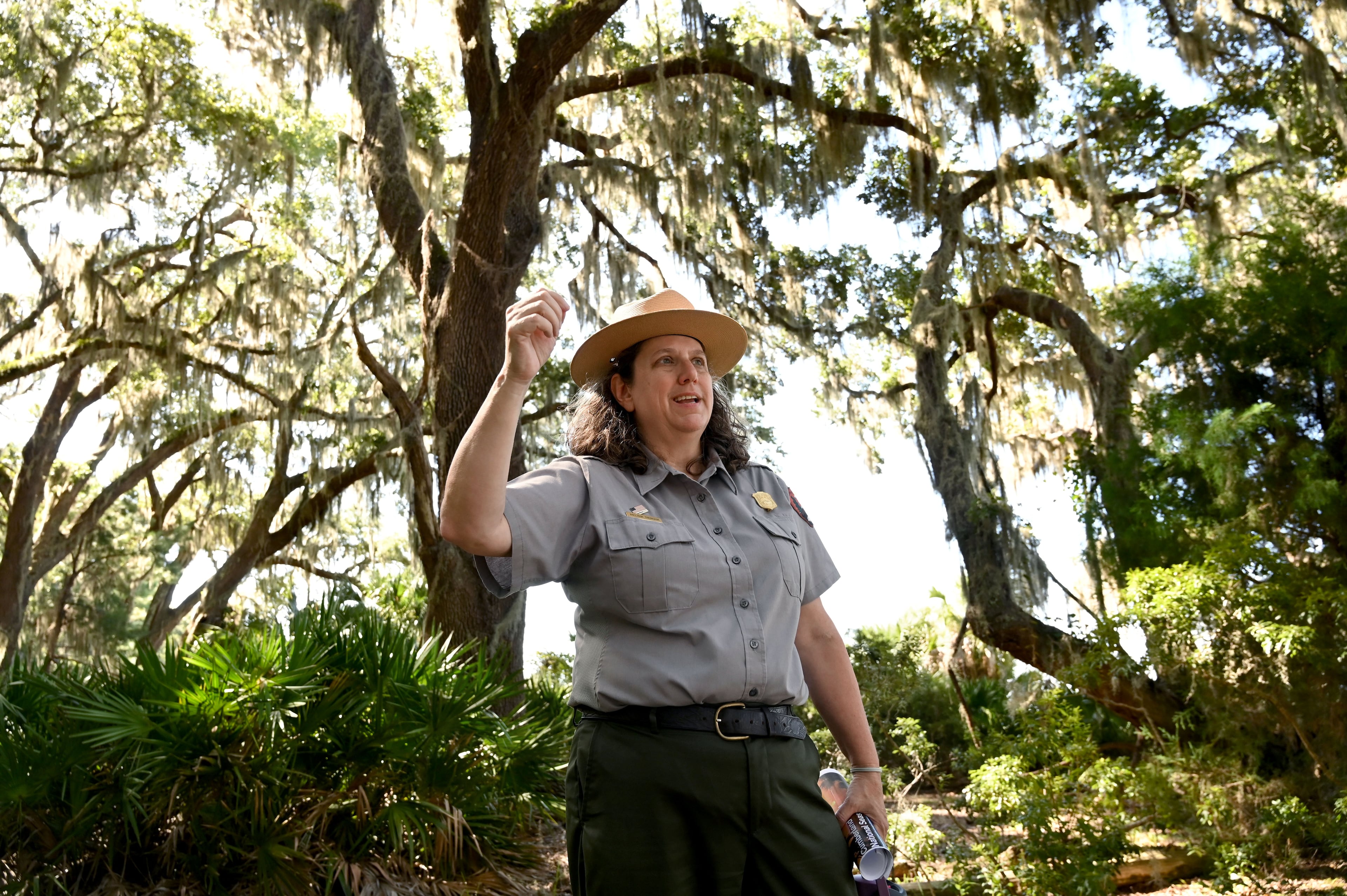
The National Park Service’s Melissa Trenchik, Cumberland’s superintendent, defends the swaps as actions meant to curb development.
The agency is exchanging public lands for privately owned parcels crossed by hiking trails or contiguous to wilderness areas and the beach. The Carnegie heirs have development rights on those properties.
According to Trenchik, the families have shown seashore officials site plans for homes on those parcels — development that could force rerouting or closure of hiking trails or alter the primitive feel along a stretch of the beach frequented by visitors.
“They already have the opportunity to develop their land,” Trenchik said. “This pushes them into parts of the island where development would have less impact on visitors.”
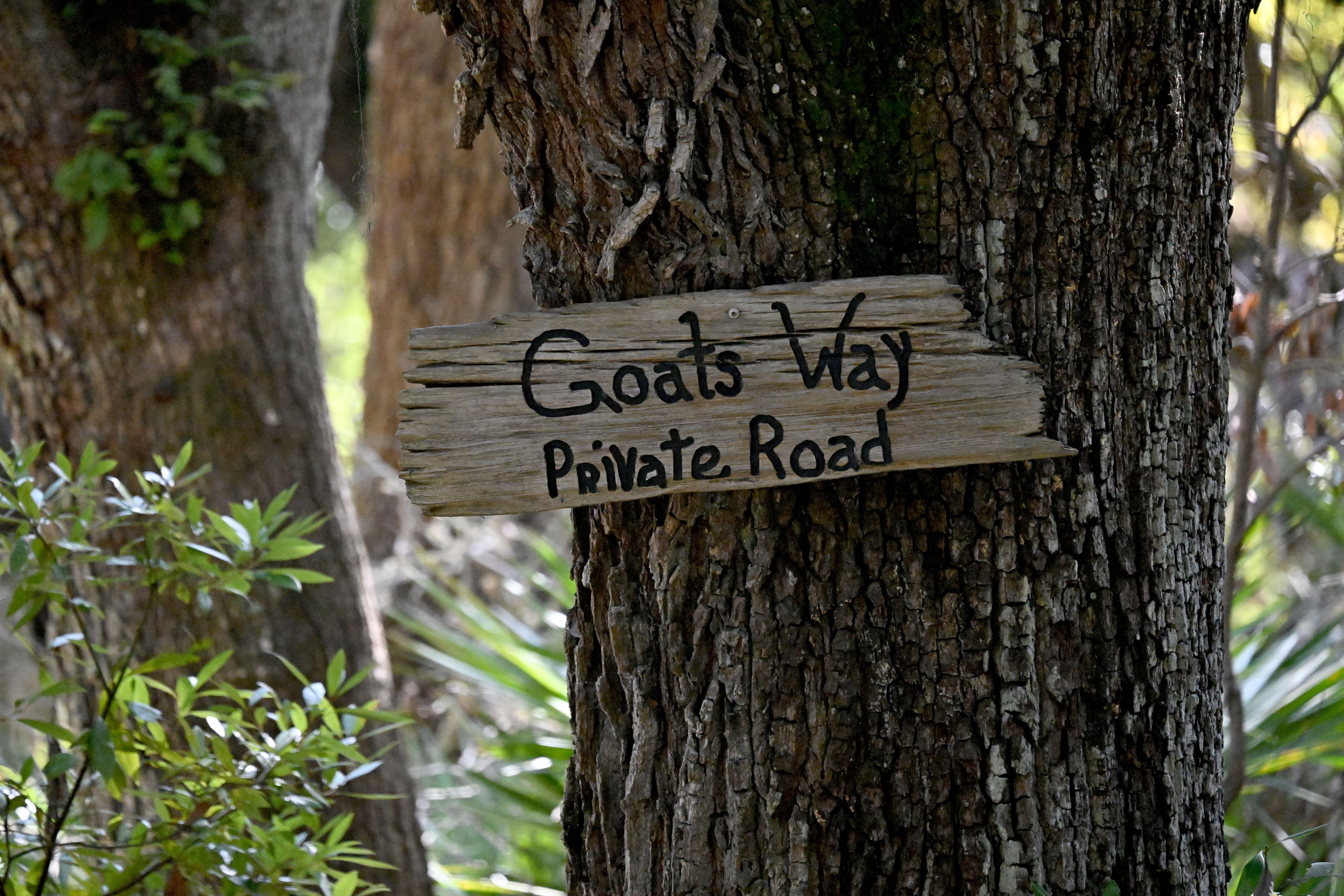
The recently released environmental assessment outlines the development restrictions on the properties along Old House Creek. Only single-family homes would be permitted, and the footprint would be limited to 15,000 square feet per home and building heights to 35 feet. The cap is meant to ensure the roofs of homes remain below the existing tree line.
The footprint square footage applies to all development related to the home, including driveways, patios, septic, outbuildings and the home itself. However, the height limit allows for two-story structures, meaning homes could approach or even exceed 15,000 square feet of living space.
One commenter at the Wednesday town hall said the footprint could lead to an Aldi-sized home along the Cumberland shoreline.
As for the Carnegie families, they say they have no intention of building grand estates on Cumberland. One family member, Barclay McFadden, said any new homes would be more “cottage-y” than mansion-like.
Only one home built on the island in recent decades measures more than 5,000 square feet, and the majority measure less than 3,500 square feet.