It’s flesh-eating bacteria season. Here’s what to know about vibrio.

Cook your oysters and keep your eyes on the waterfront: Warmer waters are spreading vibrio bacteria and could bring fevers, diarrhea or even life-threatening complications.
Vibrio infections, which typically rise in the summer, have already taken some lives on the Gulf Coast, according to reports from the Louisiana Department of Health.
That state has seen nine cases of the bacterial infection Vibrio vulnificus in 2026, its health department said in a news release. Everyone who got the infection was hospitalized and five people died from the bacteria. Over the past decade, Louisiana reported an average of seven cases and one death each year, according to that state’s Department of Health.
Vibriosis cases are also mounting in the other Gulf Coast states. Florida has seen 14 cases of the strain Vibrio vulnificus and two deaths in 2026, according to its public health department. Vibriosis cases have not been fatal so far this year in Mississippi, despite the state having 29 cases. The Alabama Department of Public Health reported six cases of vibriosis in 2026, although the website was last updated in June.
Texas has not updated its publicly available data since 2019, when it said it was seeing an average of 33 cases of Vibrio vulnificus infections per year.
The Georgia Department of Health didn’t provide new data about cases in the Peach State, instead referring The Atlanta Journal-Constitution to numbers from the Centers for Disease Control and Prevention.
Vibriosis infections reported by the CDC have risen across the years in Georgia. The CDC reported 142 cases of vibriosis in Georgia in 2024. The agency reported 40 cases in Georgia in 2019 and 16 cases in 2014. Locally reported cases are compiled through the CDC’s Cholera and Other Vibrio Illness Surveillance program.
The CDC said vibrio enters the body through digesting raw seafood or touching brackish water. Vibrio can lead to an external infection so bad that the flesh around a wound can die, resulting in the need for serious medical help, the federal agency said. Vibrio vulnificus can result in amputations or surgery, the CDC said. Other types of vibrio bacteria can lead to cholera, the health agency said.
“Immediately see your doctor or go to the emergency room if you have symptoms of a Vibrio bloodstream or wound infection. Do not wait,” the CDC said on its website.
Higher water temperatures from May through October are when reports of vibriosis are elevated, according to the CDC. More extreme weather events associated with climate change put more people in contact with vibrio than previous years, the CDC said in a 2023 press release.
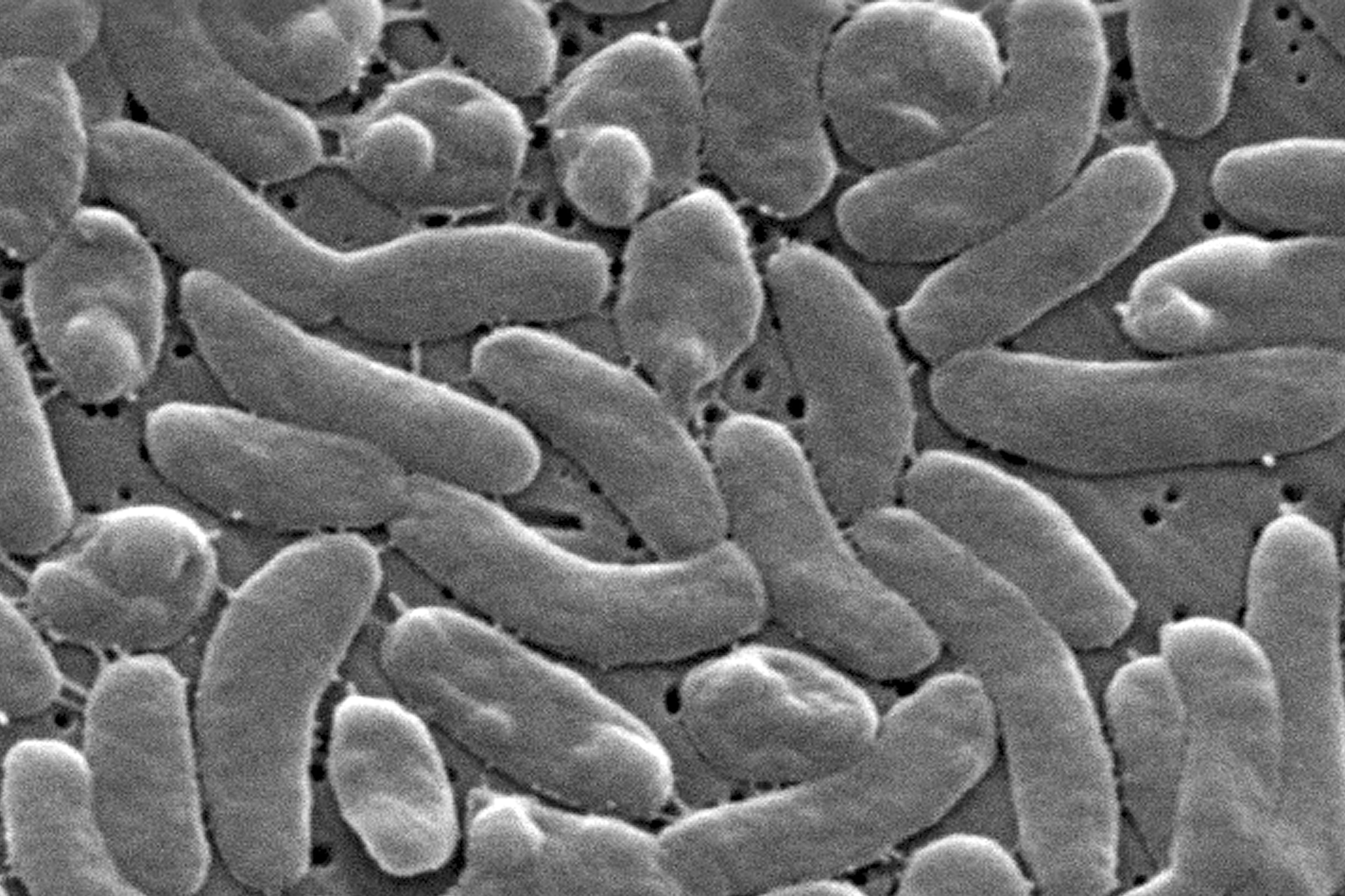
The bacteria can lead to the disease vibriosis, with its “watery” diarrhea and stomach cramps, the CDC said.
Certain strains of vibrio bacteria can lead to hospitalization and death within 24 hours, according to the CDC. Around 80,000 cases of vibriosis occur in the U.S. each year and over half of those cases occur from eating contaminated food, the CDC said.
High levels of other bacteria have been recently confirmed in a few Georgia beaches.
The Georgia Department of Natural Resources uses the Beach Water Quality Monitoring and Notification program to track the levels of bacteria around Georgia’s beaches. Both Clam Creek Beach and St. Andrew’s Beach, which sit on opposite ends of Jekyll Island, have permanent advisories over the high concentration of enterococcus bacteria, according to the Georgia Healthy Beaches Map from the Department of Natural Resources.
Vibrio bacteria naturally occur in the mix of saltwater and freshwater and near the coast, the CDC said. Vibriosis can be contracted when brackish coastal waters touch an open wound, but it is commonly found in uncooked seafood, specifically oysters, the health agency added.
Multiple strains of vibrio cause vibriosis, but the CDC lists three to primarily be aware of: Vibrio parahaemolyticus, Vibrio alginolyticus and Vibrio vulnificus. Vibriosis has varying levels of severity ranging from the fever and chills of some strains to the mortal danger of Vibrio vulnificus.
“About 1 in 5 people with this infection die, sometimes within a day or two of becoming ill,” the CDC said of Vibrio vulnificus.
The CDC warns that anyone could get a vibrio infection, but the most likely to contract vibrio have medical predispositions. Those with liver disease, cancer, diabetes, HIV, or a recent stomach surgery have a higher likelihood of contracting an infection according to the CDC.
To avoid contracting vibriosis, the CDC recommends washing hands after touching raw seafood and its drippings, as well as avoiding coastal waters when you have open wounds.