Savannah sprawl: A homebuilding boom reshapes the Georgia coast


SAVANNAH ― The roads bear names like Little Neck and Fort Argyle, Belfast Keller and Blue Jay, Pine Barren and Quacco. They stretch through the countryside just beyond the grip of Savannah’s sprawl, but there are signs that this frontier is soon to be settled.
Billboards advertising hundreds of acres of farm or timberland as “development opportunities.”
Yard signs denoting “models open” at entrances to early-phase subdivisions.
Banners slung across the side of apartment blocks touting “one month’s free rent.”
Fast-growing Savannah is in the middle of a projected long-term housing supply squeeze, and the activity along those arterial roads and others throughout the metro area is the escape route. A Georgia Tech assessment, launched in 2023, projected the need for 41,000 new units by the end of the decade as the Georgia Ports Authority, Hyundai and the region’s other economic drivers expand and attract thousands of new households.
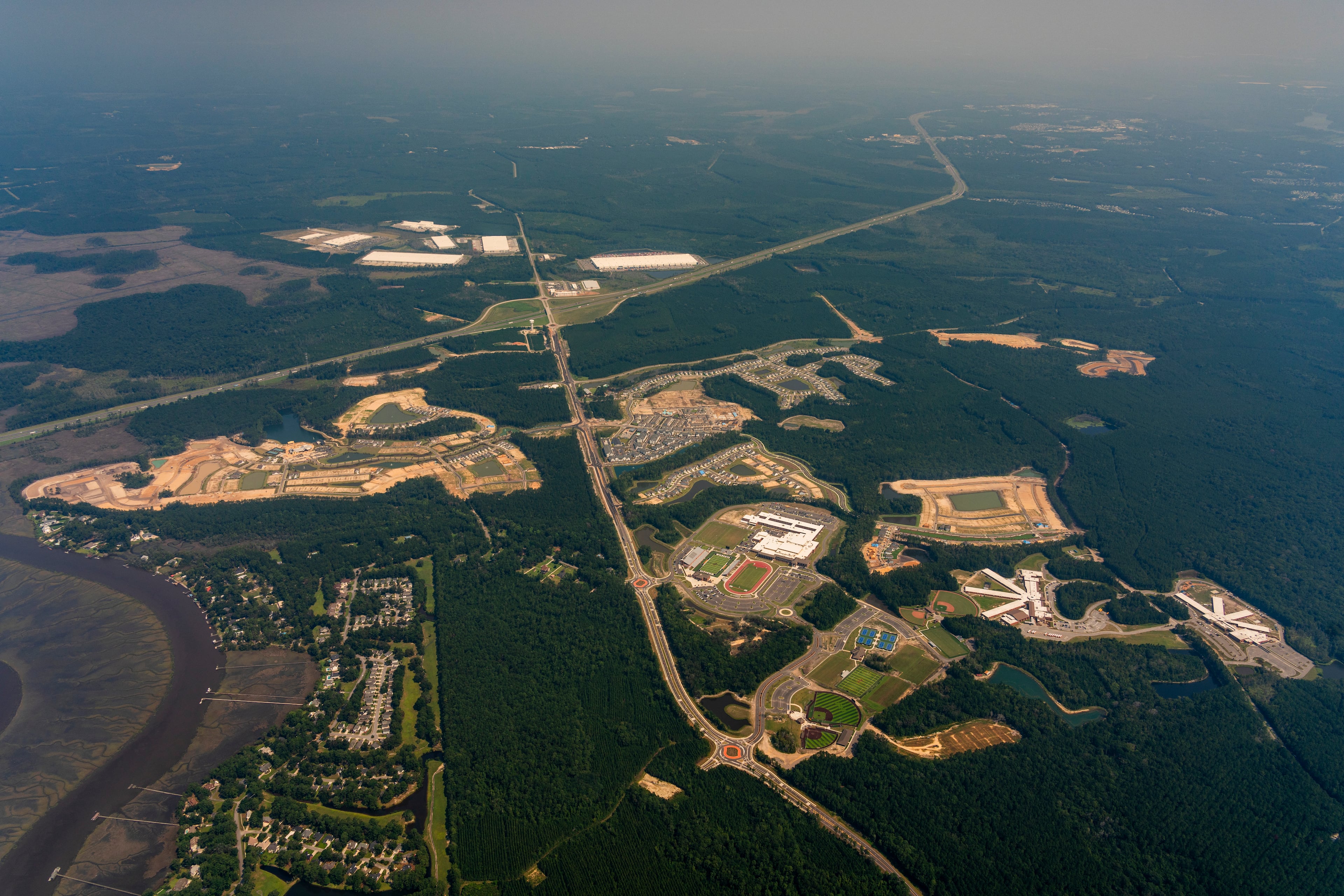
Already, housing construction has surged to meet the moment. National homebuilders that entered the market after the 2008-2009 recession are developing master-planned communities of 10,000-plus dwellings as well as large-scale apartment villages across the region.
Since 2023’s start, 11,500 new units have come up for sale or rent. The response has tipped the market in 2026 from “hot” to “healthy” in the words of veteran Savannah real estate agent Amy Gutting.
Sales prices and rental rates have dipped slightly, with builders offering discounted upgrades and rental managers a month’s free rent for new tenants for the first time in years. Another signal of cooling demand is a 25% dip in new building permits.
But several experts agree the pullback is temporary. The region’s housing landscape has seen a “decade’s worth of growth” in just a few years, said Bryan Wardlaw, a second-generation Savannah home builder. Local rental expert Trey Butler expects demand to ramp up again over the next year and says the growth “outlook is just as good” for the next five to seven years.
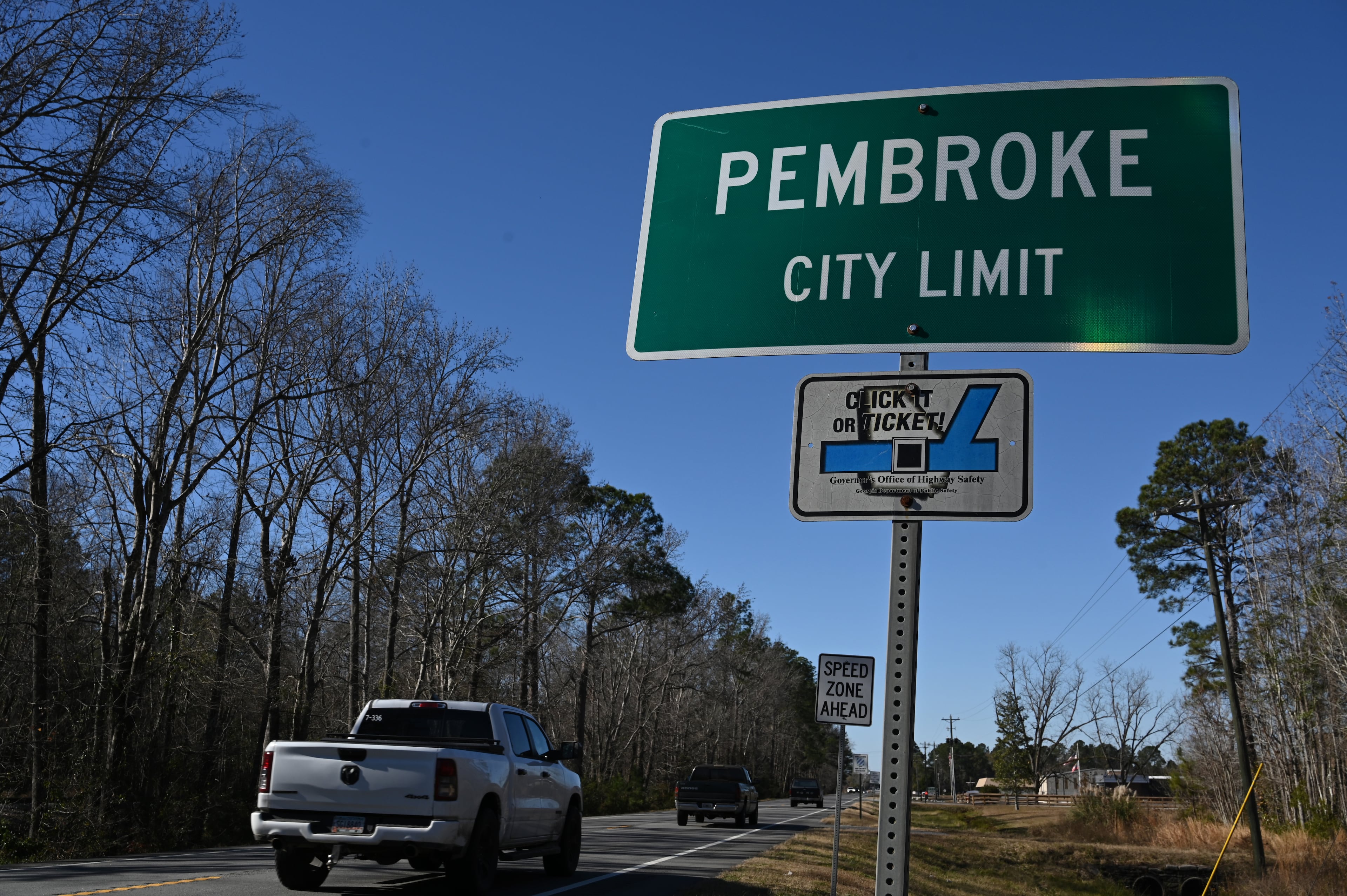
The development pipeline remains robust. The master-planned communities are still in early phases, and new projects ranging from 100 rooftops to 1,000 are unveiled during nearly every county and municipal planning commission meeting across the region. Pembroke, a town of 2,500 residents near Hyundai’s massive electric vehicle plant, has approved enough to-be-built rooftops to more than double its current population.
In the latest sign that the area’s economic and population growth won’t slow anytime soon, OpenAI announced plans last month to build a $20 billion data center and employ 1,000 people in Effingham County near Savannah.
“A surge in demand can wreak havoc,” said Betsy McGriff, the Georgia Tech researcher who led the housing assessment. “The challenge once you catch up is to keep up.”
What role do the master-planned communities play?
Atlantans Christian Henninger and his wife Amanda decided to move to the coast in 2023.
Longtime renters in Grant Park, their income didn’t match their home-buying dreams in Atlanta. But with every visit to Amanda’s parents in Richmond Hill, along I-95 south of Savannah, they passed “the bones” of a planned, mixed-use community on Belfast Keller Road known as Heartwood.
The neighborhood is one of the boldest bets on metro Savannah’s growth. Carved from 12,000 acres of Rayonier-owned timberland, Heartwood aspires to be a small city.
There’s an industrial park, a smattering of retail flanking the interstate, a medical center operated by a Savannah-based hospital and 1,000 single-family homes, townhouses and apartments, the first of 10,000 planned there. A three-school campus, serving elementary through high school students, sits on land donated by Heartwood.
The first homes opened in mid-2022 and the Henningers were among the community’s first 50 move-ins.
Heartwood has stuck to its planned development pace of 200 to 250 rooftops a year, even with the spike in demand. The Henningers appreciate the measured approach.
“We’re from Atlanta; we’ve seen what can happen when something is built too fast,” Christian Henninger said. “Sometimes we do want it to grow faster, just because we’re anxious to see what it can become. But really it’s the perfect pace.”

A 20-minute drive north of Heartwood, the many subdivisions that make up New Hampstead are bustling with activity. The 11,000-home, master-planned community on 4,000 acres sits west of I-95 and minutes from two I-16 interchanges that offer a quick commute to the Hyundai factory.
The first homes welcomed residents in the mid-2010s and building accelerated earlier this decade. Construction trucks and heavy equipment still far outnumber sedans and pickups.
What about rentals?
Savannah is a renter-majority metro area, and the 7,000 rental units that have opened to tenants in the last three years have eased the housing strain.
The region’s median home price is $376,000, which translates to a monthly mortgage payment of more than $2,200 on a 30-year loan at a 6% interest rate. The average cost of a two-bedroom rental in Savannah, meanwhile, is $1,800.
Widening the gap is the economic infeasibility of building single-family homes for less than $300,000. So-called starter homes just aren’t profitable, builders said, a challenge that has led to an increase in the number of rental townhomes and build-to-rent, single-family homes.
“The barrier to home buying is very high, and that’s led to high demand for rental housing in the area. Thankfully, there are many options for renters,” said Butler of MMG Real Estate Advisors. “If you don’t want to be in an apartment, you can move into a (rental) townhome community with a backyard and still have access to apartment amenities. If you don’t want to share walls with neighbors on all sides, the build-to-rent product is the perfect middle ground for today’s consumer.”

Still, apartment villages remain the rental of choice. Along a one-mile stretch of Quacco Road, which flanks I-16 west of I-95, four new apartment complexes with a combined 1,100 units have opened in recent years.
Another 1,000-unit project designed by the architect behind The Battery Atlanta is being planned nearby.
Marketwide, 1,800 apartment units are currently under construction.

How far will Savannah sprawl?
The April 2022 announcement of the Hyundai EV factory marked the inflection point for the Savannah housing market.
The automaker and its suppliers promised more than 15,000 new jobs by 2031, and the building surge commenced shortly thereafter. So, too, did planning for new housing closer to the plant, which is 25 miles west of the city’s historic downtown.
Leading the charge in the metro area’s more remote outskirts are local homebuilders, who have otherwise struggled to compete with the arrival of national players such as D.R. Horton, Lennar and Pulte.
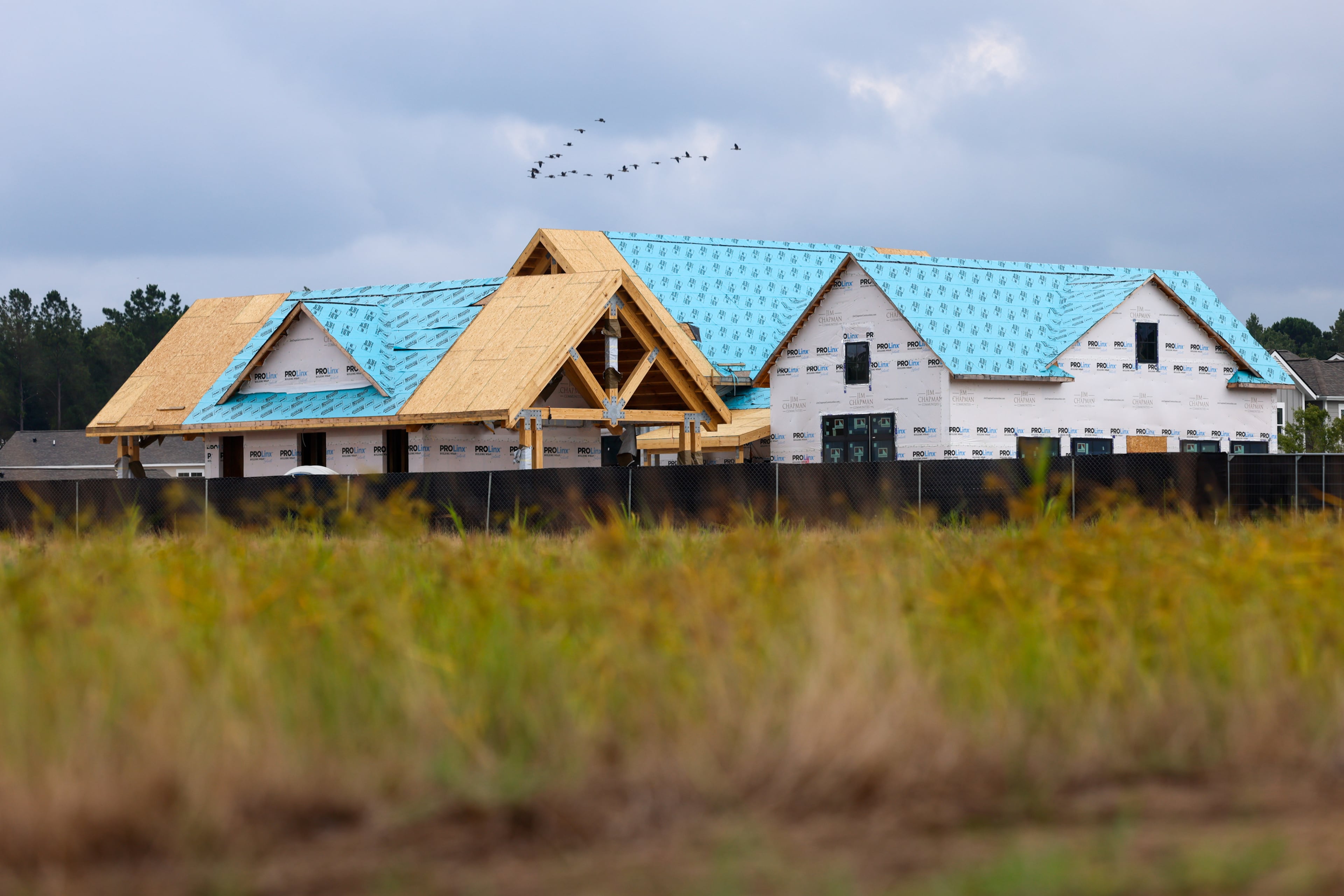
Where locals once teamed up to develop Savannah’s master-planned communities, such as the 2,200-home Godley Station project of the 1990s and early 2000s that propelled once-tiny Pooler’s growth, national homebuilders are behind Heartwood, New Hampstead, Rice Creek and other major subdivisions today.
“They own a lot of land and can put out a lot more houses per month to adjust to the market almost in real time,” said Wardlaw, past president of the Home Builders Association of Greater Savannah and an executive with his family business, Landmark 24. “Our advantage is we know the lay of the land and being good at anticipating where things are going next.”
Locals are focused on projects in places like Pembroke, where 2,900 planned homes have been approved. And in Effingham County, future site of the OpenAI data center, projects totaling more than 4,500 homes have been presented for planning commission approval.
Asked about the inventory that’s planned for the metro area’s far reaches but not yet in development, the region’s go-to economics expert, Georgia Southern University’s Michael Toma, said “we’re going to need all of it … and more.”