Robert A. Mason, who opened HBCU doors for thousands, dies at 66
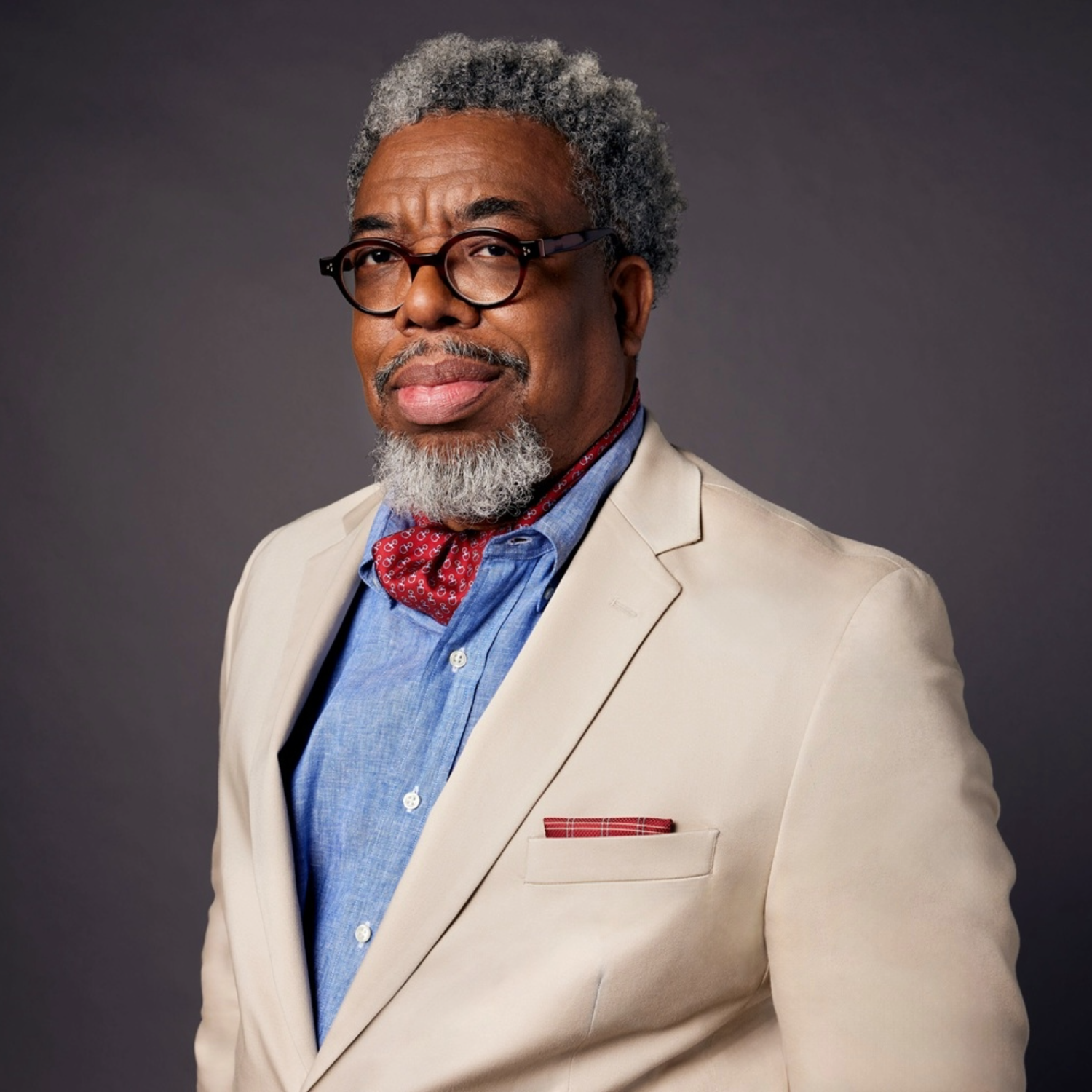
Robert A. Mason almost didn’t make it to college.
He starred on the Patrick Henry High School basketball and football teams, earning varsity letters in both sports at the Roanoke, Virginia, school, which would eventually induct him into its athletic hall of fame.
But he finished near the bottom of his 1978 class with a 1.9 grade-point average. Somehow, he managed to get accepted to Virginia State University, a historically Black college about 150 miles away in Petersburg.
It was a decision that would shape the rest of his life.
“I was raised by a single parent in the Lincoln Terrace projects, where opportunities were often limited and adversity was a part of everyday life,” Mason said in an interview this past June with the publication VoyageATL. “Like many young people growing up in similar circumstances, I had to navigate personal hardships and difficult decisions while trying to find my place in the world.”
In 1998, 20 years after that unlikely college acceptance, Mason founded Atlanta-based EDU Inc. and created the Common Black College Application, an initiative designed to make it easier and more affordable for students to apply to historically Black colleges and universities.

The program began with five participating colleges and 50 students. Since its founding, more than 500,000 students have completed the Common Black College Application.
According to the organization, 97% of applicants have been accepted to at least one member institution, and more than one-third have received scholarships.
The $20 application has also become a recruitment and enrollment tool for participating HBCUs.
“He understood the plight of students who utilized his platform from a financial, economic perspective,” said Michael A. Bailey, North Carolina Central University’s executive director of undergraduate admissions. “He also understood that many of the students that applied, all of them didn’t have 4.0s, right, as he did not.”
Mason, who spent nearly three decades helping students find their way to HBCUs, died Aug. 2 in Los Angeles. He was 66.
Mason’s family did not disclose the cause of his death.
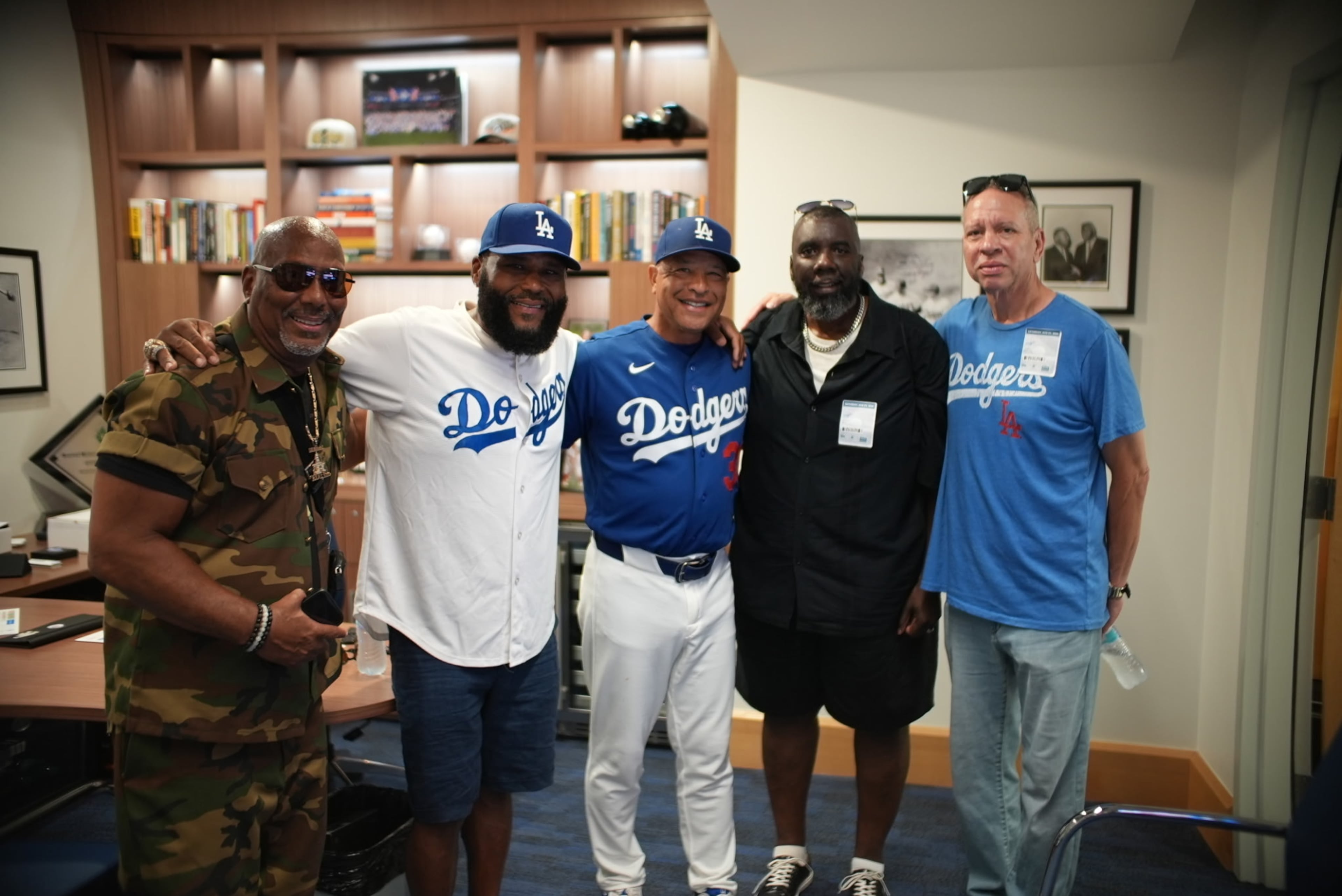
Mason was in Los Angeles for a collaboration meeting with the Anthony Anderson Foundation, along with admissions directors from HBCUs. The last event he attended was a Los Angeles Dodgers game, where the group watched batting practice and met manager Dave Roberts.
Following Mason’s death, his CBCA team said his mission was to remove the financial barriers that too often stand between students and a college education.
“He believed that every Black student deserved the opportunity to pursue higher education without financial barriers,” the statement read. “Through the Common Scholarship Application, he worked tirelessly to connect students with scholarship opportunities that would help them achieve their educational goals and realize their full potential.”
The college chance that changed his life
Mason was born May 30, 1960, to Robert and Ernestine Mason in Roanoke, Virginia. He and his brother, Todd, were raised by their mother in the Lincoln Terrace housing community.
At Virginia State, Mason found the opportunity that had once seemed unlikely. He became a member of the Omega Psi Phi fraternity through the Nu Psi Chapter in 1980 and graduated in 1984.
It was also at Virginia State that Mason met Mark Green, who would become one of his closest friends and, later, his fraternity brother.
The two met as freshmen and bonded as they navigated their own challenges in college.
“We both had our little challenges in school, but we came out together,” said Green, adding it took them both five years to graduate amid financial and academic difficulties and the growing pains of young adulthood. “That’s when we got an even stronger bond.”
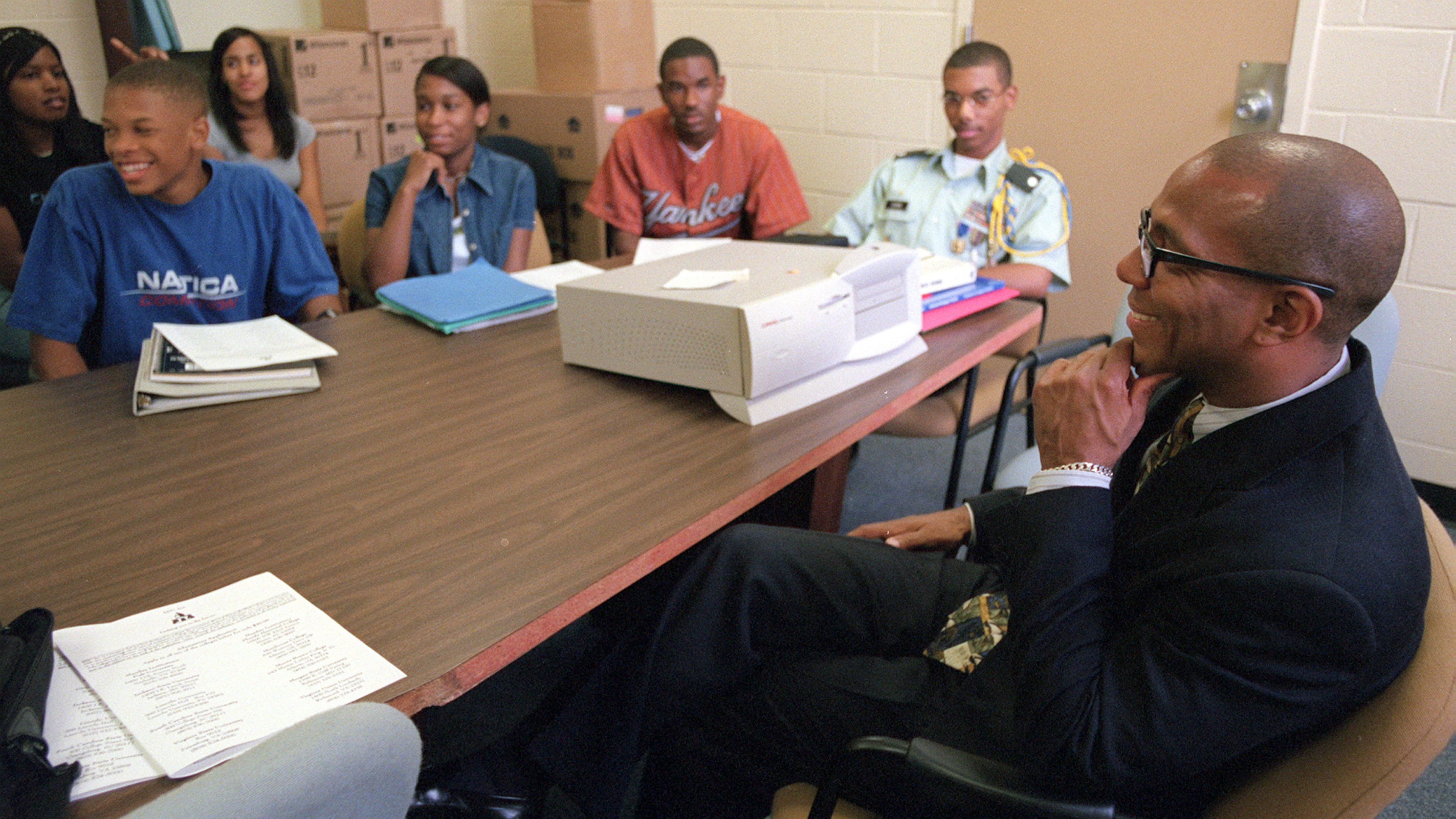
Mason later earned a master’s degree in public administration from Clark Atlanta University. He also worked there as assistant director of admissions and lead recruiter, giving him firsthand experience with the challenges of connecting prospective students with colleges.
Opening HBCU doors for others
Rather than requiring students to navigate separate applications and fees for multiple schools, Mason developed a system that allowed them to apply to 60 participating HBCUs through a single application.
The program also helped participating schools meet their enrollment goals.
Bailey said the Common Black College Application helped North Carolina Central increase applications by about 10% during the university’s first year working with the program. Just as important, Bailey said, many of those applicants ultimately enrolled.
For students, Bailey said, the appeal was simple: For $20, they could apply to four HBCUs and potentially connect with dozens of other participating schools, giving those who could not afford multiple application fees more options.
“He wanted to build a product that would allow students to transition from high school to college at an affordable price point and give them options,” Bailey said. “If they can’t get into this one, they may be able to get into that one.”
For Green, Mason’s success was a reflection of the determination he had seen in his friend since their college days.
“His legacy is not only about what he accomplished, but the lives he touched and the people he empowered along the way,” Green said.
In 2019, more than 40 years after Virginia State gave Mason a chance, he returned to the school as its convocation speaker.
Mason is survived by his mother, Ernestine Mason, and his brother, Todd Mason.
Funeral services will be held Aug. 22 in Roanoke. Arrangements are being handled by Serenity Funeral Home in Roanoke.