Heat wave brings record-breaking temps, heightened wildfire risk to parts of Western US
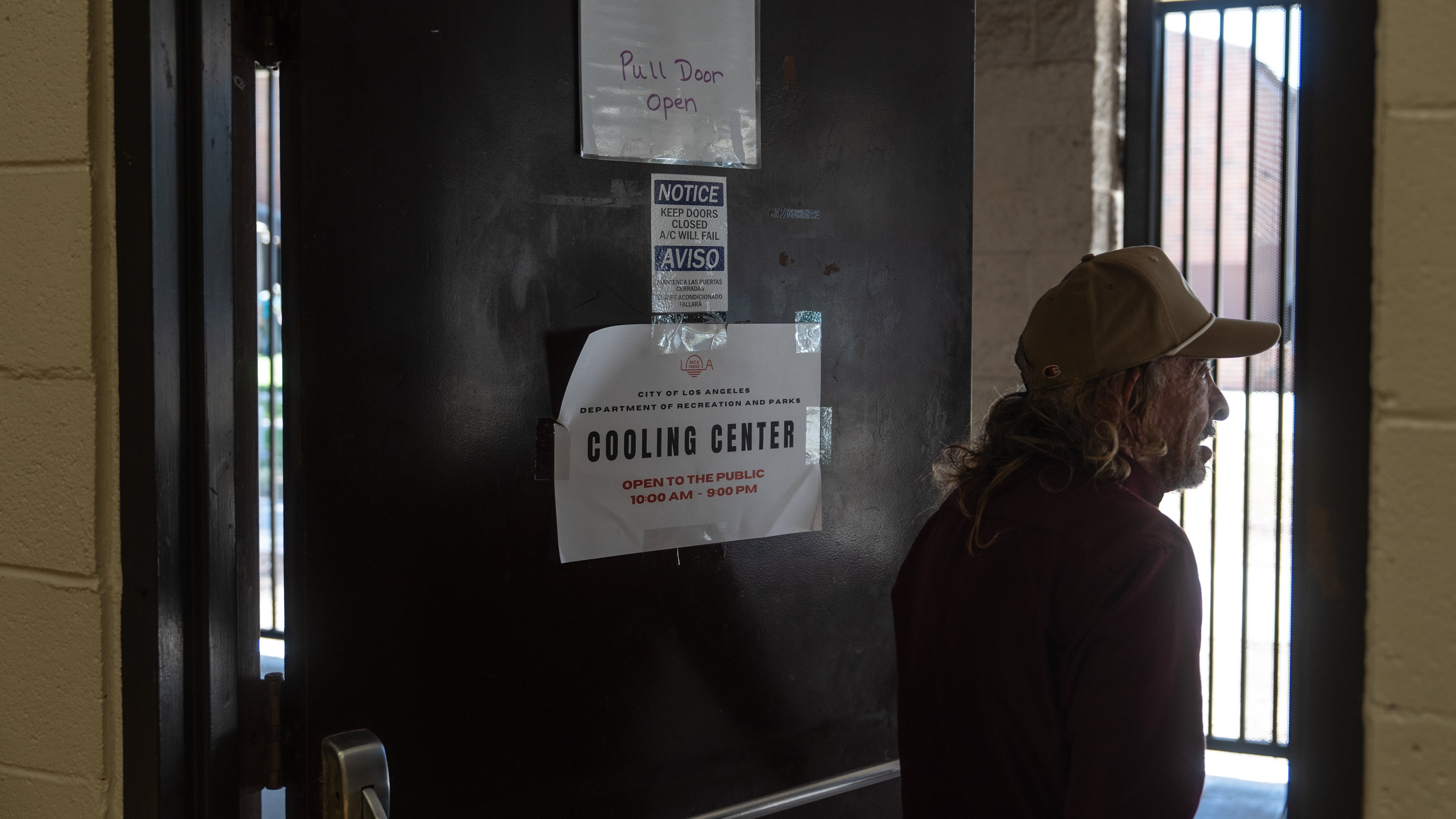
A heat wave gripped large swaths of the Western U.S. on Saturday as temperatures hovered near record highs, heightening wildfire risks in areas that already were dry or burning and prompting warnings for people to stay inside.
A ridge of high pressure was holding heat close to the ground — what’s known as a heat dome — from Arizona to Montana, though the good news was that it will be relatively short-lived, National Weather Service meteorologists said.
Dangerous heat and warnings were plaguing the region, and the National Weather Service on Saturday forecast a number of cities that were expected to hit record highs. By late afternoon, Las Vegas reached 115 Fahrenheit (46 Celsius), the hottest temperature of the year and just one degree off the daily record of 116 F (47 C).
Phoenix was expected to reach 116 F (47 C), while El Centro, California, was expected to hit a record 118 F (48 C). Even parts of Montana were expected to broil, with a record 104 F (40 C) forecast for Great Falls.
The high in Las Vegas was 10 degrees above normal, and meteorologists warned of dangerous heat through Sunday, when the high was expected to be 114 F (45 C), according to weather service meteorologist Morgan Stessman.
Overnight lows in the upper 80s to low 90s will make the situation especially dangerous because it does not allow people’s bodies to recover. “There's just no relief overnight,” Stessman said.
People were urged to stay indoors and keep hydrated.
At the Justa Center in Phoenix, which caters to seniors but opens to the public as a cooling center in the afternoon, the biggest challenge was keeping up with the need for water and electrolytes, operations director Rudy Soliz said. About 200 people come in daily.
“Anybody can come in, get a meal, sign up, get checked in through the cooling center, sit down, relax, watch a little TV, you know, catch themselves before they move on to another cooling center or their destination,” Soliz said.
Several cities near record temps
The August record for Las Vegas is 116 F (47 C), while the hottest on record was 120 F (49 C) in July 2024, which also was the hottest summer on record, Stessman said.
In Montana the entire east side of the state was under an extreme heat warning, though by Sunday much of the state was forecast to be in the 70s, according to weather service meteorologist Jeff Kitsmiller.
Still it was not as bad as a heat wave in mid-July when some places broke all-time records, including Billings, which reached 111 F (44 C) on July 12, Kitsmiller said.
“That was a rare heat wave,” he said. “This one fits for this time of year.”
The Montana Rescue Mission, a homeless shelter in Billings, opened its doors earlier than usual to provide relief from the heat. Dozens of people were expected throughout the day, and the shelter planned to provide dinner, beds and breakfast, a receptionist said.
Great Falls Parks and Recreation's four swimming pools and three splash pads were crowded, said Katy Houseman, who works at one of the city's recreation centers.
“They’re definitely hitting the pools and doing the splash pads outside and then trying to hide inside where there’s air conditioning,” Houseman said. “It's super, super hot today.”
Heat exacerbates wildfire risks
Forecasters warned that this heat wave, combined with drying from past heat, will add to wildfire risks across the West.
“We’re definitely worried about that” in Montana, where fires already were burning and high winds were forecast for the weekend, Kitsmiller said, adding that most of the state was under a red flag warning.
In Nevada, Stessman said, “with this heat dome setting up, we’ve lost some of the moisture that we did have — like relative humidity in the afternoon bottoming out in the single digits in quite a few places.”
The U.S. Forest Service wanred of enhanced wildfire risk through Sunday in most of Southern California except the coastline.
Extreme heat and drought also have created dangerous wildfire conditions in the Pacific Northwest.
Washington Gov. Bob Ferguson declared a state of emergency Saturday after unusually high temperatures and high winds exacerbated record wildfires across the state. He also banned most outdoor and agricultural burning through the end of September.
Ferguson’s proclamation went into effect ahead of an unprecedented “particularly dangerous situation” red flag alert by the National Weather Service, which rated the weather risk as “extreme” across Eastern Washington.
The Old Trails Fire, a fast-moving wildfire driven by the strong winds and high temperatures, swept across northwest Spokane before jumping the Spokane River and prompting the evacuation of thousands of people.
A red flag alert also was issued for eastern Oregon, where crews battled several large fires including the Rowe Creek Complex blaze, which has grown to 490 square miles (1,269 square kilometers) with 57% containment.
Climate change makes heat waves and wildfires more frequent
Climate change from the burning of coal, oil and natural gas is causing larger, more intense and longer-lasting heat waves — which lead to more intense droughts and contribute to larger, more destructive wildfires.
This year’s weather is also expected to be affected by an El Nino phenomenon, a natural warming of the equatorial Pacific that alters weather patterns and spikes temperatures across the globe.
The current El Nino is expected to rank as among the most intense since the weather service began tracking in 1950, experts said. It has already broken records for intensity at its early stages, United Nations officials said Friday.
___
Associated Press writer Martha Bellisle in Seattle contributed.
___
The Associated Press’ climate and environmental coverage receives financial support from multiple private foundations. AP is solely responsible for all content. Find AP’s standards for working with philanthropies, a list of supporters and funded coverage areas at AP.org.