Falling oil prices help calm the stock and bond markets
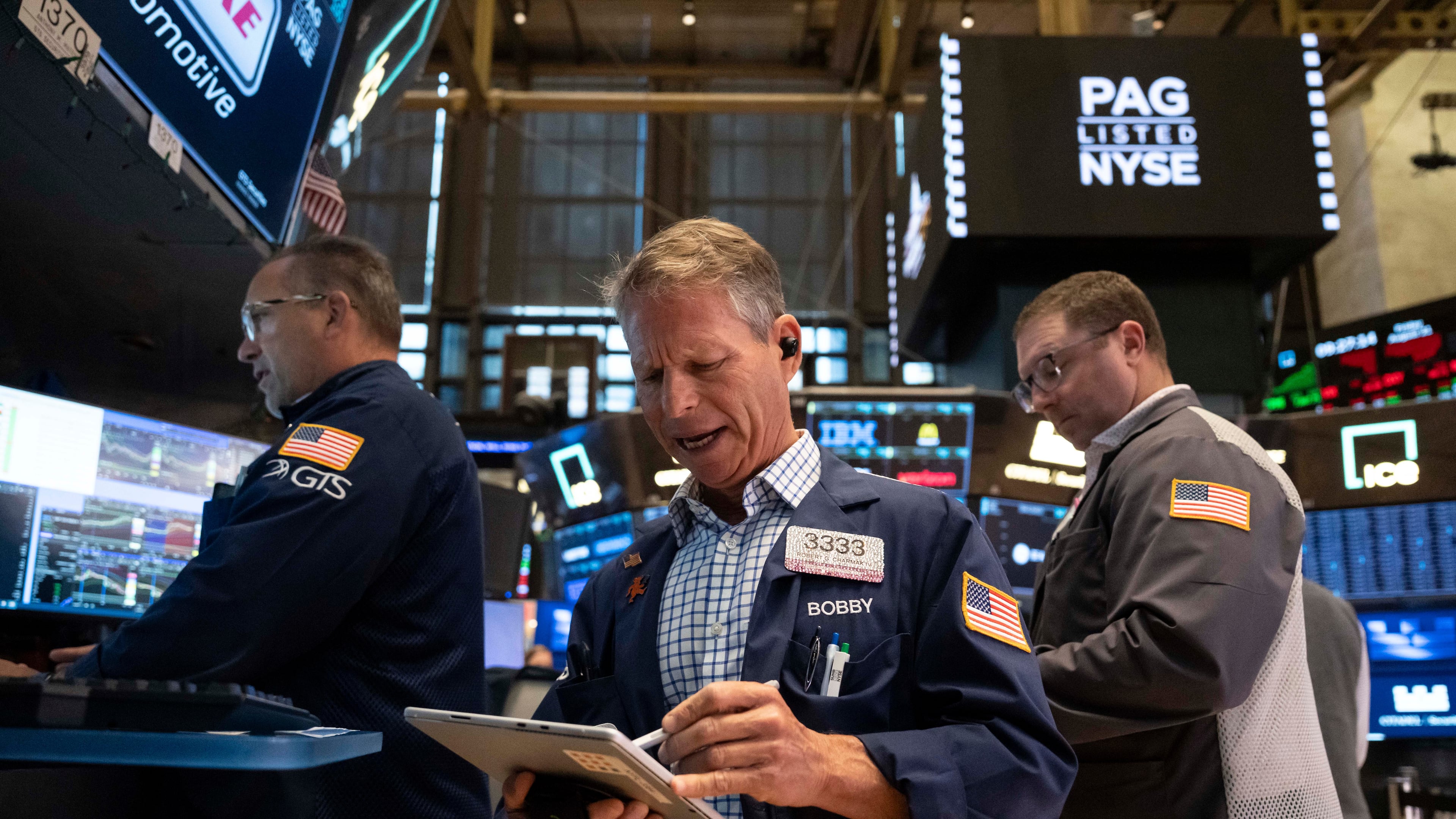
NEW YORK (AP) — Oil prices fell again on Tuesday, which helped ease worries in the bond market and support stock prices.
The S&P 500 rose 0.3% and edged a bit closer to its all-time high set earlier this month. The Dow Jones Industrial Average added 160 points, or 0.3%, and the Nasdaq composite climbed 0.7%.
Some of the strongest action was in the oil market, where the price for a barrel of Brent crude fell 3.6% to $87.27 for a second decline following 13 gains in 14 days. The drop came even though tensions between the United States and Iran seemed to ratchet higher after the Trump administration announced new sanctions to further hurt Iran’s economy.
Brent’s price zigzagged between $72 and $102 last month as hopes rose and fell that the United States and Iran could reach a deal that would allow oil tankers to freely exit the Persian Gulf again.
A delegation from Pakistan left Iran Tuesday after talks with Iran’s president on reopening the Strait of Hormuz and reviving negotiations to end the Iran-U.S. conflict, the Pakistani military said. Pakistan Interior Minister Mohsin Naqvi said a meeting with Iranian President Masoud Pezeshkian had been “very positive and productive.”
Tuesday’s drop in oil prices reined in worries about high inflation, which had helped drive Treasury yields higher in the bond market through the summer. Yields had gotten so high that the U.S. Treasury Department announced a surprise move last week to increase its repurchases of longer-term Treasury notes and bonds.
High yields make borrowing more expensive for everyone and can slow the economy’s growth while undercutting prices for stocks, cryptocurrencies and other investments.
The yield on the 10-year Treasury fell to 4.63% from 4.70% late Monday and from 4.74% at the end of last week. That’s a significant move for the bond market, though the 10-year yield remains firmly above its 3.97% level from before the war with Iran sent oil prices and worries about inflation much higher.
On Wall Street, Nvidia and other winners of the boom in artificial-intelligence technology helped lead the way. Nvidia rose 2.2%, a day after its drop of 2.9% was the heaviest weight on the S&P 500.
AI stocks have veered up and down through the summer on worries that their prices shot too high and that the AI boom may not be sustainable if it doesn’t produce enough profits for companies. Nvidia will report its latest quarterly results on Wednesday, which could help steer the next move for AI-related stocks.
The gains for chip stocks helped offset a 30.7% plunge for Dick’s Sporting Goods, its worst drop on record, after the retailer reported weaker results for the latest quarter than analysts expected. Executive Chairman Ed Stack said the retailer cut prices on some of its footwear and apparel to remain competitive, while launches for some footwear during the quarter ended up being weaker than it expected.
The company also cut its forecast for an underlying measure of profit in 2026 for both its Dick’s and Foot Locker businesses. Dick’s spent $2.4 billion last year to acquire the struggling Foot Locker chain.
All told, the S&P 500 rose 24.42 points to 7,677.28. The Dow Jones Industrial Average added 160.24 to 53,577.40, and the Nasdaq composite climbed 171.11 to 26,151.30.
Worries have been rising about how strong spending can remain generally for U.S. households, which is the main engine of the economy. They’re facing higher prices on everything from food to clothes and a job market that suddenly looks iffier after employers cut more jobs last month than they added.
A report from the Conference Board on Tuesday said that confidence among U.S. consumers weakened by more than economists expected.
In stock markets around the world, many indexes drifted modestly higher. South Korea’s Kospi, which is dominated by two AI winners, added 0.7% for one of the world’s biggest moves. It’s been steadying since plunging 22.2% in July.
___
AP Business Writers Matt Ott and Elaine Kurtenbach contributed to this report.