He delivered 100 Georgia babies. Soon, he’ll return to space on Artemis III.
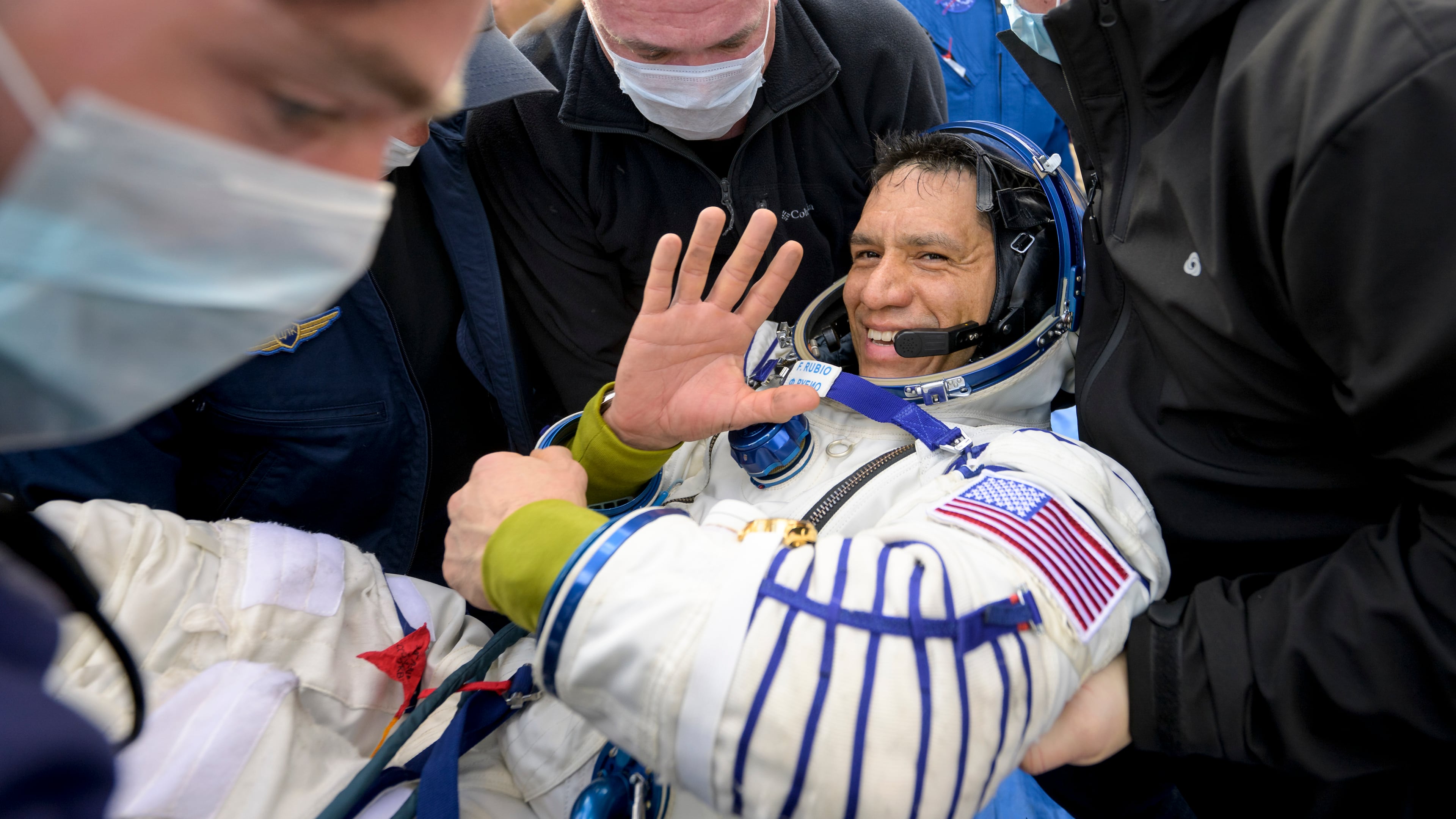

As an astronaut, Frank Rubio has seen the lights of Atlanta from space. As an Army doctor in labor and delivery at the Fort Benning hospital in Columbus, he has also seen the faces of parents aglow when he welcomed their babies into the world.
Rubio, a multiskilled mission specialist for NASA — he has flown military helicopters and spent a year aboard the International Space Station where he famously grew tomatoes — will return to orbit next year aboard the Orion spacecraft.
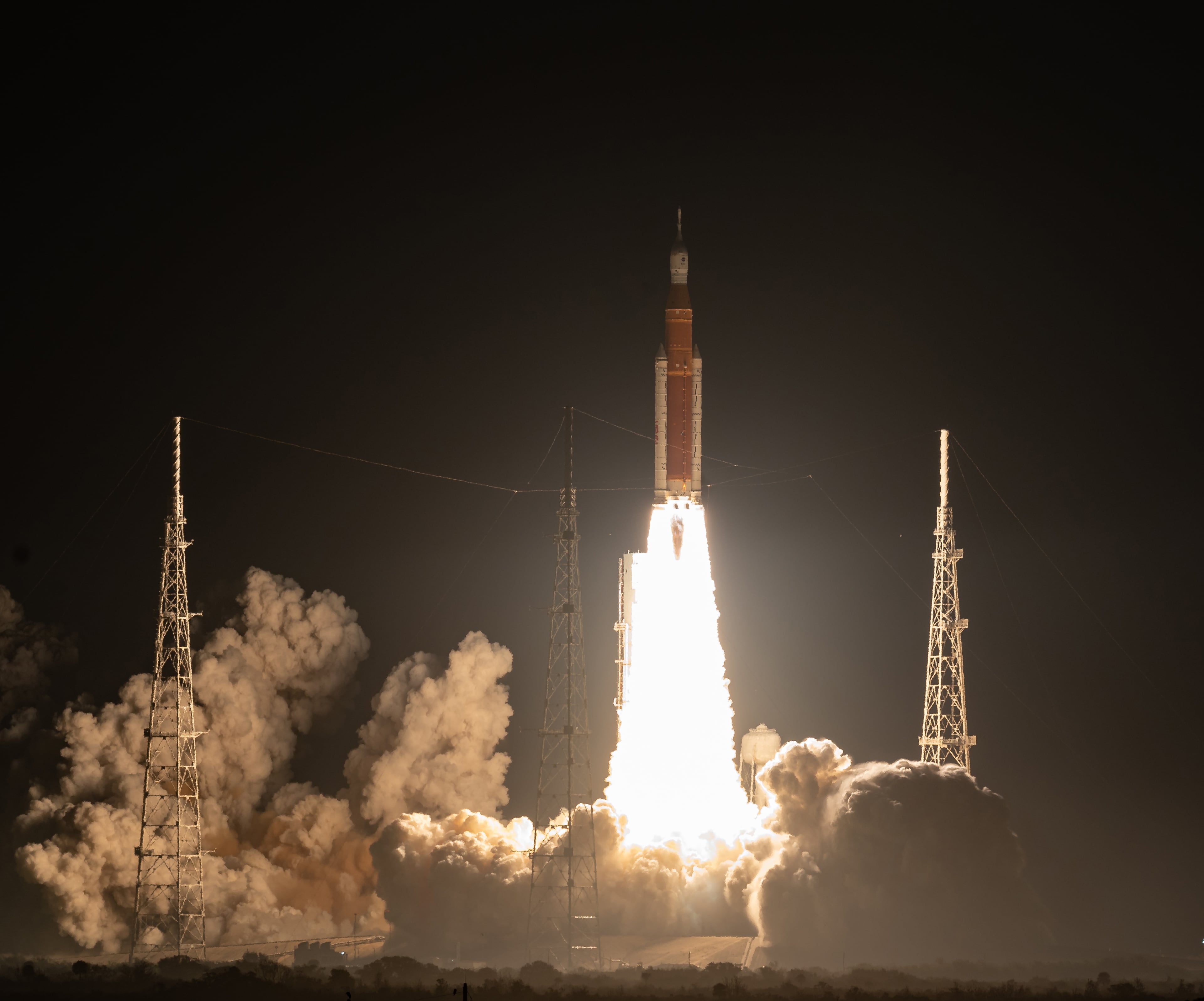
That mission, Artemis III, with Rubio and three other crew members, will travel in low Earth orbit to test equipment that will land Artemis IV astronauts on the moon in early 2028.
In a brief interview this week with The Atlanta Journal-Constitution, Rubio recalled his years stationed in the Peach State.
All told, Rubio, 50, an Army colonel, has spent about half a decade of his career on Georgia soil.
Rubio, a West Point graduate, attended Fort Benning’s Army Airborne School for parachute-jump training in 1996. As a Black Hawk helicopter pilot, he was stationed at Hunter Army Airfield in Savannah from 2004 to 2006. He returned to Benning from 2010 to 2013 and did his residency for family medicine.
“My family loved our time at Fort Benning, and Columbus is a beautiful town,” Rubio, a father of four, said. “They renovated the downtown region when we were there. ... It’s a beautiful area, very family friendly, great place to raise kids. We loved it there.”
He spoke of caring for troops and their kin.
“I think my favorite part honestly was that I delivered a lot of babies when I was there,” Rubio said. “I think over 100 babies. ... As you can imagine, Fort Benning produces a lot of babies. Lots of young soldiers and their families there. So it’s nonstop, and we get a lot of practice.”
In his time there, patients he had delivered babies for would invariably approach him on base and say, “Hey, Dr. Rubio, here’s Johnny. You delivered him a year and a half ago.”
Asked to compare family medicine to rocketing into space, he said it is “probably not as exciting,” but “equally if not more rewarding.”
Rubio, who has been in orbit once before, from September 2022 until September 2023 aboard the International Space Station, holds the American record for the longest-lasting single trip to space: A year and a week. His journey, due to a damaged return capsule, was extended by half a year.
He recalled his year of space travel and of at times looking down on the Southeast and the region around Fort Benning. “It’s not really super obvious as far as the exact location ... but I do remember seeing Lake Martin (in eastern Alabama), because that’s probably the biggest body (of water) that’s nearby that I could identify.”
He also noticed the lights of Atlanta.
Said Rubio: “It sticks out quite a bit. It and then Jacksonville is kind of the next big city that you can see clearly.”
He described his hand in the upcoming Artemis mission, which will, in part, involve testing the lunar landers “to make sure that everything checks out so that our friends and co-workers for the next mission and the mission after that can be the first humans to land on the moon in 60 years.”