Why station wagons still make sense — even if Americans ignore them
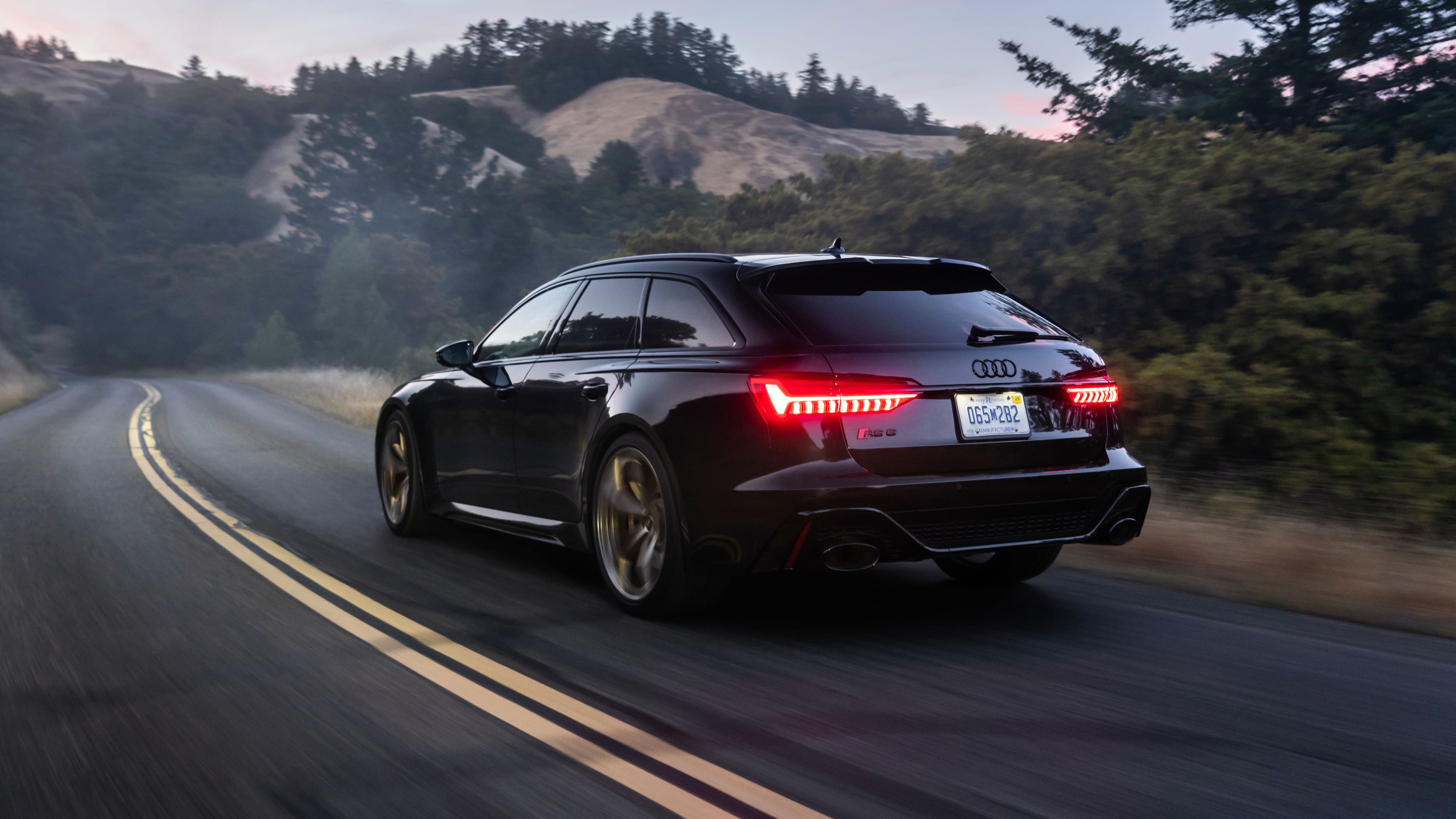
Americans abandoned the station wagon decades ago, replacing it first with the minivan and then the sport utility vehicle. But many of the desirable characteristics that made wagons the go-to family vehicle — excellent cargo space, decent fuel economy, sedanlike handling — are the same qualities car shoppers look for today.
Many of today’s most popular SUVs aren’t all that different from the station wagon formula. So, while the name largely disappeared, the idea never really did.
What is a station wagon?
A station wagon is a car with a roofline extending to the tailgate, creating an open interior space for seating and cargo. While it doesn’t have a separate trunk, the wagon uses a sedan chassis and usually has a similar roof height.
Over the years, manufacturers have built two-door and four-door station wagons with front-, rear- and all-wheel-drive. They’ve been known as “long-roofs,” “estate cars” and “shooting brakes,” among other nicknames.
Why are they called station wagons, anyway?
The first station wagons shuttled passengers and luggage between train stations and hotels and resorts. Entrepreneurial mechanics modified sedans, removing their trunks and extending their roofs and stretching their wheelbases to create versatile, specialized vehicles. This use case led to another name, “depot hack.” Depot is another name for a train station, and “hack” for a vehicle-for-hire with a driver, like a taxi. People also called these useful vehicles “station wagons,” and that name stuck.
The first factory production station wagon is generally credited to Durant Motors’ 1923 Star Station Wagon Depot Hack.
What is the difference between a station wagon and an SUV?
From the perspective of automakers, the difference is marketing. With the rise of the SUV, the term “station wagon” became less attractive to shoppers. I found a Chevrolet brochure entitled “1973 Wagons, Building a better way to see the U.S.A.” It covered the Chevrolet Chevelle, Vega, Suburban, Blazer and Sportvan models, all wagons if you listen to the Chevy marketing department. According to collector-car experts at Hemmings, the first vehicle advertised as an SUV was the 1974 Jeep Cherokee. In the 1980s and 1990s, SUV culture expanded wildly, and nobody wanted a station wagon.
The U.S. Environmental Protection Agency and the National Highway Traffic Safety Administration have fuzzy standards for wagons. NHTSA divides light-duty vehicles into two classes: Car and Truck. Sedan/Wagon and Car-SUV comprise the Cars class, while Truck-SUV, Minivan/Van and Pickup make up the Truck class.
NHTSA’s Car SUVs, more commonly known as “crossover vehicles,” include vehicles like the Chevrolet Trax and Kia Seltos. Big SUVs like the Cadillac Escalade and Toyota Sequoia are Truck SUVs for regulatory purposes. The EPA, confusingly, divides vehicles into three categories for fuel economy ratings: Wagons, SUVs, and hatchbacks.
Here’s the EPA’s list of wagons for 2026: Acura ADX, Audi RS 6 Avant, Cadillac Celestiq, Honda CR-V, Mercedes-Benz AMG E53, GLB35, and E450, Nissan Leaf, Volvo V60 and V90. The list specifies certain powertrains on some of the vehicles, but it shows how ill-defined the term “station wagon” is today, even for an agency that should be an expert.
My take on the difference between a station wagon and an SUV is flexible. For me, a station wagon rides on a car platform, has a long roofline covering a cargo area behind the second row of seats that is open to the passenger compartment. If the second-row passengers can reach up and touch the back glass, the vehicle is not a wagon; it’s a hatchback. If the roof is tall and the passenger compartment is closer to a cube than a shoebox in shape, it’s an SUV.
Gray areas? Yes, but the point is that many vehicles marketed as SUVs borrow from the station wagon playbook.
Why should you consider a station wagon?
Because they are car-based, station wagons have a lower center of gravity and weigh less than similarly sized SUVs. This makes them handle better on the road. A wagon’s shape is inherently less wind-resistant than an SUV’s, contributing to better fuel economy. A lower stance provides an easier step-in height and makes it easier to load.
Here are a few cars, some current and some used, that I’d consider station wagons, regardless of the EPA’s categorization or the automakers’ marketing departments.
Buick Regal TourX (2018 — 2020): The TourX was a surprise when it debuted as a 2018 model as the first Buick station wagon since 1996. It used the same wheelbase as the Regal but was almost four inches longer overall and just an inch taller.
Mercedes-Benz E-Class Estate (1993 — present): Mercedes-Benz has stuck to the station wagon formula for the E-Class for decades now. Diesel models are legendary for their durability and longevity and have been prized by biofuel promoters for their ease of conversion. AMG versions deliver track-worthy performance in a luxurious, useful package.
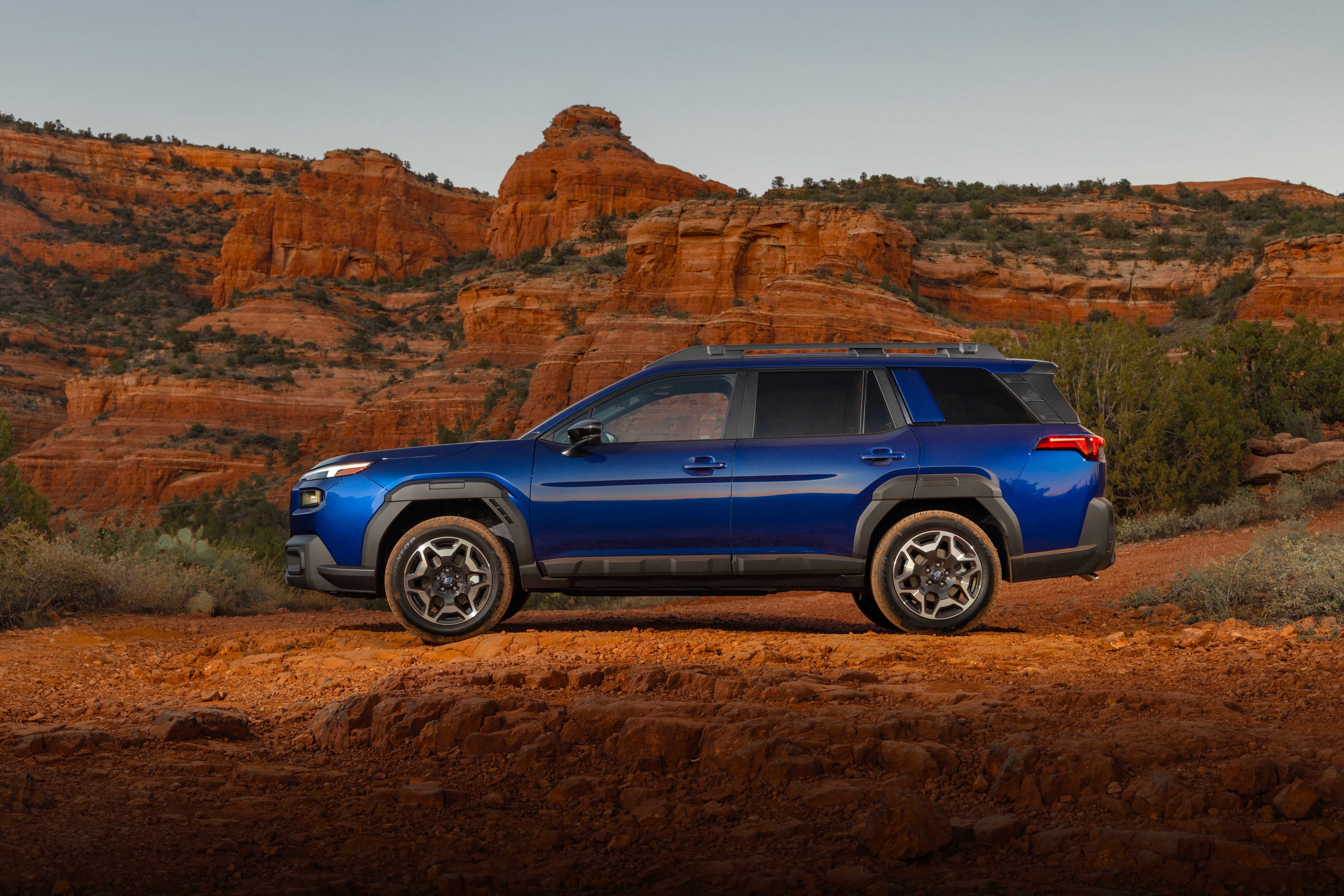
Subaru Outback (1995 — present): Subaru purists may argue that the Outback is an SUV and not a station wagon. Does it matter? It’s a great SUV and a great wagon. If you’re looking for a combination of utility and capability that can take you from the mall to the mountains and everywhere in between, this might be the station wagon for you.
Any wagon with fake wood siding: It’s been decades since any American manufacturer has adorned a production station wagon with “wood-look” siding, but that doesn’t mean I can’t dream.
Jason Fogelson is a managing editor for Kelley Blue Book and Autotrader. A veteran automotive journalist, he has written for multiple national outlets through the years.
The Steering Column is a weekly consumer auto column from Cox Automotive. Cox Automotive and The Atlanta Journal-Constitution are owned by parent company, Atlanta-based Cox Enterprises.