Paramount delays closing Warner buyout while judge considers states' challenge
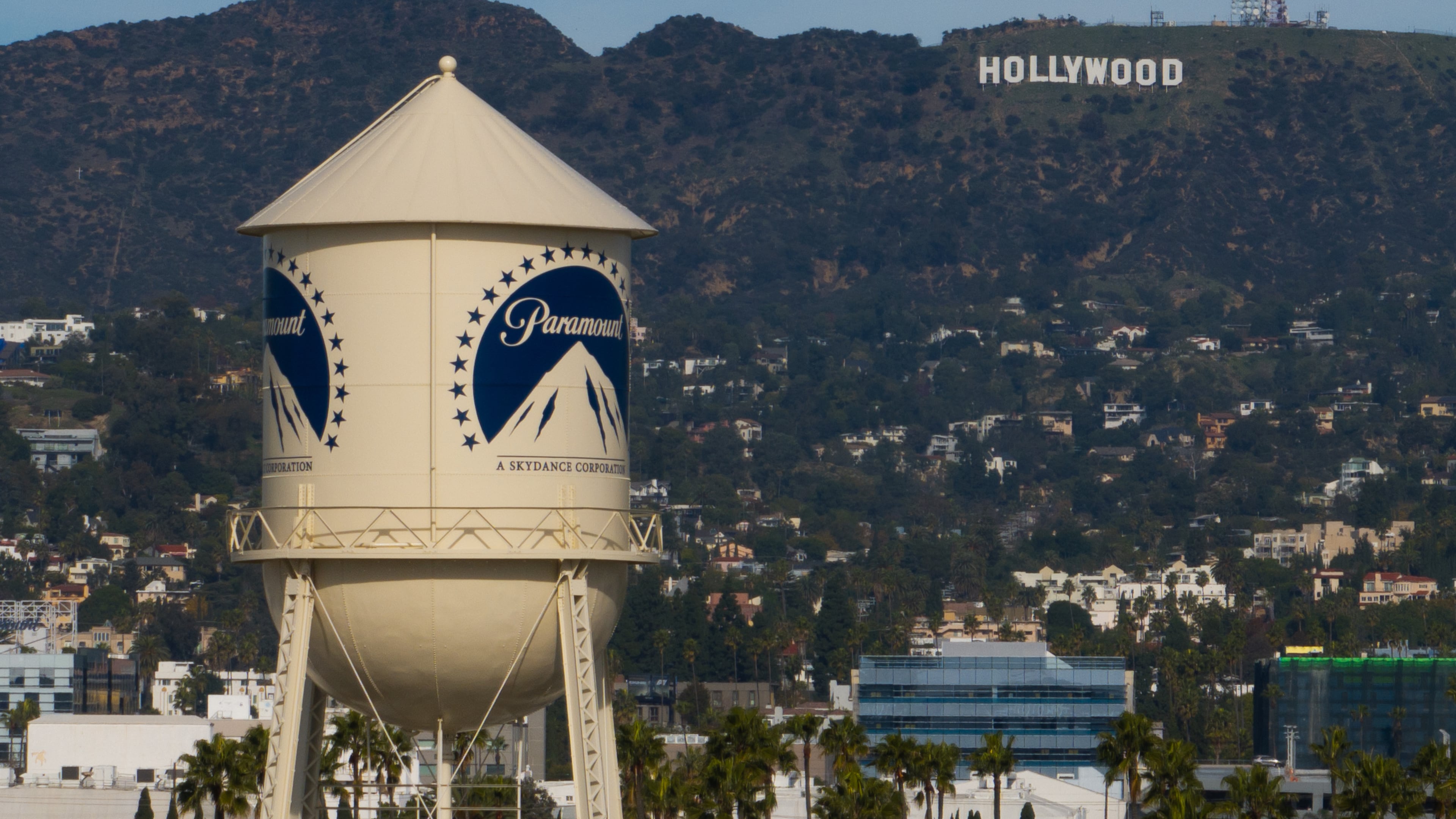
NEW YORK (AP) — Paramount and Warner Bros. Discovery have agreed to delay closing their $81 billion merger well into next year, a stunning move that arrives as a judge continues to consider a challenge from 12 states seeking to block the deal altogether.
Paramount said in a filing Friday that it won't close its Warner buyout until either a court ruling is made on the states' claims or June 1, 2027. The agreement comes just days after U.S. District Judge Araceli Martínez-Olguín granted a temporary restraining order to freeze the transaction for weeks, noting that the states had raised some “serious questions” and made a strong case about the merger's potential to “substantially lessen competition.”
Paramount and the states have also agreed to cancel an preliminary injunction hearing that was set for Aug. 3. The states’ case in now headed down the path toward a larger antitrust trial.
Both sides touted the delay as a victory.
The result was “exactly what we have sought from the outset: a direct path to a trial based on the evidence," Paramount said in a statement. The company, which was bought by Skydance just last year, added that it looked forward to proving its transaction is “good for competition, good for consumers, and good for creators.”
Meanwhile, California Attorney General Rob Bonta — who is leading the states' case — called the delay great news for audiences, movie theaters and entertainment and media workers nationwide.
“Our argument against this illegal merger is straightforward: When too few corporations have too much power in markets central to American life, it makes things more expensive, and it makes things worse,” Bonta said in a statement. He added that the states were eager to see their challenge through court and ensure the Paramount-Warner combo "never sees the light of day.”
The Writers Guild of America has also filed a lawsuit seeking to block the merger, arguing that the deal would cause specific harm to movie and TV writers. The delay will give more time for that case to make its way through court, too.
States argue merger would harm Hollywood competition
A Warner-Paramount tie-up would bring together two of the last five legacy studios in Hollywood and a host of TV networks that include CNN. Warner’s HBO Max streaming service and fan favorite titles like “Harry Potter” would come under the same roof as Paramount-owned CBS and the Paramount+ streaming service, which includes titles like “Top Gun."
Last week, the 12 states — which, beyond California, also include entertainment heavyweights like New York — sued to block the buyout, alleging that such a combination would “extinguish competition” in Hollywood and lead to fewer choices for consumers, particularly moviegoers and cable customers.
Paramount has repeatedly called the states' claims meritless and not reflective of the current industry. The company points to tech and streaming giants’ growing reach across the entertainment industry and argues the merger would help it compete with bigger rivals like Netflix (which once wanted to buy much of Warner’s business itself) and others “who have harmed the market for theatrical exhibition.”
The states' complaint doesn’t focus specifically on streaming. It alleges that the merger violates the Clayton Act — a key federal antitrust law — due to anticipated reach across three markets: theatrical movie distribution, theater releases of bigger blockbusters and the licensing of basic cable channels.
Trump administration says deal would benefit consumers
The challenge by the states — all of which have Democratic attorneys general — notably contrasts with the Trump administration’s effective greenlight of the deal. The U.S. Justice Department announced in June that it wouldn’t challenge the merger, and instead released an unusually long statement ruling that a Paramount-Warner tie up would bring “benefits for American consumers and workers.”
The Justice Department maintained that its review wasn’t political. But critics have raised their eyebrows — and pointed to Republican President Donald Trump’s close relationship with the billionaire family of Paramount CEO David Ellison. Many eyes are also on Warner assets like CNN, a network that has long attracted ire from Trump and members of his administration, particularly in light of editorial turmoil at Paramount-owned CBS following Skydance's takeover.
Friday's delay “materially reduces the near-term concern that a politicized Paramount would control CNN during the 2026 midterms,” noted Mike Proulx, vice president and research director at Forrester.
Still, there is uncertainty farther down the road.
“I’ve said from the start that anyone who thinks they know how this deal ends should think again," Proulx wrote. “What we know is that the path to either outcome just got longer, messier, and likely more expensive.”
The now monthslong delay could become very costly for Paramount. The company previously pledged to start paying Warner shareholders added “ticking fee” compensation amounting to about $7 million per day if the deal wasn’t closed by Sept. 30.
Including billions of dollars in debt, Paramount’s proposed purchase of Warner is currently valued at nearly $111 billion based on outstanding shares.
Beyond the U.S., Paramount has also touted regulatory clearances in countries like Canada, China and Australia. The European Union also gave the deal its blessing, conditional on company commitments to adjust film distribution partnerships there. Meanwhile, ongoing reviews continue in the U.K., which has separately suggested it may intervene.