Number of immigrant kids in Georgia foster care growing amid ICE crackdown


More children are landing in Georgia state custody because one or both parents were detained or deported by immigration authorities, according to data from the Georgia Department of Human Services.
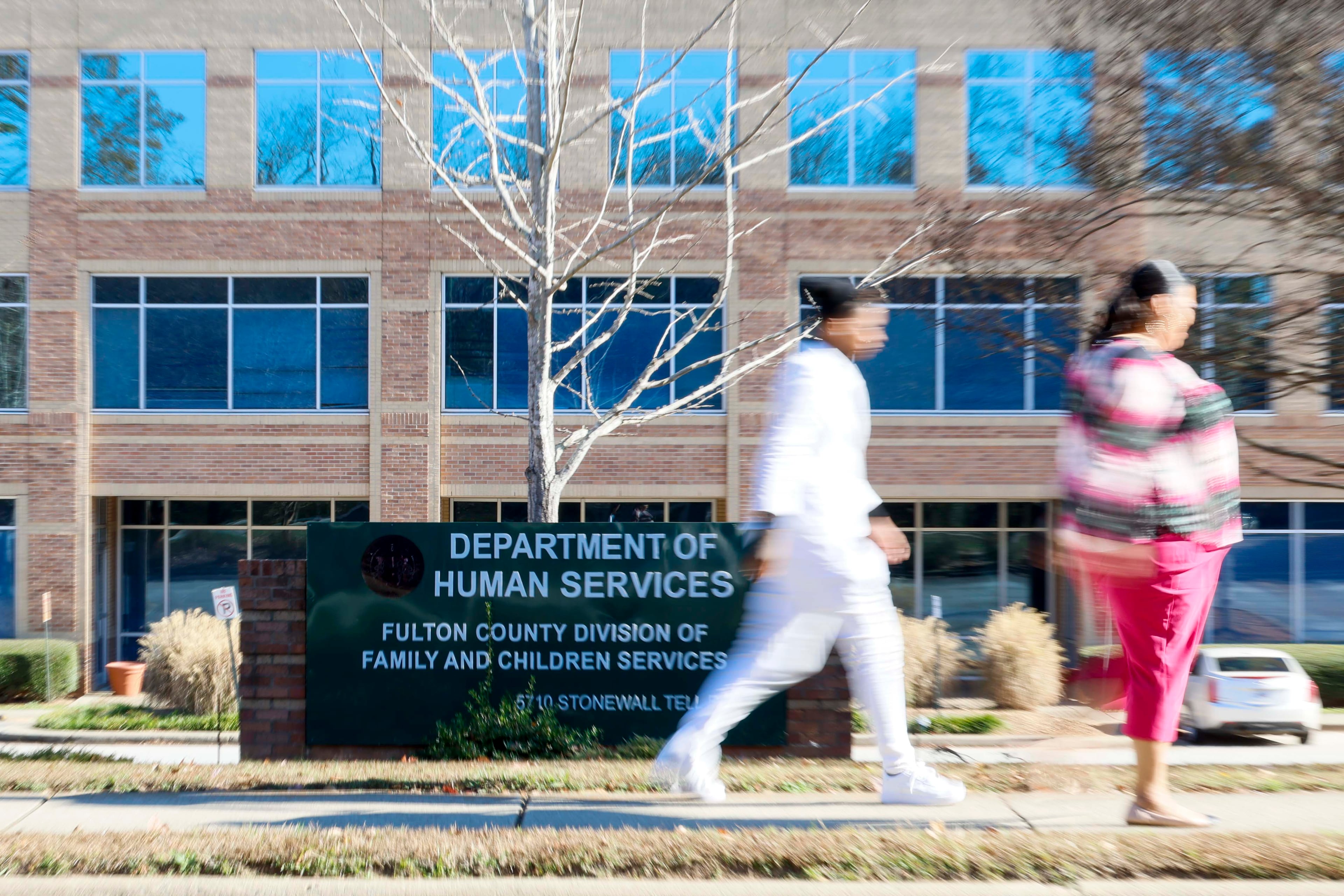
The overall number of immigrant children in the system from ICE enforcement is relatively small compared to the 12,700 in foster care, group homes or institutions between Oct. 1, 2025 and March 31, 2026. The influx adds to the pressure on the DHS Division of Family and Children Services which faced an $86 million budget shortfall last fall that forced the agency to suspend or eliminate funding for multiple foster care contracts.
There were 83 immigrant children in Georgia state custody during the six-month stretch from Oct. 1, 2025 to March 31, 2026, according to DHS data obtained by The Atlanta Journal-Constitution. That is up from 46 children during the same six-month period one year prior — roughly an 80% increase.
Tom Rawlings, former head of DFCS who was also a juvenile court judge, said immigrant children place disproportionate stress on the system because they need “specialized assistance.” Children born in the U.S. to immigrant parents are citizens, but even those without legal status have historically qualified for child protective services.
“There needs to be services to address the trauma of the separation,” Rawlings said. “We all have to recognize that while we generally consider immigration policy and enforcement to be a federal issue, it greatly impacts our ability to provide services to individuals at the state level.”
The AJC obtained two years of DHS data through the Georgia Open Records Act for this story, dating back to April 2024 — although some advocates and immigration attorneys are skeptical about the data’s accuracy, saying they think the number could be much higher.
Rebeca Salmon, a Norcross-based immigration attorney specializing in juvenile cases, called the state-provided data “grossly underinflated,” and said she expects the number to continue rising as the Trump administration moves forward with its mass deportation policy.
Georgia has emerged as a leading state for immigration arrests during Trump’s second term.
“I 100% disagree with that 83 number,” Salmon said. “I know there’s at least 16 in Hall County alone, and we have 156 counties.”

There have been at least 13,600 ICE arrests in Georgia through March 10, the fifth-most prolific state for immigration enforcement arrests nationwide, according to the most recently available agency data.
According to estimates from the Migration Policy Institute, a nonpartisan think tank, just over one third of Georgia’s unauthorized immigrants reside with at least one U.S.-citizen child.
Looking after the children of people detained by or removed from the U.S. can put caseworkers in the position of navigating language barriers and complex international child welfare issues — at a time when agency officials are already “extremely stretched,” Rawlings said.
DHS officials did not address questions from the AJC about the experiences of children separated from their parents because of immigration enforcement.
“No matter the reason, any time a child lacks a legal caregiver, (DHS’ Division of Family and Children Services) is required by statute to intervene,” agency spokesperson Ellen Brown said in a statement. In most cases, she noted, there is more than one reason compelling the state to seek custody of a child.
The most frequently cited reasons over the last six months of data examined by the AJC were neglect, parental drug use and inadequate housing.
“If we can avoid foster care for any child, we do, and we help families make arrangements through traditional social work,” Brown’s statement said. “For example, we might encourage a child’s aunt or family friend to seek guardianship through probate court while the child’s parent(s) work through their specific circumstances.”
Preparing for deportation
During the early stages of the second Trump administration, immigrant community advocates urged parents worried about deportation to prepare powers of attorney and handpick trusted caregivers for their children should an ICE-related separation occur.
“Protect your children, come prepare a power of attorney free of charge,” read a March 2025 social media post from an advocacy group in majority-Hispanic Dalton, which hosted recurring workshops with attorneys and notaries to help families with the legal paperwork.
But even some immigrant families with contingency plans may have seen their children enter state custody, immigration attorneys say. That is partly because the surge in deportations could have impacted the households of those secondary caregivers, said Joshua McCall, a Gainesville-based immigration attorney.
“What has happened is that most of these families have a plan A (for their children) if they get deported,” McCall said. “But how many people have a plan B? How many people have a second relative they would trust with their kid?”
According to Rawlings, it is also possible for child rearing problems to have emerged with the secondary caregivers, forcing the state to step in. The former DFCS head noted that it is generally better for children to be reunited with their parents, even if that means moving abroad following a parental deportation.
“In my professional perspective, the child’s relationship with the parents, it is more important than anything else,” he said.
In her statement, Brown from DFCS said the agency works with families’ legal representation to reunify children with their parents once they have settled back in their home countries. Consular authorities help facilitate the process, including by securing foreign passports or travel documents for U.S. citizen children.
But not all families want their children to leave the U.S., which can lead to more prolonged stays in state custody.
Salmon, the immigration attorney specializing in juvenile cases, said families typically want to be reunited with young children “as long as they can be safe” in parents’ home countries.
“But the older they get, the parents and the kids realize the opportunities they’d be giving up, and that’s the whole reason they sacrificed their life to get here,” Salmon said. “I would almost say that if you’re older than 10, regardless of whether you’re born here or not, you aren’t going anywhere.
“Most parents are making that sacrifice, even knowing that they’ll never be allowed back in the country to be with them.”
Miriam Marín has observed a similar dynamic. For years, Marín has volunteered to teach reading and writing to marginalized members of the immigrant population in Gainesville, where over a fifth of the population is foreign-born.
“They stay when they’re older,” she said of children whose parents have been deported. “It may be because they won’t get used to life there, or school is better here.”
Marín said she knows of instances where teenagers simply stayed behind in already paid-for housing they once shared with their parents — no state involvement needed.
“They get by on their own,” she said.
Editor’s note: This story has been updated to include the time frame in which 12,700 children were in the state Division of Children and Family Services care.