Flash flood warnings issued in metro Atlanta as rain soaks Friday commute
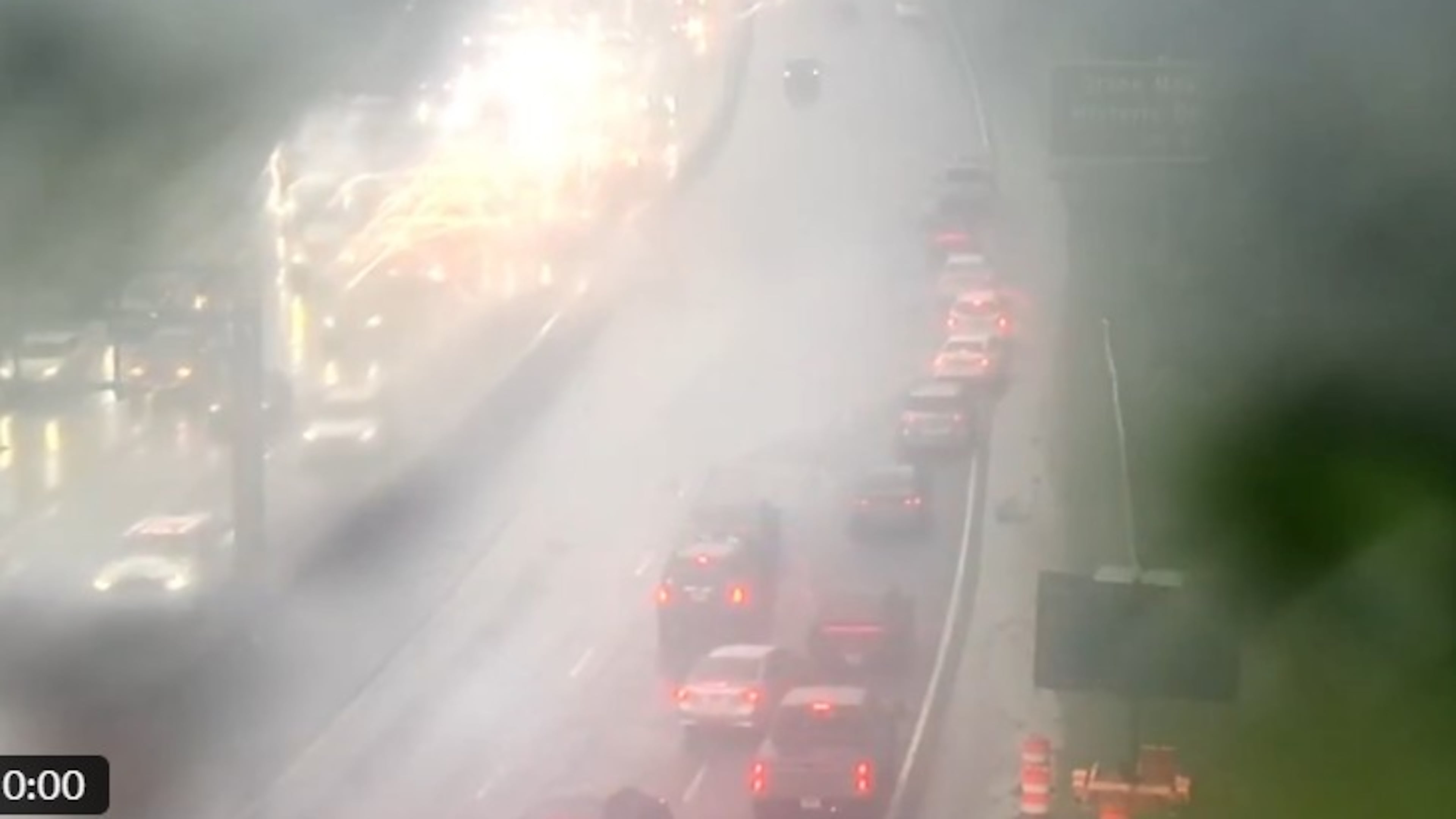


Sudden downpours have prompted flash flood warnings across metro Atlanta, making for a wet evening commute.
A flash flood warning is in effect until 9:30 p.m. for multiple areas, including southeastern Cherokee, northeastern Cobb, northwestern DeKalb, northeastern Fulton and west central Gwinnett counties, according to the National Weather Service.
Thunderstorms are dumping heavy rain around the I-285 and I-85 interchange, the agency said. It added that 1-3 inches of rain has already fallen and up to an inch more is possible in the warning zone.
“Flash flooding is already occurring,” the Weather Service said.
Do not attempt to drive through flooded roads. The agency advises motorists to turn around, noting that most flood fatalities occur in vehicles.
The afternoon rain left standing water on some metro Atlanta highways, slowing Friday traffic at the height of the evening commute.
In DeKalb County, water pooled in the westbound lanes of U.S. 78 near Hugh Howell Road shortly before 5 p.m., forcing drivers onto the right shoulder.
Traffic appeared to be moving on metro Atlanta’s major interstates, Georgia Department of Transportation cameras showed, although the heavy rain coupled with the start of weekend traffic made for a relatively slow ride home.
Much of Georgia, including the city of Atlanta, is under a level 1 of 5 risk for severe thunderstorms Friday through 10 p.m., the Weather Service said.
Those scattered storms could “become strong to severe” and cause damaging wind gusts, small hail and frequent lightning.