E-bikes are exploding in popularity, but they are not toys
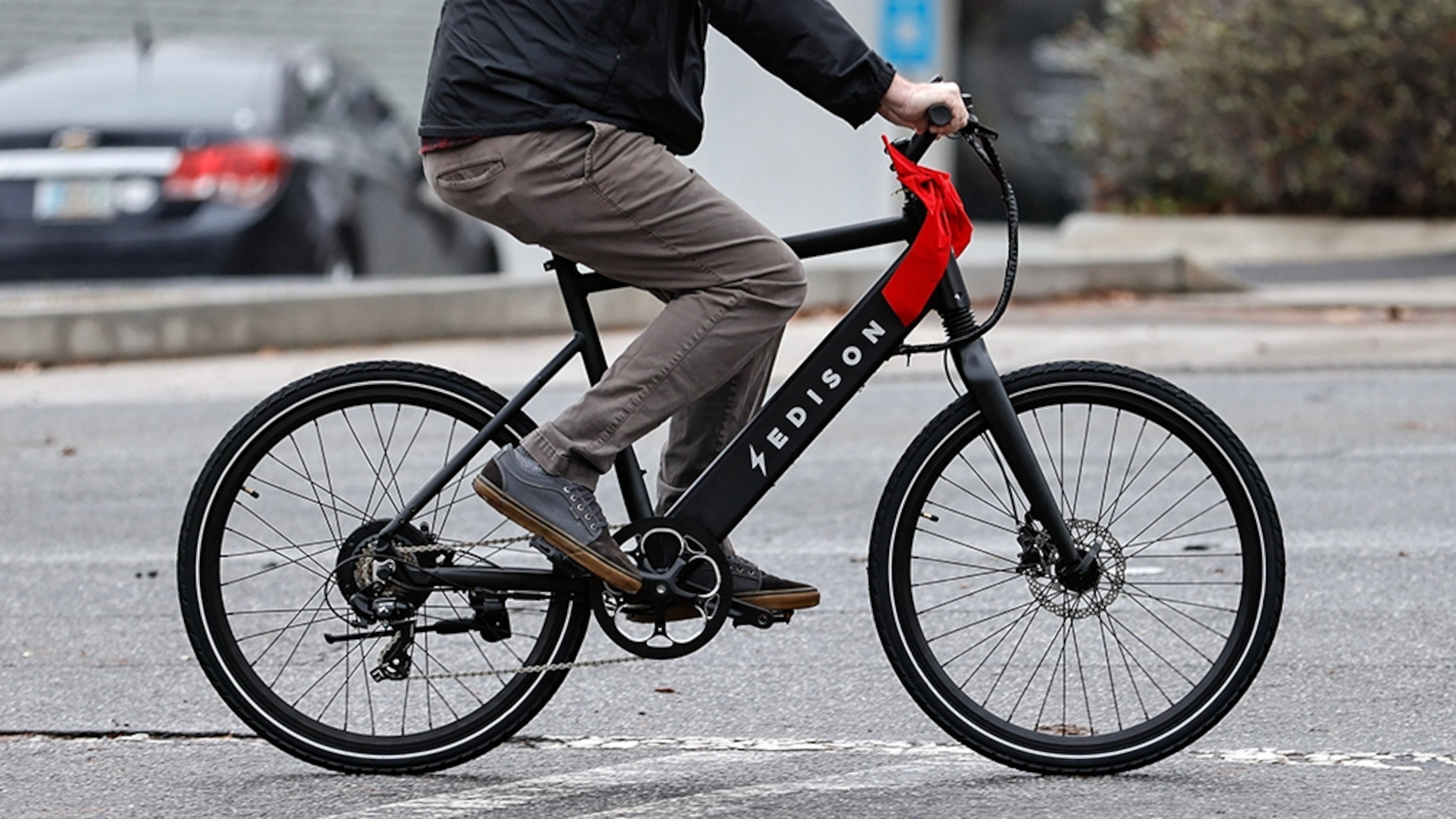

The use of electric-assisted bikes and scooters has exploded into the zeitgeist, the streets and (mostly illegally) the sidewalks.
But these unprotected vehicles can run at automobile speeds, posing a risk of injury that’s greater than for those pedaling nonpowered, slower two-wheelers. Riders, bicycle-makers, drivers, pedestrians and lawmakers need to have their heads on swivels, as some have been too complacent about the dangers.
The National Institutes of Health reported a 90.9% increase in e-bike-related injuries from 2019 to 2022. Over a 10-year study, researchers saw what they called a steady amount of injuries before that spike in 2019, with 10.9% of injuries requiring hospitalization. Most hospitalizations involved fractures (51.2%) and concussions (29%). People college-aged and above were more likely to hurt fingers, while youth up through those in high school were most likely to hit their heads.
The NIH also found 30% of all e-bicycle injuries from 2013-2022 involved motor vehicles.
Use of e-bikes has only grown in the four years since the study. One big tension is that people treat these bikes like they do manual ones.
Drivers and pedestrians can be taken aback by e-cyclists’ rapid acceleration. Some riders gallivant and whoosh past bystanders, weaving in and out and putting surrounding passersby on edge. They do so at the speed of motor scooters, which require driver’s licenses and vehicle identification numbers. But the maneuvers by riders of all ages are treated like child’s play.
Another problem is distraction. If motorists are paying only half attention, they have less time to react to an erratic e-bike wobble or turn. The same goes for pedestrians, who increasingly are glued to phones and engrossed in noise-canceling headphones.
Think of the Atlanta Beltline. The Beltline offers both a glorious and frustrating mix of crowds and alternating speeds — an awkward mixture of wheels and legs.
The Beltline allows only Class 1 or 2 e-bikes and speeds of only up to 15 mph. The popular path has a separate rule not allowing motorized vehicles (such as motor scooters or cars), to which Class 3 e-bikes essentially qualify.
John Devine is the executive director of Go Georgia, a mobile advocacy group. Its Athens-based office focuses heavily on pedestrian and cyclist-safety and Devine noted a few problems he and his team have noticed with e-bikes.
For one, people get confused with classifications. Class 1 e-bikes simply give an electronic pedal-assist. Class 2 is for throttle assistance. And each assist pushes bikes to only 20 mph. Class 3 e-bikes are allowed to go up to 28 mph, which is fast enough to speed in a school zone. This is why Devine recommends that Class 3 riders have a driver’s license, even though Georgia law does not require that.
Devine told me that e-bike and moped marketing is confusing and regulations keeping e-bikes safely classified are cloudy. So, potential riders can end up with a faster and more sophisticated bike than they should. Cycle stores usually have experts to help guide buyers. And they can also assemble these fast bikes, decreasing the change they break or fail and injure people.
A 2023 article on a Tesla fan site also discusses the ability of riders to bypass the limiters in their e-bikes to make them travel up to 75 mph. The author makes a good point: This is more affordable transportation. But the dangerous downside, of course, is that people without licenses, especially children, could potentially do this and put themselves or others in a world of hurt.
Multiple readers of The Atlanta Journal-Constitution and 11Alive viewers have reached out to me with this specific concern. They have seen young teenagers zooming around at car-like speeds in their neighborhoods.
All of this spells the need for clear rules and for lawmakers and law enforcement to catch up with this rapidly changing transportation. E-bikes are great options and, when used properly, help decrease pollution and get more cars off clogged roads. But everyone in the commuting environment needs to treat them with deserved gravity.
And even though Georgia law does not require this, all cyclists and scooterists should wear helmets. Yes, even the tipsy revelers on the Beltline.
Doug Turnbull covers the traffic/transportation beat for WXIA-TV (11Alive). His reports appear on the 11Alive Morning News 6-9 a.m. and on 11Alive.com. Email Doug at dturnbull@11alive.com. Subscribe to the weekly “Gridlock Guy” newsletter for the column here.