June and July are peak times for ‘lightning bugs’ in Georgia
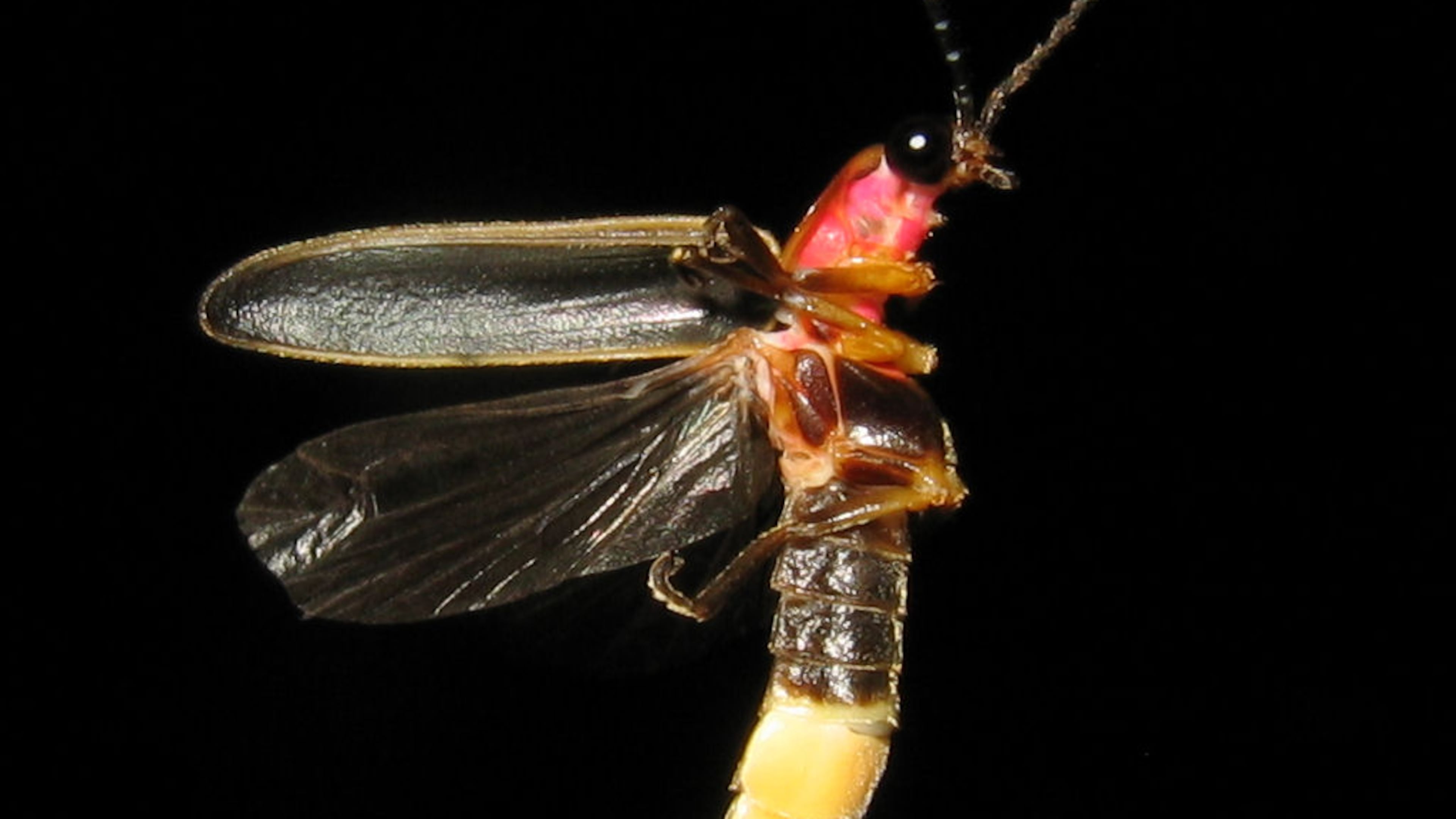
With their tiny, twinkling lights, fireflies are icons of a Georgia summer night. As they flit about in the yard and garden after dark, their constant flashing captures the relaxed, carefree spirit of a summer evening.
For many of us, a cherishedchildhood memory was catching a few “lightning bugs” after sunset and watching their magical blinking in glass jars. The insects’ bioluminescent lights also have inspired artwork, literature, dance, music — and scientific studies.
June and July are prime times for fireflies in Georgia, which is home to about 50 species of the insects — more than in any other state. (Only about 40 of Georgia’s species, though, emit light; the rest fly during the day). Nationwide, there are more than 170 firefly species.
Each light-emitting species has its own unique flash pattern to entice mates. In general, the males flash as they fly about; the females lie still in tall grass or other plants and flash invitations to the males.
Georgia’s most widespread lightning bug is the common eastern firefly (Photinus pyralis), also known as the big dipper. The male emits a distinct, bright yellow flash in a dipping, J-shaped flight pattern.
Other common Georgia fireflies include little gray (Photinus marginellus), Mr. Mac (Photinus macdermotti), and spring four-flasher (Photuris versicolor). The adults feed on nectar and pollen and thus may help with pollination in gardens. Their larvae (glow worms) also may voraciously eat many types of garden pests.
There’s much concern, however, that firefly populations in Georgia and elsewhere (there are about 2,600 species globally) are plummeting. Over the years, I’ve heard numerous Georgia homeowners say they no longer see fireflies — or only very few of them — in their yards and neighborhoods, where there used to be scores of the flickering creatures during June and July.
Dwindling firefly populations actually reflect a serious decline among insects worldwide. Primary threats include habitat loss, outdoor lighting, exposure to pesticides, poor water quality and climate change.
Up to a third of North American firefly species may be facing an increased risk of extinction, according to Richard Joyce of the Xerces Society, which is dedicated to the conservation of beneficial insects such as pollinators and pest predators. Joyce was citing a 2021 study by a group of firefly specialists to assess the conservation status of firefly species in the United States and Canada.
Fireflies’ life cycle may make them especially sensitive to environmental conditions. Females lay up to 500 tiny eggs in moist soil, leaf litter or moss. The larvae that hatch from the eggs spend 1-2 years ravenously eating during warm months and hibernating during winter in soil or under tree bark. After the larvae pupate, adult fireflies with wings and flashing lights emerge to attract mates. Shortly after mating, they die.
There’s some good news, though. More and more attention is being devoted to the protection and conservation of fireflies. The Xerces Society’s Firefly Atlas project (fireflyatlas.org), launched in 2022, is a community science initiative in collaboration with several partners, including the Georgia Department of Natural Resources.
The project empowers volunteers to track firefly populations, habitat conditions and threats to the insects. As part of the project, volunteers recently conducted a night-time firefly survey at the Georgia Wildlife Federation’s 88-acre Mill Creek Nature Center in Gwinnett County.
The results were heartening: The survey team surprisingly documented an abundance of three firefly species, including the rare, beautiful blue ghost firefly, which flies low to the ground in a slow, wandering, bobbing manner.
“I think we had no idea we would see so many (fireflies) and also the different species,” said volunteer Suzy Hope Downing. “Seeing all the bright flashes was magical.”
IN THE SKY: From David Dundee, retired Tellus Science Museum astronomer. The moon will be last quarter on Monday and new on June 14. Over the next two weeks, Mercury, Venus and Jupiter are in the west at sunset. Jupiter and Venus will appear close together on Monday night. Jupiter and Mercury will appear near the moon on June 15. Mars is low in the east just before sunrise. Saturn rises in the east a few hours after midnight.
Charles Seabrook can be reached at charles.seabrook@yahoo.com.