Iranian woman among migrants deported from the US to the Central African Republic
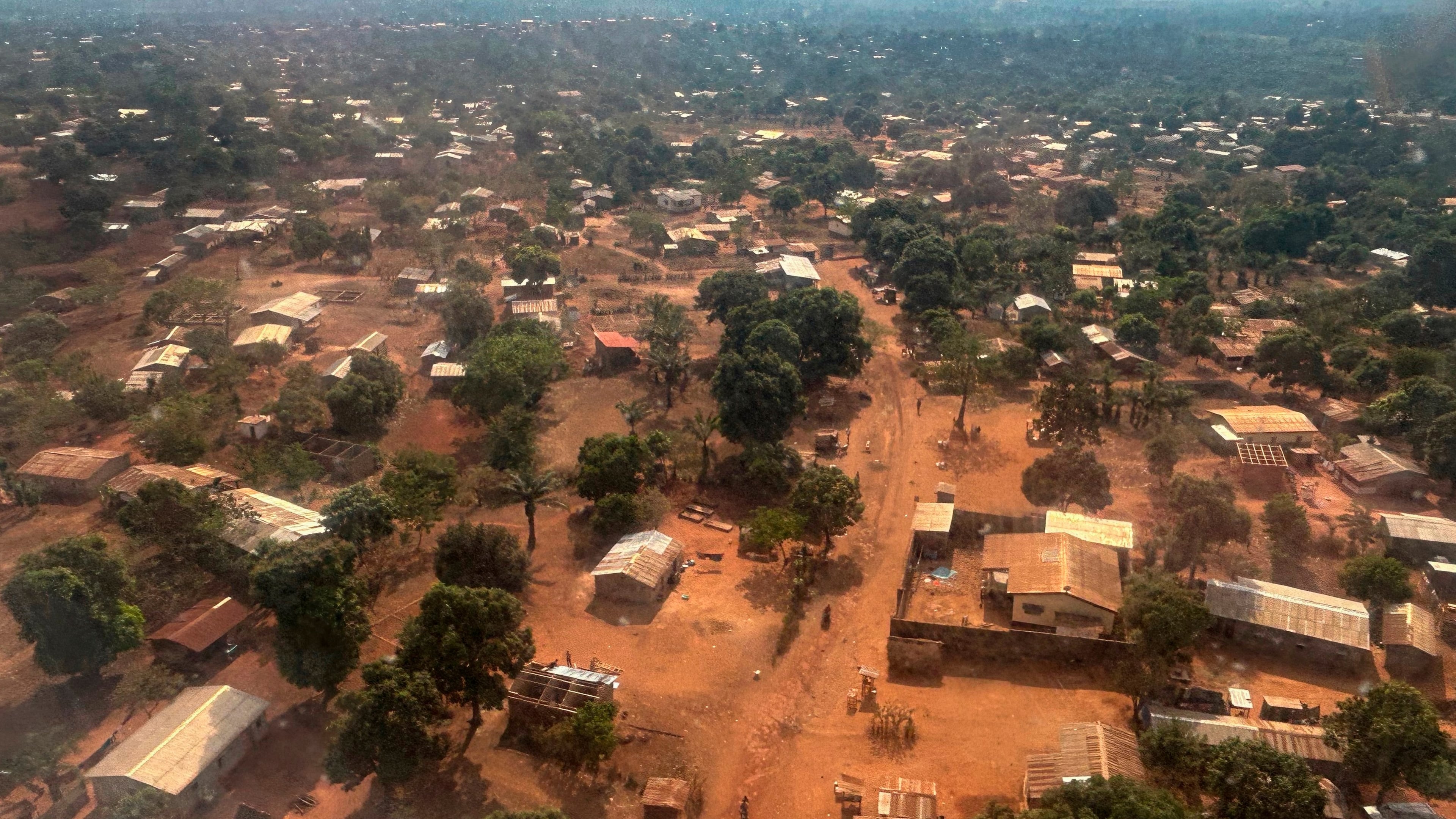
BANGUI, Central African Republic (AP) — An Iranian woman is among around two dozen migrants set to arrive Friday in the Central African Republic on a deportation flight from the United States, lawyers said, in the latest example of the Trump administration’s widely criticized deals with African and Latin American nations to take third-country deportees.
The Central African Republic, a deeply impoverished country plagued by conflict, is one of at least nine African nations with this type of agreement.
Under a series of often-secret agreements that are part of a broad U.S. crackdown on immigration, the Trump administration has deported thousands of people to nearly two dozen countries that are not their own, advocates say.
The Trump administration uses deportations to third countries as a legal loophole to indirectly force asylum seekers back to their home countries, immigration lawyers said.
It was unclear exactly how many migrants were on the deportation flight that left Louisiana late Thursday on the way to the Central African Republic's capital, Bangui.
Among those set to be deported Thursday were people from Iran, Jordan, Armenia, Turkey, Georgia and Afghanistan, according to Ali Rahnama, interim executive director of the Iranian American Legal Defense Fund, who has been in touch with some of the migrants.
Three Iranian women in the U.S. were originally scheduled to be sent to the Central African Republic, according to Sahar Jalili Pawelski, one of their immigration lawyers, who said two of them received emergency court orders temporarily stopping their deportation while judges reviewed whether the government was acting legally.
All had been granted court protection against deportation to Iran after judges ruled they faced credible fears of persecution on the basis of politics or religion, Rahnama said.
“Despite being granted withholding of removal, these individuals are being removed from the United States and abandoned in a country where they have no status, no connection and no support network. We fear they will ultimately be forced to return to the countries they originally fled,” Emily Trostle, an attorney representing two of the women, said Friday.
The U.S. Department of Homeland Security on Thursday would not comment on the case, saying it would not confirm future removal operations for security reasons. U.S. Immigration and Customs Enforcement did not immediately respond to requests for comment.
The Central African Republic has been plagued by years of conflict between pro-government forces and armed groups and is one of the poorest countries in the world. Despite vast reserves of gold, one in three people live on less than $2 a day.
It also is one of the countries where Wagner, a Russian mercenary group, was first active in Africa. The group has been responsible for President Faustin-Archange Touadéra’s security and fighting rebel groups.
The country remains one of Russia’s closest allies in Africa, despite recent tensions between Touadéra and Moscow over Russia’s push to replace Wagner with the state-controlled Africa Corps.
Rahnama of the Iranian American Legal Defense Fund expressed concerns about an Iranian asylum seeker being sent to the Central African Republic, noting Russia’s influence in the country and Moscow’s close security ties with Iran.
The International Organization for Migration, a U.N.-affiliated agency, will “provide post-arrival humanitarian assistance” to the migrants at the request of the Central African authorities, a spokesperson said.
The U.S. earlier this year awarded $85 million to the IOM for operations in the Central African Republic to provide "assistance to migrants” and promote “community stabilization.”
___
Banchereau reported from Dakar, Senegal. Associated Press writers Rebecca Santana in Washington and Akram Oubachir in Casablanca, Morocco contributed to this report.