Brookhaven raises tax rate by 40% despite some residents’ opposition
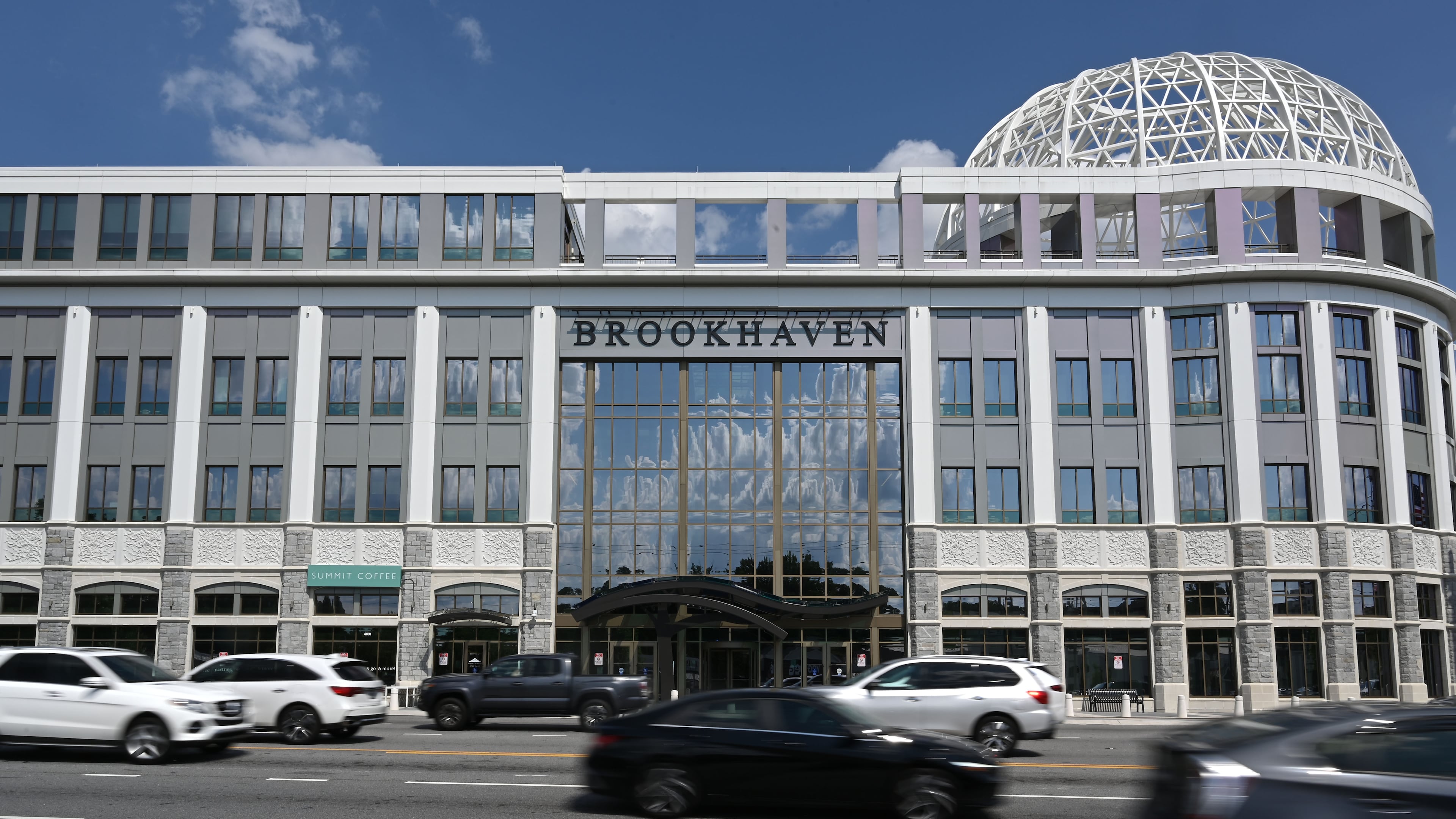
The Brookhaven City Council unanimously approved a 40% hike in the city’s property tax rate earlier this week over loud opposition from some residents.
The council raised the city’s maintenance and operations millage rate from 2.74 mills to 3.85 mills. A tax rate of 1 mill represents a tax liability of $1 per $1,000 of assessed property value.
With Brookhaven’s increase, the owner of a homesteaded property with a fair market value of $800,000 will pay an extra $355 per year, according to City Manager Christian Sigman.
Terrell Carstens, a 25-year resident of Brookhaven, said she is frustrated the city made little effort to find places to cut costs instead of raising the rate.
She suggested, for instance, that the city could save money by removing or reducing the monthly $1,200 housing allowance for sworn police officers who live in Brookhaven, or the $1,000 allowance for other city employees. Fifty-three employees qualify for the allowance.
Carstens said Brookhaven officials keep saying the increase will only amount to “pennies per day, $1 per week” on residents’ tax bills.
“Well, back at you: You can’t find pennies per day or $1 per week to balance your budget?” Carstens said in an interview Friday.
The council in November adopted a $42.7 million general fund budget for fiscal year 2026, with a proposed rate of 3.540 mills. The city later said an additional tax rate increase was needed to cover its revenue projection shortfall, and because of uncertainty created by an increased level of commercial property valuation appeals.
The Nov. 3 election ballot will include a referendum on whether to increase the exemption for low-income seniors from $160,000 to $200,000.
City officials acknowledged that a 40% millage rate increase is significant, but added that city property taxes only make up 7% of homeowners’ overall property tax bill. They said the increase was needed mainly because of the city’s “generous” assessment freeze on homesteaded properties.
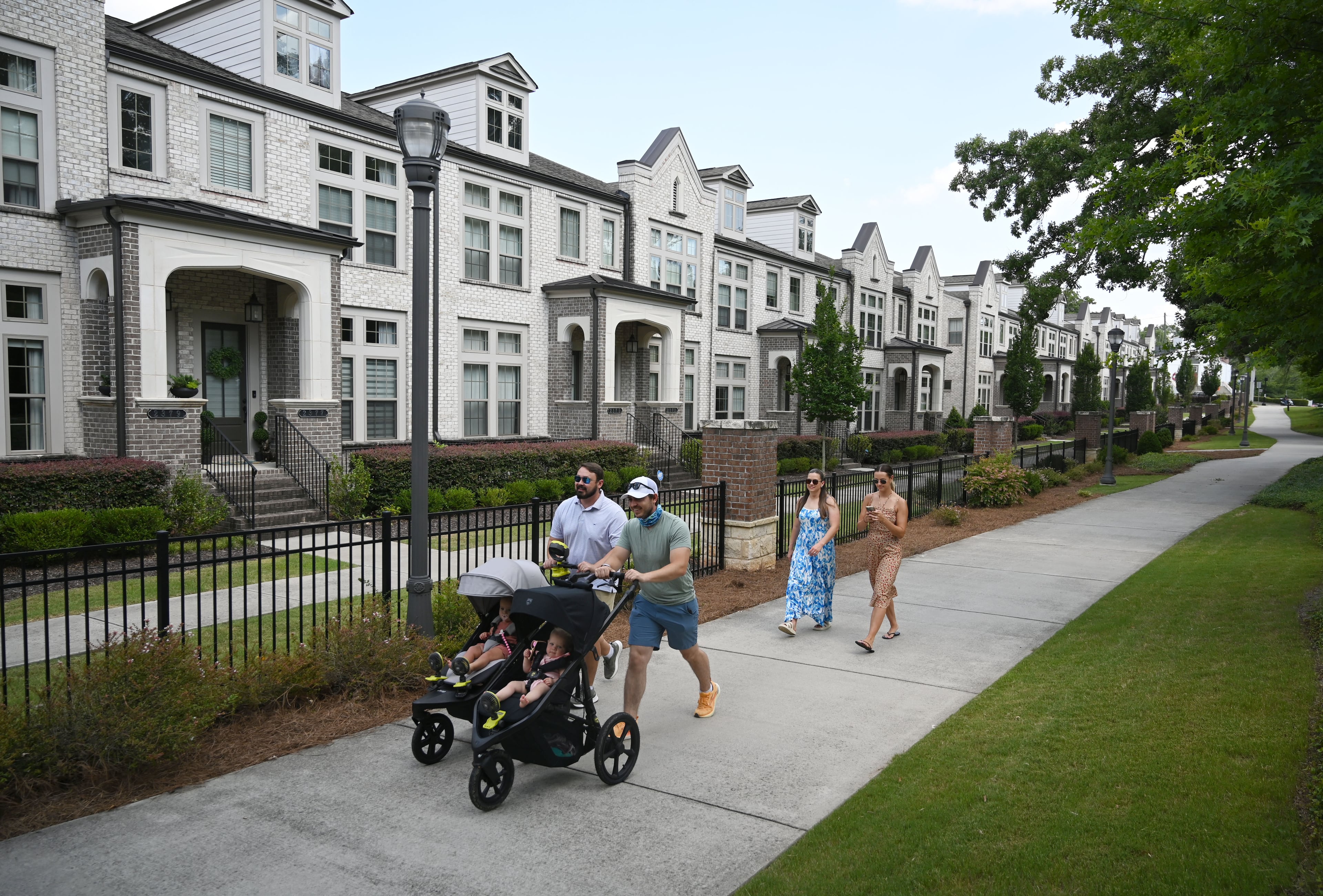
Homesteaded property owners are taxed on an assessed value that is frozen based on DeKalb’s valuation at the time of purchase. The valuation can only go up again when the home is sold.
Because of the freeze, $3.1 billion in 2025 residential property value is not subject to Brookhaven taxation, meaning an average of about $280,816 in market value is exempt from taxation for each homesteaded property in the city, according to Sigman.
Sigman and Mayor John Park said the freeze significantly limits the city’s ability to increase revenue without raising the millage rate.
“We provide great services. Those cost money,” Sigman told The Atlanta Journal-Constitution on Friday. “We could have cut ourselves to the bottom, just keep laying off an officer or two every year so we can keep the freeze in place. And then in 20 years we’d have one officer left and still say: ‘We got a freeze; we can’t afford anything else because we can’t raise taxes.’”
Ronnie Mayer, 70, has lived in what is now Brookhaven since age 11. Mayer said he spoke against the millage rate increase at each of the public hearings.
Mayer, who called the city “Brokehaven,” took issue with the claim that police officers could lose their jobs if the millage rate stayed put. He said there are plenty of other places to cut costs.
“The City Hall is 35 to 40 people too fat,” Mayer, a self-described Republican, told the AJC on Friday.
Before Tuesday, the city had not raised its maintenance and operations millage rate since Brookhaven was incorporated in 2012, but the council voted in November to remove its millage rate cap of 3.35 mills.
“It couldn’t operate the budget with the price that’s fixed like that,” Sigman told the AJC, referring to the cap. “It was intellectually bankrupt 15 years ago to put that in the charter in the first place, but out of political expediency, I can see why they did.
“I wasn’t here when that happened, but if you were a businessman and you went to a bank and said, ‘Hey, I need a loan to run a business but I’m never going to raise my prices, ever,’ I mean, that’s not a business model.”
Mayor Park said it’s “part of our DNA” to constantly improve city services.
“We’re just going to maintain great operations and be as efficient as possible and provide the most value with taxpayer dollars,” he said.