When your check engine light goes on, here’s your smartest move
It’s the moment every car owner dreads, especially those of us who own older, out-of-warranty cars: The check engine light pops on.
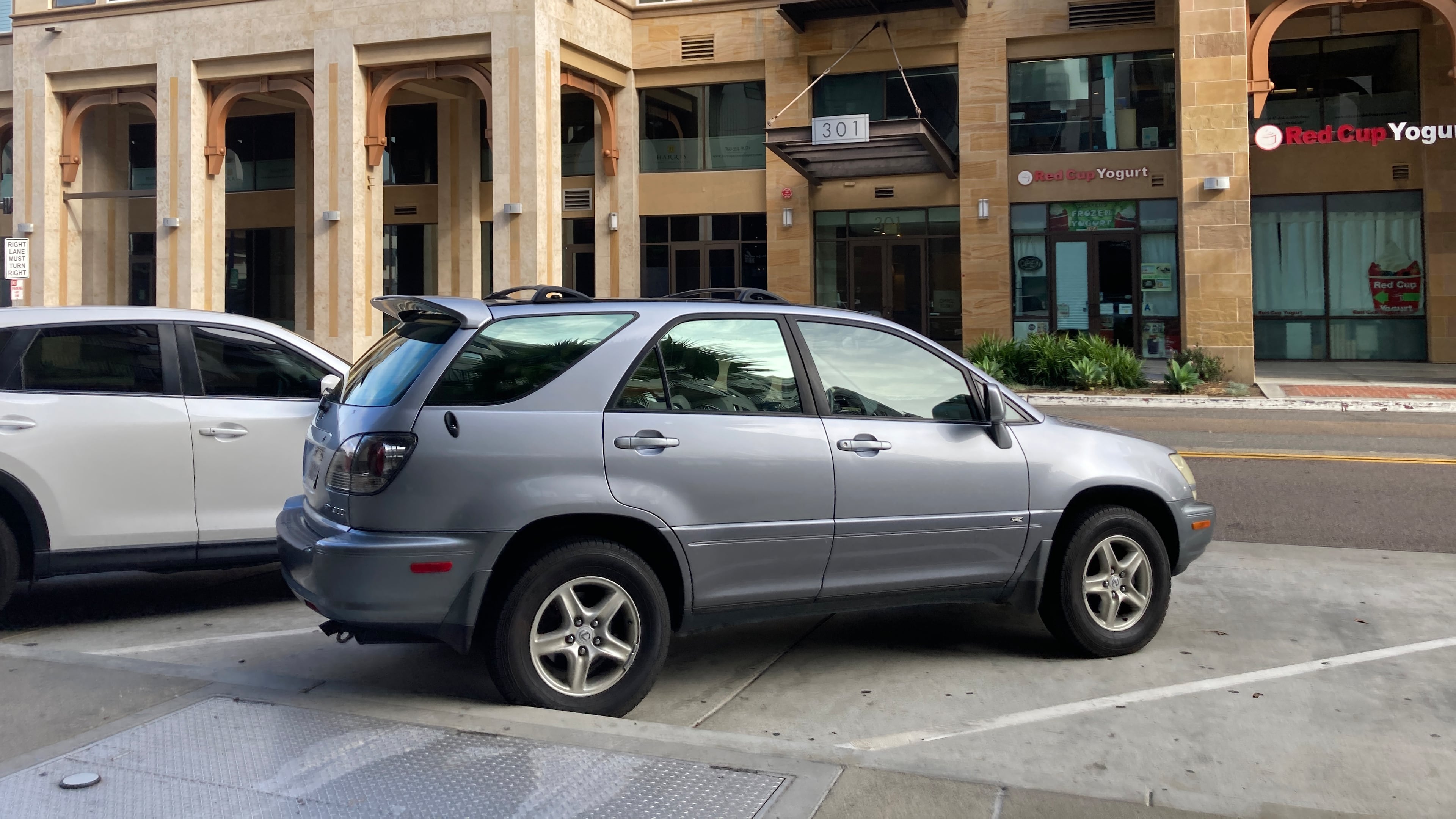
Keep a vehicle long enough, and it’s bound to happen. It happened to me recently in my 2002 Lexus RX 300. While the SUV is now nearly a quarter-century old, it has barely 100,000 miles on the odometer.

I don’t drive it much, as I’m usually testing new vehicles, and in the 14 years I’ve owned the car, it’s been trouble-free.
But there I was, staring at a familiar dashboard beset with unfamiliar lights. In addition to the amber engine icon that signals “check engine,” two bonus warning lights illuminated for good measure, pertaining to the vehicle stability control and traction control systems.
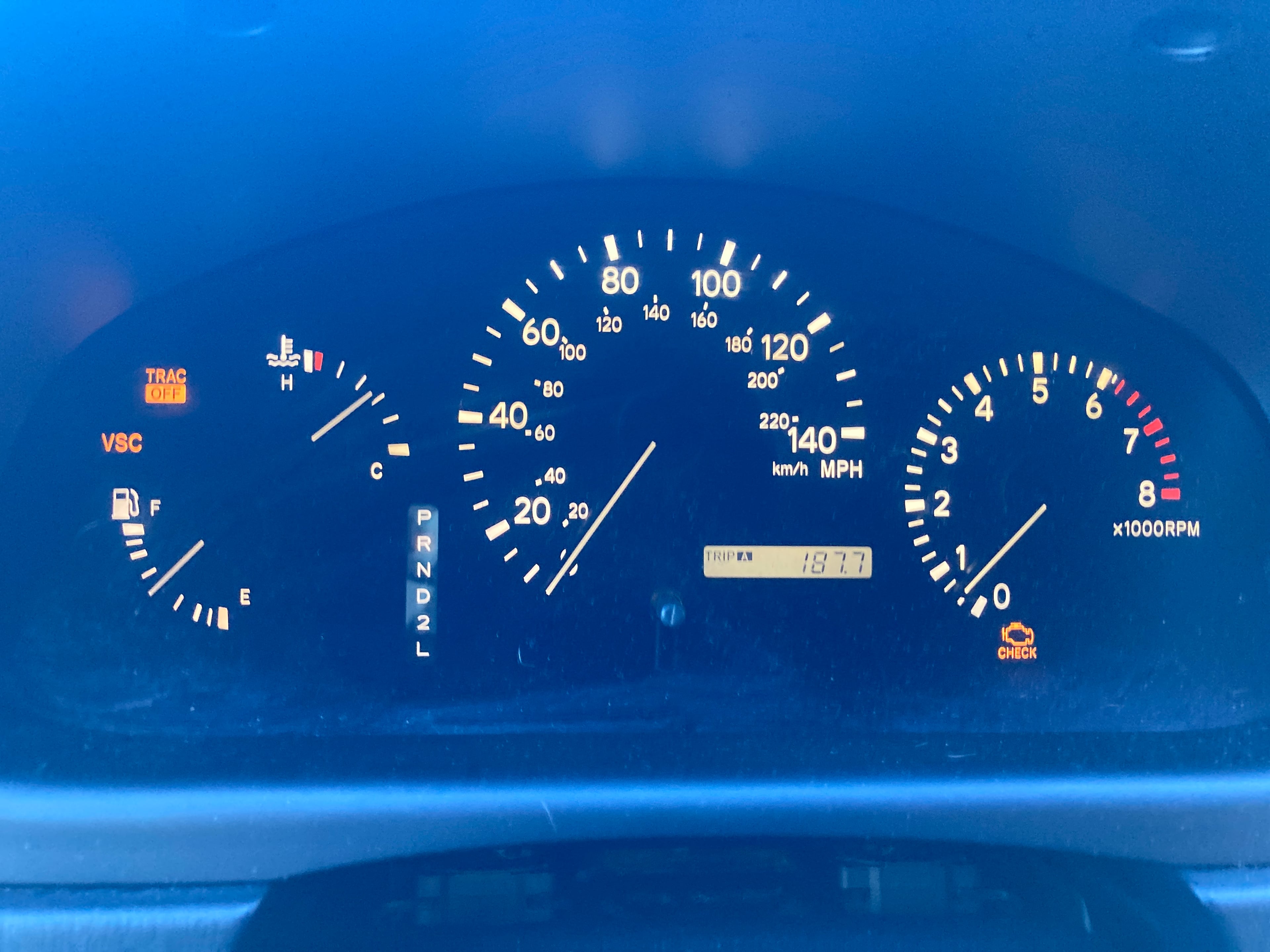
As luck would have it, I was 70 miles from home when my heretofore perfect Lexus decided to become imperfect.
Then came the dreaded thoughts: “What if I can’t make it home?” And even worse: “Darn. Is this finally the end? Will I have to shell out for a new car?”
Stay calm and check the code
When a check engine light illuminates, it’s easy to fear the worst. This is true even for a guy whose job is reviewing cars for a living and dispensing advice about them.
After the initial surprise faded, I put my rational hat on. The check engine light wasn’t blinking, which meant it wasn’t imperative to stop driving the car and get it towed. (If it’s flashing, that’s different — you should pull over and get help.)
While the engine wasn’t running as buttery smooth as usual, the vehicle was still working fine. So I turned around and drove home without further incident.
Part of the frustration of a check engine light is that it’s just so vague. It can signal anything from a looming powertrain failure to something as benign as a loose gas cap. The light will simply come on in either of these situations or countless others.
Like a puppy or toddler fussing, how do you know what it’s trying to say? You need to speak its language. And for that, you need to check the fault code with a device made for deciphering such things.
Since 1996, all cars in the U.S. have come with the On-Board Diagnostic II system, often called OBD-II for short. It allows a handheld device called an OBD scanner to connect to a port in the car, and the device then communicates with the car’s computer to scan for issues. If there is one, the device will spit out fault codes, which in turn can be deciphered to understand what the actual problem is.
You can buy an OBD scanner for less than $50, but unless you have a fleet of troublesome vehicles, you really don’t need to. Just head to your local auto parts store, where they will often let you use theirs or scan it for you if you ask. The idea is that you’ll then buy whatever parts are needed to fix the issue.
A two-minute fix
After getting home, I took my car to the nearest AutoZone for a scan. The guy working in the store handed me a code reader and cheerfully said, “Hopefully it’s just a gas cap.”
I turned on the car, hooked up the reader to the OBD-II port (usually found under the dash, on the left side and sometimes covered by a panel), and the reader quickly found the trouble code. I took the device back into the store, where the worker then hooked up the device to a computer for more detail.
“Mass air flow sensor,” he said casually, adding that swapping out the part is among the easiest fixes in the world — simply remove two screws and a clip. They had the part on hand, and it cost less than $100.
That night I watched videos on how to replace a mass air flow sensor. It looked easy, even for a dude whose expertise is reviewing cars rather than wrenching on them. And the AutoZone guy was right: I did the job in about two minutes.
To make sure the code would clear, I disconnected and reconnected the negative terminal on the battery, turned the car back on and voila: No more check engine light or other warning lights.
When $100 is better than $50,000
That afternoon I sat self-satisfied, feeling empowered that I, with very little mechanical experience, fixed my car. Admittedly, it was an easy fix. But it was a fix nonetheless.
Moreover, I was thankful I didn’t succumb to the temptation to get rid of a perfectly functional — and perfectly paid-off — vehicle.
When troubles like this happen, it’s easy to look at your old and tired ride and say, “To heck with it! I’m getting a new car.” Don’t get me wrong: New cars are great. They’re safer, more sophisticated and better equipped than ever. But they’re also pricier than ever.
The average price of a new car recently hit a record high of over $50,000, according to Kelley Blue Book. That’s a lot of money, especially for a guy who disdains debt and needs a new kitchen far more than a new car.
By doing some legwork to diagnose the issue — and thankfully only having to do light wrenching to remedy it — I’m able to keep my car rolling. I was never good at math, but in this case, I believe a $100 tab is better than $50,000.
Matt Degen is a senior editor with Kelley Blue Book and Autotrader. He’s driven and reviewed practically every car model made in the past 15 years, all with the goal of helping shoppers find the right one for them.
The Steering Column is a weekly consumer auto column from Cox Automotive. Cox Automotive and The Atlanta Journal-Constitution are owned by parent company, Atlanta-based Cox Enterprises.