New York-style Italian food is having an Atlanta moment
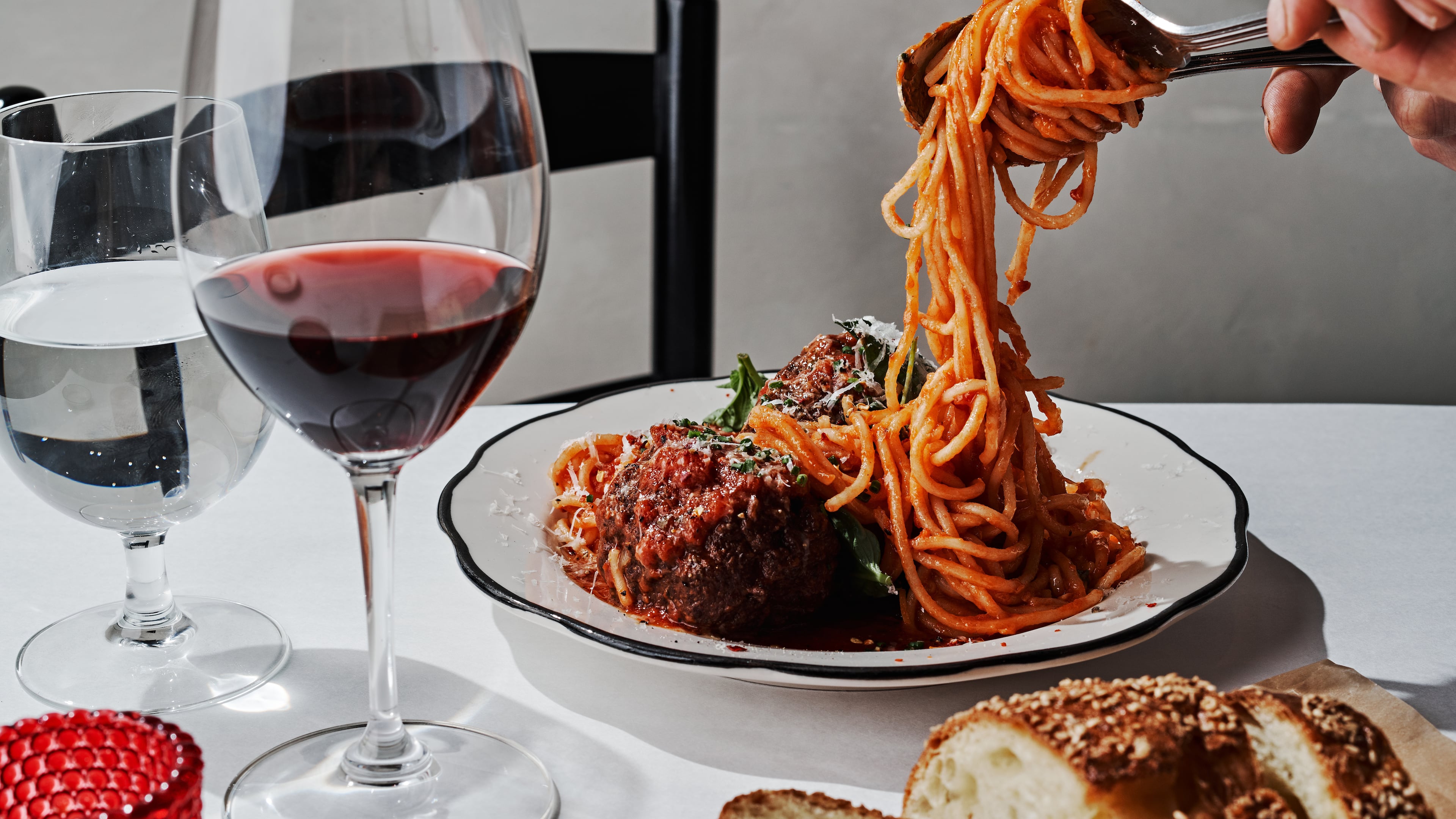
Chicken parm the size of your head. Spaghetti drowning in Sunday sauce. Garlic bread, red-checkered nostalgia and enough mozzarella to make a New Yorker feel right at home.
Atlanta has plenty of Italian restaurants, but a growing number are serving something different from the handmade pastas and modern Italian cooking that have defined much of the city’s dining scene. They’re bringing back the big portions, familiar dishes and unapologetic comfort of New York- and New Jersey-style Italian American food.
And for Northeastern transplants missing a taste of home, that’s a very good thing. “Red sauce” Italian has a culture entirely its own. Here’s what defines it, and where to find it around metro Atlanta.
What is red sauce Italian food?
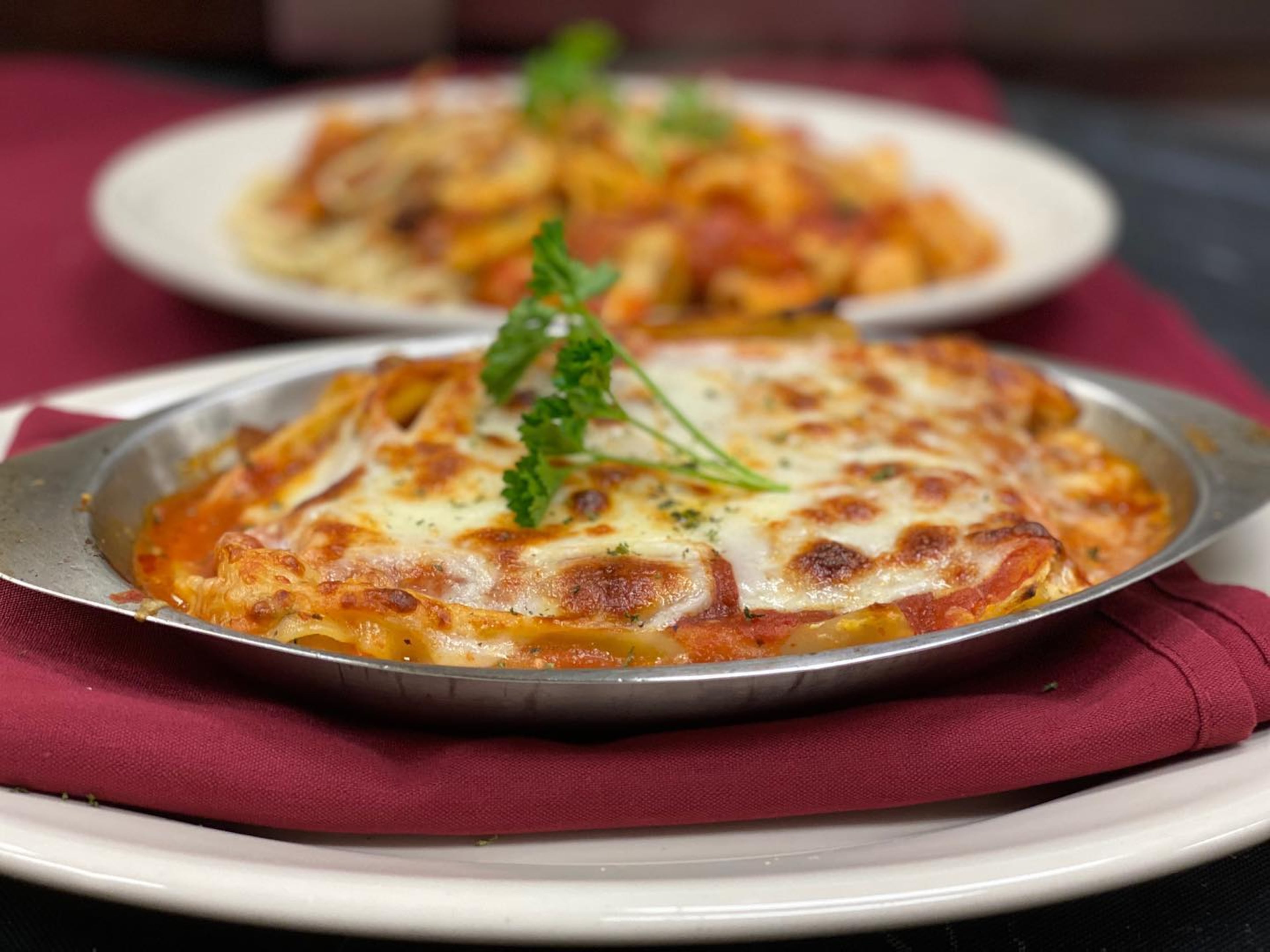
To put it plainly, it’s the hearty, hugely portioned “traditional” dishes you’ll ironically have a hard time finding in Italy: the parmigianas, the Franceses, the piccatas, the marsalas atop a bed of pasta. It’s the “gabagool” everyone expects, but no one can identify. The “galamad” universally understood to be fried calamari. The stuffed, layered and baked pasta dishes filled with ricotta and mozzarella are confidently and insistently mispronounced “rih-GUT” and “moot-zah-DELL.”
Menus that lead with this format tend to spotlight various different tomato-based “red sauces,” most often from Southern Italy (e.g., marinara, pomodoro, Bolognese, vodka, fra diavolo, etc.) American Italian also commonly introduces heavy cream to sauces like pesto and Roman Alfredo and carbonara.
What ties the cuisine together is that they’re hearty in a home-cooked way that intentionally eschews new recipe development, and “not frou-frou in style,” explains former Brooklynite Maria Fundora, current owner of Casa Nuova Italian Restaurant and Cork & Glass in Alpharetta and co-founder of Atlanta’s original New York-style Italian spot, Alfredo’s, which closed in 2016 after 41 years in business.
Executive chef for Decatur’s No. 246, Drew Belline, agrees. “We don’t ‘over-chef’ things; we don’t use things like microgreens and aren’t worrying about the trendiest techniques.”
Instead, the focus is on high-quality nostalgia, with menus that remain reassuringly comfortable, familiar and constant in a chaotic era of change.
Where to find New York- and New Jersey-style Italian food in Atlanta
Fortunately for transplants feeling homesick for the Italian of the Northeast, there are new openings and hidden gems from Alpharetta to Marietta down to Decatur and towns in between. Here are some of the top spots for authentic American Italian and the dishes that will fill that missing piece in your heart.
Casa Nuova Italian Restaurant
5670 Atlanta Hwy A1, Alpharetta. 770-475-9100, casanuovarestaurant.com
From plastic-covered tablecloths, carpeted floors and traditional artwork hung as you’d find in someone’s living room to free parking in a large lot of a suburban strip mall, Northeastern transplants will find themselves transported to the vibe of the family-owned restaurants once found in New York City’s Little Italy and quintessential to Long Island, New York. Even better for longtime Atlantans who miss Alfredo’s, as Casa Nuova is owned and operated by its founding family, the Fundoras.
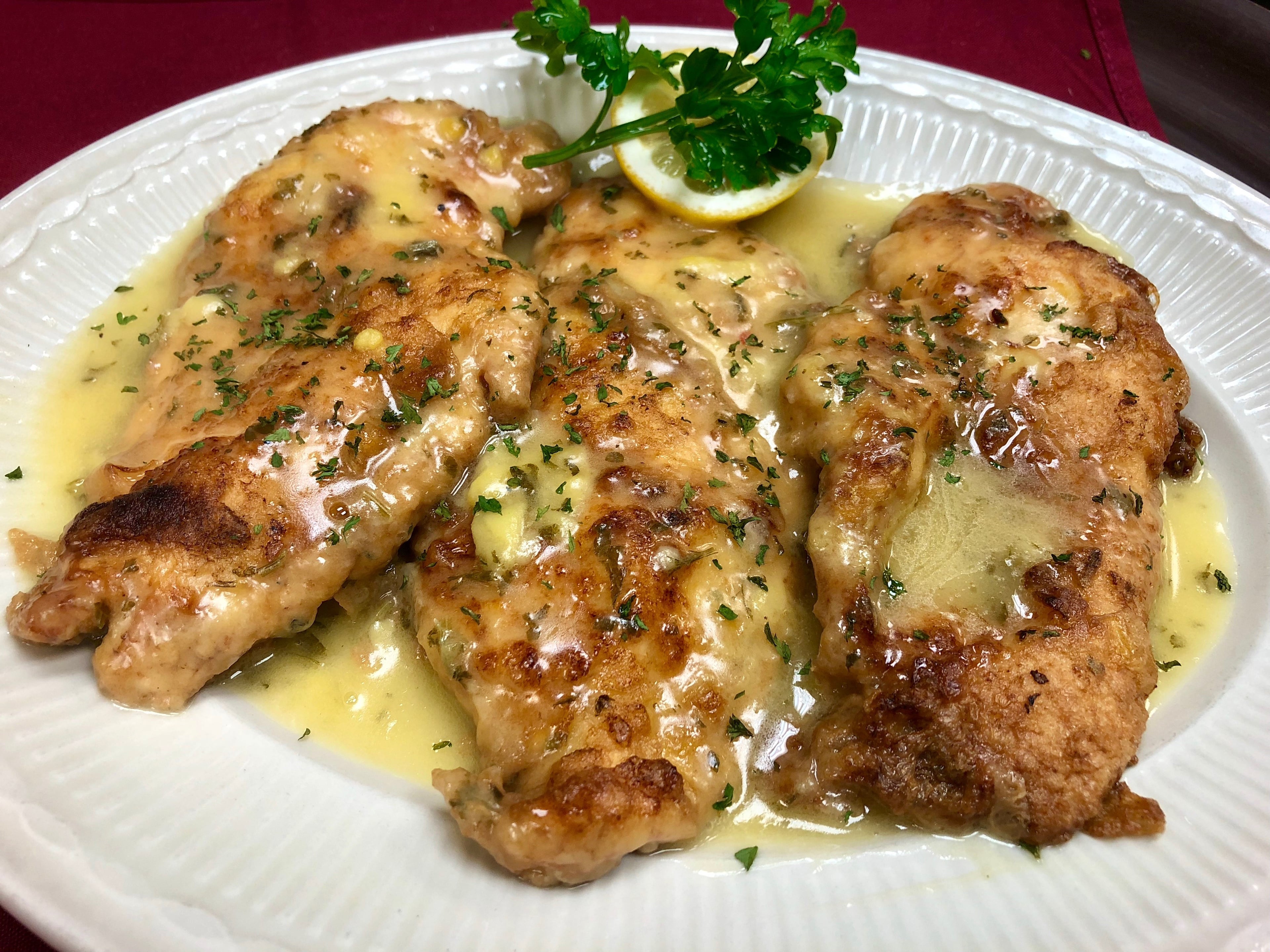
What to Order at Casa Nuova: One of the only chicken scarpariellos available in the metro area, generously portioned on a plate overflowing with tender chicken, sausage, potatoes and more. Channel Tony Soprano with steak pizzaiola in plum tomato sauce with mushrooms, or bring back memories of street fair fare with house-made sausage and peppers, all served with spaghetti and garlic bread.
Rosso
931 Monroe Dr. NE, Atlanta. 404-876-1000, rossoatl.com
Chef Pat Pascarella made a name for himself with regional Italian cuisine (The White Bull, Grana) and turned heads when he introduced the Northeastern luxury of fresh house-pulled mozzarella to Atlanta with now-closed Bastone. Now, he’s circling back to where his journey began, with an informal restaurant that spotlights the big flavors and attitude of his Connecticut-based American Italian upbringing — so much so that its tagline is “The Red Sauce Joint.”
What to Order at Rosso: Ziti with Sunday Sauce on (you guessed it) Sundays. This throwback to Tri-State Area lingo is house-made like all of the other pastas and loaded with meat that includes sausage, meatballs and pork. Any day is good for Northeastern favorites like eggplant rollatini and the American indulgence that is a giant mozzarella stick or an oversized meatball.
No. 246
129 E. Ponce de Leon Ave., Decatur. 678-399-8246, no246.com
The pizza is not New York City-style (it’s wood-fired Neapolitan), but the tightly tucked tables — papered over white cloth for the inevitable sauce stains — and firmly American Italian menu certainly are. This former California-style Italian restaurant made a pivot to the East Coast in 2021 after having a lemony, garlicky chicken scallopini as a special and facing hate mail when it was removed. Chef Drew Belline hasn’t looked back from its red sauce switch since.
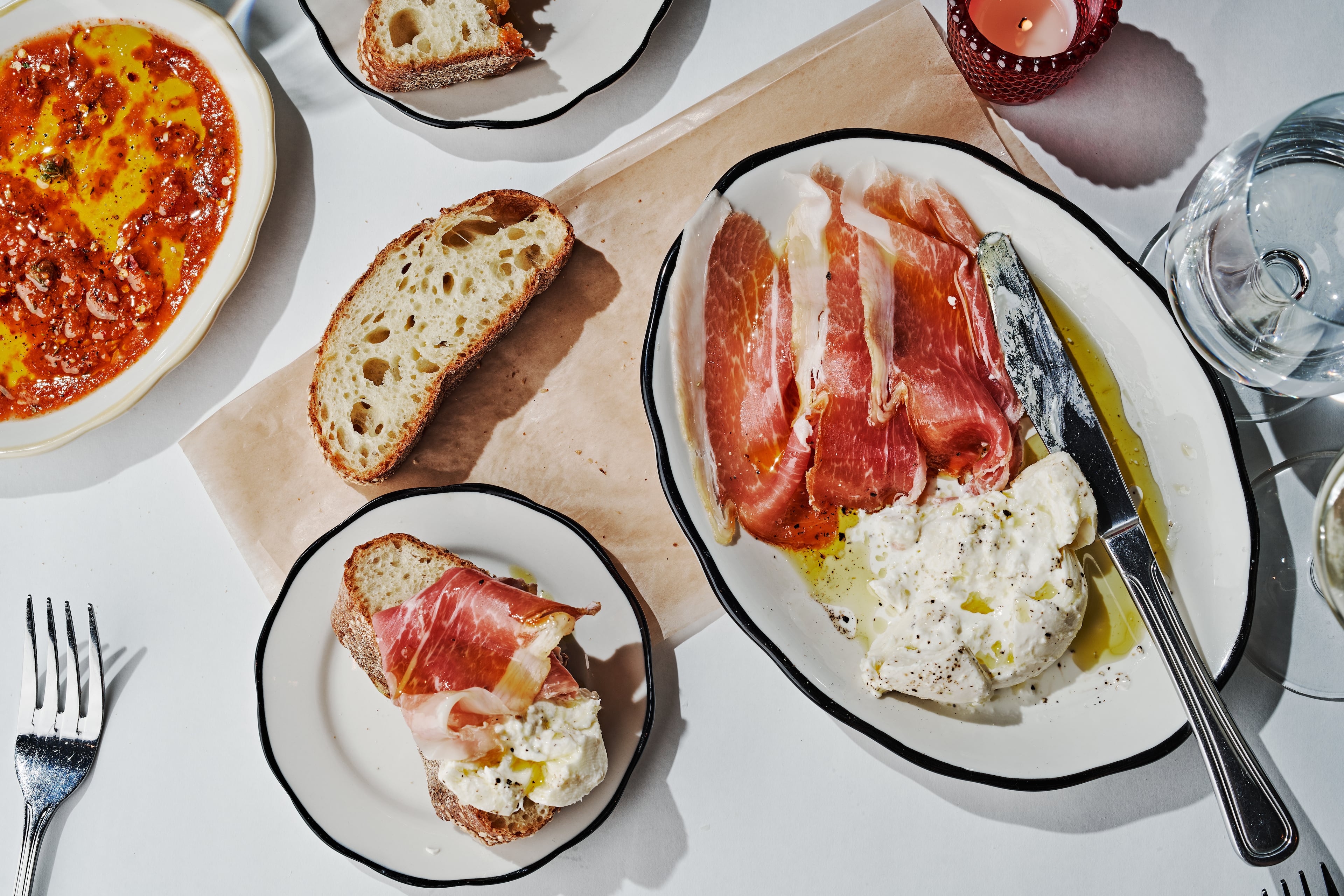
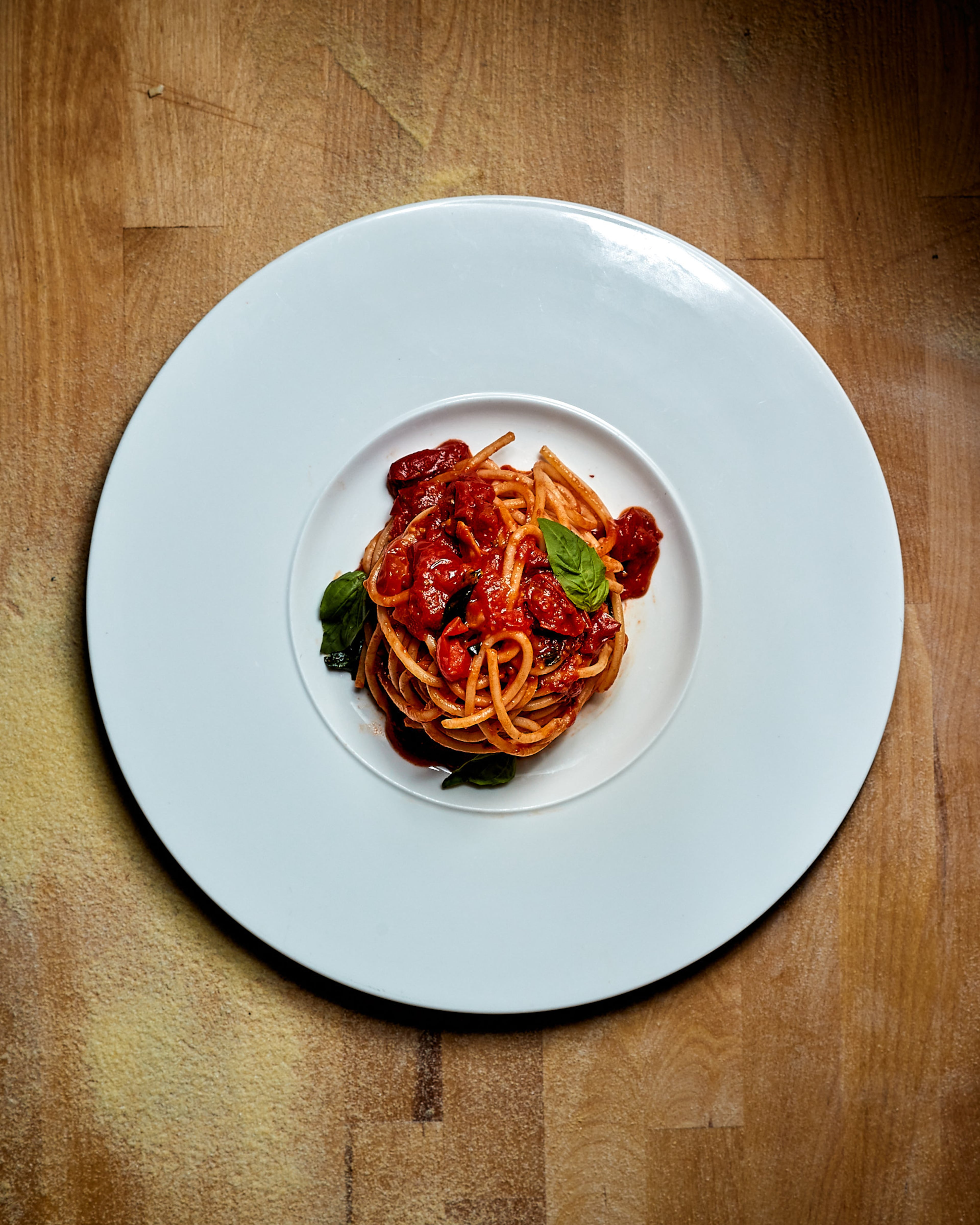
What to Order at No. 246: The mushroom-packed chicken Marsala or the piccata-Francese mashup that is the chicken scallopini limone. Both are big on flavor and butter, so break it up with one of their many wines by the glass and a simply dressed arugula salad. Always add the side of pasta — it’s house-made and fresh, part of what makes the craveable spaghetti with meatballs pure comfort.
Pricci
500 Pharr Rd. NE, Atlanta. 404-237-2941, pricciatlanta.com
It doesn’t get more classic Art Deco New York City glamorous than this Buckhead mainstay that’s been in operation since 1991. High gloss and mirrored surfaces and a live musician or few playing classic jazz and piano standards (at a remarkably ambient volume) well reflect the nostalgia of the time as the menu showcases the chef Piero Premoli’s multifaceted perspective of residency in Italy, New York City and Atlanta.
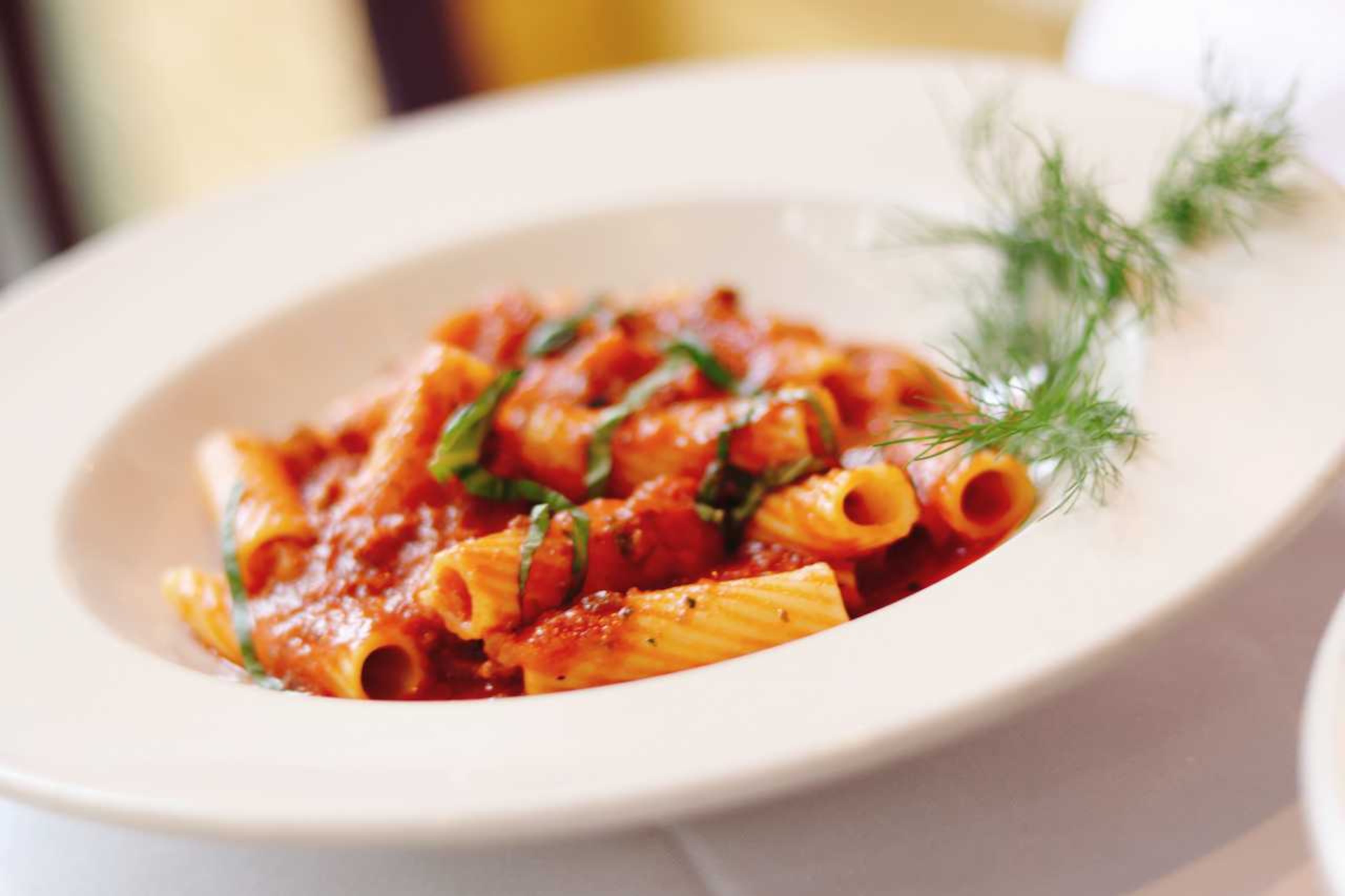
What to Order at Pricci: A cioppino that divided a household (more on that later), the bone-in veal chop parm, and thin spaghetti with veal ricotta meatballs. Sliced-to-order Prosciutto di Parma is prized from The Boot to The Boroughs, but order it authentically by pronouncing the “o.” A notably hard-to-find dish from abroad is the Mezze Maniche Norma, a pasta, tomato, eggplant and ricotta salata dish that comes from Sicily, where many Northeastern Italians immigrated from.
Amore e Amore
467 N Highland Ave. NE, Atlanta. 404-600-2176, amoreeamore.com
This decoration-bedecked neighborhood favorite is perhaps better known for its over-the-top, campy holiday spirit (any holiday!) than for its culinary identity, but one glance at its menu makes it unmistakable. The hyper-festive convivial ambiance makes it a funky family favorite and an all-ages way to experience the lively, napkin-waving culture of the American Italian celebration restaurants of the Northeast.
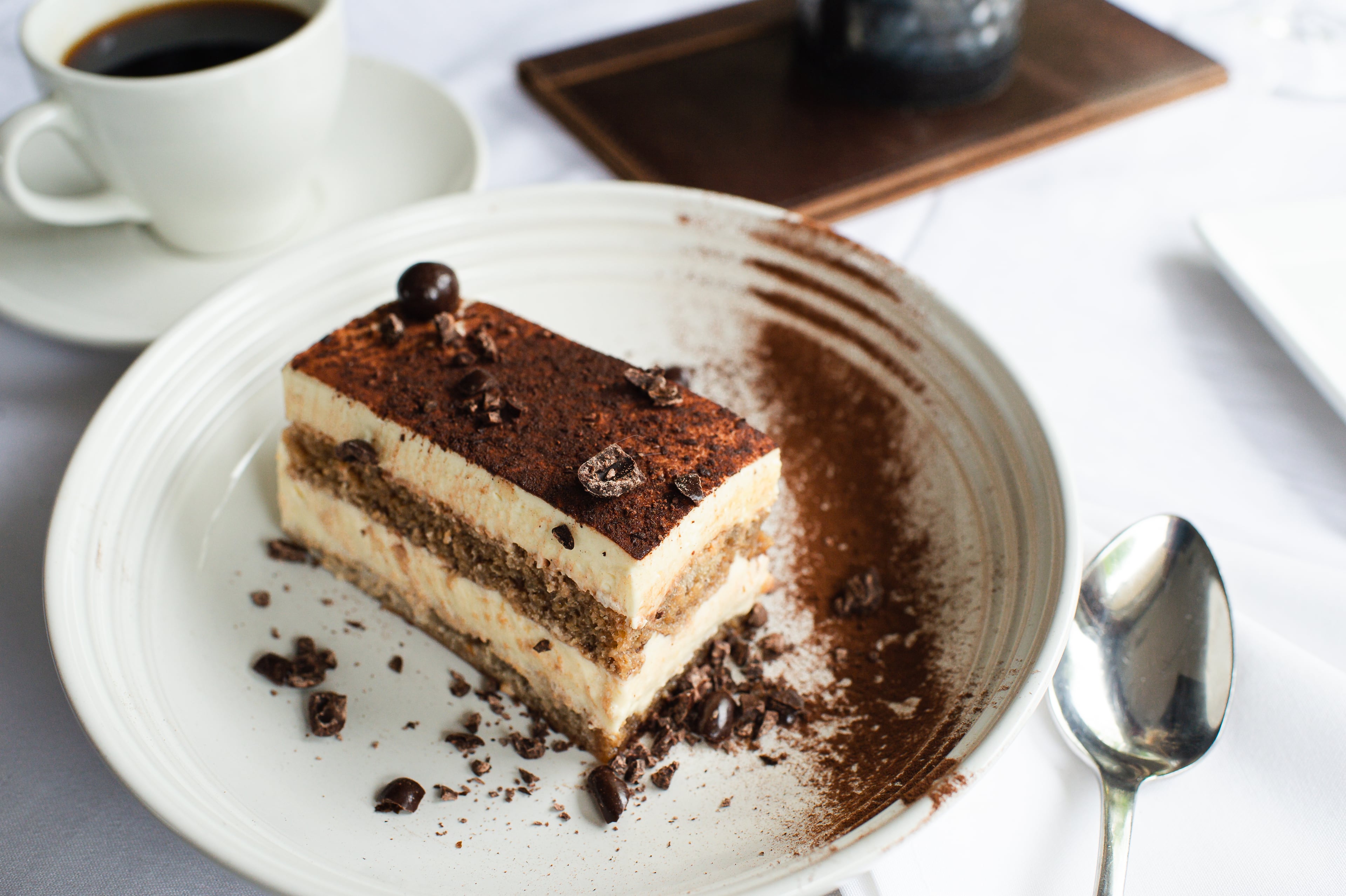
What to Order at Amore e Amore: Cousin Vinnie’s World-Famous Calamari, Domestic Shrimp & Scungilli Fra Diavolo, an entrée as big a mouthful to say as it is to eat. The Miller’s Rhapsody in B Major is a great example of jubilant American excess with its blend of Alfredo, Bolognese and bechamel sauces. The hefty eggplant parm tower makes for a filling vegetarian main, whose sweeter Venetian-style tomato sauce provides a tangible reminder of the late Professor’s heritage.
Osteria Mattone
1095 Canton St., Roswell. 678-878-3378, osteriamattone.com
This warm Roswell staple housed in a former cottage wouldn’t be out of place in a central Italian countryside. With its garden patios, brick archwaysproteins, and seasons and wine room, it’s meant to evoke those comparisons with a menu to match. However, it takes a break from its majority Roman bill of fare every “Pasta Casa Wednesday” — a tongue-in-cheek nod to owner Dan Pernice’s Long Island boyhood.
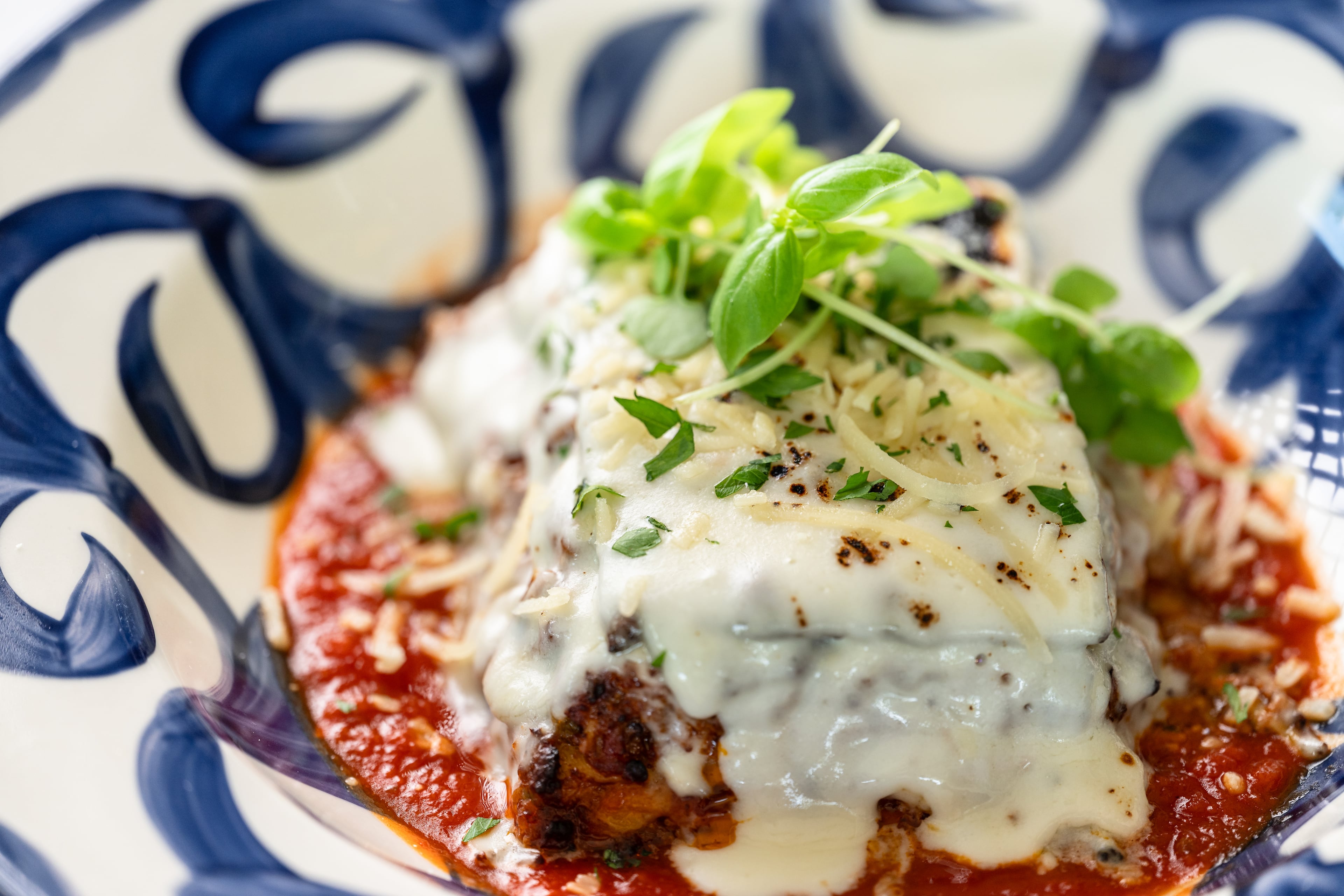
What to Order at Osteria Mattone: The garlic knots, for sure, a New York/New Jersey non-negotiable bread course, properly doused in garlic and butter and topped with grated Grana Padano cheese. The pasta changes every week and runs the gamut from baked lasagna to house-made penne a la vodka, but the chicken parmigiana is a reliable reason to go.
Hoboken Café
688 Whitlock Ave. NW, Marietta. 678-909-3375, hobokencafega.com
The name itself sets the tone for no-frills, no-frippery New Jersey vibes and the interior is as down to business as any Tri-Stater. At every table, napkin dispensers are as good a promise of sauce as enough to wipe, and cans of San Marzano tomatoes on display demonstrate how serious they are about it. For even more a sense of place, a picture menu of sandwich heroes is displayed adjacent a wall of New York metro heroes like Sinatra.
What to Order at Hoboken Café: Hero sandwiches are the main attraction here, but Northeastern pizza parlor-style entrees are sleeper offers. Parms on pasta with marinara sauce include meatball, sausage, chicken and eggplant (Fridays only), and all come with a side salad for workday value. Sausage, peppers and onions on pasta with the same are also offered daily.
Why New York-style Italian food is finding a home in Atlanta
Atlantans joke around that “we full,” but in truth, our population’s nowhere near done growing. The Atlanta Regional Commission has predicted that by the year 2050, we’ll have gained 1.8 million new Atlantans across our 21 counties. A large part of that? The head start we’ve gotten on out-of-state transplants, the highest concentration of which hailed from the metro New York area: New York, New Jersey and the parts of Pennsylvania closest to NYC.
That Northeastern region has long been known as a stronghold for Italian immigrants, which, through the generations, has developed a culture entirely its own. No wonder then, that there’s been a rise in Italian restaurants across the city. But not just any type of Italian restaurants: “red sauce” Italian American Italian, whose unique heritage we’re honoring this month.
How Atlanta’s Italian restaurants are different
Everyone has their own theories as to why Italian menus in Atlanta have historically looked and tasted different from what’s up North. While there are certainly overlaps with quintessential Italian American favorites like spaghetti and meatballs, Fundora mentions the challenge of a big menu that covers a lot of ground. “Mama” Gale Parker, owner of Amore e Amore (formerly Il Localino) in Inman Park, thinks that restaurateurs found Northeastern Italian to be too “old fashioned” and therefore passé. And Premoli points to how recent the heavier flow of North to South migration has been.
The end result is that “Atlanta-style Italian is definitely its own thing,” Pernice says, and one that’s still “a bit hard to define considering it’s still developing.”
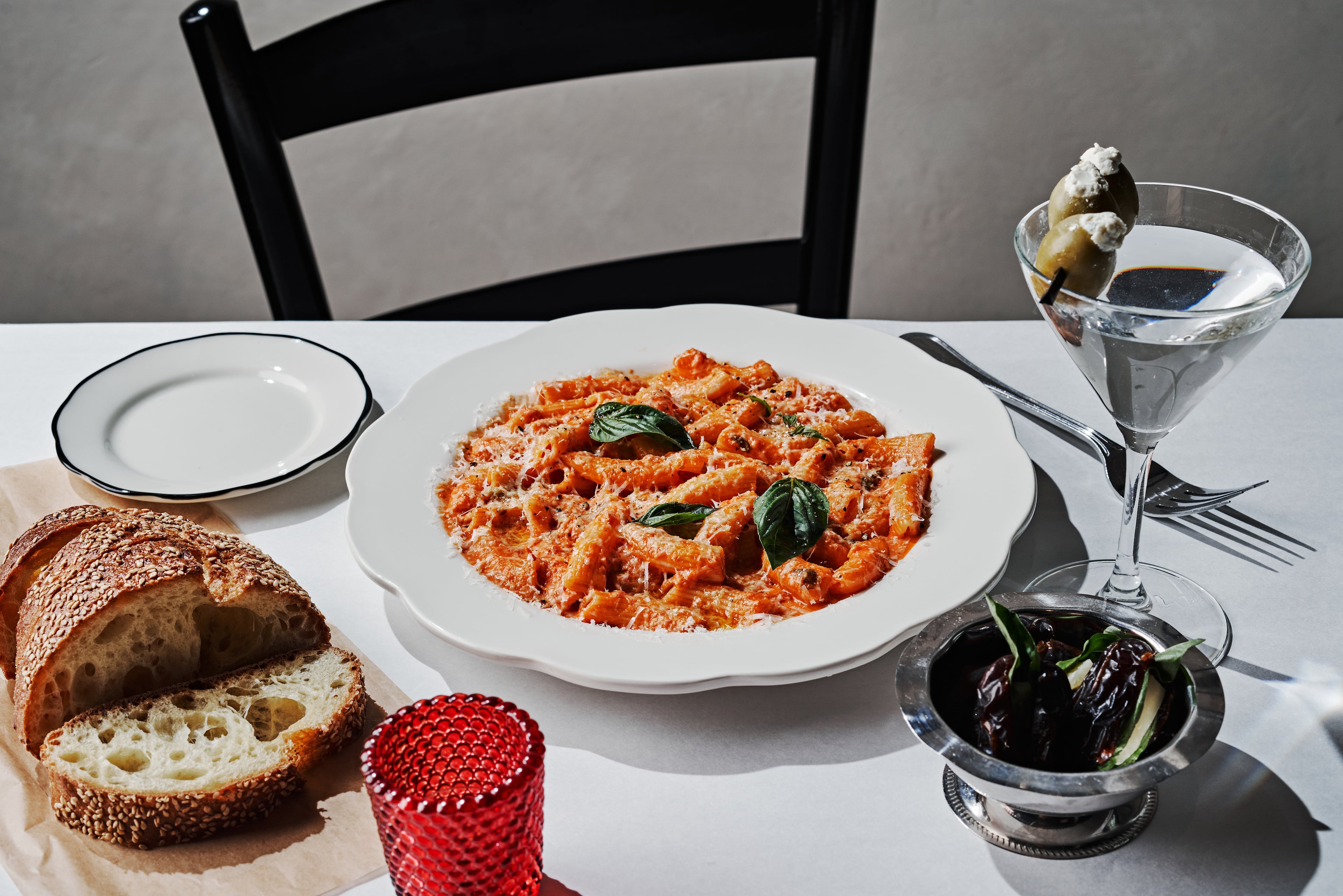
One of our hallmarks is a more modern gourmet approach.
Pernice theorizes that “Although Atlanta has many people of Italian descent, a large number of them haven’t been exposed to as much Italian American cuisine as people from places like New York New Jersey, Chicago, or Boston … [so] we don’t have the decades of established Italian American traditions.”
But the benefit he points out is that this gap “allows us more freedom to experiment however we choose or adhere to more authentic recipes.”
Plus, the more recent development of American Italian food in Atlanta means greater access to genuine Italian ingredients than immigrants had a century ago, he adds, removing the need to “do without, as they often did.” This automatically elevates the cuisine, as rather than relying on dried pastas and evergreen preparations using limited ingredients, most of Atlanta’s Italian restaurants are able to focus on house-made pastas and import ingredients and equipment, as well as riff on the produce, proteins and seasons of the American South.
Despite the wider breadth of possibility, this detail-oriented approach actually leads to a more curated menu that is light on what Fundora considers traditional recipes and heavier on what she calls “Novo Italian” flourishes.
Within that category are most of our city’s contemporary favorites like BoccaLupo, Lyla Lila, a mano and GiGi’s Italian Kitchen & Restaurant, all of which are praised for their ingenuity. Even the places we consider traditionally upscale Italian, the likes of which include La Tavola Trattoria, il Giallo Osteria & Bar, Serena Pastificio and La Grotta emphasize luxury ingredients over everyday simplicity. Newer restaurants, from more casual spots like Indaco and Pendolino to vibrant, buzzy ones like Fum and Luella, emphasize unexpected preparations and ingredients.
How Italian American food became its own cuisine
The New York/New Jersey style of Italian food is more than a list of beloved sauces. It’s also a very specific way of life that the families of Southern Italian and Sicilian immigrants in the late 19th and early 20th centuries have made their own without even realizing it.
Most of these descendants will insist that it’s the most authentic type of Italian food you can get, much to the amusement and sometimes, confusion of Italian-born chefs like Piero Premoli, executive chef and partner of Buckhead’s Pricci. He distinctly remembers starting a raucous disagreement at a home in Brooklyn not long after arriving to the States when the hostess insisted her cioppino was a soup from her family’s village in Campagna. He attempted to explain it actually originated in San Francisco.
“I almost set the whole family against me,” he says, chuckling at the memory decades later.
The truth of the matter is that these passed-down memories of Italian American dishes are the products of immigrants combining recipes they already knew with ingredients readily available here in America, says the Long Island-born, Georgia-raised sommelier and owner of Roswell’s Osteria Mattone, Daniel Pernice. “That’s why we have dishes like chicken parms, spaghetti and meatballs, baked ziti, comprised of mostly or all classic Italian ingredients but assembled in very un-Italian ways.
“For example, spago (spaghetti) with pomodoro sauce is enjoyed in many parts of Italy, but you’ll never see it combined or in contact with polpette (meatballs),” he explains. Part of that is because most mains in Italy are meant to be eaten after a pasta course rather than with it, in contrast to the packed pasta entrees that have become dinner stars for American Italian meals.
Yet this style of Italian has become classic to Americans. It’s “inarguably delicious,” Pernice holds, well-established and sought after. Premoli goes so far as to recognize the style as an essential part of the food culture Italian immigrants have built in the States. Today, with the increased migration of Northeasterners to the Southeast, it’s becoming a staple in Atlanta, too.
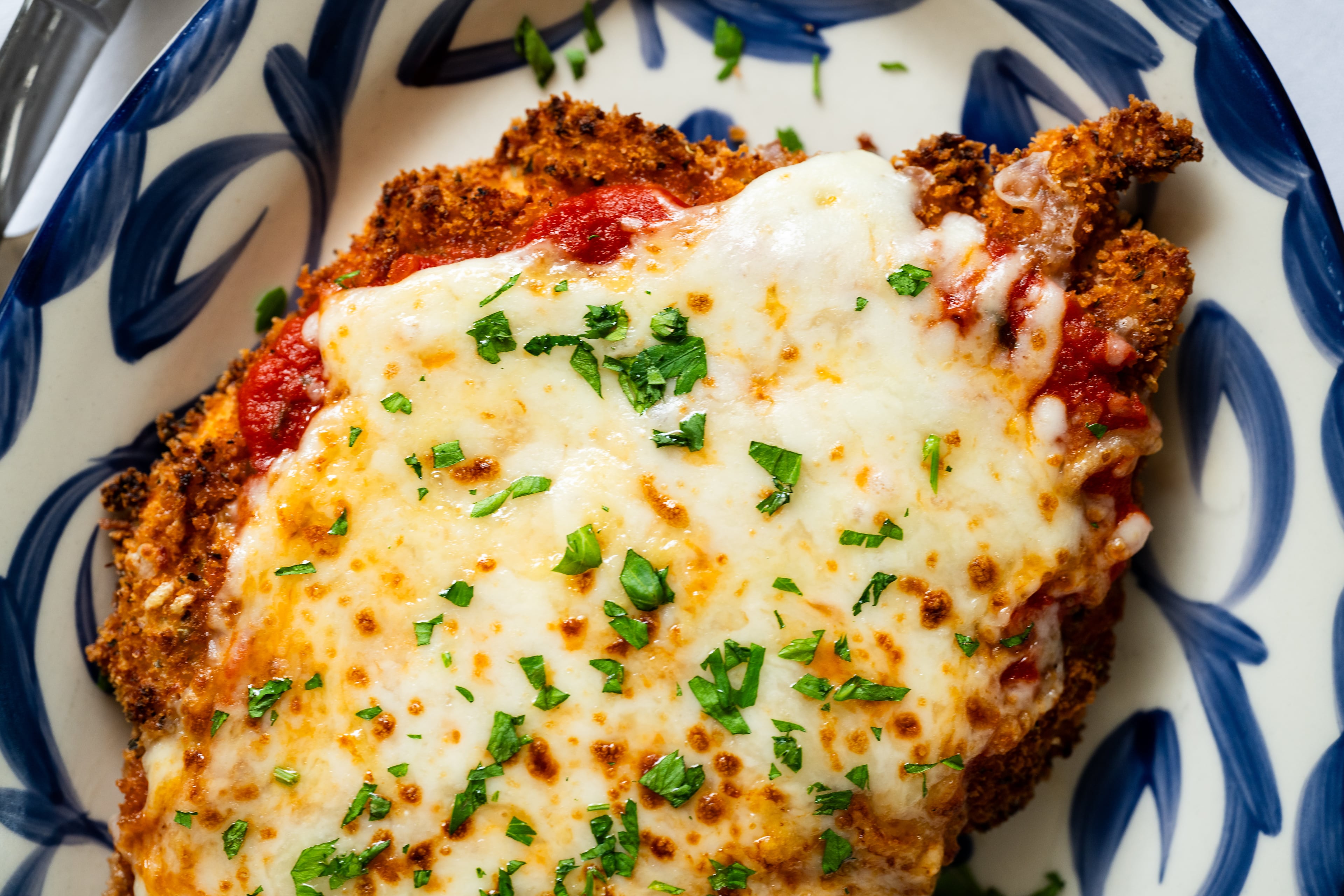
Is Italian American food authentic Italian food?
The simple and unexpected answer is a resounding yes across the board — even from Italian-born and -trained chefs.
Even if the dish didn’t originate in Italy, Northeasterners have always vociferously defended the authenticity of their style of Italian and continue to call it traditional. As the culinary world gets increasingly smaller for the everyday eater, they have a point.
Westernization of food from other cultures has become better recognized as authentic REGIONAL cuisine. American Italian is as much a third culture food of diaspora as American Chinese — they’re products of memory mixed with availability and affordability that now have their own distinct identity and signature dishes. There are hard-wired expectations for the hospitality and the food you’ll receive, such as seeing owners like Parker and Fundora weaving through their bustling dining rooms greeting longtime patrons by name as warm bread hits every table, and like Premoli says, owning a consistent culinary identity.
But more importantly, he points out, “The line [for authenticity] has become much grayer over the years because food travels in both directions. Dishes that once would have been considered distinctly Italian American can now sometimes be found in Italy as well.”
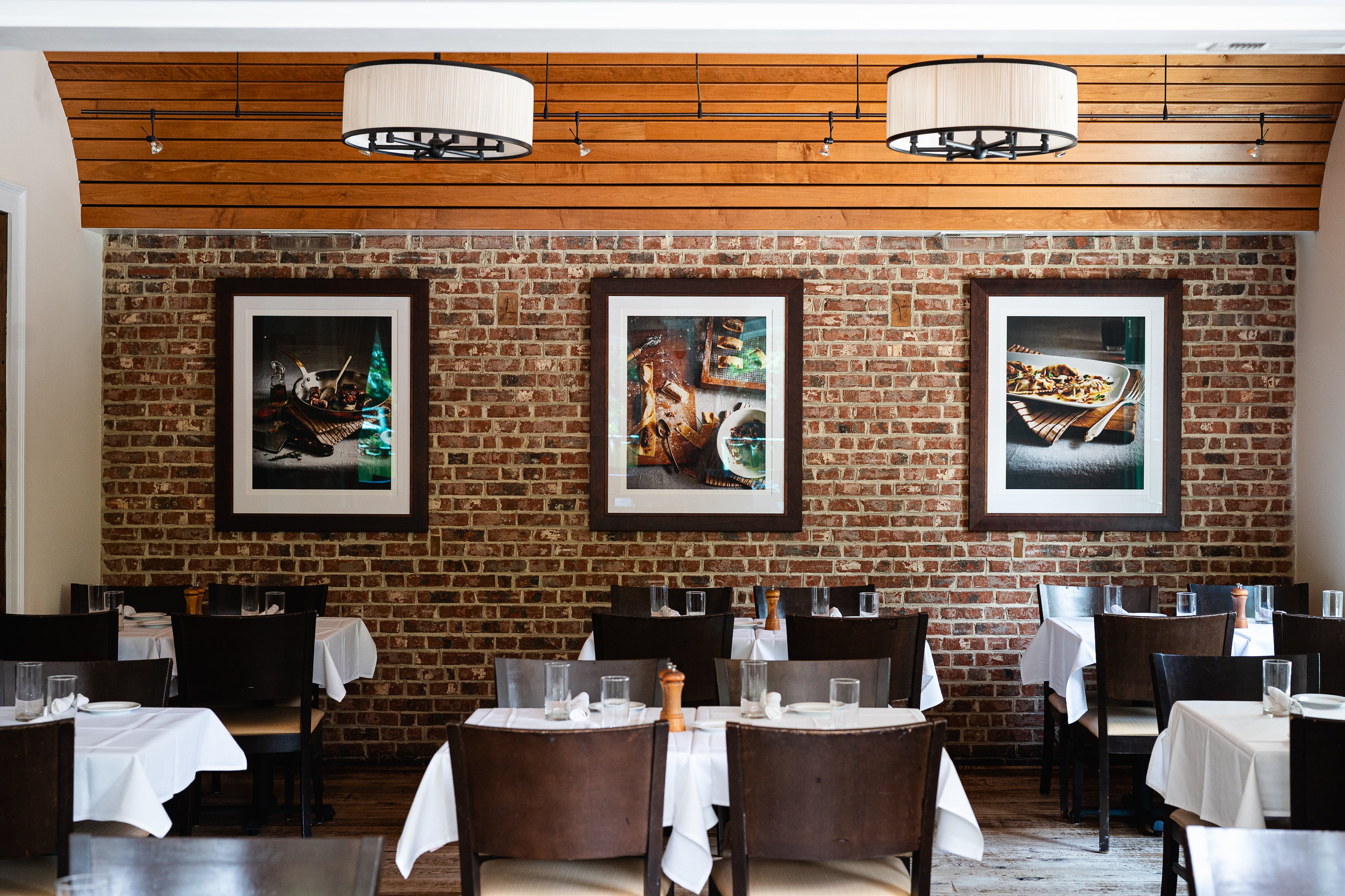
He himself has been influenced by Italian American traditions, like the Feast of the Seven Fishes and the flavors inspired by them. “Professor” Giovanni Ferro, late co-founder of Amore e Amore, was from Venice and developed recipes that married his Northern Italian experience to those he shared with his Northeastern wife, Parker, in Manhattan. And Atlanta’s oldest surviving Italian restaurant, Nino’s Cucina Italiana, has parmigianas and mozzarella sticks on the menu alongside the recipes founder Antonio Noviello brought over from the Amalfi Coast.
On the other side of the spectrum, Belline gave his New York City experiences elevated true-to-Italy touches, such as house-made pasta and discernment with product sourcing. Atlanta chefs have benefited from greater access to Italian regional cuisines with the rise of restaurateurs like Stephen Peterson, whose collection of restaurants (Yeppa & Co., Storico Fresco, Forza Storica and the recently opened Y Bar) aim to re-create his Rimini upbringing.
As Premoli says so aptly, “Both traditions have value. Sometimes, something gets lost in translation, but sometimes, something is gained, too. At the end of the day, it just comes down to great food.”