A pumpkin seed recipe with Indigenous roots
Ever wonder how pumpkin was used before the spice and the lattes?
In “A Feather and a Fork: 125 Intertribal Dishes from an Indigenous Food Warrior” (Rodale Books, $35), Crystal Wahpepah, a member of the Kickapoo tribe, shares over a hundred recipes using the bounty of her native land, including pumpkin.
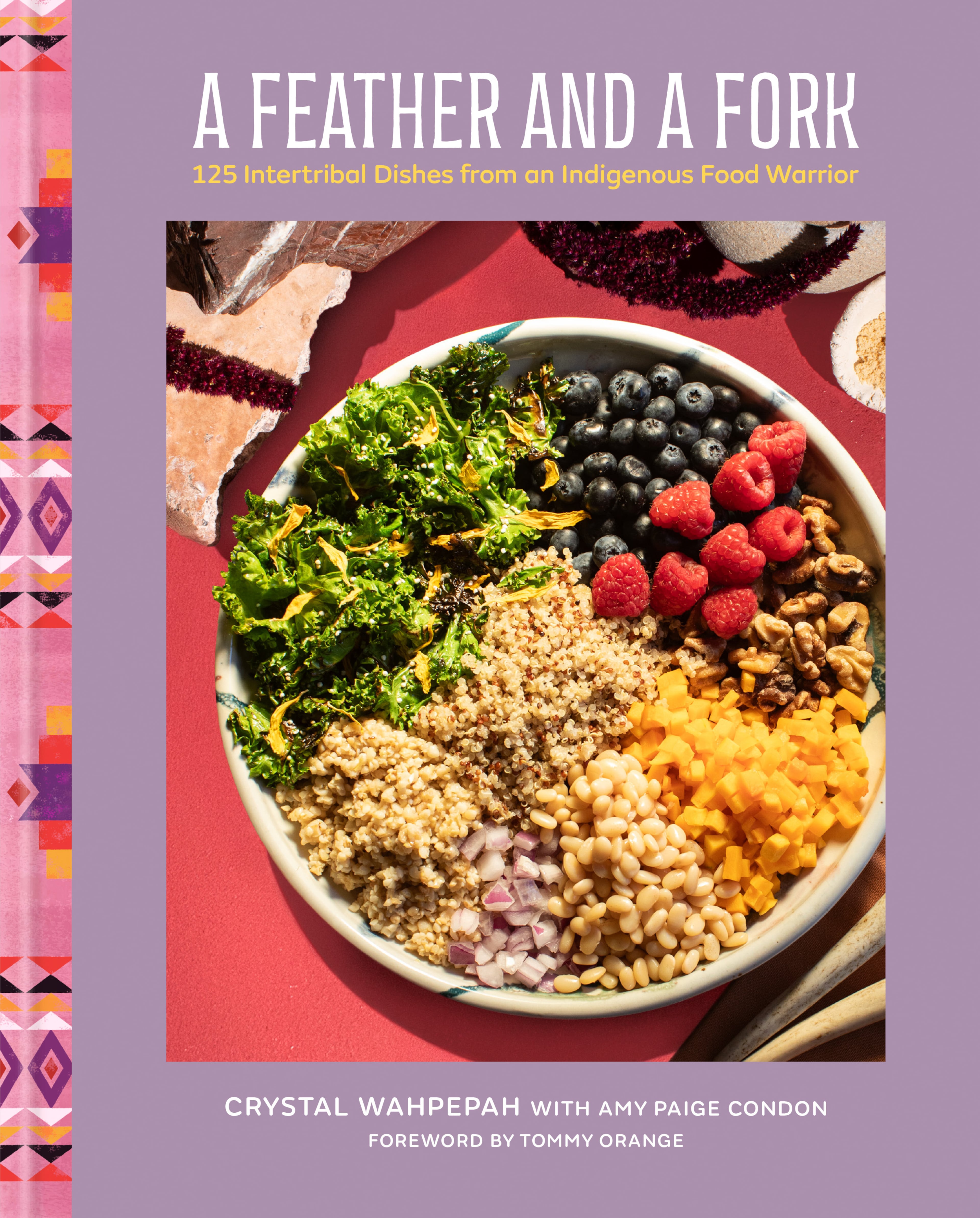
Similar to Karla Tatiana Vasquez’s “The SalviSoul Cookbook” (Ten Speed Press, 2024) covered last week, “A Feather and a Fork” preserves memories and traditions through its recipes. But it is also very different. Wahpepah isn’t bringing these dishes from another country; she is preserving history by guiding us back to the natural foodways (traditions and practices surrounding food) she says people in our land were meant to use.
Indigenous food finds a way back in Wahpepah’s cookbook
According to Wahpepah, the ingredients in these recipes are what Indigenous people would be eating if not for colonization. As a result of their forced displacement, their natural food systems were cut off and replaced with refined foods, contributing to preventable food-related diseases and lower health expectancy. Wahpepah shares how these problems affect not just Native American communities, but everyone who relies on overprocessed foods because they are cheaper than fresh produce.

The importance of seeking out local ingredients
Wahpepah encourages the reader to seek out local, seasonal ingredients or Native American farmers, but also says it’s OK to make necessary substitutions. She shares her belief that sourcing meats and produce native to one’s area is the original American diet.
‘Three sisters’ farming
In one chapter of Wahpepah’s book, she explains that three crops — beans, corn and squash — are called the three sisters because they nurture one another like a family. The farming technique intentionally plants crops that grow well together; tall cornstalks are used by climbing beans, the beans add nitrogen back into the soil through their roots and the squash leaves provide shade to keep the soil from drying out.
She even shares the Kickapoo legend about the three sisters, describing the tribe’s reliance on the crops that are foundational to their diet.
Zero food waste in Indigenous practices
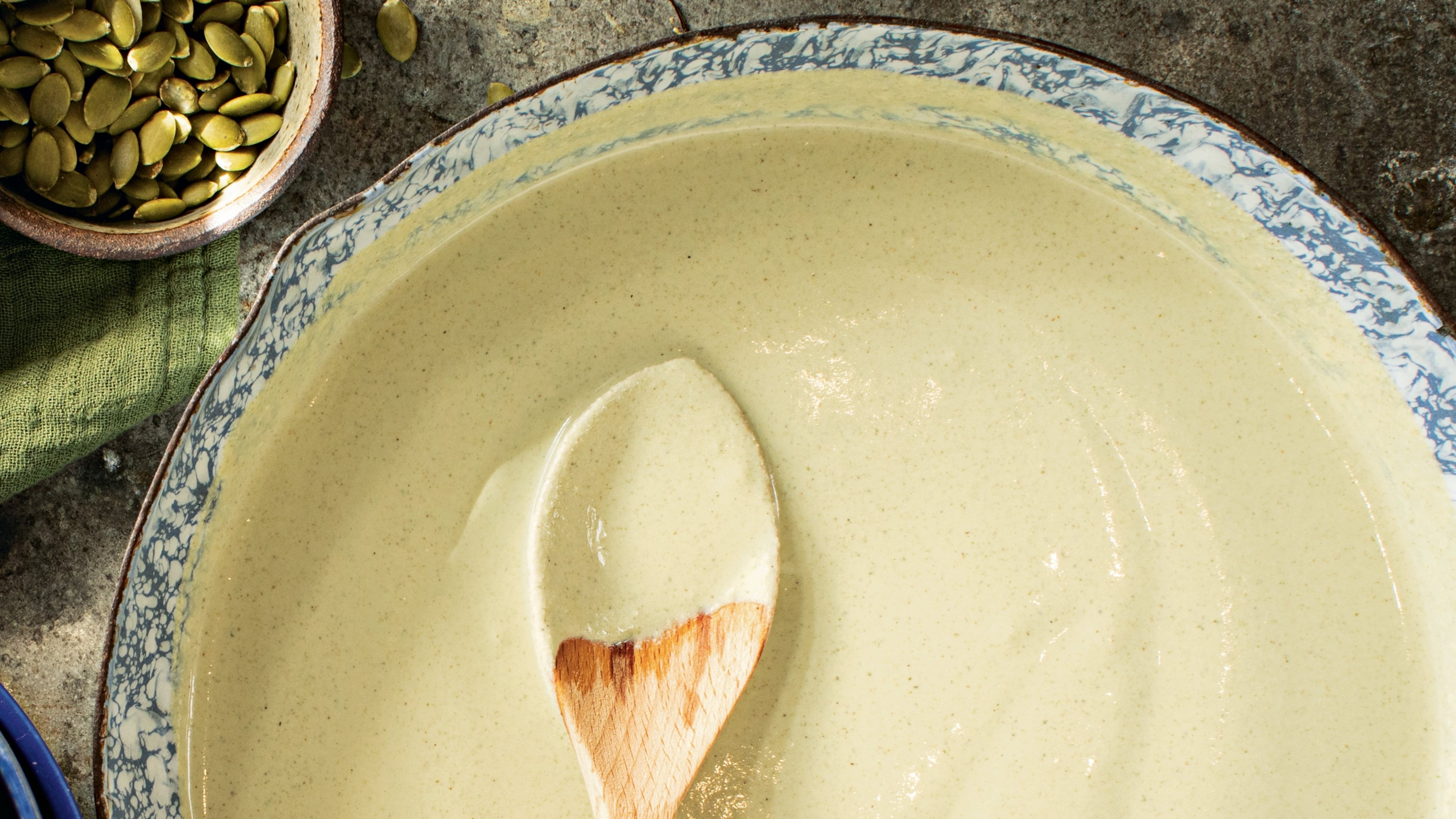
Every edible part of an animal or plant is cooked, dried or preserved, contributing to almost no food waste in Native American communities. For example, when scraping out the seeds of a pumpkin to use its flesh in a soup or bread, the seeds don’t need to be discarded. Pumpkin seeds can be roasted and pureed into a mole.
What is mole?
Mole is a rich sauce made with ingredients such as nuts, seeds, spices and chiles blended into a smooth paste. It is typically served with tortillas, or spooned over roasted chicken or other poultry. In this recipe, the pumpkin seeds are roasted to develop a nutty flavor before being blended with the other ingredients. Mole takes time and effort because it requires roasting the nuts or seeds; therefore, it is often made for special occasions.
The ingredients in mole changed because of the trans-Atlantic slave trade
Wahpepah described how the ingredients in her mole came to fruition in “A Feather and a Fork”:
“This sauce, or salsa, has its roots in precolonial Mexico, during the reign of the Aztecs. It included a bitter chocolate base and was served during celebrations. Through the Spanish conquest and the trans-Atlantic slave trade, spices, nuts, and seeds from Africa, Spain, and, later, Asia were incorporated into the moles that often still are served now, such as the mole poblano, which is thought to be the national dish of Mexico. There are multiple variations and interpretations of mole today, and this one combines the earthiness of pumpkin seeds with the bright tartness of tomatillos.”
How to prep the tomatillos and pumpkin seeds for mole
Tomatillos are found in the produce section of grocery stores, such as Kroger. They look like unripe green tomatoes covered in a papery shell. Remove the papery husk, wash the sticky residue off the skin, and dry well before using for this recipe.
After spooning the pumpkin seeds from the flesh, place the seeds in a bowl of water to separate them from the stringy pulp. Use your hands to scrub them; the clean seeds will float to the top. Lay them on paper towel sheets and thoroughly pat them dry to ensure they roast up well.
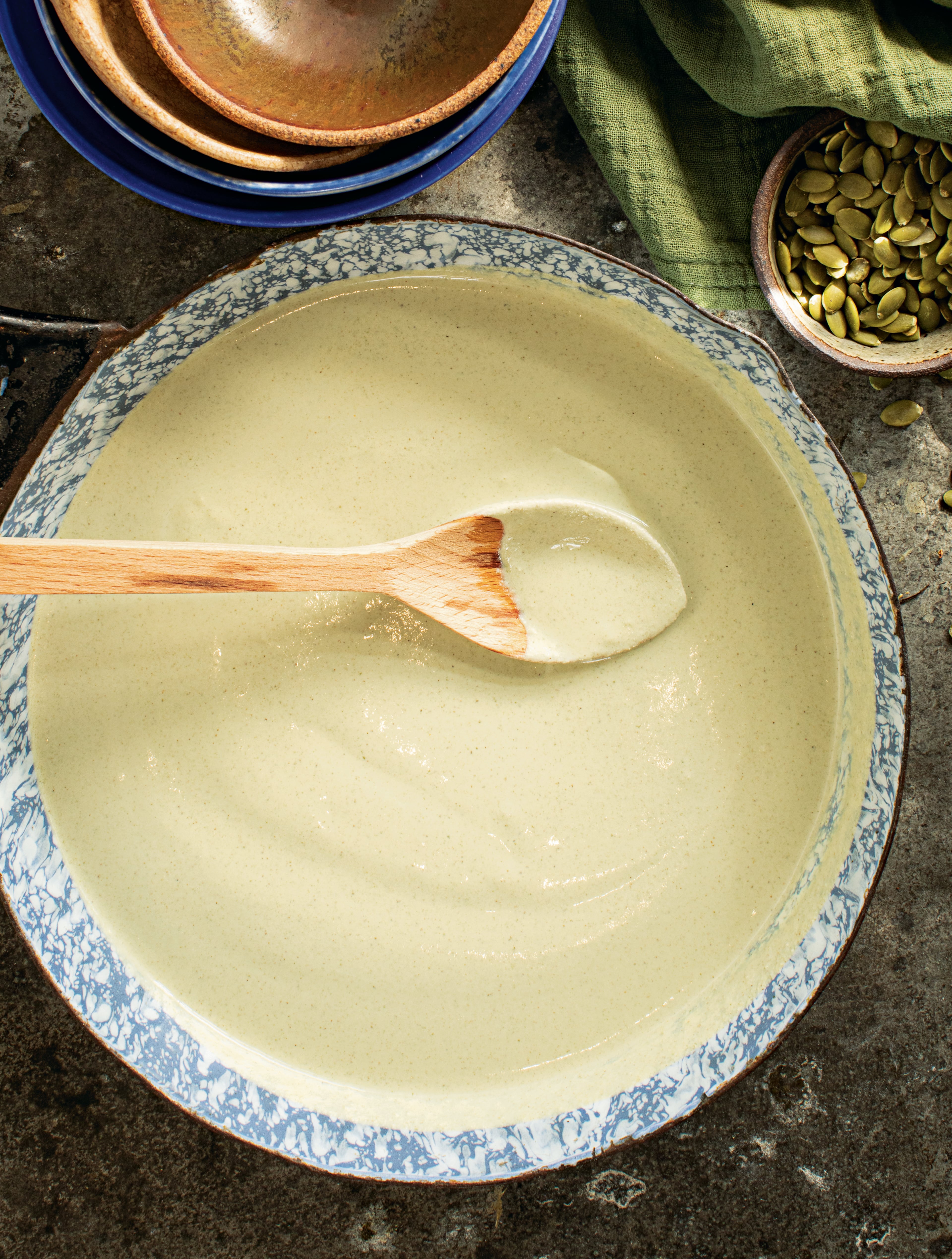
Toasted Pumpkin Seed Mole (Kaskinwiihi Miinekaanani)
Wahpepah calls for smoked cedar salt in the ingredients, and refers to a section of her book explaining where to find ingredients by Native food growers and producers. Smoked sea salt can be used as a substitute if necessary.
Serves 4 (about 2 cups)
Ingredients:
- 1 cup raw pumpkin seeds
- 2 tablespoons vegetable oil, divided
- 1 teaspoon ground cumin
- 1 teaspoon smoked cedar salt
- 1 tomatillo, brown skin removed
- 1/2 medium white onion, quartered
- 2 garlic cloves
- Small bunch of fresh cilantro, leaves coarsely chopped
Instructions:
- Preheat the oven to 350 degrees. Line a baking sheet with aluminum foil.
- Toss the pumpkin seeds, 1 tablespoon of oil, cumin and smoked salt in a bowl. Spread the seeds in a single layer on the prepared baking sheet. Toast the seeds for 15 minutes, tossing them every 5 minutes, until they are golden brown and release a nutty, smoky aroma. Set aside to cool.
- Raise the oven temperature to 450 degrees. Line another baking sheet with aluminum foil and brush it with the remaining 1 tablespoon oil.
- Cut the tomatillo in half and place the halves, cut-sides down, on the prepared baking sheet. Add the onion and garlic to the pan. Roast the tomatillo, onion and garlic for 20 minutes or until soft and lightly caramelized.
- Combine the roasted tomatillo, onion, garlic, pumpkin seeds, cilantro, and 1/2 cup water in a food processor. Pulse until smooth but textured.
- Serve with toasted tortillas for a healthy snack or as a sauce with roasted chicken.
Recipe excerpted from “A Feather and a Fork” by Crystal Wahpepah; with Amy Paige Condon, by permission of Rodale Books. Copyright © 2026 by Crystal Wahpepah; with Amy Paige Condon. All rights reserved.